
 Worksheets
Organism, Organ Systems
Total questions: 15
Worksheet time: 22mins
Which of the following shows the levels of organization in order from simple to complex?
1. Cell
2. Tissue
3. Organ
4. Organ System
5. Organism
1. Cell
2. Tissue
3. Organelle
4. Organ
5. Organ System
1. Tissue
2. Organelle
3. Cell
4. Organ
5. Organism
1. Organ
2. Tissue
3. Cell
4. Organism
5. Organ System

What is a group of cells that have similar functions? Examples include nervous, epithelial, muscle, and connective _________ .
cells
tissues
organs
atoms
Tissues combine to form...
cells
organs
organ systems
organelles
Organs combine to form...
organ systems
organs
tissues
organisms
Which level of organization is the smallest and simplest?
Cell
Tissue
Organ
Organ System
Organisms

True or False:
Single-celled organisms are able to live as one cell, and multi-celled organisms need many cells to live because each cell has specialized job.
True
False
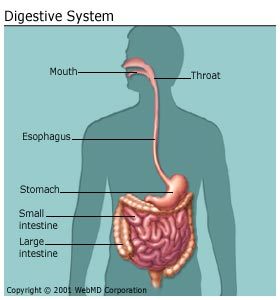
These organs working together are an example of a(n) ________________ .
organ system
cell
atom
tissue
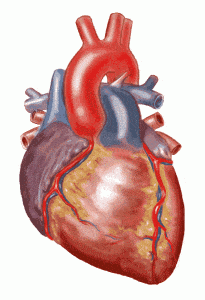
This group of multiple, different tissues performing similar functions is an example of a(n) _____________ .
cell
organ system
organ
tissue
Your muscles work with your ______ to help you move.
heart
lungs
bones
intestines
The Respiratory and Circulatory systems work together to give the body the (a) ... it needs.
Oxygen
Blood
Nutrients
Birds

Match the following

Neuron

Retina

Taste Buds

Olfactory Bulb

Inner Ear
Match the following sensory cells with where they are located:
Sensory cells sensitive to pain, temperature, and pressure
Skin
Sensory cells located at the back of the eye
Retina
Sensory cells for sweet, sour, salty, and bitter
Taste Buds
Sensory cells for smell
Olfactory Bulb
Sensory cells for hearing
Inner Ear

