
 Worksheets
Level 1 Cells & Heredity Vocabulary
Total questions: 39
Worksheet time: 13mins

- one of the alternative forms of a gene that governs a characteristic, such as hair color
allele
(uh*LEEL)
asexual reproduction
(ay*SEK*shoo*uhl*
ree*pruh*DUHK*shuhn)
behavior
(bih*HAYV*yer)
cell
(SEL)

-reproduction that does not involve the union of sex cells and in which one parent produces offspring that are genetically identical to the parent
allele
(uh*LEEL)
asexual reproduction
(ay*SEK*shoo*uhl*
ree*pruh*DUHK*shuhn)
behavior
(bih*HAYV*yer)
cell
(SEL)

-an action that an individual carries out in response to a stimulus or to the environment
allele
(uh*LEEL)
asexual reproduction
(ay*SEK*shoo*uhl*
ree*pruh*DUHK*shuhn)
behavior
(bih*HAYV*yer)
cell
(SEL)

-in biology, the smallest unit that can perform all life processes; cells are covered by a membrane and contain DNA and cytoplasm
allele
(uh*LEEL)
asexual reproduction
(ay*SEK*shoo*uhl*
ree*pruh*DUHK*shuhn)
behavior
(bih*HAYV*yer)
cell
(SEL)

-in a eukaryotic cell, one of the structures in the nucleus that are made up of DNA and protein; in a prokaryotic cell, the main ring of DNA
cell membrane
(SEL MEM*brayn)
cell wall
(SEL WAWL)
chloroplast
KLOHR*up*plast)
chromosome
(KROH*muh*sohm)

A rigid structure that surrounds the cell membrane and provides support to the cell
cell membrane
(SEL MEM*brayn)
cell wall
(SEL WAWL)
chloroplast
KLOHR*up*plast)
chromosome
(KROH*muh*sohm)
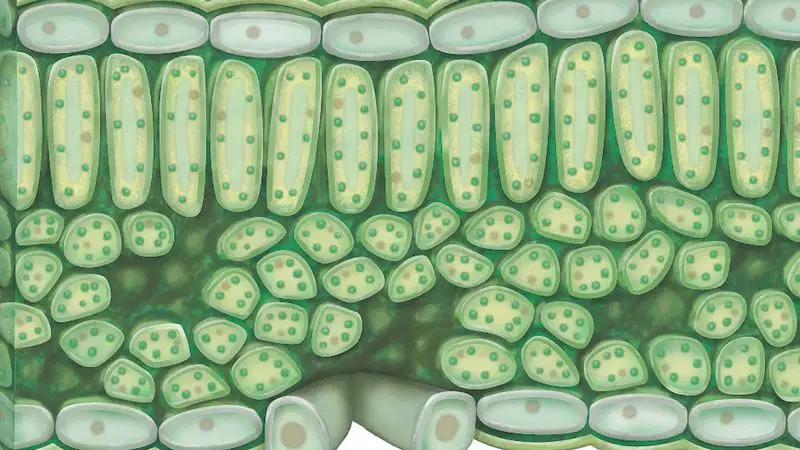
-an organelle found in plant and algae cells where photosynthesis occurs
cell membrane
(SEL MEM*brayn)
cell wall
(SEL WAWL)
chloroplast
KLOHR*up*plast)
chromosome
(KROH*muh*sohm)
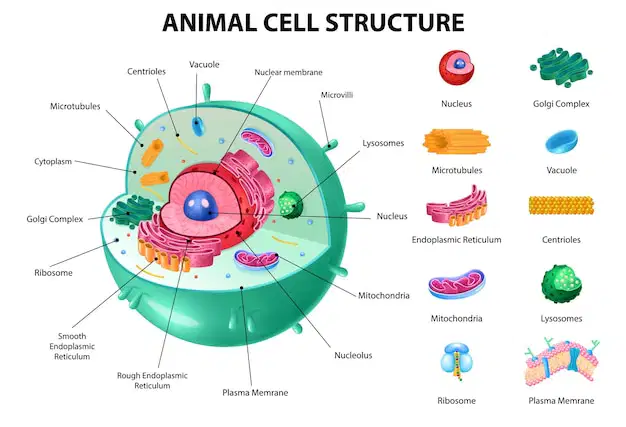
-a phospholipid layer that covers a cell’s surface and acts as a barrier between the inside of a cell and the cell’s environment
cell membrane
(SEL MEM*brayn)
cell wall
(SEL WAWL)
chloroplast
KLOHR*up*plast)
chromosome
(KROH*muh*sohm)

-the organs that break down food so that it can be used by the body
circulatory system
(SER*kyuh*luh*tohr*ee
SIS*tuhm)
digestive system
(dy*JES*tiv
SIS*tuhm)
excretory system
(EK*skrih*tohr*ee
SIS*tuhm)
gamete
(GAM*eet)
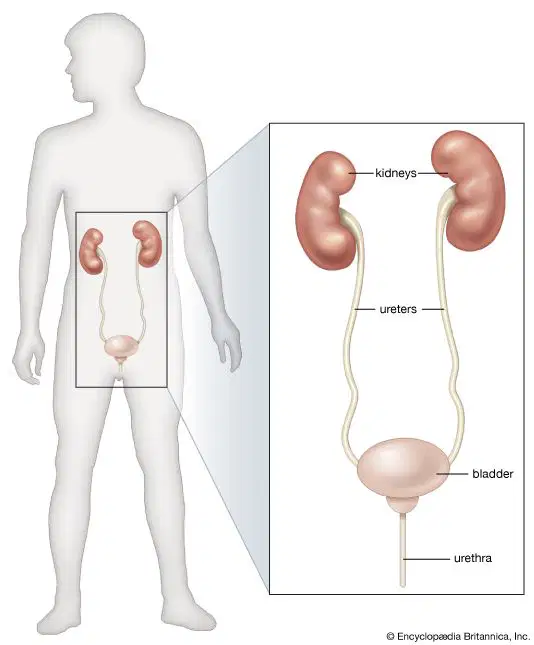
- the system that collects and excretes nitrogenous wastes and excess water from the body in the form of urine
circulatory system
(SER*kyuh*luh*tohr*ee
SIS*tuhm)
digestive system
(dy*JES*tiv
SIS*tuhm)
excretory system
(EK*skrih*tohr*ee
SIS*tuhm)
gamete
(GAM*eet)

-the body system made up of the heart, the blood vessels, and the blood
circulatory system
(SER*kyuh*luh*tohr*ee
SIS*tuhm)
digestive system
(dy*JES*tiv
SIS*tuhm)
excretory system
(EK*skrih*tohr*ee
SIS*tuhm)
gamete
(GAM*eet)
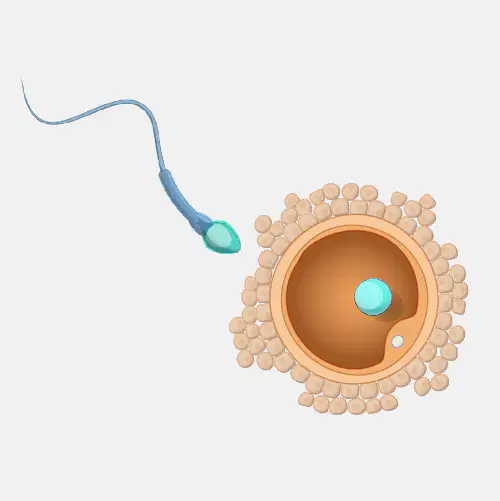
- a haploid reproductive cell that unites with another haploid reproductive cell to form a zygote
circulatory system
(SER*kyuh*luh*tohr*ee
SIS*tuhm)
digestive system
(dy*JES*tiv
SIS*tuhm)
excretory system
(EK*skrih*tohr*ee
SIS*tuhm)
gamete
(GAM*eet)

-a plant organ that is the main site of photosynthesis and transpiration
gene
(JEEN)
inheritance
(in*HEHR*in*tuhns)
leaf
(LEEF)
homeostasis
(hoh*mee*oh*STAY*sis)

- the process by which a characteristic is passed from parent to offspring
gene
(JEEN)
inheritance
(in*HEHR*in*tuhns)
leaf
(LEEF)
homeostasis
(hoh*mee*oh*STAY*sis)

-the maintenance of a constant internal state in a changing environment
gene
(JEEN)
inheritance
(in*HEHR*in*tuhns)
leaf
(LEEF)
homeostasis
(hoh*mee*oh*STAY*sis)

-one set of instructions for an inherited trait.
gene
(JEEN)
inheritance
(in*HEHR*in*tuhns)
leaf
(LEEF)
homeostasis
(hoh*mee*oh*STAY*sis)

-in eukaryotic cells, the organelle that is the site of cellular respiration, which releases energy for use by the cell
memory
(MEM*uh*ree)
mitochondrion
(my*to*KAHN*dree*uhn)
multicellular organism
(muhl*tee*SEL*yuh*luhr
OHR*guh*niz*uhm)
muscular system
(MUS*kyuh*ler*
SIS*tuhm)

- the ability to story and recall past experience
memory
(MEM*uh*ree)
mitochondrion
(my*to*KAHN*dree*uhn)
multicellular organism
(muhl*tee*SEL*yuh*luhr
OHR*guh*niz*uhm)
muscular system
(MUS*kyuh*ler*
SIS*tuhm)

-the organ system whose primary function is movement and flexibility
memory
(MEM*uh*ree)
mitochondrion
(my*to*KAHN*dree*uhn)
multicellular organism
(muhl*tee*SEL*yuh*luhr
OHR*guh*niz*uhm)
muscular system
(MUS*kyuh*ler*
SIS*tuhm)

-an organism that consists of more than one cell
memory
(MEM*uh*ree)
mitochondrion
(my*to*KAHN*dree*uhn)
multicellular organism
(muhl*tee*SEL*yuh*luhr
OHR*guh*niz*uhm)
muscular system
(MUS*kyuh*ler*
SIS*tuhm)

-a new organism that results from sexual or asexual reproduction
nervous system
(NER*vus SIS*tuhm)
nucleus
(NOO*klee*uhs)
offspring
(AWF*spring)
Organ
(OHR*guhn)

-a collection of tissues that carry out a specialized function by the body
nervous system
(NER*vus SIS*tuhm)
nucleus
(NOO*klee*uhs)
offspring
(AWF*spring)
Organ
(OHR*guhn)
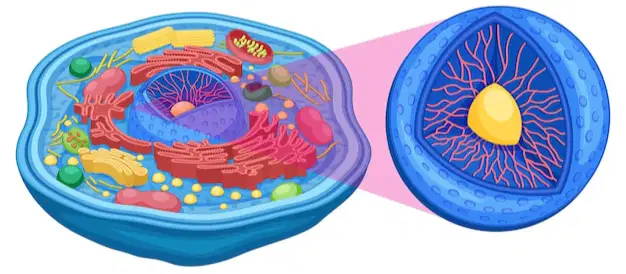
-in a eukaryotic cell a membrane-bound organelle that contains the cell’s DNA and that has a role in processes such as growth, metabolism, and reproduction
nervous system
(NER*vus SIS*tuhm)
nucleus
(NOO*klee*uhs)
offspring
(AWF*spring)
Organ
(OHR*guhn)

-the structures that control the actions and reactions of the body in response to stimuli from the environment; it is formed by billions of specialized nerve cells called neurons.
nervous system
(NER*vus SIS*tuhm)
nucleus
(NOO*klee*uhs)
offspring
(AWF*spring)
Organ
(OHR*guhn)
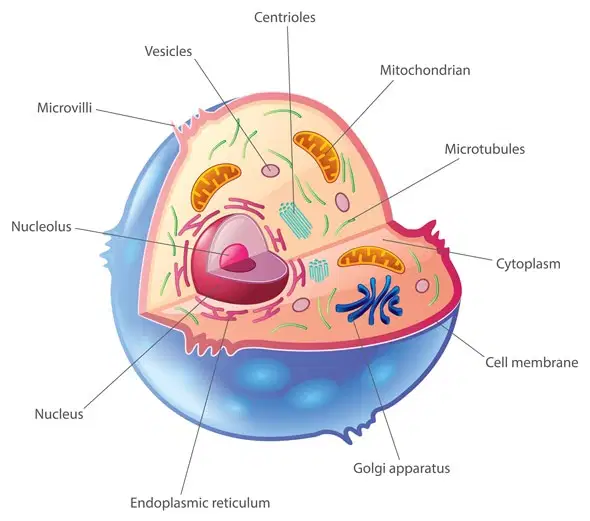
-one of the small bodies that are found in the cytoplasm of a cell and that are specialized to perform a specific function
pollination
(pahl*uh*NAY*shuhn)
organ system
(OHR*guhn SIS*tuhm)
organism
(OHR*guh*niz*uhm)
organelle
(ohr*guhn*EL)
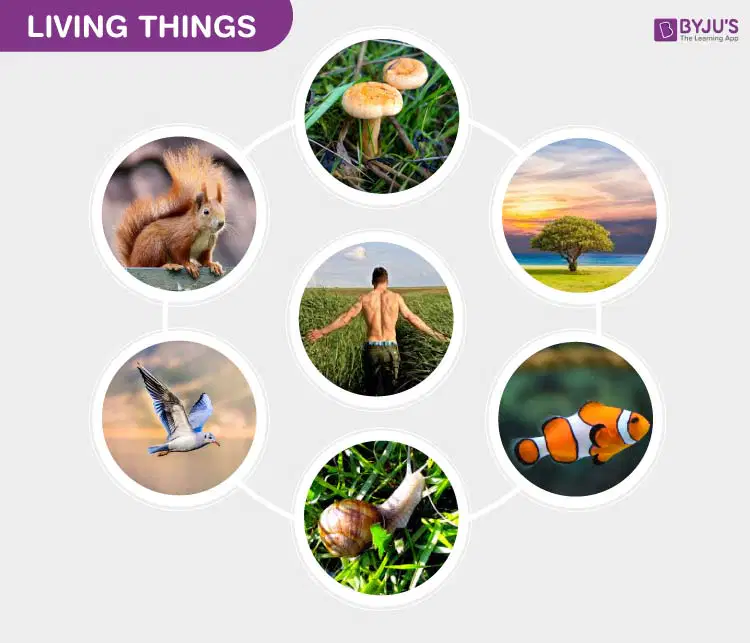
-a living thing; anything that can carry out life processes independently
pollination
(pahl*uh*NAY*shuhn)
organ system
(OHR*guhn SIS*tuhm)
organism
(OHR*guh*niz*uhm)
organelle
(ohr*guhn*EL)
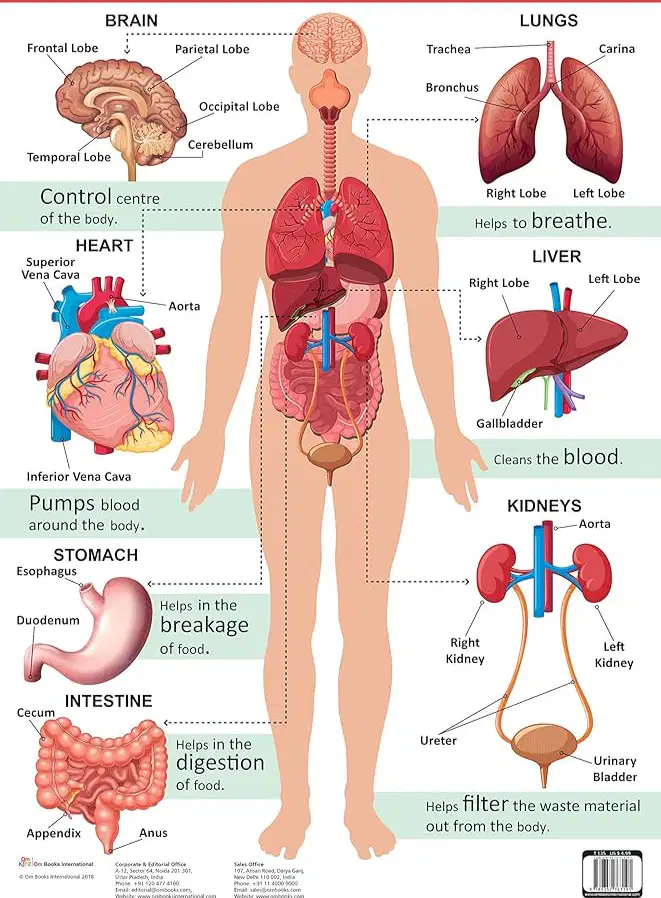
-a group of organs that work to perform body functions
pollination
(pahl*uh*NAY*shuhn)
organ system
(OHR*guhn SIS*tuhm)
organism
(OHR*guh*niz*uhm)
organelle
(ohr*guhn*EL)
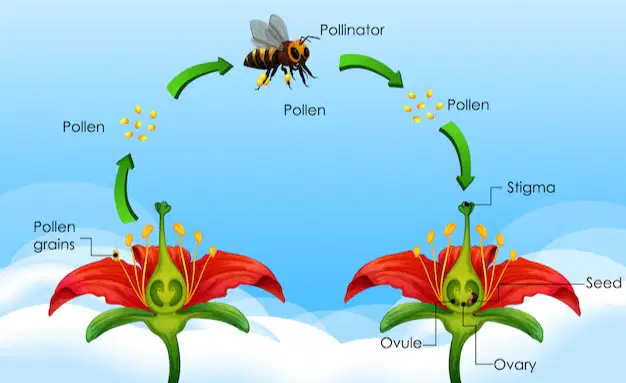
-the transfer of pollen from the male reproductive structures to the female structures of seed plants
pollination
(pahl*uh*NAY*shuhn)
organ system
(OHR*guhn SIS*tuhm)
organism
(OHR*guh*niz*uhm)
organelle
(ohr*guhn*EL)

-the mainly underground organ of vascular plants
protein
(PROH*teen)
respiratory system
(RES*per*uh*tohr*ee
SIS*tuhm)
root
(ROOT)
seed
(SEED)
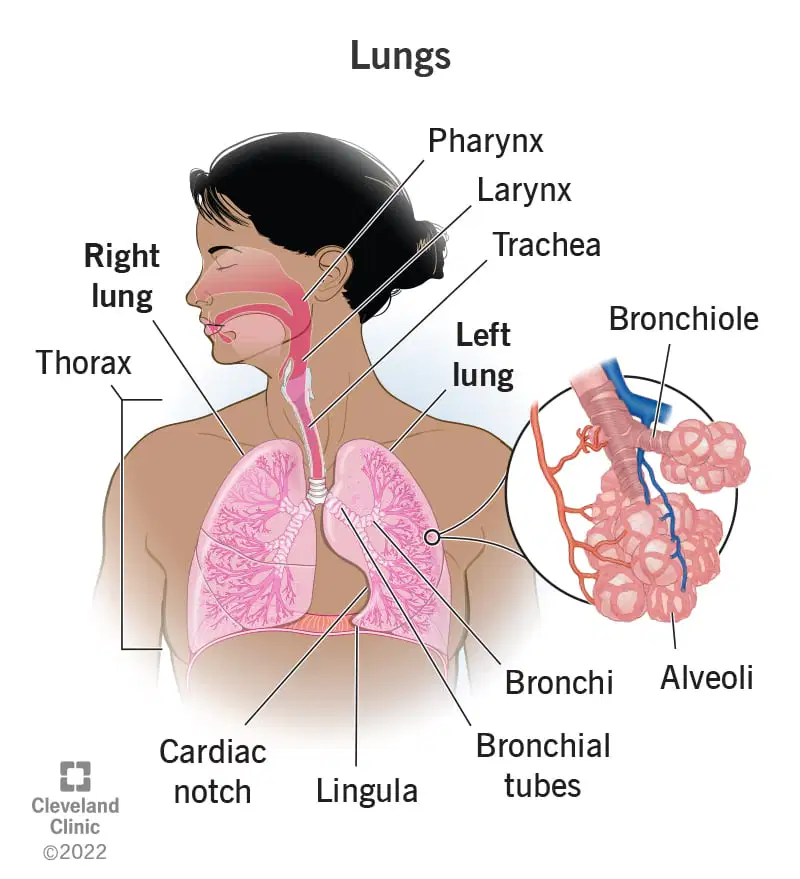
-a collection of organs whose primary function is to take in oxygen and expel carbon dioxide; the organs of this system include the lungs, the thoat, and the passageways that lead to the lungs
protein
(PROH*teen)
respiratory system
(RES*per*uh*tohr*ee
SIS*tuhm)
root
(ROOT)
seed
(SEED)

-a plant embryo that is enclosed in a protective coat
protein
(PROH*teen)
respiratory system
(RES*per*uh*tohr*ee
SIS*tuhm)
root
(ROOT)
seed
(SEED)

-a molecule that is made up of amino acids and that is needed to build and repair body structures and to regulate processes in the body
protein
(PROH*teen)
respiratory system
(RES*per*uh*tohr*ee
SIS*tuhm)
root
(ROOT)
seed
(SEED)
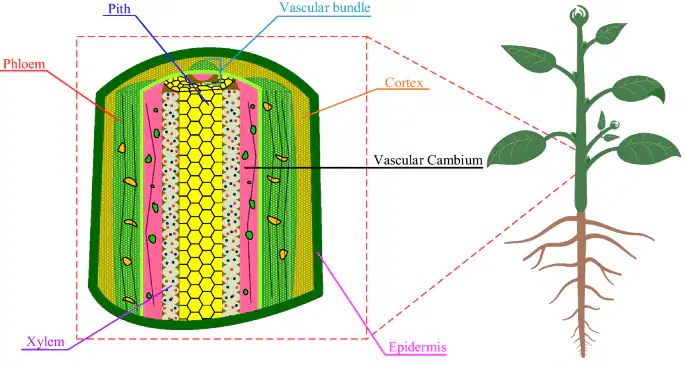
-a plant structure that provides support and transports nutrients
tissue
(TISH*oo)
stem
(STEM)
sexual reproduction
(SEK*shoo*uhl
ree*pruh*DUHK*shun)
sensory receptor
(SEN*suh*ree
rih*SEP*tuhr)
-a group of similar cells that perform a common function
tissue
(TISH*oo)
stem
(STEM)
sexual reproduction
(SEK*shoo*uhl
ree*pruh*DUHK*shun)
sensory receptor
(SEN*suh*ree
rih*SEP*tuhr)
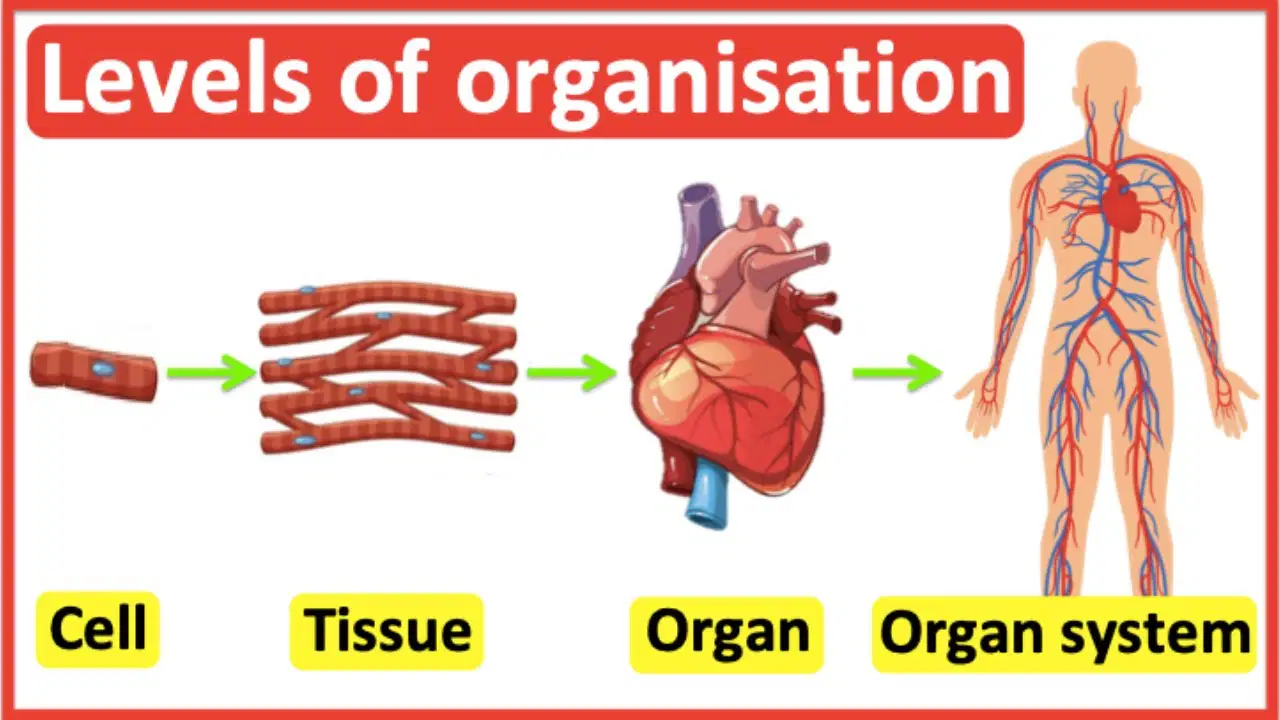
-a group of similar cells that perform a common function
tissue
(TISH*oo)
stem
(STEM)
sexual reproduction
(SEK*shoo*uhl
ree*pruh*DUHK*shun)
sensory receptor
(SEN*suh*ree
rih*SEP*tuhr)
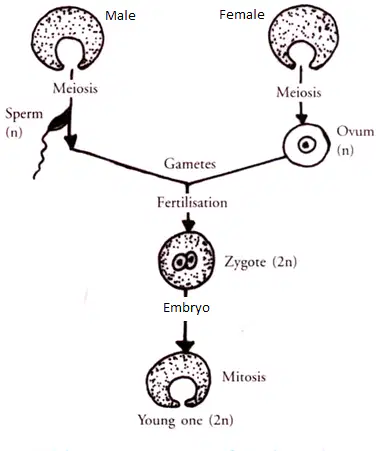
-reproduction in which sex cells from two parents unite to produce offspring that share traits from both parents
tissue
(TISH*oo)
stem
(STEM)
sexual reproduction
(SEK*shoo*uhl
ree*pruh*DUHK*shun)
sensory receptor
(SEN*suh*ree
rih*SEP*tuhr)
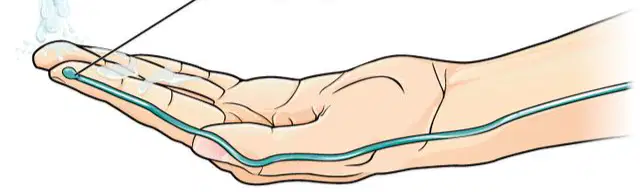
-a specialized structure that contains the ends of sensory neurons and that responds to specific types of stimuli
tissue
(TISH*oo)
stem
(STEM)
sexual reproduction
(SEK*shoo*uhl
ree*pruh*DUHK*shun)
sensory receptor
(SEN*suh*ree
rih*SEP*tuhr)
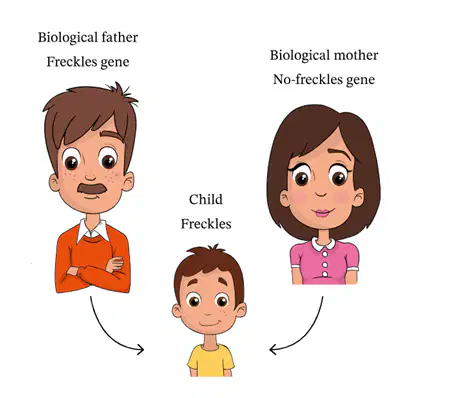
-a genetically determined characteristic
-unicellular organism
(yoo*nih*SEL*yuh*luhr
OHR*guh*niz*uhm)
multicellular organism
(muhl*tee*SEL*yuh*luhr
OHR*guh*niz*uhm)
organism
(OHR*guh*niz*uhm)
trait
(TRAYT)

-an organism that consists of a single cell
-unicellular organism
(yoo*nih*SEL*yuh*luhr
OHR*guh*niz*uhm)
multicellular organism
(muhl*tee*SEL*yuh*luhr
OHR*guh*niz*uhm)
organism
(OHR*guh*niz*uhm)
trait
(TRAYT)