
 Worksheets
WH Ch. 1 Lesson 2: The Byzantine Empire Quiz
Total questions: 12
Worksheet time: 11mins
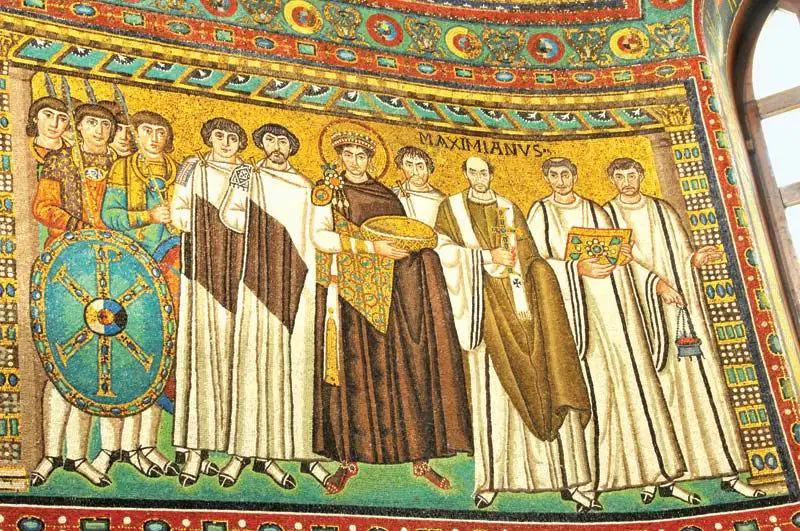
Match the following
Theodora
Legal scholar who worked to create a new code of laws, known as Justinian's Code
Tribonian
Emperor who provided his nephew with an excellent education, adopted him, and made him his chief adviser
Justin

The Byzantine Empire reached the height of its power
A. about 350 C.E.
B. around 150 C.E.
C. from 1000 to 1500 C.E.
D. in the 500's C.E.

The new capital of the Roman Empire was Constantinople, which was formerly the city of
A. Alexandria.
B. Byzantium.
C. Carthage.
D. Rome.

When it was first established, the city of Constantinople
A. resembled other cities in the Roman Empire.
B. showed a great influence by Greek culture.
C. was much like an Egyptian city.
D. displayed many Persian influences.
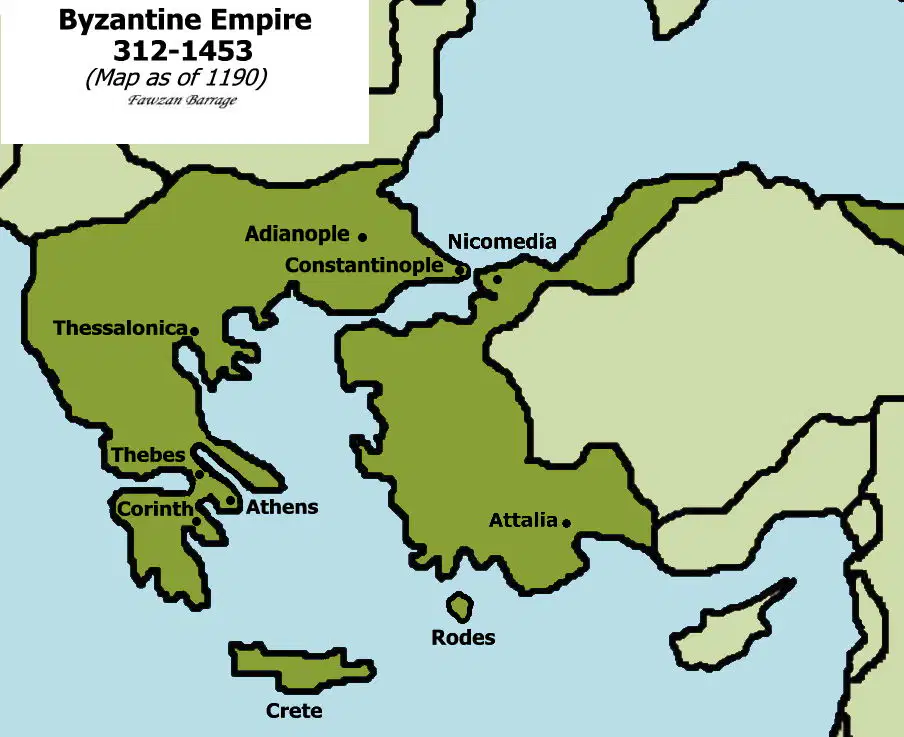
Why was Constantinople a strategic choice for the Byzantine capital?
A) It was rich in natural resources like gold and silver
B) Constantinople was a center of art and culture
C) It was in a location where many trade routes crossed, allowing control over trade, and was easy to defend against enemies
D) The city had a large population and abundant agricultural land
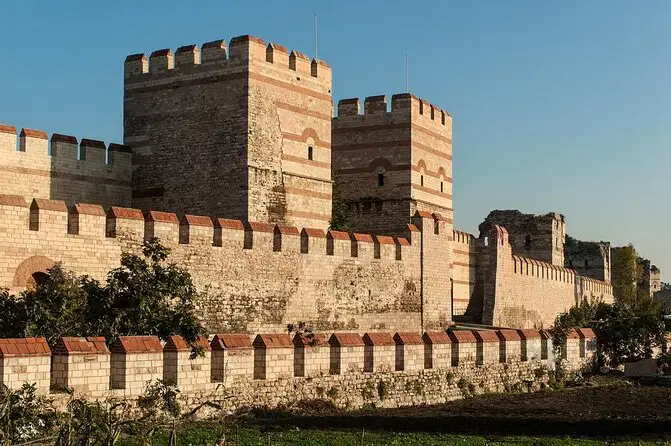
What were the Walls of Constantinople?
A) Ancient manuscripts containing Byzantine laws
B) Monuments dedicated to Byzantine emperors
C) Defensive fortifications protecting the Byzantine capital
D) Elaborate palaces housing Byzantine royaltyWalls of Constantinople
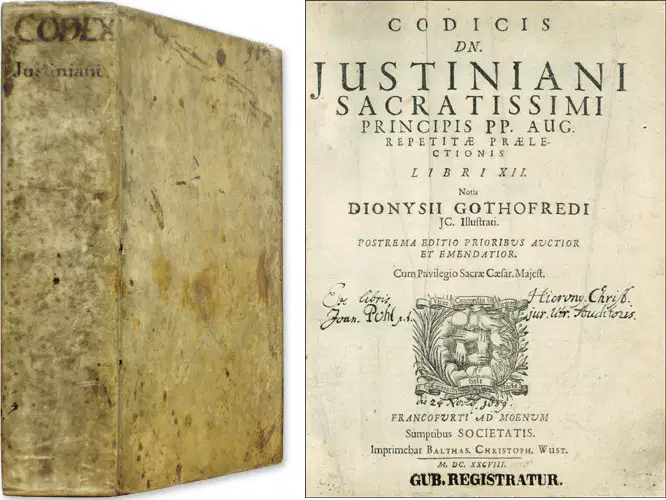
When Justinian became emperor, he realized that the empire’s laws were
A. disorganized and confusing.
B. not detailed enough.
C. outdated.
D. too limiting.
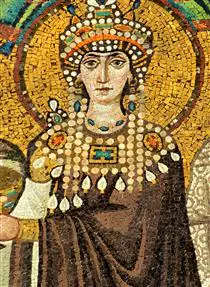
What were mosaics?
A) Large tapestries woven with intricate designs
B) Patterns or pictures made from small pieces of colored glass or stone
C) Elaborate sculptures depicting historical events
D) Paintings created using oil-based pigments on canvas

The Byzantine military conquered territories once part of the Roman Empire that included
A. Britain and Gaul.
B. China and India.
C. Egypt and Syria.
D. Italy, Spain, and Northern Africa.

How did the plague of the mid-500s impact the Byzantine Empire?
A) It led to economic prosperity and population growth
B) Many soldiers in Justinian's army died, causing a shortage of military forces
C) The Byzantine Empire became more powerful and expanded its territory
D) The plague had no significant effect on the Byzantine Empire's military strength
Constantine’s conversion to Christianity had a major impact on (a) . One of the key reasons was the (b) , which granted religious freedom to Christians and allowed them to (c) . According to the text, "After his conversion, he issued the Edict of Milan, (d) This greatly helped the spread of Christianity throughout the empire." This shows that by granting religious freedom, Constantine made it easier for Christians to practice their religion openly, which contributed to the (e) across the Roman Empire.
Constantine’s conversion to Christianity had a major impact on the spread of the religion. One of the key reasons was the Edict of Milan, which granted religious freedom to Christians and allowed them to worship without fear. According to the text, "After his conversion, he issued the Edict of Milan, allowing religious freedom. This greatly helped the spread of Christianity throughout the empire." This shows that by granting religious freedom, Constantine made it easier for Christians to practice their religion openly, which contributed to the rapid growth of Christianity across the Roman Empire.
What was one of the key impacts of Constantine's conversion to Christianity?
The Edict of Milan granted religious freedom to Christians.
Christianity became the official religion of the Roman Empire.
Constantine built many churches across the empire.
The persecution of Christians increased.
How did the Edict of Milan contribute to the spread of Christianity?
It allowed Christians to worship without fear.
It made Christianity the state religion.
It provided financial support to Christian communities.
It restricted other religions.
What was the significance of granting religious freedom to Christians in the Roman Empire?
It allowed for the rapid growth of Christianity.
It led to the decline of other religions.
It caused internal conflict within the empire.
It resulted in the immediate conversion of all Roman citizens to Christianity.

