
Font size
 Worksheets
Plankton
Total questions: 10
Worksheet time: 8mins

What does the name "plankton" mean?
tiny/microscopic
drifter/wanderer
photosynthetic
anaerobic

Which plankton are photosynthetic? Choose any/all that apply:
krill
cyanobacteria
diatoms
oyster larvae
Match the following terms to their definitions:
phytoplankton
photosynthetic drifters
zooplankton
drifting animals like jellies and larvae
holoplankton
meaning they remain plankton entire life
meroplankton
meaning temporarily in a plankton stage
macroplankton
large plankton up to 20 cm long
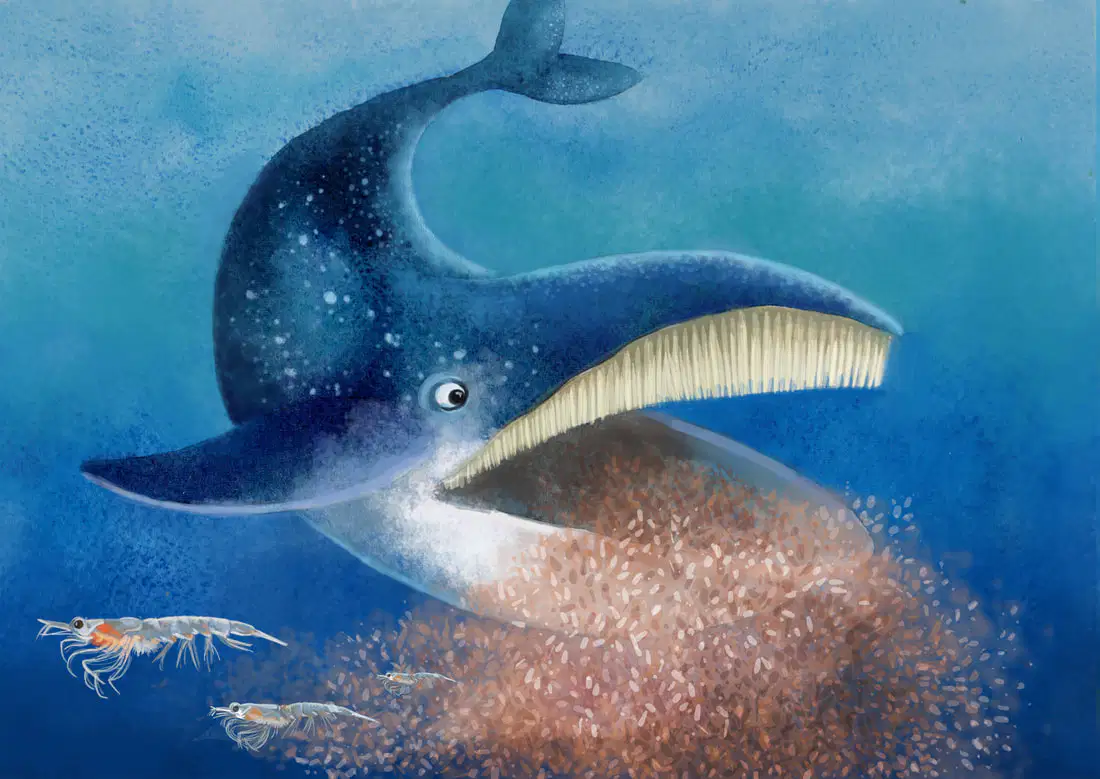
These are species of shrimp-like crustaceans that live in dense groups and are an important food source for many baleen whales.
coccolithophores
oyster larvae
krill
diatoms

Photosynthetic organisms in our oceans produce at least 50% of the oxygen we breath.
True
False
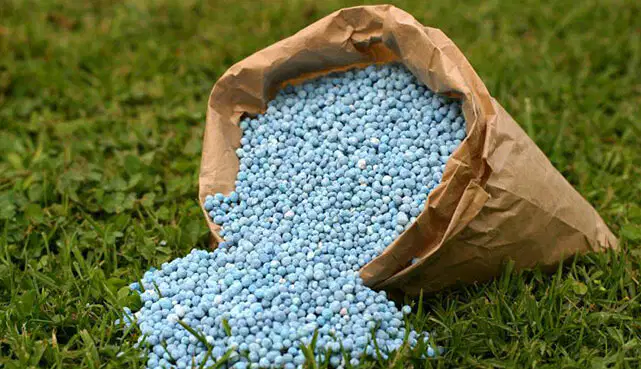
These are limiting nutrients and when added to water in the form of fertilizer they cause harmful algal blooms (HABs):
Hydrogen and oxygen
Nitrogen and phosphorus
Carbon and silicon
Calcium and sulfur
Match the following size categories of plankton:
Femtoplankton
Smallest plankton include marine viruses
Picoplankton
0.2-2 micrometers (μm)
Microplankton
20-200 micrometers (μm)
Macroplankton
Second largest:
2-20 cm
Megaplankton
Largest:
20-200 cm

Comb jellies (ctenophores) would be what type of plankton?
virioplankton
bacterioplankton
phytoplankton
zooplankton

Sargassum seaweed that grows longer than 20 cm would be what type of plankton? Choose all that apply:
phytoplankton
zooplankton
microplankton
megaplankton

Oyster larvae (spat) is only temporarily in a planktonic phase of its life cycle. What kind of plankton is this, choose all that apply:
phytoplankton
holoplankton
meroplankton
zooplankton

