
 Worksheets
Examen de la Unidad 1: Mucho Gusto
Total questions: 52
Worksheet time: 26hrs 0mins
¿Cómo se dice
What's your name?
en español?
¿Cómo te llamas?
¿Cómo se llamas?
¿Cómo se llama?
¿Cómo se dice?
¿Cómo se dice
See you tomorrow
en español?
Hasta luego
Adiós
Hasta mañana
Nos vemos
¿Cómo se dice
See you later
en español?
Buenas noches
Adiós
Hasta mañana
Nos vemos
¿Cómo se dice
His/Her name is...
en español?
Te llamas...
Me llamo...
Se llama...
Se llamas
¿Cómo se dice
How old are you?
en español?
¿De dónde eres?
¿Cuántos años tienen?
¿Cómo te llamas?
¿Cuántos años tienes?
¿Cómo se dice
Where are you (informal) from?
en español?
¿De dónde es?
¿De dónde eres?
¿Cómo te llamas?
¿Cuántos años tienes?

Which question would be the most appropriate to ask a teacher:
" How are you? "
¿Cómo estás?
¿Cómo está usted?
¿Cómo te llamas?
¿Cómo se llama usted?

Fill in the blank in the conversation with the most appropriate response:
Olivia: ¡Hola! ¿Te conozco?
Juan: Hola, me llamo Juan.
Olivia: Mucho gusto.
Juan: ___________
Aburrido
Igualmente
Se llama María.
Tengo hambre.

Fill in the blank in the conversation with the most appropriate response:
Óscar: ¡Hola, Carla! ¿Cómo estás?
Carla: Estoy cansada. _________
Óscar: Estoy contento y emocionado. Gracias.
Me llamo Carla.
¿Cómo te llamas?
¿Y tú?
Tengo diez años.
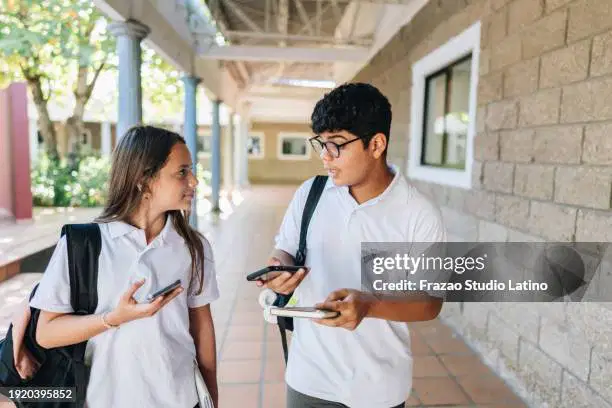
Fill in the blank in the conversation with the most appropriate response:
María: Buenos días. ¿Cómo te llamas?
Manuel: Me llamo Manuel. ¿Y tú?
María: Me llamo María. __________
Manuel: Soy de Cuba.
¿De dónde eres?
¿Cómo te llamas?
¿Qué tal?
¿Cuántos años tienes?

Fill in the blank in the conversation with the most appropriate response:
Estéban: Hola, Yulisa. ¿Qué tal?
Yulisa: ¡Hola! Estoy bien. Gracias.
Estéban: _____________
Yulisa: Sí. Mi número es 123-456-7890.
¿De dónde eres?
¿Cuántos años tienes?
¿Me das tu número?
¿Cuándo es tu cumpleaños?
Match the greeting with its corresponding picture.

Buenos días

Buenas tardes

Buenas noches
¿Cómo se dice
How is it spelled?
en español?
¿Cuántos años tienes?
¿Cómo se dice?
¿Cómo se escribe?
¿Cómo te llamas?
¿Cómo se dice
We (feminine)
en español?
Ellas
Nosotras
Ella
Nosotros
¿Cómo se dice
They (masculine)
en español?
(a)
¿Cómo se dice
She
en español?
(a)
¿Cómo se dice
You (formal)
en español?
(a)
¿Cómo se dice
i
en español?
(.. as in the pronoun, not the letter.)
(a)
¿Cómo se dice
to be
en español?
(a)
¿Cómo se dice
to have
en español?
(a)
¿Cómo se dice
Nice to meet you
en español?
(a)

Use the emoji to help you answer the following question.
¿Cómo estás?
Estoy enojado.
Estoy emocionado.
Estoy enérgico.
Estoy cansado.
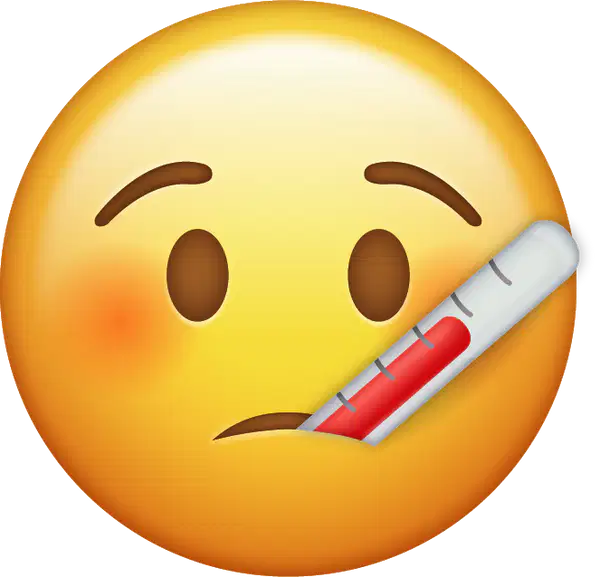
Use the emoji to help you answer the following question.
¿Cómo estás?
Estoy enfermo.
Estoy cansado.
Estoy tranquilo.
Estoy contento.

Use the emoji to help you answer the following question.
¿Cómo estás?
Estoy felíz.
Estoy triste.
Estoy enojado.
Estoy cansado.
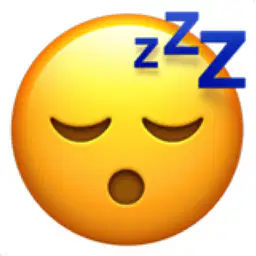
Use the emoji to help you answer the following question.
¿Cómo estás?
Estoy cansado.
Estoy triste.
Estoy enojado.
Estoy felíz.

Use the emoji to help you answer the following question.
¿Cómo estás?
Tengo hambre.
Tengo miedo.
Tengo sed.
Estoy hambre.
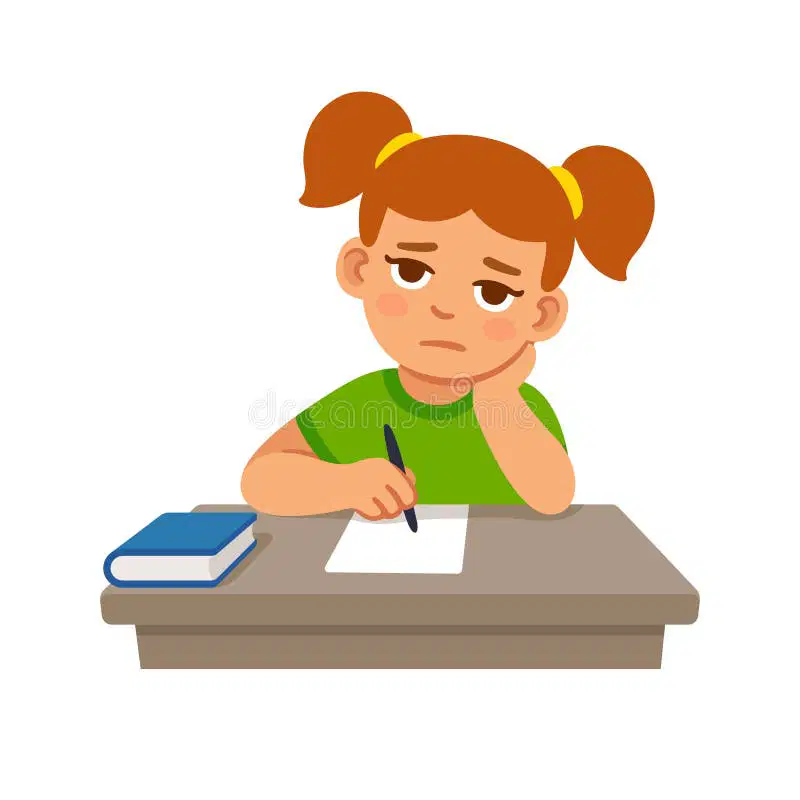
Use the picture to help you answer the following question.
¿Cómo estás?
Estoy aburrida
Estoy felíz
Estoy emocionada
Estoy enérgica
Match the emotions to their corresponding emojis...
¿Cómo estas?

bien

regular

mal

alegre

triste
Conjugate el verbo "ser" for all the pronouns below.
Match the pronouns to the proper conjugation.
soy
eres
Él/Ella/Usted
es
Nosotros/ Nosotras
somos
Ustedes/Ellos/
Ellas
son
Conjugate el verbo "tener" for all the pronouns below.
Match the pronouns to the proper conjugation.
tengo
tienes
Él/Ella/Usted
tiene
Nosotros/ Nosotras
tenemos
Ustedes/Ellos/
Ellas
tienen
Escribe en español.
"I am from Ohio."
(a) (b) de Ohio
Escribe en español.
"You (inf) are from México."
(a) (b) de México.
Escribe en español.
"You (formal) are from Bolivia."
(a) (b) de Bolivia.
Escribe en español.
"She is from Colombia."
(a) (b) de Colombia.
Escribe en español.
"We (masculine) are from Spain."
(a) (b) de España.
Escribe en español.
"You all are from Honduras."
(a) (b) de Honduras.
Escribe en español.
"They (f) are from Chile."
(a) (b) de Chile.
Escribe en español.
"He is forty years old."
(a) (b) cuarenta años.
Escribe en español.
"I am sixty years old."
(a) (b) sesenta años.
Escribe en español.
"You (informal) are twenty five years old."
(a) (b) veinticinco años.
Escribe en español.
"They (feminine) are thirty years old."
(a) (b) treinta años.
Escribe en español.
"We (masculine) are twenty years old."
(a) (b) veinte años.
Escribe en español.
"You all are ninety years old."
(a) (b) noventa años.
Escucha. Then, pick the option that best completes the conversation for the GREEN line below.
Tú: (Audio)
Felipe: ------------
Tú: Mucho gusto, Juan.
Mi amigo es de México.
Mi amigo se llama Juan Carlos.
Me llamo Juan Carlos.
Se llamas Juan Carlos.
Escucha. Then, pick the option that best completes the conversation for the GREEN line below.
Tú: (Audio)
María: -------------
Tú: Interesante. Gracias.
Son de Cuba.
Soy de Guatemala
Mi papá es de Guatemala.
Mi papá se llama Roberto.
Escucha. Then, pick the option that best completes the conversation for the GREEN line below.
Tú: (Audio)
Camila: ------------
Tú: Hasta luego.
Estoy bien.
Tengo 14 años.
Soy de Ohio.
Igualmente.
Escucha. Then, pick the option that best completes the conversation for the GREEN line below.
Guadalupe: (Audio)
Tú: --------------
Guadalupe: G-U-A-D-A-L-U-P-E.
¿Cómo se escribe Guadalupe?
¿Cuántos años tienes?
¿Cómo te llamas?
¿Cómo estás hoy?
Escucha. Then, pick the option that best completes the conversation for the GREEN line below.
Dr. José: (Audio)
Tú: ----------------
Dr. José: Soy de Florida.
¿Cómo se escribe Dr. José?
¿De dónde es usted?
¿Cómo se llama usted?
¿Cómo está usted?
Answer the following question:
¿Cómo te llamas?
Answer the following question:
¿De dónde eres?
Answer the following question, in a COMPLETE sentence:
¿Cuántos años tienes?
Answer the following question, in a COMPLETE sentence:
¿Cómo estás hoy?

