
NEW
Font size
 Worksheets
World History II - Unit 4: Age of Absolutism
Total questions: 60
Worksheet time: 30mins

Who discovered bacteria, which proved that they caused infectious diseases, and developed the pasteurization process?
Louis Pasteur
William Harvey
Edward Jenner
Nicolaus Copernicus

Who developed a smallpox vaccine?
Edward Jenner
William Harvey
Nicolaus Copernicus
Galileo

Who discovered the circulation of blood through the body and that it originated in the heart?
William Harvey
Sir Thomas Moore
Galileo
Nicolaus Copernicus

Who forced Galileo to recant his views on the universe and kept him under house arrest for the rest of his life?
Catholic Church
Protestant Church
Spanish Armada
Sea Dogs

Who invented the thermometer, pendulum clock, and made improvements to the telescope?
Galileo
Newton
Kepler
Copernicus

Who invented calculus and formulated the laws of motion and the law of gravity?
Newton
Copernicus
Bacon
Kepler

Who proved that planets move in an elliptical orbit around the sun?
Kepler
Copernicus
Newton
Bacon

Who came up with the Heliocentric Theory, which stated that the sun is the center of the universe?
Nicolaus Copernicus
Isaac Newton
Bacon
Galileo

What subject played a fundamental role in scientific achievements during this time period?
Mathematics
English
History
PE
What was the name of the 1600s movement which used new technologies combined with innovative approaches to seek knowledge ultimately leading to a breakthrough in Western thought?
Scientific Revolution
Industrial Revolution
Renaissance
Reformation
What were some changes in technology that came as a result of the Enlightenment Period?
All-weather roads
New designs in farming tools
Improvements in ship design
All of the above
What new form of literature developed during the Enlightenment Period?
Novels
Poems
Sonnets
Movies

Which French philosopher wrote over 100 volumes promoting tolerance, peace, liberty, and artistic expression?
Voltaire
Hobbes
Locke
Montesquieu
What was the philosophical view which emphasized the use of reason over faith called?
Rationalism
Realism
Processionism
Democracy
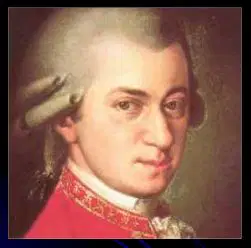
He was born in Austria, started writing music at age 5, but is best known for his operas, symphonies, and string quartets?
Wolfgang Amadeus Mozart
Johann Sebastian Bach
John Locke
Thomas Hobbes
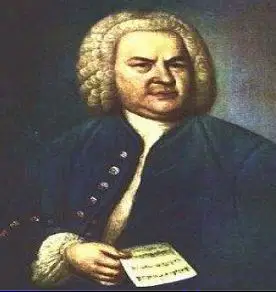
German composer who wrote over 1000 pieces of music during the Baroque Period?
Johann Sebastian Bach
Thomas Jefferson
Mozart
Thomas Hobbes

Which Enlightenment thinker from France argued for "religious tolerance" which later led to the "separation of church and state"?
Voltaire
Montesquieu
John Locke
Thomas Hobbes
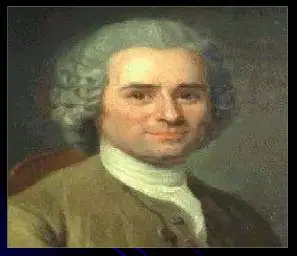
Which Enlightenment thinker wrote "Social Contract" in 1762 which states that government is necessary but it should exist to protect the common good?
Jean-Jacques Rousseau
John Locke
Thomas Hobbes
Montesquieu

The Enlightenment period influenced the writing of what document?
Declaration of Independence
The Bible
Magna Carta
Mayflower Compact

Which Enlightenment thinker wrote, "The Spirit of Laws" in 1748 which argued that the power of government must have a separation of powers?
Montesquieu
John Locke
Thomas Hobbes
Thomas Jefferson
What are the main natural rights guaranteed to all humans?
Life
Liberty
Property
All of the above

Enlightenment thinker who wrote "Two Treaties of Government" in 1690 arguing that men are good and reasonable by nature and have the natural rights?
John Locke
Thomas Hobbes
Voltaire
Montesquieu

Enlightenment thinker who wrote "Leviathan" in 1651, in which he argued that all men are evil by nature and out for themselves.
Thomas Hobbes
John Locke
Voltaire
Thomas Jeffereson
Which European country became the center of the "The Enlightenment" period?
France
Germany
England
Italy
What two name applications allowed humans to achieve "enlightenment" during this time period?
Reason and scientific method
Renaissance and reformation
Philosophy and execution
Absolutism and individualism
What is another name for The Enlightenment?
Age of Reason
The Renaissance
The Reformation
Scientific Revolution
Divine Right was a political theory that a ruler derives his power directly from God?
True
False
Elizabeth I's son succeeded the throne upon her death?
True
False
The Age of Absolutism takes its name from a series of European monarchs who increased the power of the central government?
True
False
Another name for a Russian king was ...........................
Emperor
Caesar
Ayatollah
Czar
The Edict of Nantes granted freedom of worship to ...................................
Huguenots
Calvinists
Catholics
Baptists
As a result of the defeat of the Spanish Armada...................................
Spain's industry and agriculture flourished
Protestant rebellions ended
Spain declined as a European power
Spain's treasury was refilled and the country prospered

Which country did Peter the Great rule?
1
2
3
4
The belief monarchs receive their authority from God and are answerable only to God is known as .................................
Papal Authority
Protestantism
Divine Right
Calvinism
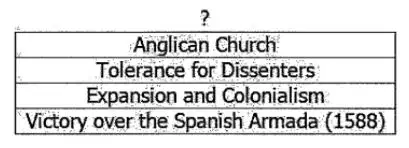
Which person would best complete the table?
Henry VIII
Cardinal Richelieu
Louis XIV
Elizabeth I

Which concept is best described or defined by this list?
Democracy
Theocracy
Oligarchy
Absolute Monarchy
Which groups did Queen Elizabeth I bring together to form the modern Church of England?
Catholics and Protestants
Monarchists and Puritans
Jesuits and Calvinists
Lutherans and Catholics
Which monarch tried to remake his country in the image of England and other western European countries during the Age of Absolutism?
Louis XIV
Philip II
Charles I
Peter the Great
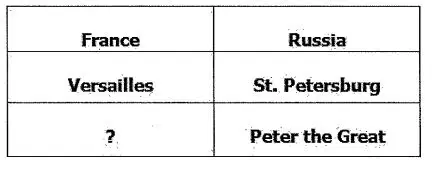
Who best completes this table?
Henry VIII
Louis XIV
Charles I
Napoleon Bonaparte
Which country used St. Petersburg as its capital during the Age of Absolutism?
Spain
France
England
Russia
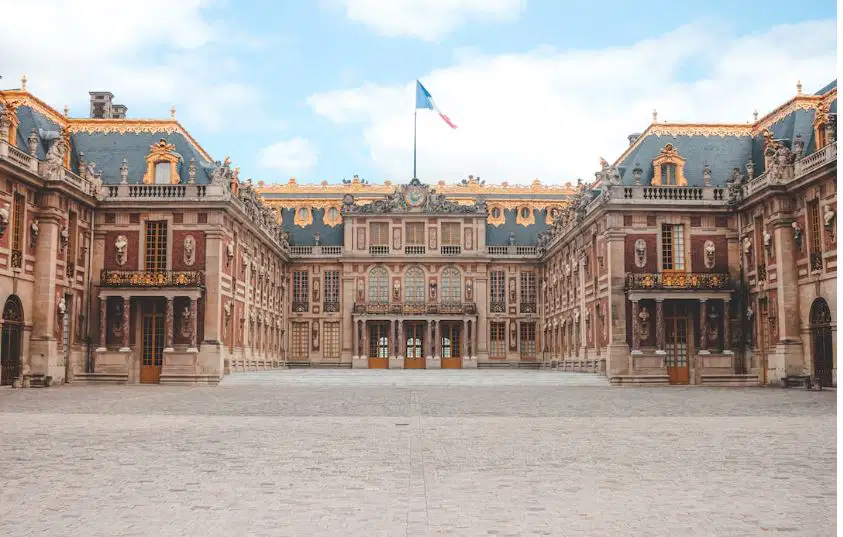
This French palace is called the .................................
Buckingham Palace
Palace of Versailles
Royal Palace of Turin
White House

What Russian city is considered the "Window to the West"?
St. Petersburg
Moscow
London
Paris
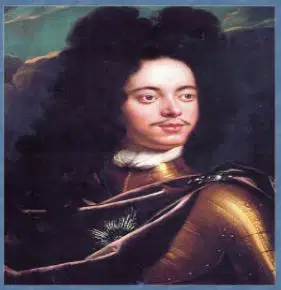
What Russian ruler tried to model Russia after European culture?
Peter the Great
Catherine the Great
Louis XIV
Elizabeth I
What is the name of the "Absolute Ruler" of Russia?
Czar
Caesar
King
Queen
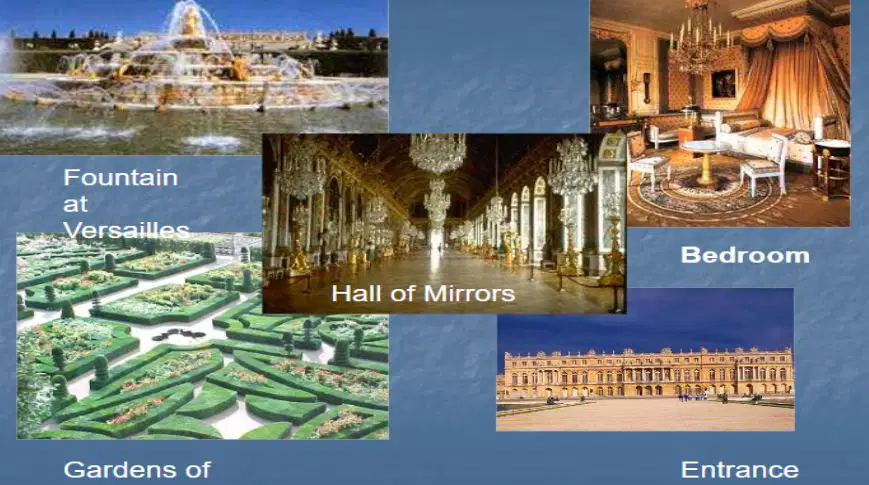
What was the name of the home of Louis XIV of France?
Palace of Versailles
Eiffel Tower
Tower of London
The Louvre
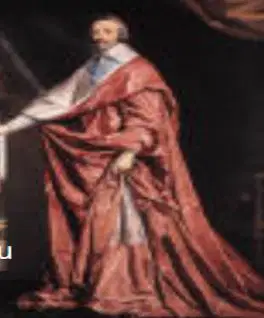
Who was Chief Minister and ruled France until Louis XIV was old enough?
Cardinal Richelieu
Cardinal Mazaran
Elizabeth I
Philip II
How long did Louis XIV rule?
72 years
4 years
35 years
50 years
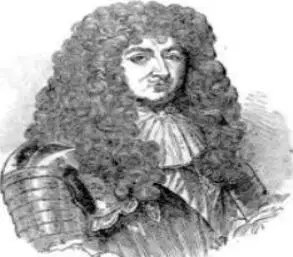
Who was the most famous French Absolute ruler?
Louis XIV
Napoleon
Philip II
Elizabeth I

Who was Queen Elizabeth's most famous "Sea Dog" whose job was to attack and rob the Spanish and French ships?
Sir Francis Drake
Sir Walter Raleigh
Sir Isaac Newton
Prince Henry the Navigator

What was the name given to Elizabeth's navy?
Sea dogs
Spanish Armada
Queen's navy
Queen's battlegroup
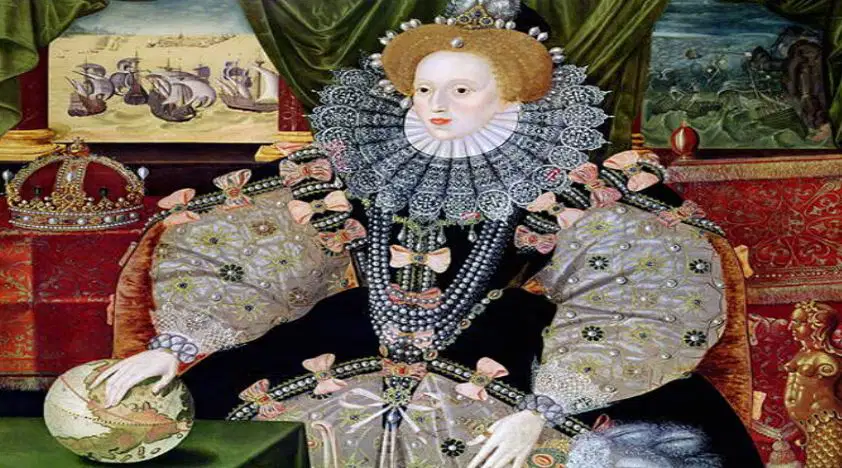
Who ruled England and tried to end all disputes between Catholics and Protestants?
Elizabeth I
Mary I
Catherine the Great
Catherine of Aragon
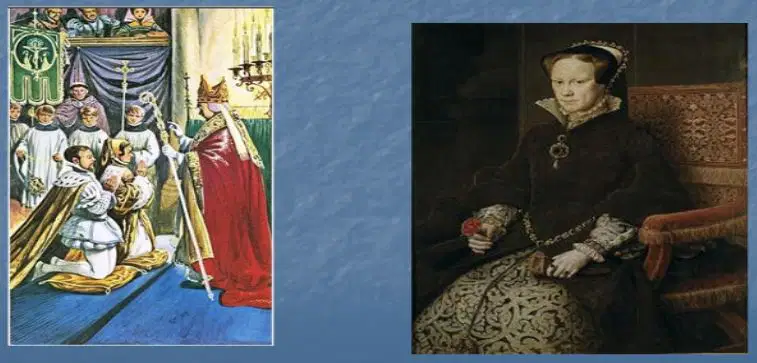
Who did Philip II marry in order to stop the spread of Protestantism?
Mary I
Elizabeth I
Elizabeth II
Catherine the Great
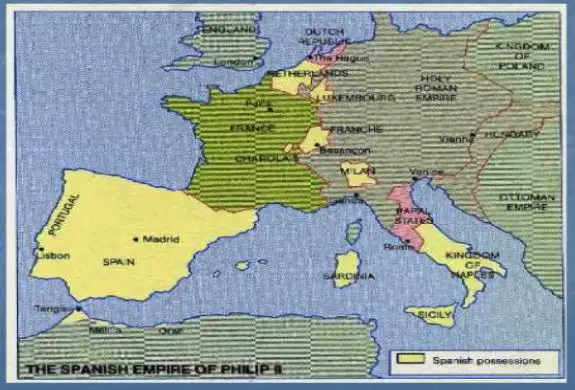
What religion was the predominate religion of the Spanish Empire?
Catholicism
Protestantism
Lutheran
Calvinism
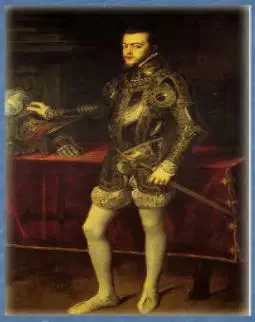
Who was the "Absolute Ruler" of Spain?
Philip II
Elizabeth I
Mary I
Peter the Great
What is another name for an "Absolute Ruler"?
Dictactor
President
Prime Minister
Cardinal

What belief is supported by the statement above?
Divine Right
Reformation
Renaissance
Hierarchy
What does it mean to have "Absolute Rule"?
System in which a ruler holds total power
The Catholic Church has total power
The Protestant Church has total power
The people hold total power
What was the official religion of France during the Age of Absolutism?
Catholic
Protestant
Lutheran
Calvinism
What was the name of the French Protestants?
Huguenots
Calvinists
Catholics
Baptists
Why was Europe in a period of CRISIS?
Religious wars
Economic factors
Social factors
All of the above

