
 Worksheets
MYP - 2, Unit - 1, Unit reflection with Ms. Zee
Total questions: 26
Worksheet time: 13mins

Which of the following best defines a narrative short story?
A lengthy tale with complex plotlines and multiple characters.
A brief work of fiction that focuses on a single plot, character, or theme.
A non-fictional account of real events and people.
A poetic composition that tells a story through verses.
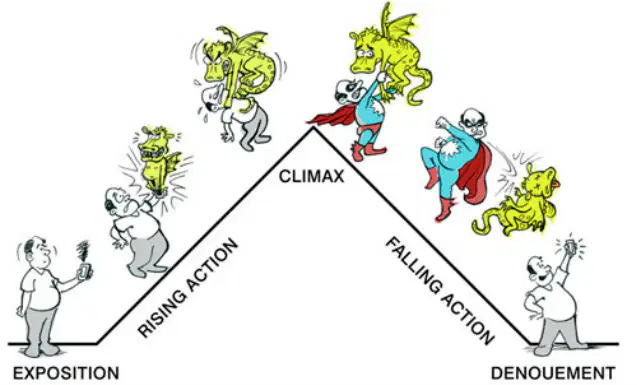
What element of a short story refers to the sequence of events and actions that make up the story?
Setting
Plot
Theme
Characterization

Which type of character undergoes significant changes throughout the story, often learning a lesson or experiencing personal growth?
Dynamic character
Round character
Flat character
Static character

What literary technique is used to develop a character by revealing their traits, emotions, and motivations?
Plot twist
Foreshadowing
Characterization
Symbolism
What distinguishes poetry from other forms of literature?
The use of rhythm, rhyme, and figurative language.
The length of the text.
The complexity of the plot.
The number of characters involved.
Which element of poetry refers to the central message or insight about life that the poem conveys?
Meter
Theme
Stanza
Alliteration
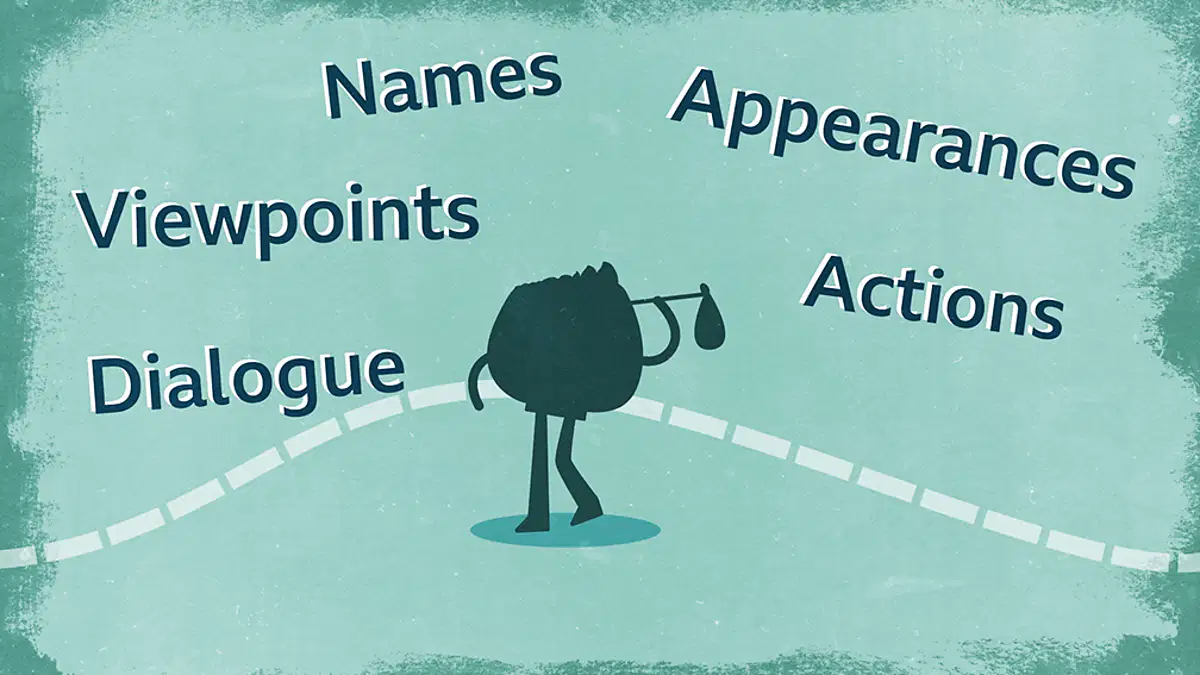
Which literary technique is used to develop a character by revealing their traits, emotions, and motivations?
Plot twist
Foreshadowing
Characterization
Symbolism
Which poetic device involves the repetition of consonant sounds at the beginning of words in a line of poetry?
Alliteration
Repetition
Consonance
Assonance

What is the theme of a literary work?
The main idea or underlying meaning that the author wants to convey.
The primary conflict faced by the characters.
The sequence of events in the story.
The physical and social environment in which the story takes place.
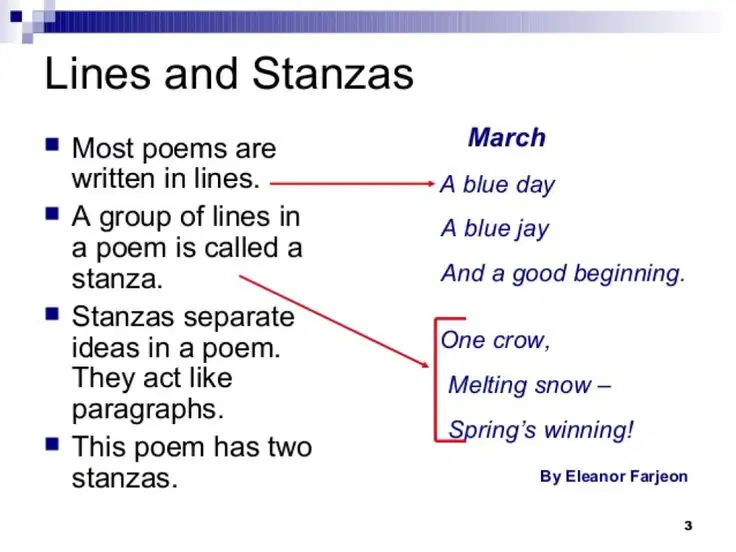
In poetry, what is a stanza?
A type of figurative language.
A group of lines forming the basic recurring metrical unit in a poem.
A specific type of rhyme scheme.
A poetic device used to create rhythm.

What is a key difference between a story and a poem?
Poems have a plot, while stories focus on themes.
Stories use figurative language, while poems rely on straightforward language.
Poems have a specific structure and use poetic devices, while stories are prose narratives.
Stories are always fictional, while poems can be either fictional or non-fictional.
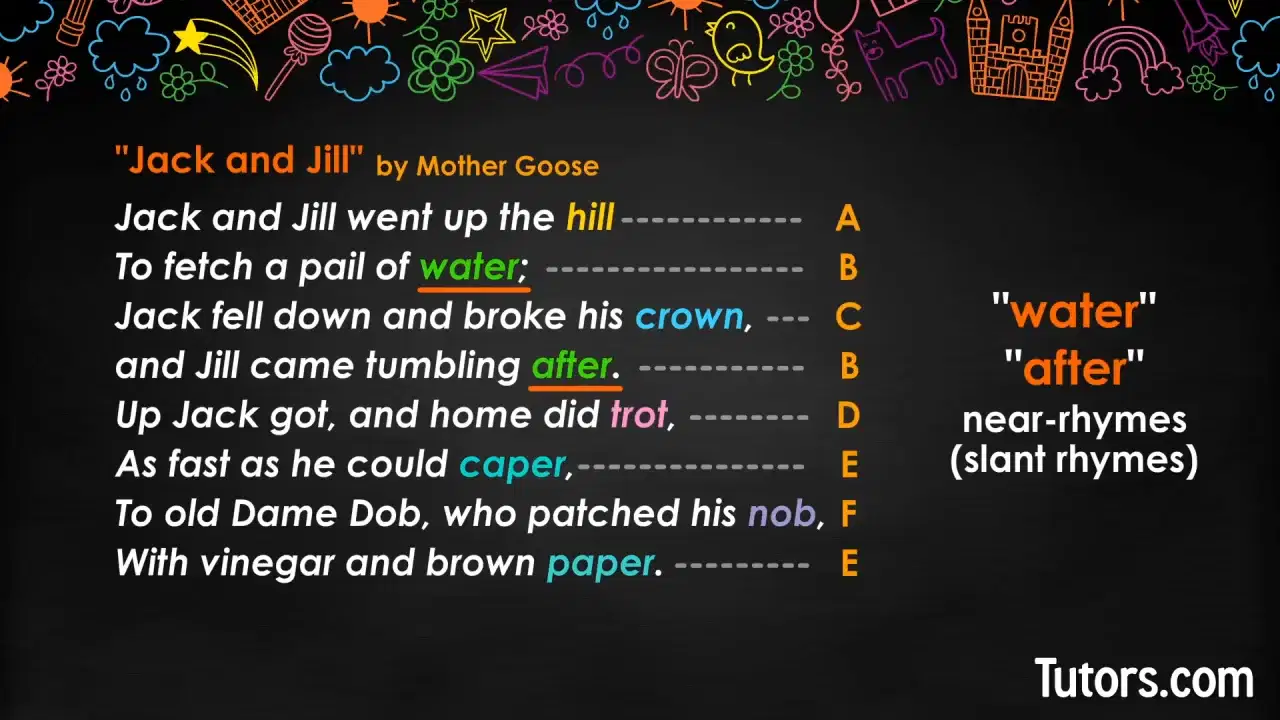
What does the term "rhyme scheme" in poetry refer to?
The pattern of rhyming words at the end of lines in a poem.
The rhythm and flow of the poem.
The use of repetition and alliteration in a poem.
The number of stanzas in a poem.

In poetry, what does rhythm refer to?
The pattern of stressed and unstressed syllables in a line of poetry.
The emotional tone of the poem.
The use of figurative language.
The sequence of events in the poem.

What is end rhyme in poetry?
Rhyming words that appear at the end of two or more lines in a poem.
Rhyming words that appear in the middle of a line in a poem.
Words that sound similar but do not actually rhyme.
Rhyming words that appear only in the last line of a poem.
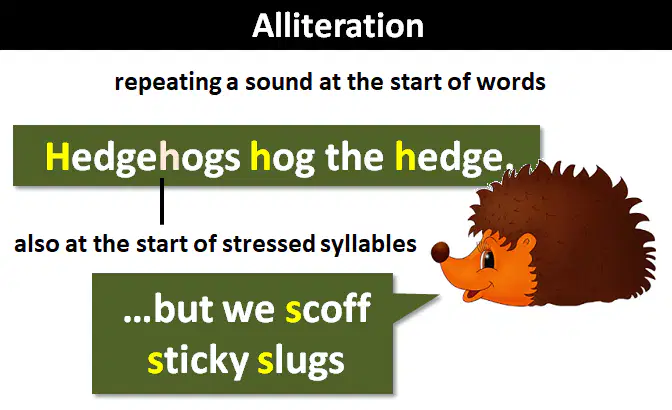
Which of the following lines demonstrates the use of alliteration?
"The sun sank slowly behind the hills."
"The wind whispered through the willow trees."
"Her heart was a lonely hunter."
"Time flies when you're having fun."
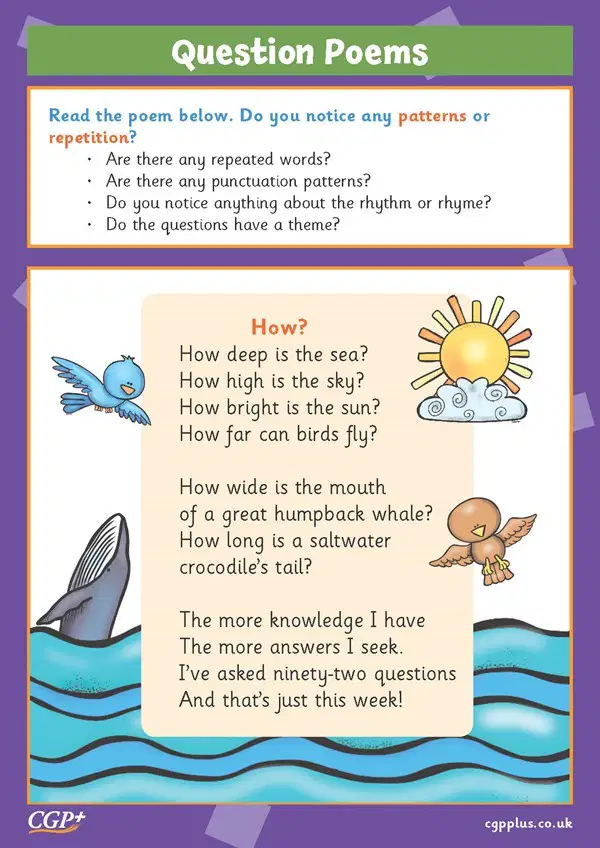
What is the primary purpose of repetition in poetry?
To create a musical quality and enhance rhythm. and to reiterate the subject of the poem
To convey complex themes and ideas.
To introduce new characters and settings.
To establish a clear chronological sequence.

Which of the following phrases contains consonance?
"Pitter-patter of little feet."
"Swift and silent as a shadow."
"Beneath the moonlit sky."
"Whispering willows weep."
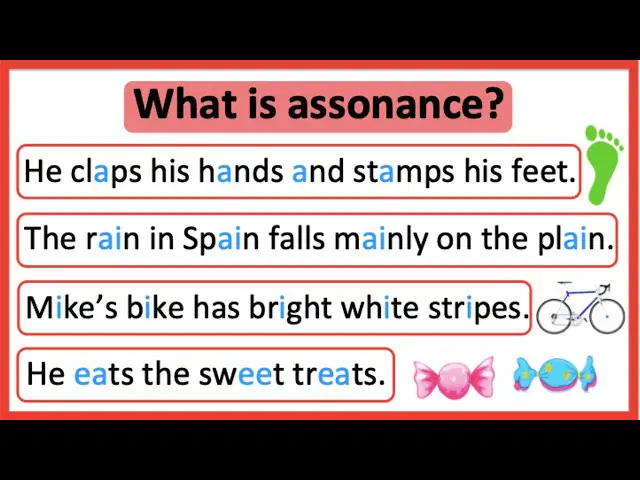
What is assonance in poetry?
The repetition of similar vowel sounds within words in close proximity.
The repetition of consonant sounds at the beginning of words in a line.
The use of contrasting ideas in adjacent phrases.
The repetition of entire lines or phrases for emphasis.
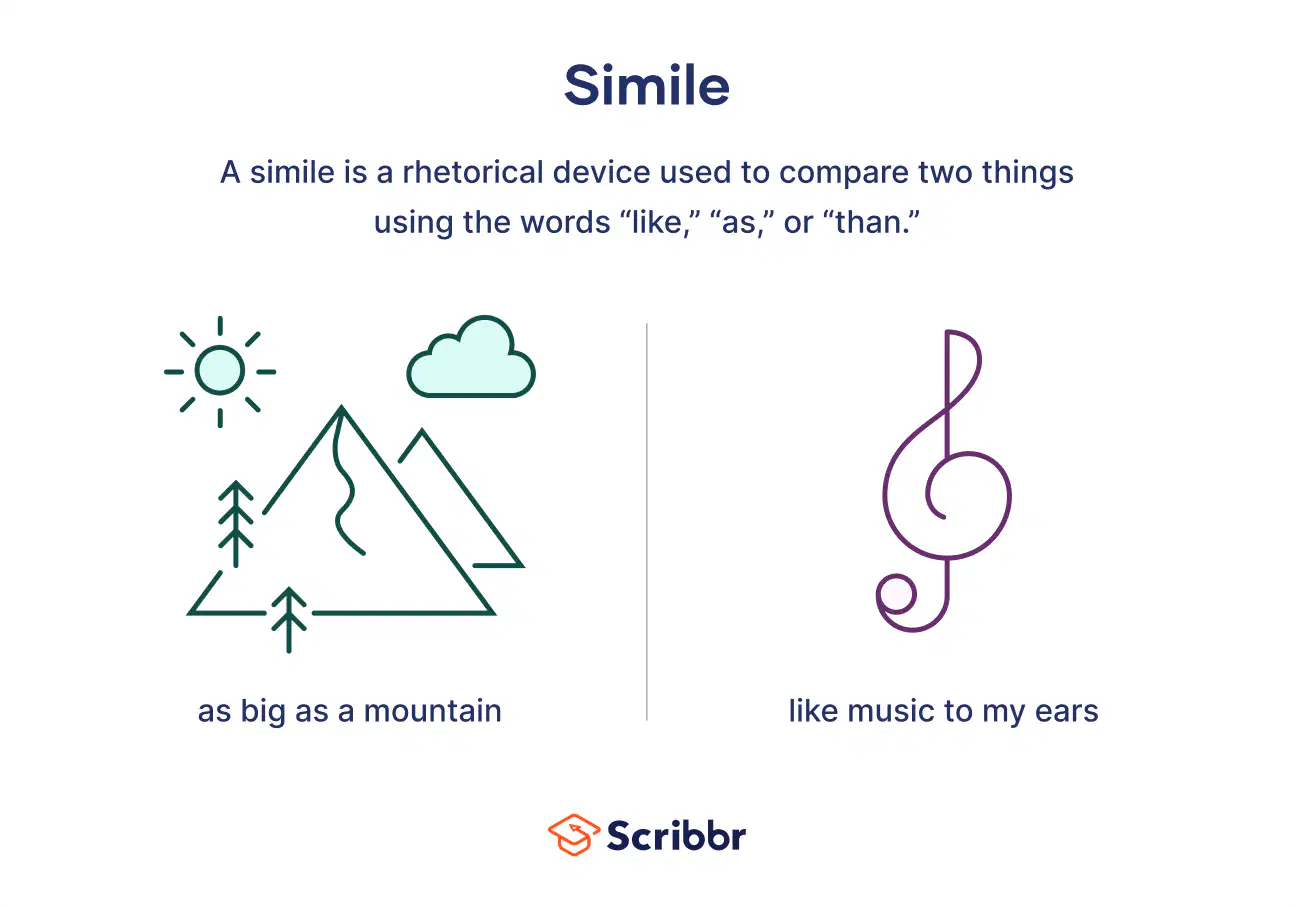
Which of the following sentences contains a simile?
"The stars blinked like diamonds in the night sky."
"The moonlight danced on the surface of the lake."
"The wind howled through the empty streets."
"The raindrops tapped gently on the window pane."
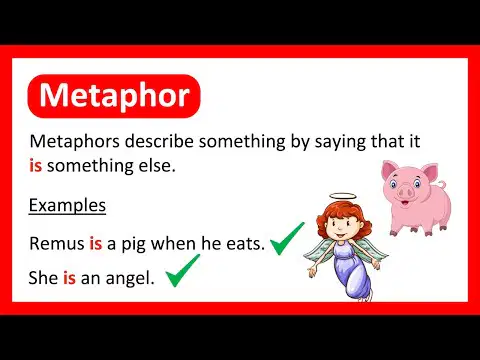
What does a metaphor directly compare two unlike things to convey a specific meaning?
A word that imitates the sound it represents.
A figure of speech that uses "like" or "as" to compare two different things.
A comparison between two unlike things, stating that one is the other.
A poetic device that repeats similar consonant sounds at the beginning of words.

Which of the following sentences uses personification?
"The ocean waves roared with anger."
"The sun set behind the mountains gracefully."
"The flowers swayed gently in the breeze."
"The book opened its pages and beckoned the reader inside."
What is the purpose of a metaphor in poetry?
To create a visual image in the reader's mind.
To convey complex themes and ideas.
To establish a clear chronological sequence.
To introduce new characters and settings.
What is the definition of alliteration in poetry?
The repetition of similar vowel sounds within words in close proximity.
The repetition of consonant sounds at the beginning of words in a line.
The use of contrasting ideas in adjacent phrases.
The repetition of entire lines or phrases for emphasis.
Which type of character remains unchanged throughout the story?
Dynamic character
Round character
Flat character
Static character
What is the purpose of imagery in poetry?
To create a visual image in the reader's mind.
To convey complex themes and ideas.
To establish a clear chronological sequence.
To introduce new characters and settings.
What is the definition of onomatopoeia in poetry?
A word that imitates the sound it represents.
A figure of speech that uses "like" or "as" to compare two different things.
A comparison between two unlike things, stating that one is the other.
A poetic device that repeats similar consonant sounds at the beginning of words.

