
 Worksheets
Weather and Climate Review
Total questions: 100
Worksheet time: 2hrs 40mins
Miami has the following weather conditions:
temperature from 50-80 degrees
current temperature 76 degrees
wind speed and direction 4 mph NW
air pressure High
Humidity 10%
What is the current weather of Miami?
cold, dry and cloudy
warm and rainy
cold and snowy
warm and sunny with few clouds
What season is it if it is sleeting outside?
Winter, because ice will only form when it is very cold outside.
Summer, because the ice is very small and must have melted.
Winter, because sleet is made from snow, which forms when it is cold.
Summer, because hail is made from particles carries by warm air.
Why are most swamps humid, but most mountains are NOT?
Mountains are drier, because tall trees block rainfall.
Mountain are drier, because they are higher in elevation.
Mountains are drier, because soil retains warmth from the Sun.
Mountains are drier, because they are taller than their surroundings.
Which statement best describes the the temperature differences between water and land?
The water is cooler than the land around it because the sun warms land more than it does water.
The water is warmer than the land around it because the sun warms water more than it does the land.
The water is warmer than the land around it because the water holds warmth from the sun longer than the land.
The water is cooler than the land around it because the land holds warmth longer than it does water.
Which of the following is the most likely reason for the differences you feel in air coming from water or land?
Wind coming from the ocean is hot and dry, and wind coming from inland is cold and wet.
Wind coming from the ocean is cold and dry, and wind coming from inland is cold and wet.
Wind coming from the ocean is hot and dry, and wind coming from inland is hot and humid.
Wind coming from the ocean is hot and humid, and wind coming from inland is hot and dry.
Which type of climate is known for always being very cold and dry?
polar
temperate
tropical
valley
One afternoon Jerry looks out the window and observes falling precipitation. The temperature is 22°C (72°F,) and the wind speed is 5 kilometers (3 miles) per hour to the north. What type of precipitation does Jerry most likely observe?
hail
rain
sleet
snow
Which conditions are most likely to produce precipitation that falls to the ground as hail?
Moderate temperatures, overcast, with no wind
Cooling temperatures, high clouds, with strong winds
Cold temperatures, mostly cloudy, with mild wind
Hot temperatures, partly cloudy, with occasional wind
Which description best represents a rainforest located in the tropics?
low average rainfall and high daytime temperatures
high average rainfall and high average temperatures
high average rainfall and moderate daily temperatures
low average rainfall and moderate daily temperatures
Being close to the ocean affects the climate of coastal areas. Which of the following best describes coastal climates?
Coastal climates have mild winters and mild summers, while inland climates have mild winters and hotter summers.
Coastal climates have mild winters and very hot summers, while inland climates have mild winters and mild summers.
Coastal climates have very cold winters and mild summers, while inland climates have cool winters and very hot summers.
Coastal climates have very cold winters and very hot summers, while inland climates have very cold winters and very hot summers.
Afternoon rainstorms are common in the rainforest but not in the desert. What is one factor that makes deserts less likely to have an afternoon rainstorm?
Low humidity
Low wind and speeds
High air pressure
High temperatures
If it is cold outside, the humidity will be low
true
false
Which of the following best describes weather?
day to day conditions of the atmosphere at a place in regards to heat, dryness, sunshine, wind, rain, etc.
long-term conditions (months/years) of the atmosphere at a place in regards to heat, dryness, sunshine, wind, rain, etc.
Tropical climates are found/located near the
(a)
Temperature is lower at night than during the day because the temperature depends on energy from the ....
moon
water cycle
sun
weather
How does humidity affect precipitation?
High humidity means high precipitation
Low humidity means high precipitation
High humidity means low precipitation
They do not affect each other
If it is hot outside, the _________ can hold a lot of moisture.
clouds
air pressure
humidity
air
Which zone has the the coldest place on earth?
Tropical
Temperate
Polar
The earth is colder where it is --------- from the sun.
nearest
farthest
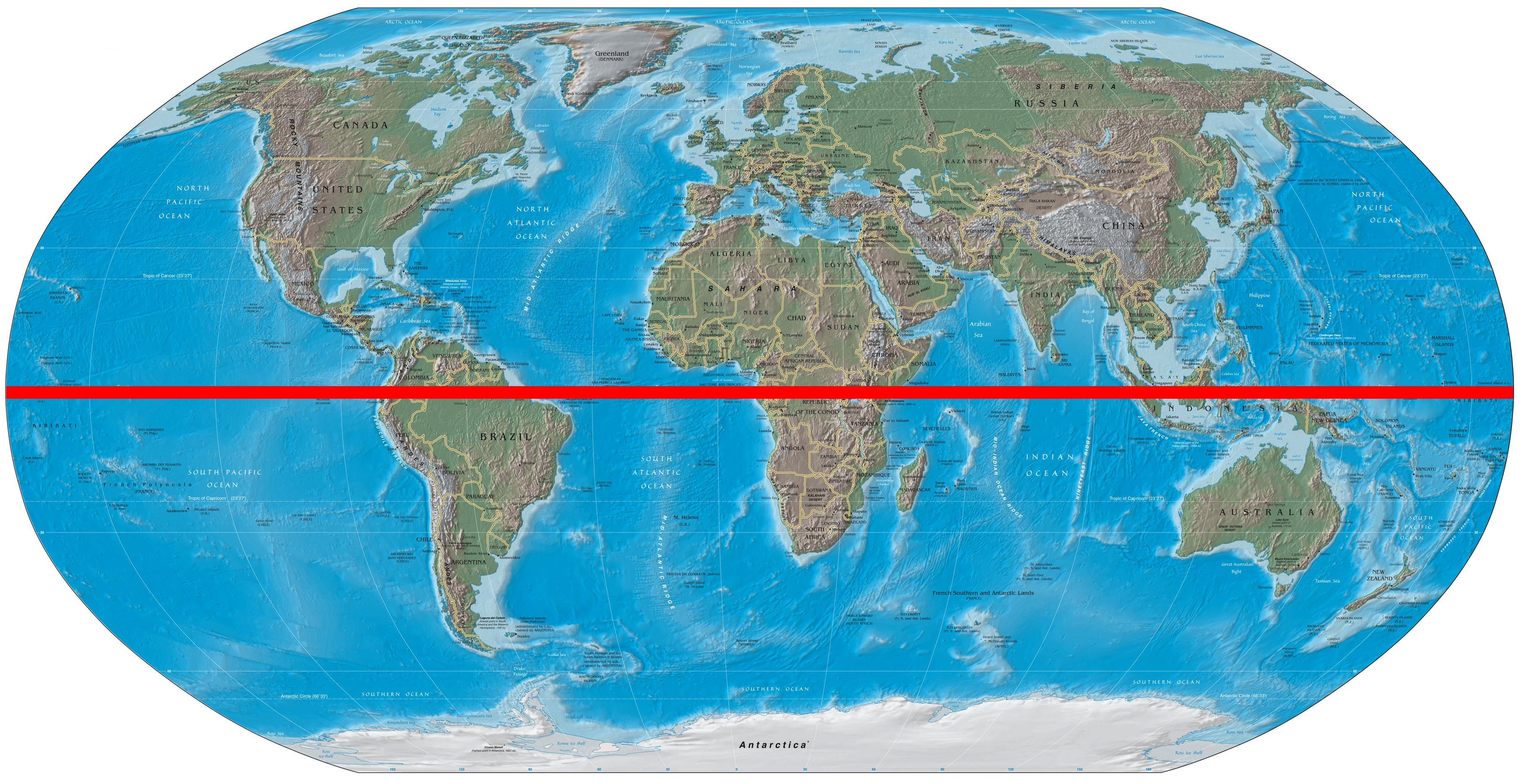

Lines of (a) help determine the climate
Climate is affected by many factors including:
Latitude (how close or far from the equator)
Elevation (how far or close to sea level)
Proximity (closeness) to bodies of water
All of the above
What is elevation?
the depth of the ocean
the height of the atmosphere
the depth of a lake
the height above sea level
What are the three main climate zones?
tropical, thermal, polar
tropical, temperate, polar
cold, super hot, blah
polar, tropical, humid

Temperatures in the TEMPERATE ZONES are...
cold all year
always warm
warm in summer and cold in winter
Temperatures in the TROPICAL ZONES are...
cold all year
always warm
warm in summer and cold in winter
What zone is the United States in?
Temperate
Polar
Tropical

What climate zone is the green area in the picture?
Polar zone
Temperate zone
Tropical zone

What climate zone is the white area in the picture?
Polar zone
Temperate zone
Tropical zone
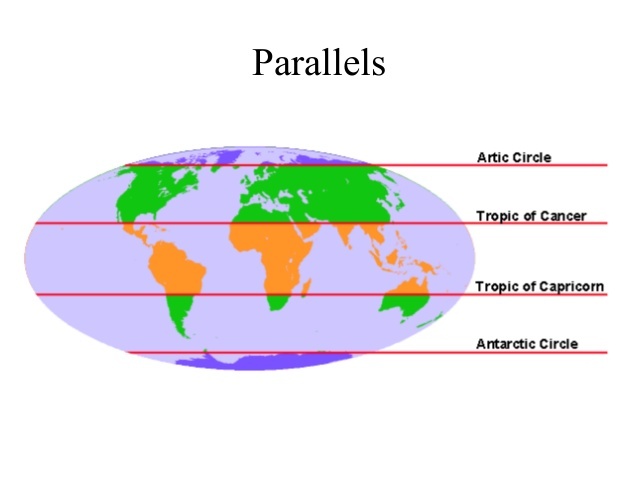
Which climate region is in green/in between the tropics and the poles
Hot
Polar
Temperate
None of the above
Moving air
Wind
Water vapor
Weather
Air Pressure
The state of the atmosphere at a specific place and time, such as heat, dryness, sunshine, wind, and rain
Water Cycle
Weather
Climate
Precipitation
Water that falls from the air to the earth’s surface in the form of rain, snow, sleet, or hail
Water cycle
Precipitation
Hail
Evaporation
The amount of water vapor in the atmosphere
Humidity
Condensation
Water vapor
Snow
The weight of the air pushing on everything around it
Water cycle
Humidity
Air pressure
Snow
Large pattern of weather that occurs over a large area and over a long period of time.
Climate
Weather
Water Cycle
Wind
A mixture of rain and snow.
Sleet
Rain
Hail
Snow
Which of the following is a liquid form of precipitation?
snow
rain
sleet
hail
Snow forms when the temperature is below freezing.
True
False
Air pressure is measured using a(n) ________.
hygrometer
anemometer
barometer
thermometer
____ is how hot or cold something is.
temperature
humidity
altitude
wind speed

What is the purpose of a barometer?
Tells you that it is going to rain.
Measures the amount of wind.
Measusres the amount of clouds in the sky.
It measure the amount of pressure in the air.


Name this cloud
Stratus
Cumulus
Cumulonimbus
Cirrus

Name this cloud
Cumulus
Cirrus
Stratus
Cumulonimbus

Name this cloud
Cumulus
Cumulonimbus
Stratus
Cirrus
Which cloud type is the most likely to produce hail?
stratocumulus
cumulonimbus
cirrocumulus
Which best explains how clouds are classified?
by the elevation at which they are found
by the amount of dust particles in the cloud
by the temperature at which the cloud formed
Barbara looked out her window on the day of the school picnic. She saw cirrus clouds in the sky. Which kind of weather should she expect for the picnic?
fair weather
warmer weather
light rain
thunderstorms
It has a puffy bottom, cottonballs, and has a low level.
Cumulus
Cirrus
Stratus
Nimbostratus
Which cloud is higher in the sky.
Cumulus
Stratus
Cirrus
None

Fog is the _____ cloud.
Cumulus
Cirrus
Stratus
Nimbus
a ground-level cloud is called (a) .
a ground-level cloud is called (a) .


Name this cloud
Cumulo
Stratus
Cirrus
Cumulus
What type of cloud is MOST associated with thunderstorms?
cumulus
climateonimbus
cumulonimbus
stratus

Which type of cloud often indicates that a storm is on the way?
cirrus
cumulonimbus
cumulus
stratus
The weight of air pushing on everything around it is called
humidity
air pressure
temperature
climate
The weight of air pushing on everything around it is called
humidity
air pressure
temperature
climate
It is a beautiful sunny day outside. The air pressure is most likely
High
Low
A _________ is used to measure air pressure
Hygrometer
Thermometer
rain gauge
Barometer
It is humid outside. What tool can I use to measure the humidity?
Barometer
Hygrometer
Thermometer
Rain Gauge
Lucy saw that there were 2 inches of rain yesterday. What tool did Lucy most likely use?
Rain gauge
Thermometer
Hygrometer
Barometer
A class went outside the check their barometer. They noticed that the air pressure that day was lower than usual. What can this most likely mean?
It is going to be a rainy day
It is going to be a sunny day
It is going to be snowing
The weather will not change
Gina wanted to go to the park on Saturday but she saw on the news that it was going to rain. This is an example of
air pressure
climate
weather
humidity
Match the following tools to what they are used to measure:

Air Pressure

Wind Speed

Amount of Humidity

Wind Direction

Amount of rain



