
 Worksheets
Nonfiction Terms Test
Total questions: 35
Worksheet time: 18mins
a true story about a person's life told by that person
autobiography
biography
Written to provide factual information. It's main purpose is to INFORM
informative nonfiction
autobiography
literary nonfiction
written to be informative AND entertaining
essay
article
literary nonfiction
textbook
writing based on real people, places, and events
nonfiction
fiction
a true story written about a person's life told by someone else
interview
biography
autobiography
essay
a reference book organized chronologically or by topic
essay
interview
article
textbook
a short nonfiction piece that focuses on one topic or subject
essay
interview
autobiography
a conversation between two people where questions and answers are exchanged
article
essay
biography
interview
a writing piece that focuses on one topic. The author's purpose is to inform or persuade
article
textbook
biography
autobiograohy
nonfiction writing that explains, gives information, defines, or clarifies a concept or idea
expository
descriptive
persuasive
narrative
nonfiction writing that is written to create a mood or to recreate an actual person or event (includes sensory details - five senses)
expository
descriptive
persuasive
narrative
nonfiction writing that tries to convince the reader to act or think in a particular way
expository
descriptive
persuasive
narrative
nonfiction writing that tells a TRUE story
expositiory
descriptive
persuasive
narrative
elements of a text that are NOT the main body of the text
text features
text structures

What is this text feature?
title
heading
table of contents
glossary

What is this text feature?
book title
heading
label
glossary
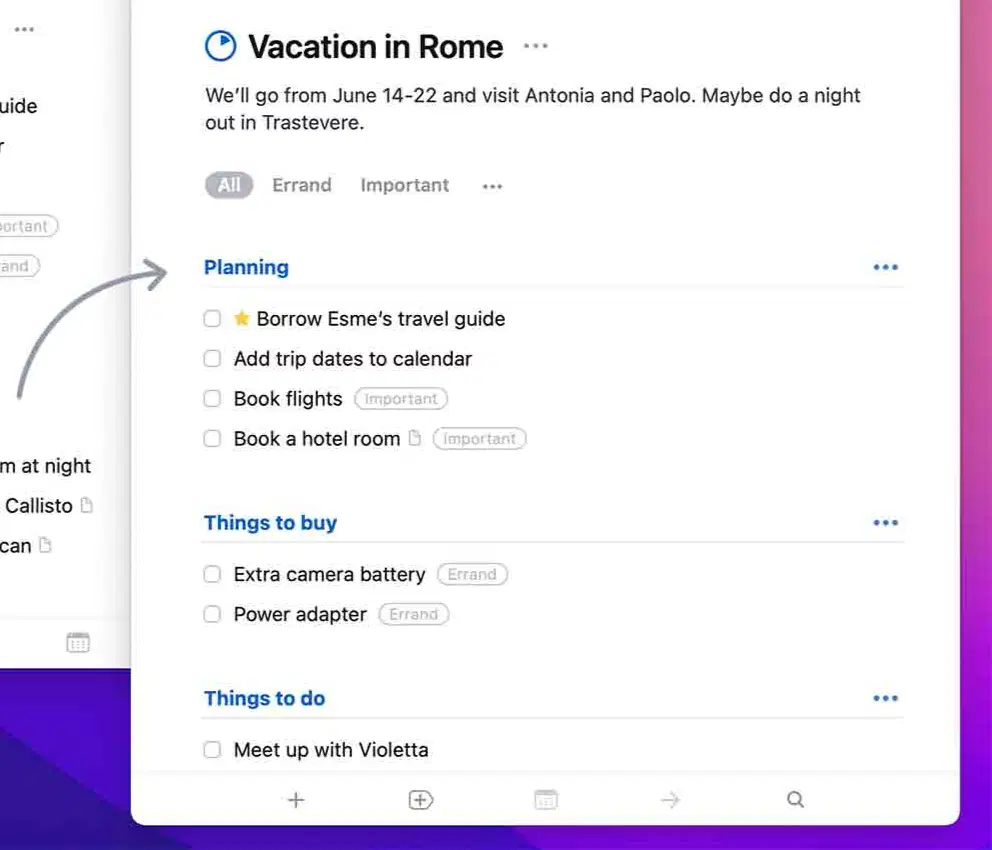
What is this text feature? (where the arrow is pointing to)
caption
heading
title
map
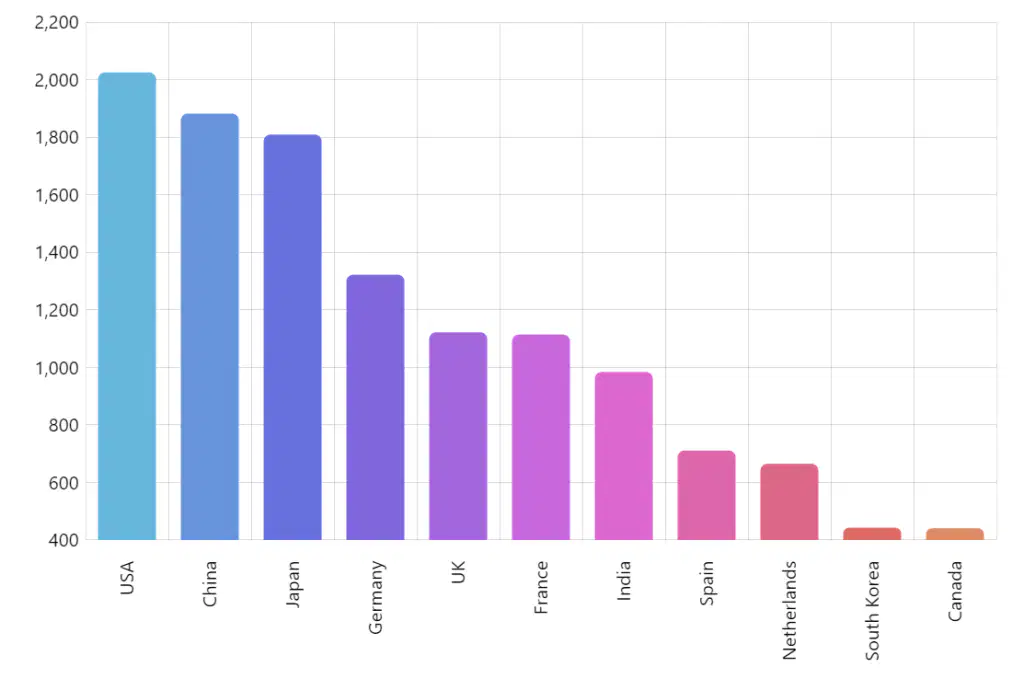
What is this text feature?
sidebar
map
graphics (chart)
photograph
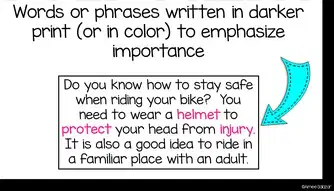
What is this text feature?
special print
sidebar
graphic
captions

What is this text feature?
photograph
illustration
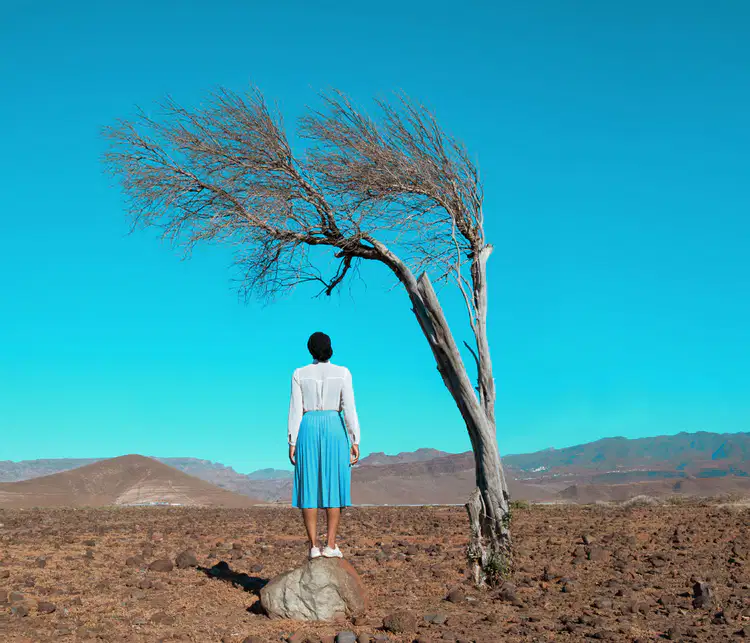
What is this text feature?
photograph
illustration

What is this text feature? (the text below the photo)
label
caption
sidebar
glossary

What is this text feature?
photograph
illustration
maps
glossary
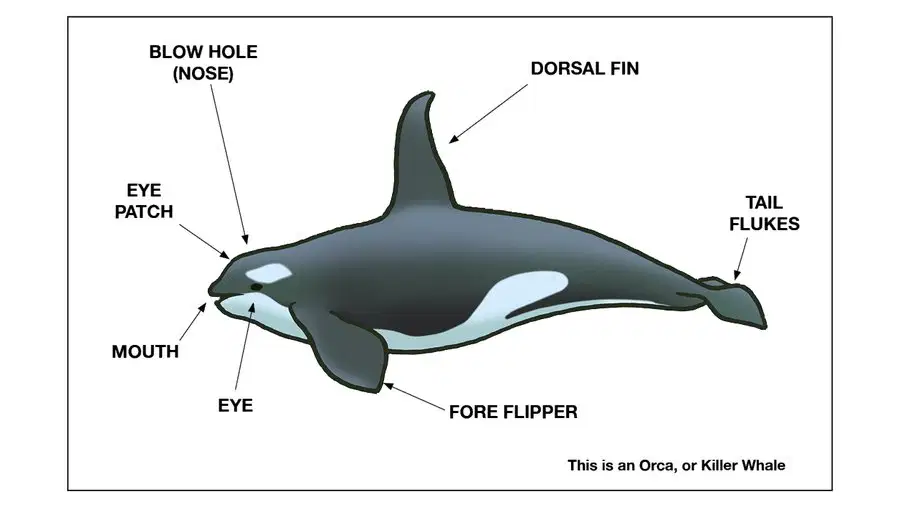
What is this text feature?
diagram with labels
maps
heading
title

What is this text feature?
glossary
table of contents
title
heading
the author shows how events or concepts happen as a result of other events or concepts
cause/effect
chronological order
compare/contrast
problem/solution
description
the author puts events in order or explains the steps to follow in order to do or make something
cause/effect
chronological order
compare/contrast
problem/solution
description
the author provides similarities and differences between two or more things
cause/effect
chronological order
compare/contrast
problem/solution
description
the author introduces a problem then presents one or more solutions
cause/effect
chronological order
compare/contrast
problem/solution
description
the author describes a person, place, or thing in a logical order (often employs the five senses to help the reader visualize the information)
cause/effect
chronological order
compare/contrast
problem/solution
description
the writer's most important message about the topic
main idea
supporting details
bias
sources
information that expands the main idea
main idea
supporting details
sources
topic
the writer's reason for writing the text (persuade, inform, entertain)
author's purpose
author's position
a first-hand account of an event (most reliable)
primary source
secondary source
a description or retelling of an even by a person usually not in attendance of that event (less reliable)
primary source
secondary source

