
Font size
 Worksheets
Unlocking the Magic of Puppetry
Total questions: 9
Worksheet time: 5mins

Puppets have been around for at least ______ years, most likely originating in Ancient Greece, Egypt or India. Almost every culture has a history of puppetry for storytelling or entertainment.
800
1000
2000
4000

Wayang puppets are shadow puppets from __________ that date back to the 10th century.
Indonesia
Brazil
Japan
Tanzania

Did you know that in ______________, Mua Roi Nuoc puppets have performed in ponds for rice harvest celebrations for over 1000 years? Even today, there are indoor performances in specially built pools.
India
Vietnam
China
Bangladesh
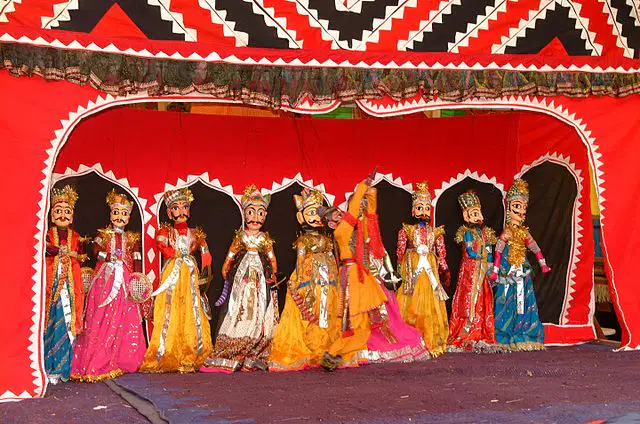
Kathputli marionettes are string marionettes carved out of wood. They originate from Rajasthan, in _______________. This artform is over 1000 years old.
China
Pakistan
India
Egypt

Traditional string marionettes originated in the Italian Commedia dell’arte tradition in the _________ century. Although they originally were used to tell religious stories, the church eventually banned them.
12th
15th
18th
19th
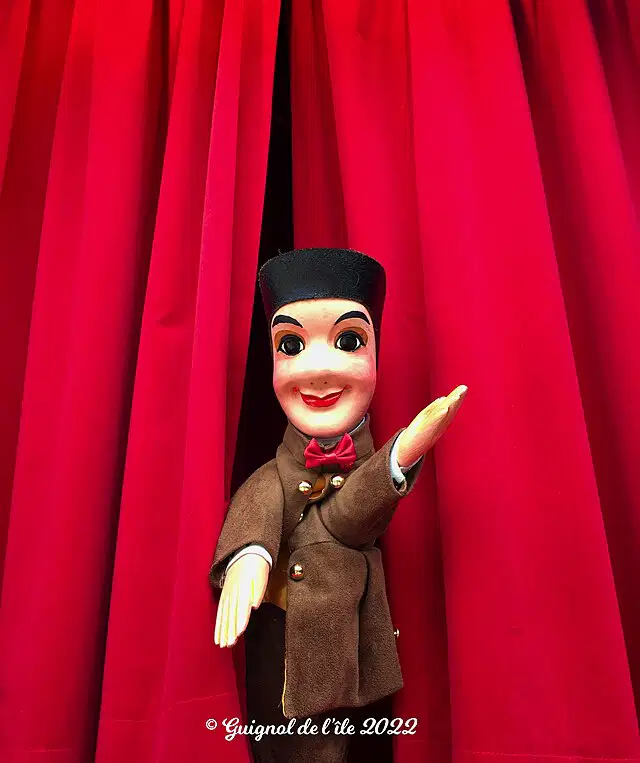
Guignol was a hand puppet invented in the early 19th century in Lyon, France. He represented a ____________.
baker
judge
professor
silk worker
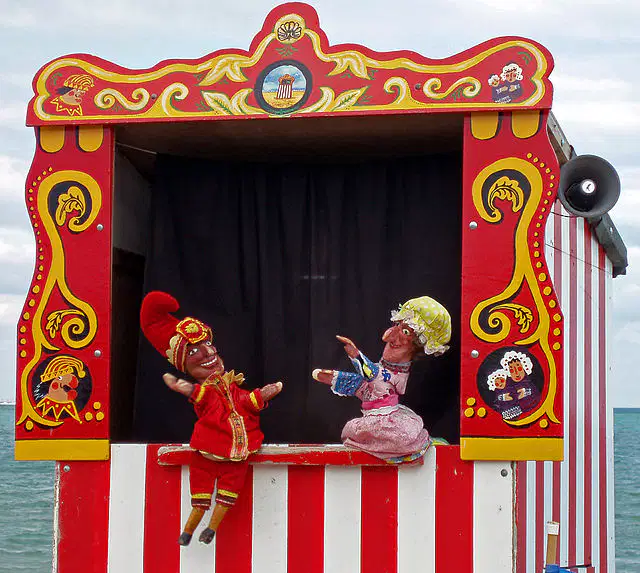
Punch and Judy, hand or glove puppets invented in 1827, are from ___________.
England
Belgium
Scotland
Austria

Jim Henson's puppets were featured on the American program, Sesame Street, which first aired in __________. Sesame Street is now aired in 150 different countries with more than 30 international co-productions.
1965
1969
1975
1979
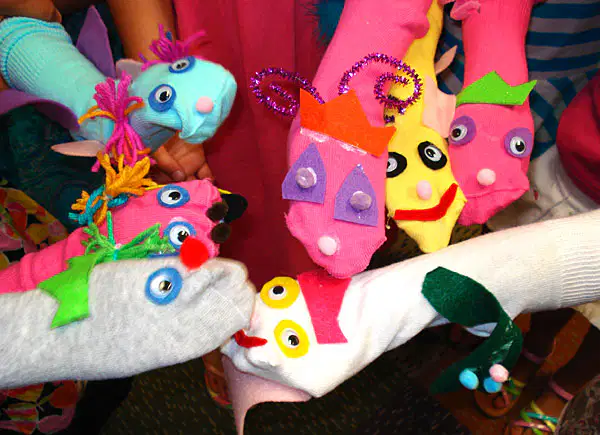
Why use puppets in your language classroom? (Check all that apply)
Puppets lower the affective filter, bringing a sense of fun and play into the learning environment.
Puppets boost communication skills and language development, encouraging even shy students to talk.
Puppets add meaning, emotion, imagination, and novelty into storytelling activities, thereby increasing language acquisition.
Puppets entertain and delight, bringing creativity and joy into the classroom.

