
Font size
 Worksheets
Mental Illness Quiz by Ms. Aura
Total questions: 24
Worksheet time: 40mins
One of the best ways to get rid of the stigma surrounding mental illness is through awareness and education
True
False
Stigma results in discriminatory behaviour and treatment towards people with mental illness.
True
False
People who have a mental illness are frequently violent.
True
False
Every person’s mood can fluctuate up and down naturally and doesn't necessarily indicate a mood disorder.
True
False
The symptoms of mental illness are caused by abnormal functioning of the brain.
True
False
The brain can affect the way the body functions but the body can not affect the
way the brain functions.
True
False
Mental health and mental illness both involve the brain and how it functions.
True
False
Useful interventions for adolescent mental disorders include BOTH therapy and medicine treatment.
True
False

Mental illness can occur only after a person has reached adulthood.
True
False

Having a mental illness can affect the way that a person
behaves
thinks
feels
all of the above.

A person who has a mental health problem sees the following EXCEPT
mental health professional
psychiatrist
physical therapist
psychologist
People with mental health problems can have a job
Myth
Fact
People with mental health problems can be cured
Myth
Fact
People with schizophrenia usually experience hallucinations, delusions. They don't know what sights, sounds, and experiences are real or what they are imagining. What is delusion?
beliefs that are obviously false
sensory experiences that one perceives as real when they’re actually not
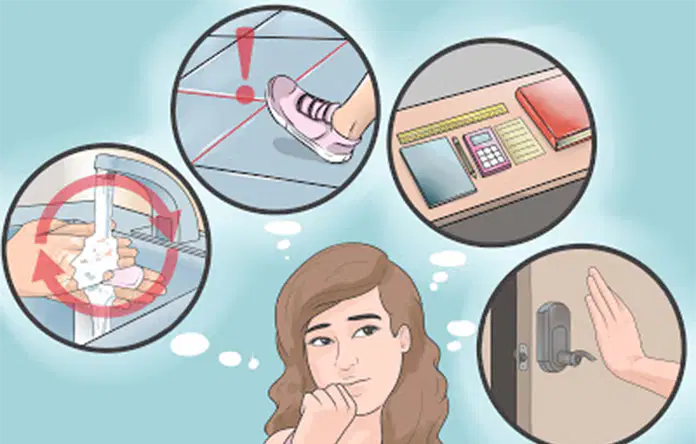
A long-lasting disorder in which a person experiences uncontrollable and recurring thoughts (obsessions), engages in repetitive behaviors (compulsions), or both. Answer in capital!
(a)

Disorder that develops in some people who have experienced a shocking, scary, or dangerous event
(a)
Sudden episode of intense fear that triggers severe physical reactions when there is no real danger or apparent cause
The thoughts and behaviors used to manage the internal and external demands of stressful situations
stress strategies
medication

"I thought forgotten homework would end my entire school career. I lay awake at night, convinced my house would burn down. I thought I was acting weird. I knew I was acting weird. In college, I used the same two words as a source text and thought I’d be convicted of plagiarism and kicked out of school. I always worried I’d forgotten something. That I wouldn’t finish my work in time. That my boyfriend would die in a fiery car crash whenever he wasn’t in my direct line of sight." said Anna
What mental illness does Anna have? Explain your reason!

"All of a sudden, school was dirty to me. When I got home, I had to shower immediately and rid myself of the school day. Anything I touched in my house before I showered was contaminated so I avoided touching things and washed my hands continuously throughout the day. My life was restricted to sitting on one spot of the couch all day so I could avoid touching anything that was dirty to me." What mental illness does the writer have? Explain your answer!
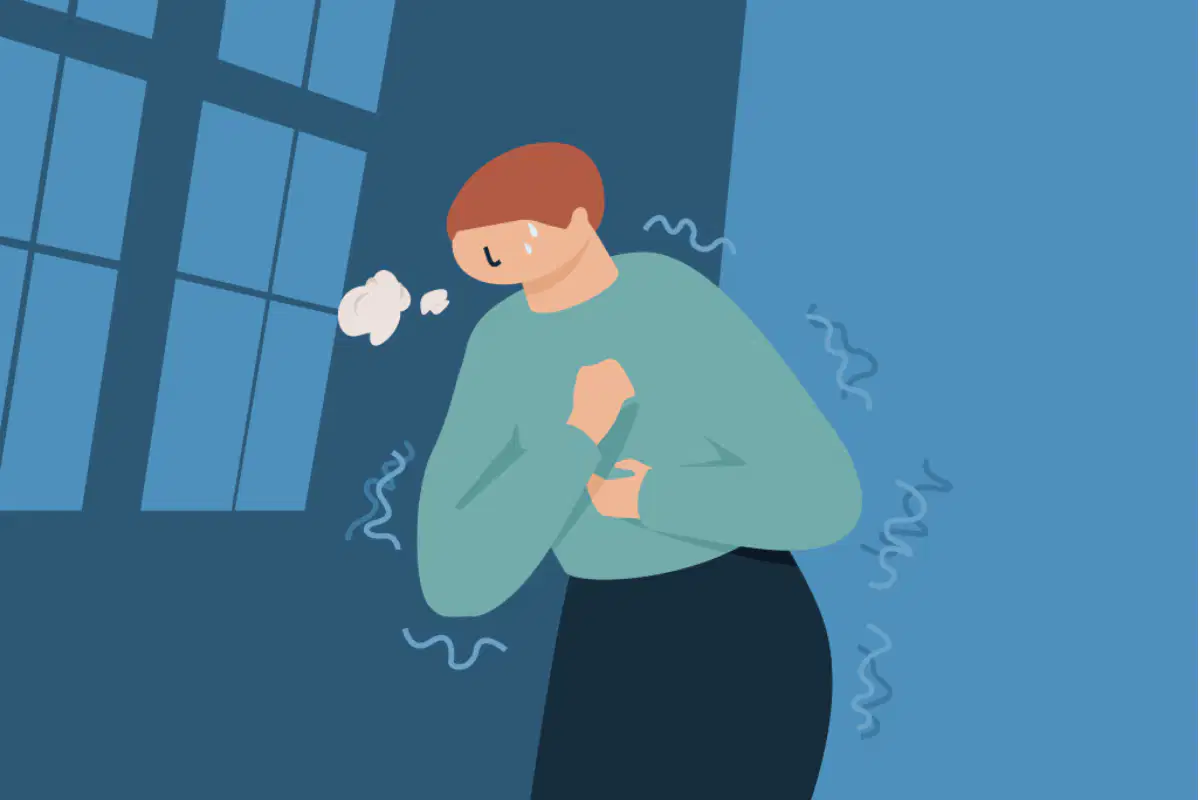
The body and brain abruptly go into high alert, even though there is practically no a visible threat. Strong fear is combined with a wide range of bodily symptoms, such as nausea, dizziness, or a fast heartbeat, as well as rushing thoughts like "I'm going crazy" or "I'm going to die."
The vocabulary that is suitable to call this condition is (a)

A treatment approach that helps you recognize negative or unhelpful thought and behavior patterns is called CBT. What does CBT stand for?
(a)
a therapy that encourages you to face your fears and let obsessive thoughts occur without ‘putting them right’ or ‘neutralising’ them with compulsions. This therapy is called ....

It has been three weeks since Johana felt a constant feeling of sadness and a loss of interest in every part of her life. She is unable to enjoy football as her favorite sport or ramen as his favorite food. Not only that, all she felt was sadness and no interest at all. She feels worthlessness and hopelessness every time. Her physical condition is excessive fatigue or loss of energy (not just feeling tired), and Johana also has significant sleep problems. What mental illness does Johana probably have, according to the explanation above?
Explain your answer!

