
Font size
 Worksheets
CAD/CAM, Timbers, Tools
Total questions: 63
Worksheet time: 39mins
What does CAD stand for?
Computer Aided Design
Computer Aided Drawing
Computer And Design
Computer Assisted Drawing
Which is not a main advantage of CAD?
Quick and easy to save and retrieve work
High accuracy
Faster production speeds
24/7 operation
What are the disadvantages of CAD?
Computers can freeze/crash resulting in loss of work
Employees will likely lose their jobs
The cost of software is very expensive
Materials can also be tested to calculate loads and stresses they can take
Systems can be hacked
What does CAM stand for?
Computer Aided Multiplication
Computer Aided Manufacture
Computer And Manufacturing
Computer Assisted Manufacturing
Which is not an advantage of CAM?
Quick and easy to save and retrieve work
High accuracy
Faster production speeds
24/7 operation
What is the main disadvantage of CAM on Society?
Computers can freeze/crash resulting in loss of work
Employees will likely lose their jobs
The cost of software is very expensive
Materials can also be tested to calculate loads and stresses they can take
Which are not disadvantages associated with CAM
Computers can freeze/crash resulting in loss of work
Employees will likely lose their jobs
The cost of software is very expensive
Materials can also be tested to calculate loads and stresses they can take
CAM is expensive to buy and maintain
What can CAD be used for?
Testing how a design or material may function in real life
Creating drawings/designs using software
Operating machines using computers to produce a product
Designing simple shapes and replacing traditional hand drawing methods
What can CAM be used for?
Testing how a design or material may function in real life
Creating drawings/designs using software
Operating machines using computers to produce a product
Designing simple shapes and replacing traditional hand drawing methods
Improving quality of products and increasing production rates
Which equipment are not classed as CAM
Laser cutter
3D Printer
CNC Machines
Iron
Kettle
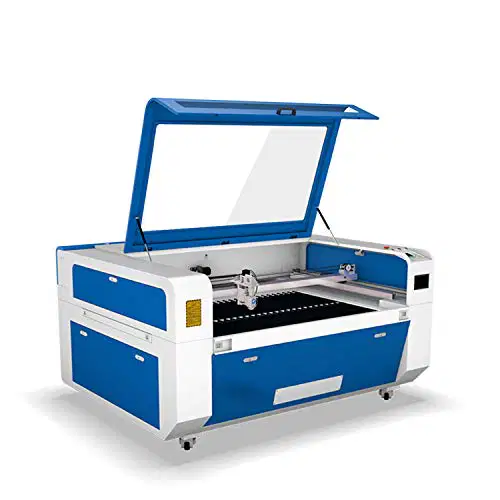
This CAM machine is called a (a) Cutter
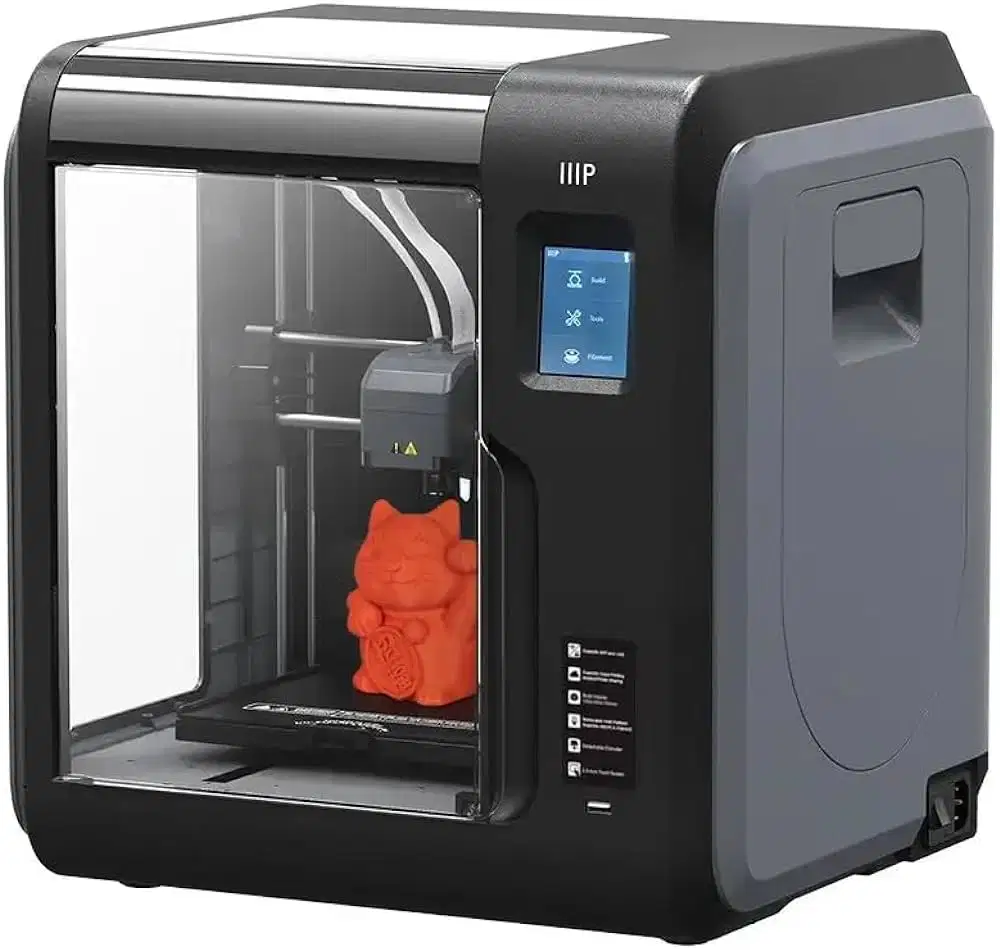
Name the CAM machine
(a)
Quick to save files
Easy to share files
Hackers
Takes alot of training
Expensive subscriptions
Can test, model and simulate
Produces products faster than manual machines
Unemployment as fewer workers needed
Expensive to buy and maintain
Loss of manual skills
3D Printer
2D design
OnShape
CNC Lathe
CAM can improve the (a) of a product due to its accuracy
CAD allows designs to be (a) to improve performance, for example to improve aerodynamics
What are the advantages of CAD?
Decreased productivity, decreased accuracy, poor design visualization, difficult design modification, and limited collaboration.
Increased productivity, improved accuracy, better design visualization, easier design modification, and enhanced collaboration.
No advantages at all.
Increased cost, decreased accuracy, and limited collaboration.
What is the difference between CAD and CAM?
CAD is used for manufacturing, while CAM is used for design.
CAD and CAM are the same thing.
CAD and CAM are used interchangeably.
CAD is used for design, while CAM is used for manufacturing.
CAD allows easy sharing of files which allows multiple designers to (a) on one design
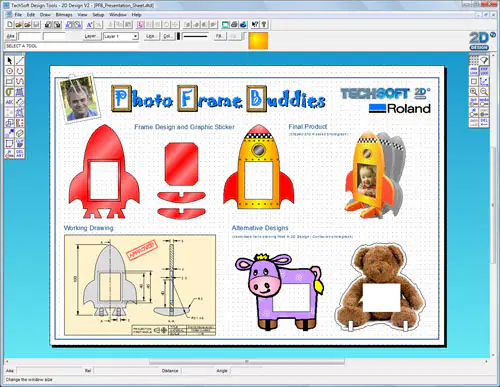
Name the CAD software
(a)
What two things do we need to do when trying to remove all colours from in image we have just copied on our canvas (CAD software related)
Vectorise
Monochrome
Group
Add text
Contour

What is the correct name of this tool
Plastic ruler
Steel ruler
Metal ruler
Ruler

What is the correct name of this tool
Try Square
Tri square
Right angle ruler
Mallet
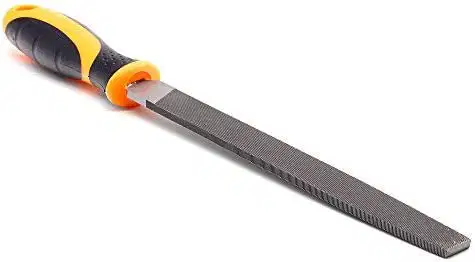
What is the correct name of this tool
Round file
Half round file
Flat file
Square file
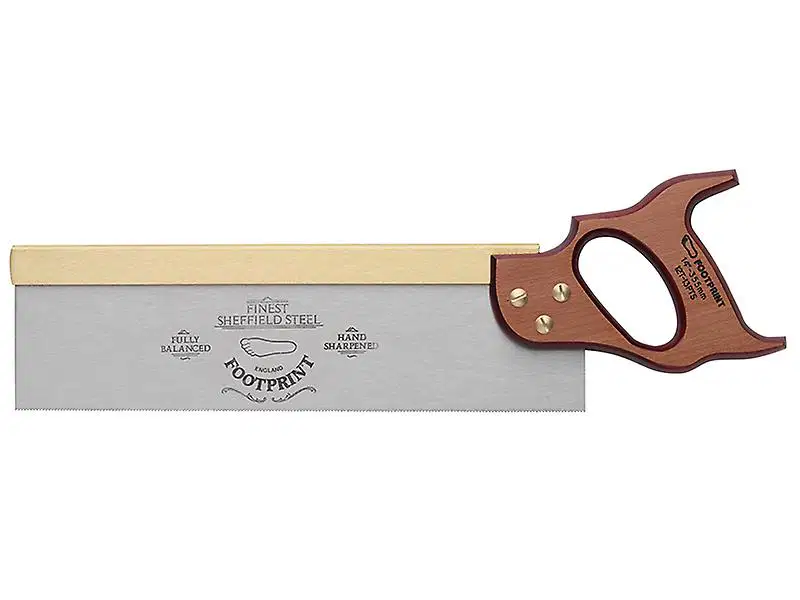
What is the correct name of this tool
Coping saw
Fret saw
Tenon saw
Saw
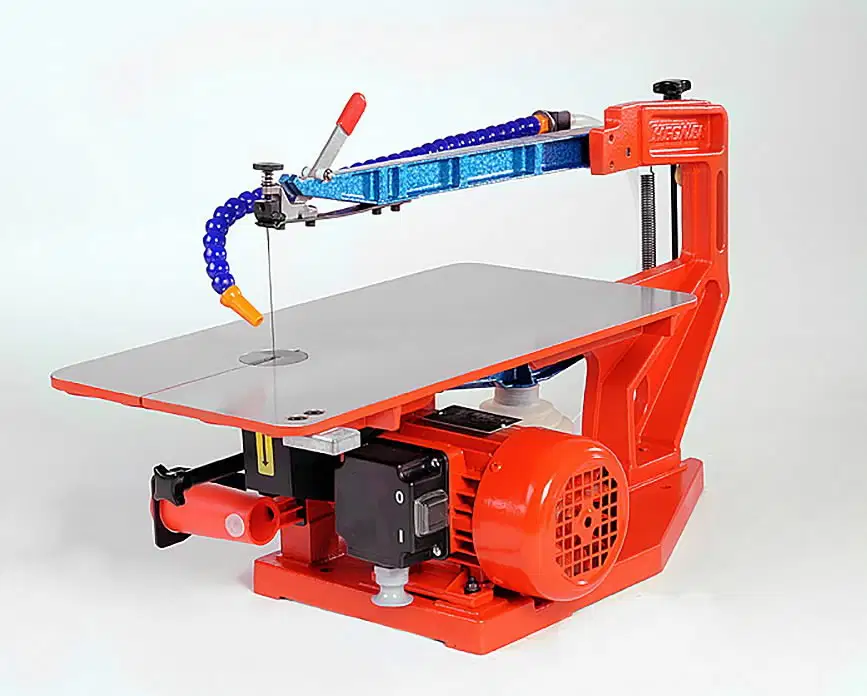
What is the correct name of this tool
Coping saw
Fret saw
Tenon saw
Saw
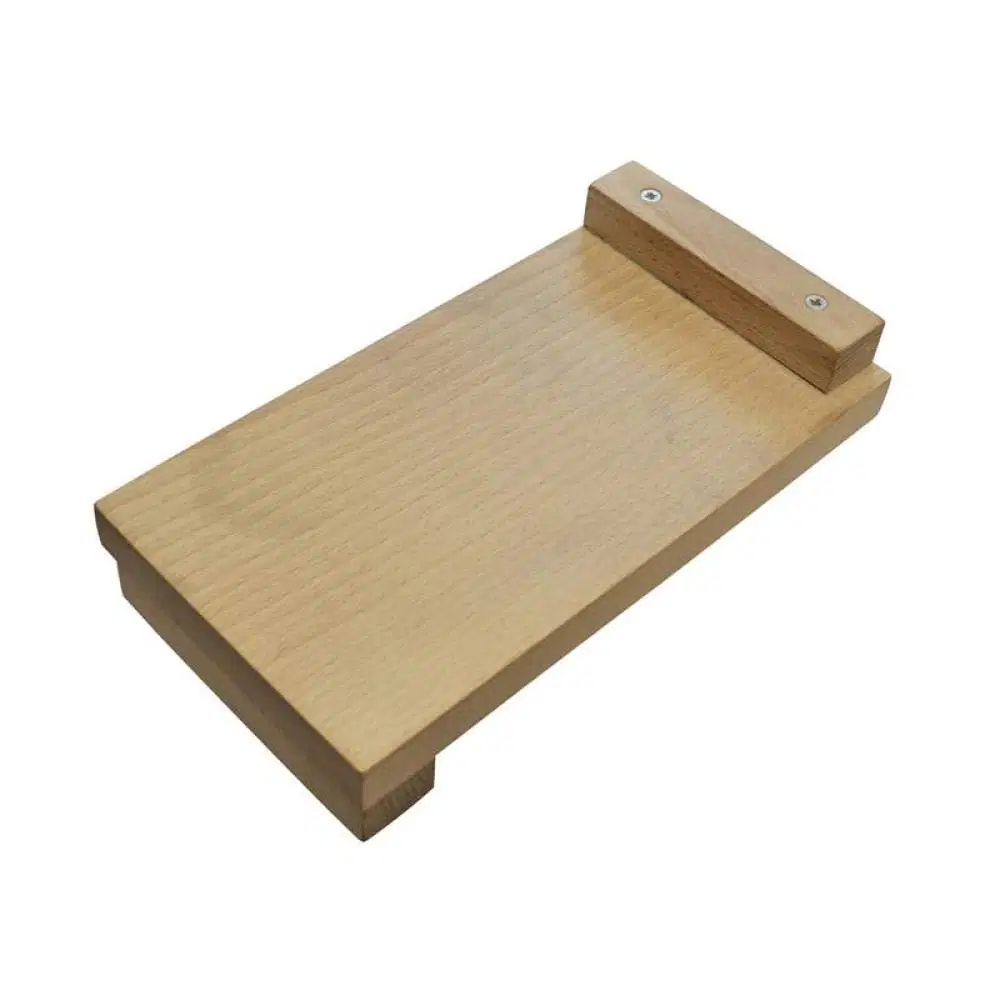
The correct name for this tool is
Bench hook
bench holder
gripper
bench housing
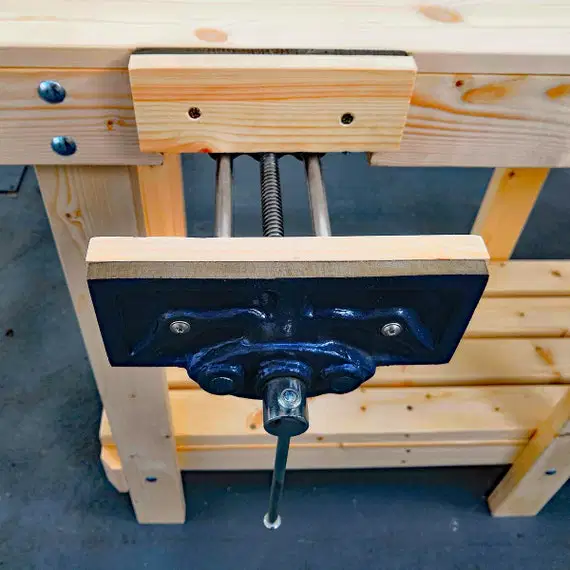
What is the correct name of this tool
Vise
Vase
Vice
Bench hook
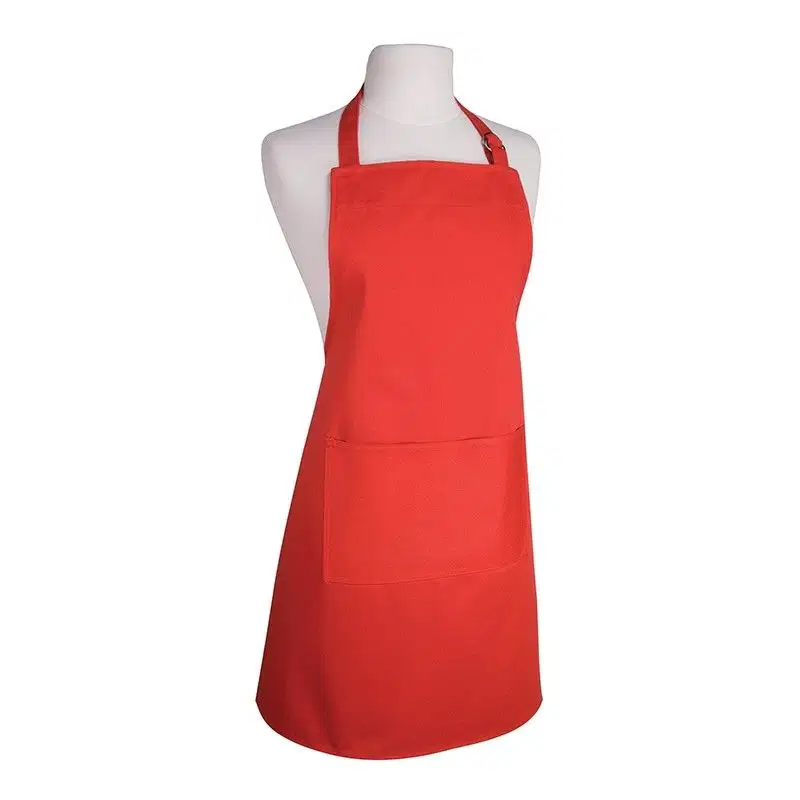
What is the correct name of this PPE
Apron
Overalls
Cover
Apren
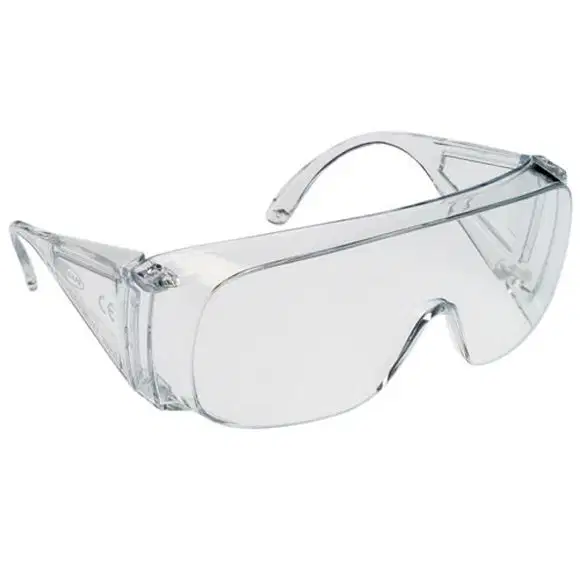
What is the correct name of this PPE
Goggles
Safety glasses
Safety googles
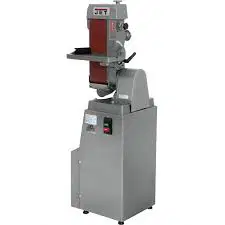
What are the two correct terms for this equipment
Belt sander
Sand paper
Sanding device
Sanding machine
What type of timber comes from deciduous trees with broad leaves?
(a)
Which hardwood is often used for high-quality furniture?
(a)
Which softwood is commonly used for construction and decking?
(a)
Which manufactured timber is used for general carpentry work and flat-pack furniture?
(a)
Which hardwood is used for model making and vacuum forming moulds?
Beech
Mahogany
Jelutong
Ash
Which softwood is more expensive than pine but not as strong?
Pine
Cedar
Larch
MDF
Which manufactured timber is commonly used in kitchen worktops and flat-pack furniture?
MDF
Plywood
Chipboard
Birch
Which hardwood is used in ladders, tool handles, walking sticks, and sports equipment?
Beech
Mahogany
Jelutong
Ash
Which softwood is used in exterior cladding, small boats, and fence posts?
Pine
Cedar
Larch
MDF
Which manufactured timber is smooth, light brown, and can be veneered?
MDF
Plywood
Chipboard
Birch
What type of timber is commonly used in kitchen cabinets and ready-to-assemble furniture?
plywood
bamboo
pine
oak
Which softwood is commonly used in outdoor siding, small watercraft, and fence posts?
Cedar
Maple
Pine
Oak
Which softwood is less strong than pine but more expensive?
Fir
Cedar
Spruce
Redwood
What kind of timber comes from broad-leaved deciduous trees?
softwood
pine
cedar
hardwood
Which hardwood is frequently used in high-quality furnishings?
Oak
Pine
Birch
Mahogany
Which softwood is more expensive than pine but not as strong?
Cedar
Fir
Spruce
Redwood
Which manufactured timber is used for general carpentry work and flat-pack furniture?
particle board
MDF
plywood
chipboard
Which hardwood is used for model making and vacuum forming moulds?
Birch
Mahogany
Maple
Oak
Which hardwood is often used for high-quality furniture?
Birch
Pine
Oak
Mahogany
What type of timber is commonly used in kitchen cabinets and ready-to-assemble furniture?
oak
pine
plywood
bamboo
What are the characteristics and properties of timbers?
Timbers are synthetic materials that have characteristics such as strength, durability, flexibility, resistance to decay and insects, and can be classified based on density, grain pattern, and color.
Timbers are metal materials that have characteristics such as strength, durability, flexibility, resistance to decay and insects, and can be classified based on density, grain pattern, and color.
Timbers are wood materials that have characteristics such as strength, durability, flexibility, resistance to decay and insects, and can be classified based on density, grain pattern, and color.
Timbers are plastic materials that have characteristics such as strength, durability, flexibility, resistance to decay and insects, and can be classified based on density, grain pattern, and color.
Which hardwood is commonly used in furniture making?
Mahogany
Pine
Birch
Oak
What type of timber is frequently used in construction?
hardwood
plywood
softwood
bamboo
Which softwood is commonly used in outdoor decking?
Mahogany
Oak
Cedar
Pine
What are the properties of manufactured timber?
Low strength, prone to warping and splitting
Low dimensional stability, prone to warping and splitting
Low resistance to warping and splitting
High strength, dimensional stability, resistance to warping and splitting
What are the SIX R'S of sustainability?
Renew, Replenish, Replenish, Replenish, Replenish, Replenish
Reduce, Reuse, Recycle, Replenish, Repair, Refuse
Reduce, Reuse, Recycle, Rethink, Repair, and Refuse
Reduce, Reuse, Recycle, Rethink, Replace, Refuse
How do the SIX R'S of sustainability contribute to environmental conservation?
By promoting reduce, reuse, recycle, rethink, refuse, and repair practices.
By encouraging excessive consumption and waste.
By promoting deforestation and habitat destruction.
By advocating for the use of single-use plastics and disposable products.
Discuss the role of the SIX R'S of sustainability in promoting a circular economy.
The SIX R's of sustainability promote a circular economy by increasing waste, depleting resources, and shortening the lifespan of products.
The SIX R's of sustainability promote a circular economy by encouraging waste, wasting resources, and reducing the lifespan of products.
The SIX R's of sustainability promote a circular economy by ignoring waste, wasting resources, and reducing the lifespan of products.
The SIX R's of sustainability promote a circular economy by minimizing waste, conserving resources, and extending the lifespan of products.
What are the advantages and disadvantages of using manufactured boards in construction?
Manufactured boards are environmentally unfriendly, have a higher cost of maintenance, and are not aesthetically pleasing.
Manufactured boards are more expensive than natural wood, have a lower strength-to-weight ratio, and are prone to warping.
Manufactured boards have advantages such as cost-effectiveness, higher strength-to-weight ratio, and resistance to warping. However, they may contain harmful chemicals, are less durable, and not suitable for load-bearing applications.
Manufactured boards are not readily available, have a higher risk of fire hazard, and are difficult to work with.
Which type of manufactured board is commonly used for flooring?
plywood
hardboard
MDF
particle board
Discuss the process of manufacturing plywood and its applications in the construction industry.
Plywood is manufactured by peeling thin layers of wood from logs and gluing them together with cross-grain construction. It is used in the construction industry for flooring, roofing, wall sheathing, and furniture making.
Plywood is manufactured by melting wood chips and pressing them into sheets. It is used in the construction industry for insulation and soundproofing.
Plywood is manufactured by weaving thin strips of wood together and coating them with a protective layer. It is used in the construction industry for decorative purposes and as a substitute for solid wood.
Plywood is manufactured by compressing sawdust and resin together. It is used in the construction industry for window frames and door panels.
If Theyab went to ACE to buy Manufactured board for a shelve, which of the below options should he do?
Go to IKEA
get MDF boards
Explain the concept of veneering in the context of manufactured boards.
The concept of veneering in the context of manufactured boards is to cover the surface with a thin layer of wood or decorative material.
Veneering in the context of manufactured boards is the term used for the process of shaping the edges of the board.
Veneering in the context of manufactured boards involves adding a layer of plastic to the surface of the board.
Veneering in the context of manufactured boards refers to the process of removing the top layer of the board.

