Worksheets
HC04 Bonding
Total questions: 124
Worksheet time: 1hrs 22mins
A(n) (a) is an atom or molecule that carries a charge
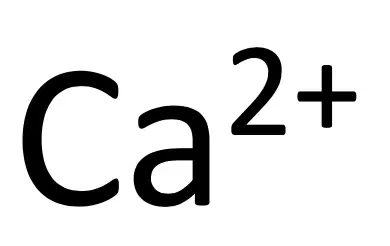
This is an example of a(n) (a)
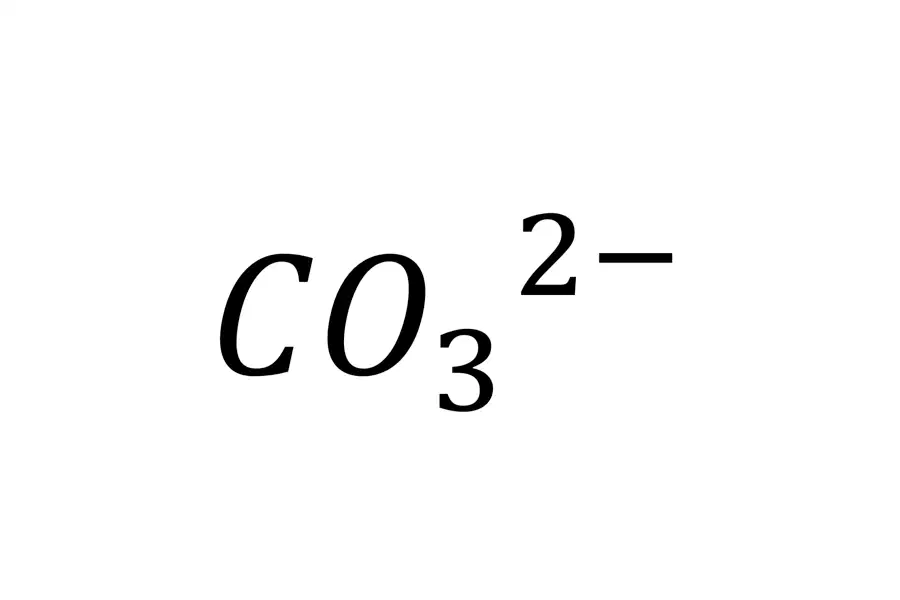
This is an example of a(n) (a)
Match the following
a charged atom or molecule
ion

a charged molecule

a charged atom
an ion has lost or gained
electrons
has nothing to do with ions
protons
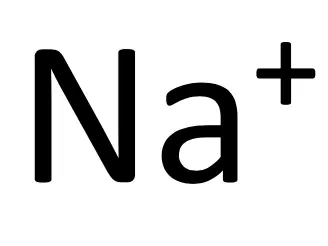
Will be attracted to...
Mark all that apply.

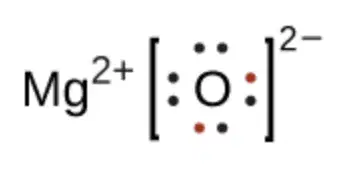
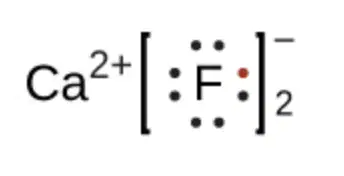
oxide ion, a monatomic ion

calcium ion, a monatomic ion

hydroxide ion, a polyatomic ion

ammonium ion, a polyatomic ion
Match the ions that will be attracted to each other and the phrases that go together.

OH–

NH4+
Opposite charges
attract
like charges
repel
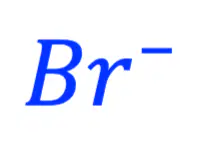
Will be attracted to...
Mark all that apply.
Match the following
simplest form of matter
element
particle of an element
atom
particle of a covalent compound
molecule
two or more different elements bonded together
compound
anything that has mass and volume
matter
Which subatomic particles are the most involved in chemical bond and what happens to them determines the type of bond?
valence electrons
neutrons
protons
octet rule
core electrons
Which subatomic particles are at the outer portion of the atom?
valence electrons
neutrons
protons
octet rule
core electrons
Label the atom.
neutron
proton
core electron
Nucleus
Valence electron
The rule that states atoms react to get a full valence shell is known as the (a) rule.
The outermost electrons are called the (a) electrons.
Ionic bonding involves the (a) of electrons
In an ionic bond oppositely charge (a) are bonded to each other.
Covalent bonding involves the (a) of electrons
Match the following
ionic bonding
transfer of electrons
covalent bonding
sharing of electrons
oppositely charged ions bonded to each other
ionic bonding
atoms react to get a full outer shell
octet rule
outer most subatomic particles
valance electrons
The degree to which an atom will attract electrons in a chemical bond.
(a)
Which atom will attract electrons more in a chemical bond?
C or O
(a)
Which atom will attract electrons more in a chemical bond?
C or N
(a)
Which atom will attract electrons more in a chemical bond?
C or H
(a)
Which atom will attract electrons more in a chemical bond?
O or H
(a)
Which atom will attract electrons more in a chemical bond?
N or H
(a)
Which atom will attract electrons more in a chemical bond?
N or O
(a)
Which atom will attract electrons more in a chemical bond?
P or O
(a)
Which atom has the highest electronegativity of all the elements?
(a)
Attractions between molecules are called (a) attractions.
Match the following
equal sharing of electrons
nonpolar covalent bond
unequal sharing of electrons
polar covalent bond
attractions between molecules
intermolecular attraction
very strong attraction between atoms
chemical bond
very strong attraction between oppositely charged ions
ionic bond
high ∆EN
low or no ∆EN
very high ∆EN
electrons unequally shared
electrons equally shared
electrons transferred
partial charges on the ends of the bonds
no charges on the ends
full charges
two different nonmetals
two of the same nonmetal atoms
usually a metal and a nonmetal
can cause molecules to have charges and stick to each other.
hydrogen bonding
attraction between molecules
Match the following
nonpolar covalent bond
low or no electronegativity difference
polar covalent bond
high electronegativity difference
ionic bond
very high electronegativity difference
Match the following
nonpolar covalent bond
two of the same nonmetals
polar covalent bond
two different nonmetals
ionic bond
metal and nonmetal
Match the following
nonpolar covalent bond
no charges
polar covalent bond
partial charges
ionic bond
full charges
How many covalent bonds can these elements typically form?
H
1
O
2
N
3
C
4
Na
0
How many covalent bonds can
Hydrogen, H
form?
(a)
How many covalent bonds can
Oxygen, O
form?
(a)
How many covalent bonds can
Nitrogen, N
form?
(a)
How many covalent bonds can
Carbon, C
form?
(a)
How many covalent bonds can
chlorine, Cl
typically form?
(a)
How many covalent bonds can
Sulfur, S
typically form?
(a)
How many covalent bonds can
Phosphorous, P
typically form?
(a)
How many covalent bonds can
Silicon, Si
typically form?
(a)
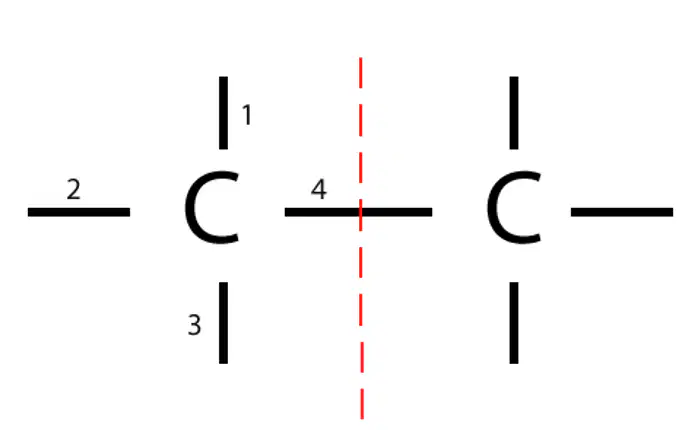
How many covalent bonds are shown between the two carbon atoms?
(a)
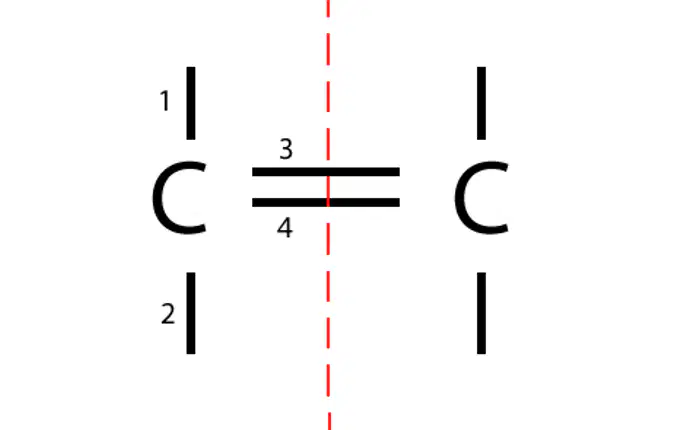
How many covalent bonds are shown between the two carbon atoms?
(a)
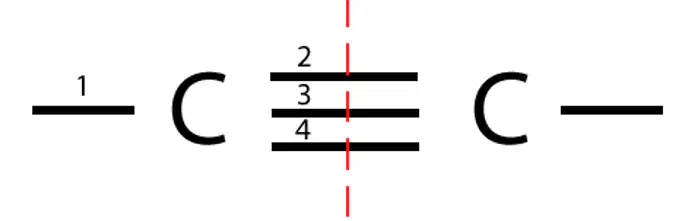
How many covalent bonds are shown between the two carbon atoms?
(a)

How many covalent bonds are shown between the two chlorine atoms?
(a)
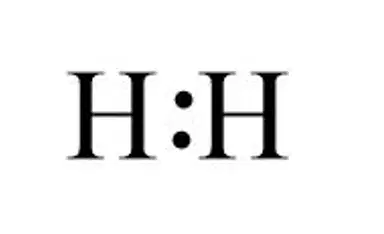
How many covalent bonds are shown between the two hydrogen atoms?
(a)
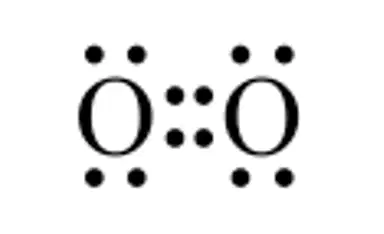
How many covalent bonds are shown between the two oxygen atoms?
(a)
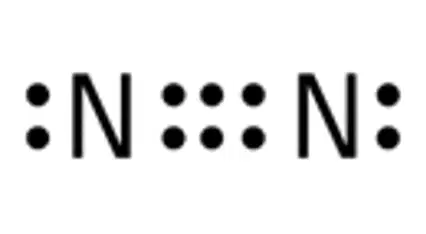
How many covalent bonds are shown between the two nitrogen atoms?
(a)
Organize these options into the right categories based on the type of bond indicated by the green circle.
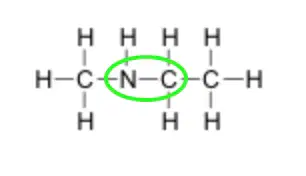
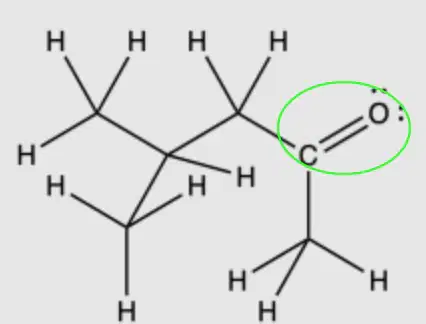
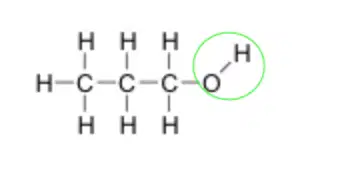
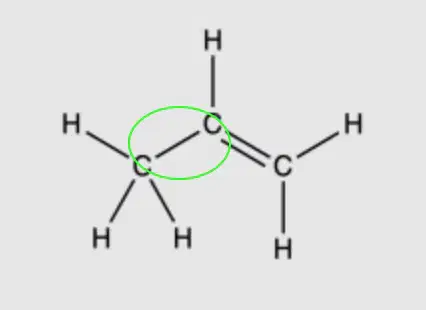
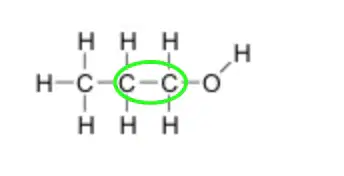
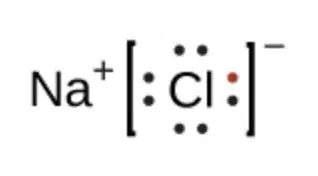
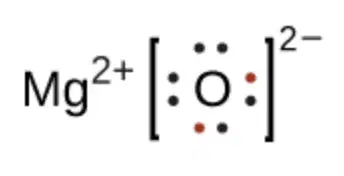
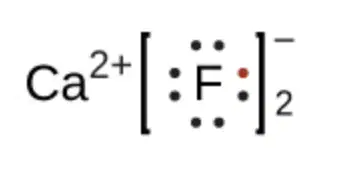
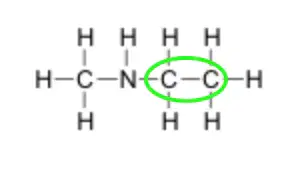
What type of chemical bond is indicated by the green circle?
polar covalent bond
nonpolar covalent bond
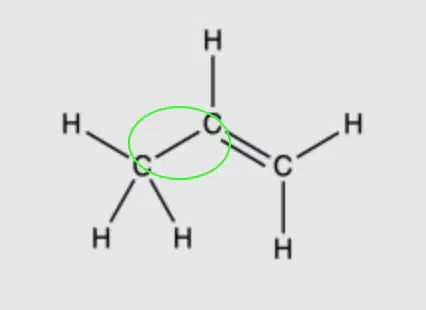
What type of chemical bond is indicated by the green circle?
polar covalent bond
nonpolar covalent bond
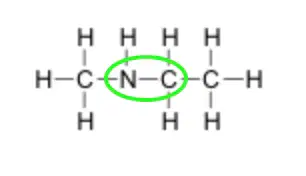
What type of chemical bond is indicated by the green circle?
polar covalent bond
nonpolar covalent bond
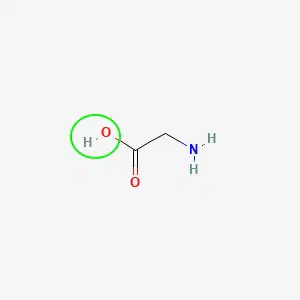
What type of chemical bond is indicated by the green circle?
polar covalent bond
nonpolar covalent bond
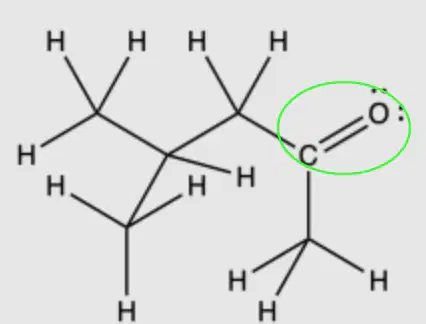
What type of chemical bond is indicated by the green circle?
polar covalent bond
nonpolar covalent bond

What type of chemical bond is indicated by the green circle?
polar covalent bond
nonpolar covalent bond
The chemical bond indicated by the green circle will have
no charges
partial charges
full charges
no badges, we don't need no stinkin' badges.
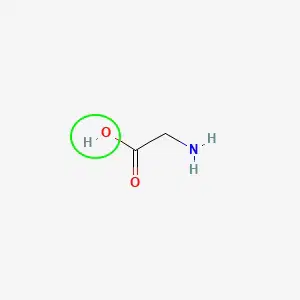
The chemical bond indicated by the green circle will have
no charges
partial charges
full charges
no badges, we don't need no stinkin' badges.
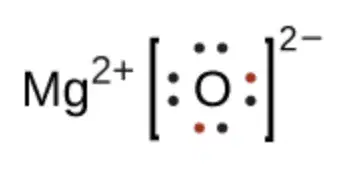
The chemical bond indicated by the green circle will have
no charges
partial charges
full charges
no badges, we don't need no stinkin' badges.
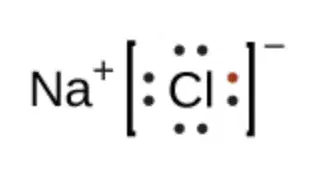
What type of chemical bond is indicated by the green circle?
polar covalent bond
nonpolar covalent bond
What type of chemical bond is indicated by the green circle?
polar covalent bond
nonpolar covalent bond
What type of chemical bond is indicated by the green circle?
polar covalent bond
nonpolar covalent bond
What type of chemical bond is indicated by the green circle?
polar covalent bond
nonpolar covalent bond
Label the ends of the C=O bond:
Partially negative
partially positive end
Label the ends of the O–H bond:
Partially negative end
partially positive end
Label the ends of the O–H bond:
Partially negative end
partially positive end
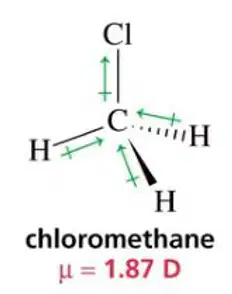
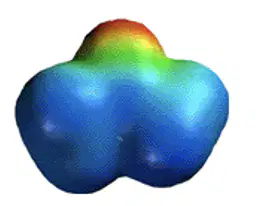
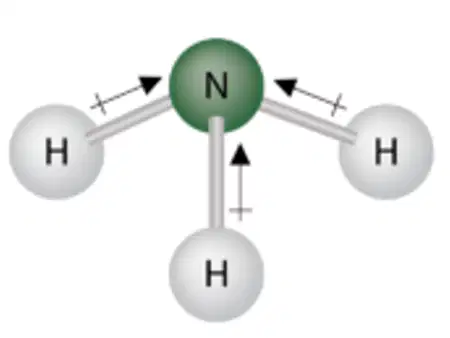
has a molecular dipole
molecule has exposed partial charges
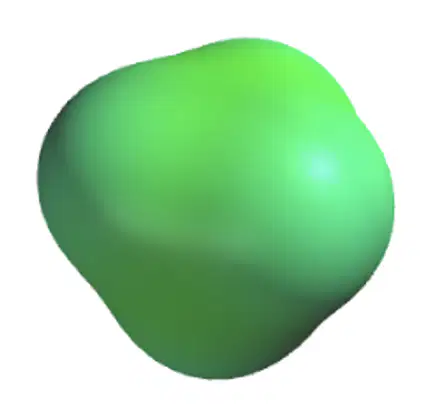
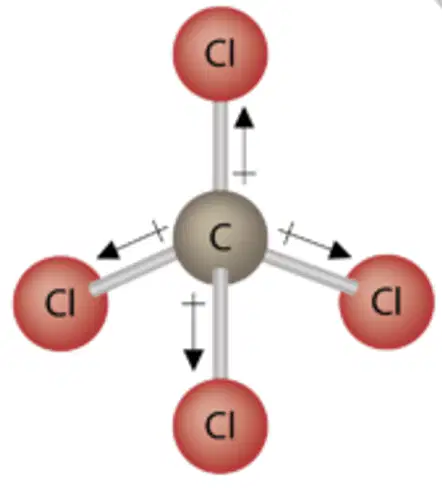

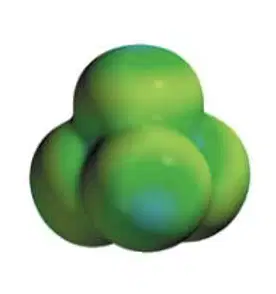
NO molecular dipole
NO partial charges
What type of molecule?
polar molecule
nonpolar molecule
ionic molecule
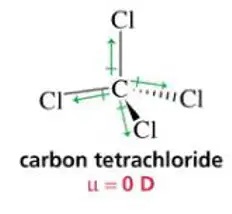
What type of molecule?
polar molecule
nonpolar molecule
ionic molecule
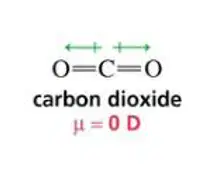
What type of molecule?
polar molecule
nonpolar molecule
ionic molecule
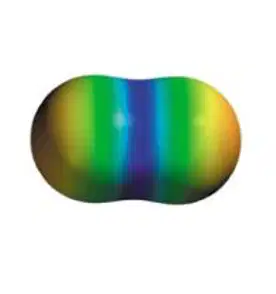
What type of molecule?
polar molecule
nonpolar molecule
ionic molecule
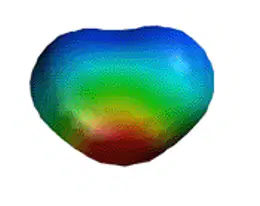
What type of molecule?
polar molecule
nonpolar molecule
ionic molecule
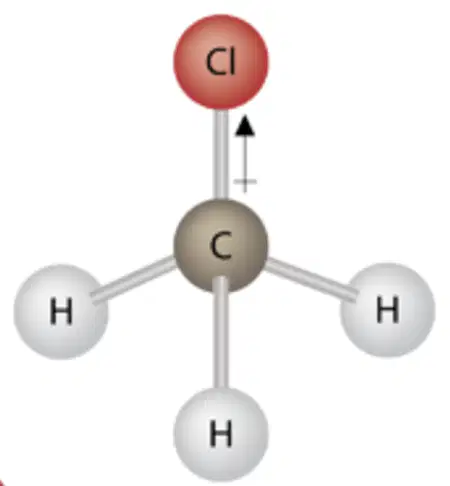
What type of molecule?
polar molecule
nonpolar molecule
ionic molecule
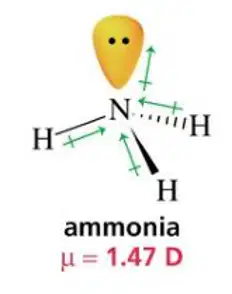
What type of molecule?
polar molecule
nonpolar molecule
ionic molecule
Which of these will dissolve in water and which in vegatable oil?
polar molecules
nonpolar molecules
acetone, µ = 2.88 D
hexane, µ = 0.00 D
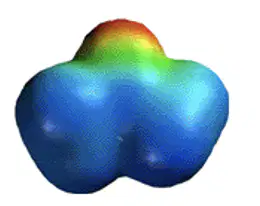
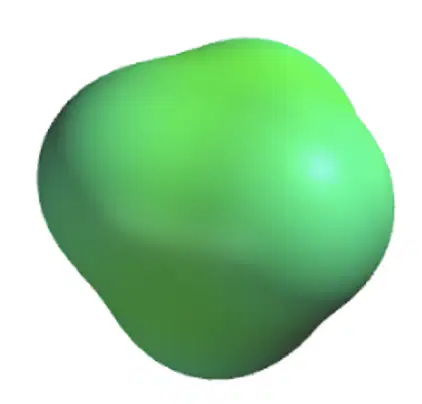
Which of these will probably dissolve in hexane?
benzene, µ = 0.00D
toluene, µ = 0.36 D
Ethanol, EtOH µ = 1.69 D
DMF, µ = 3.82 D
Which of these will probably dissolve in methanol, MeOH?
benzene, µ = 0.00D
toluene, µ = 0.36 D
Ethanol, EtOH µ = 1.69 D
DMF, µ = 3.82 D
"_____ _____ _____" means polar solvents dissolve polar compounds and nonpolar solvents dissolve nonpolar solvents.
(a)
Water and oil will NOT dissolve is each other. This is an example of "____ ____ ____"
(a)
Oil and water do NOT dissolve in each other because... and... Pick two.
oil is polar
oil is nonpolar
water is polar
water is nonpolar
Methanol (MeOH) and ethanol (EtOH) will dissolve in each other because... and... Pick two.
EtOH is nonpolar
EtOH is polar
MeOH is polar
MeOH is nonpolar
Hexane and benzene will dissolve in each other because... and... Pick two.
hexane is nonpolar
hexane is polar
benzene is polar
benzene is nonpolar
Polar molecules will be dissolved by
polar solvents
nonpolar solvents
molecular solvents
ionic solvents
chemical solvents
Nonpolar molecules will be dissolved by
polar solvents
nonpolar solvents
molecular solvents
ionic solvents
chemical solvents
The number of bonds an element will form in a covalent compound will usually be equal to:
(Mark all that apply.)
the number of valence electrons
the number of single electrons in the Lewis structure of the element
the number of electrons needed to fill its outer shell
the "A" group number on the periodic table.
the number of paired electrons in the Lewis structure of the element

What kind of bond does this show?
Ionic
Covalent

What kind of bonds are shown here?
Covalent
Ionic

What type of bonding does this picture show?
Ionic
Covalent

Which is the correct structure for NH3?
Pictures correspond with a-d.
Option A.
Option B.
Option C.
Option D.

What is the correct Lewis Dot Structure for NH3?


When new chemical bonds form, energy ____________.
is taken into the system.
is released from the system.
stays the same in the system.
Does breaking bonds require energy, release energy, or not involve energy at all?
requires energy to break
releases energy when broken
No energy involved

X2 is H2, Y2 is N2, and Z2 is O2
According to this PE diagram, which element's bond length is longest?
hydrogen
oxygen
nitrogen

H2O has how many lone pairs in the molecule?
0
1
2
3
4
X2 is H2, Y2 is N2, and Z2 is O2
According to this PE diagram, which element requires the most energy to break the chemical bond?
hydrogen
oxygen
nitrogen
X2 is H2, Y2 is N2, and Z2 is O2
According to this PE diagram, which element has the weakest chemical bond?
hydrogen
oxygen
nitrogen
X2 is H2, Y2 is N2, and Z2 is O2
According to this PE diagram, which element's bond length is shortest?
hydrogen
oxygen
nitrogen

What type of bond is this?
ionic
covalent

Using the PE diagram, what is the bond length of H2?
74
150
45
-432
0
Using this PE diagram, what is the bond energy for the H-H bond in H2?
74
150
45
-432
0
For this PE diagram, what are the units used for bond length?
picometers
angstrom, Å
kilojoules
kilojoules per mole
electron volts
For this PE diagram, what are the units used for bond enthalpy (bond energy)?
picometers
angstrom, Å
kilojoules
kilojoules per mole
electron volts
Bond enthalpy (bond energy) is
(Mark all that apply)
amount of energy released when a bond is formed
amount of energy needed to form a bond
amount of energy needed to break a bond
amount of energy released when a bond breaks
Oxygen is in 6A, so how many bonds can it form based on electrons needed to fill its outer shell?
1
3
4
5
2
Hydrogen is in 1A, so how many bonds can it form based on electrons needed to fill its outer shell?
1
3
4
5
2
Nitrogen is in 5A, so how many bonds can it form based on electrons needed to fill its outer shell?
1
3
4
5
2

Which of the following is the correct Lewis structure for the compound PBr3?
structure A
structure B
structure C
structure D

Which of these is the correct Lewis structure for SiBr4?
A
B
C
D

Based on the position of the shared electrons, which element has a higher electronegativity?
Element A
Element B
They have the same or similar electronegativity.
What kind of bond is shown in the picture?
nonpolar covalent bond
polar covalent bond
ionic bond
hydrogen bond
binary bond

What kind of bond is shown in the picture?
nonpolar covalent bond
polar covalent bond
ionic bond
hydrogen bond
binary bond

What kind of bond is shown in the picture?
nonpolar covalent bond
polar covalent bond
ionic bond
hydrogen bond
binary bond

What kind of bond is shown in the picture?
nonpolar covalent bond
polar covalent bond
ionic bond
hydrogen bond
binary bond
What is the period and group trend for electronegativity? Mark one answer for each.
increases across a period from left to right
decreases across a period from left to right
increases up a group
increases down a group
Which element has a higher electronegativity?
carbon
oxygen
Which element has a higher electronegativity?
sulfur
oxygen
Which element has a higher electronegativity?
sulfur
chlorine
Which element has a higher electronegativity?
bromine
chlorine

Using the model for the formation of Scandium Fluoride (an ionic compound), write the chemical formula.
Sc3F
Sc3F3
Sc+3F-1
ScF3

Using the model, write the chemical formula for an ionic compound that has Mg and Cl.
MgCl2
Mg2Cl2
Mg+2Cl-1
Mg2Cl2
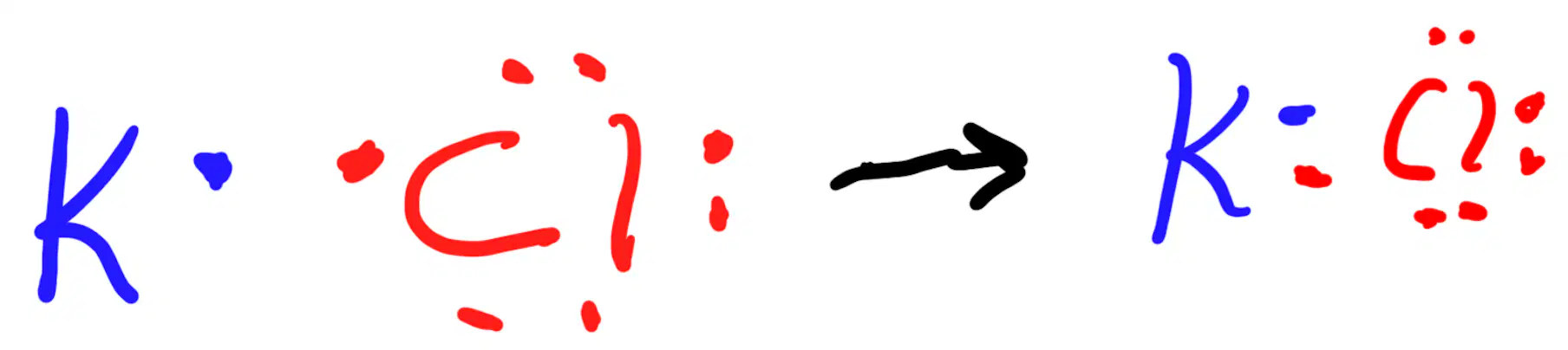
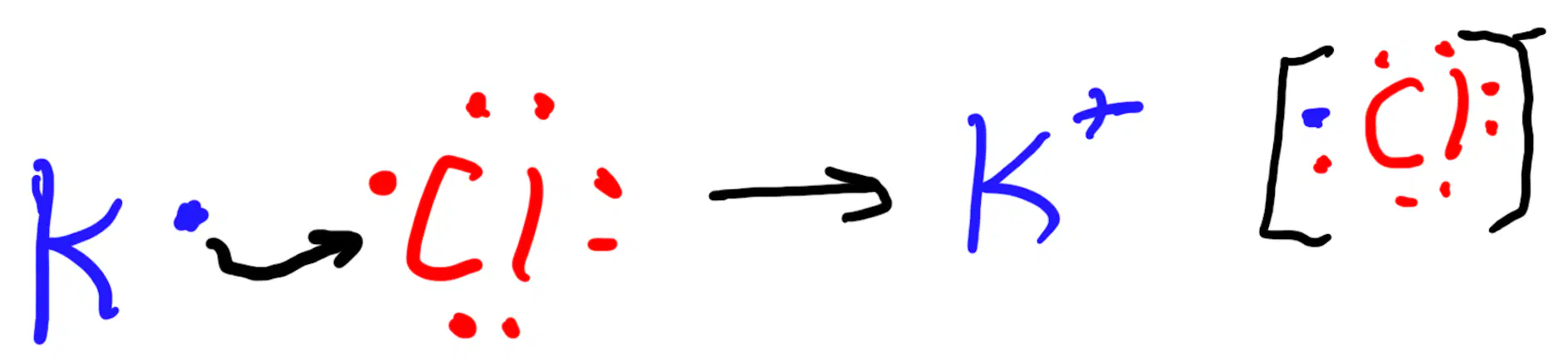
Which shows the correct formation of chemical bonds between potassium, K and chlorine, Cl?
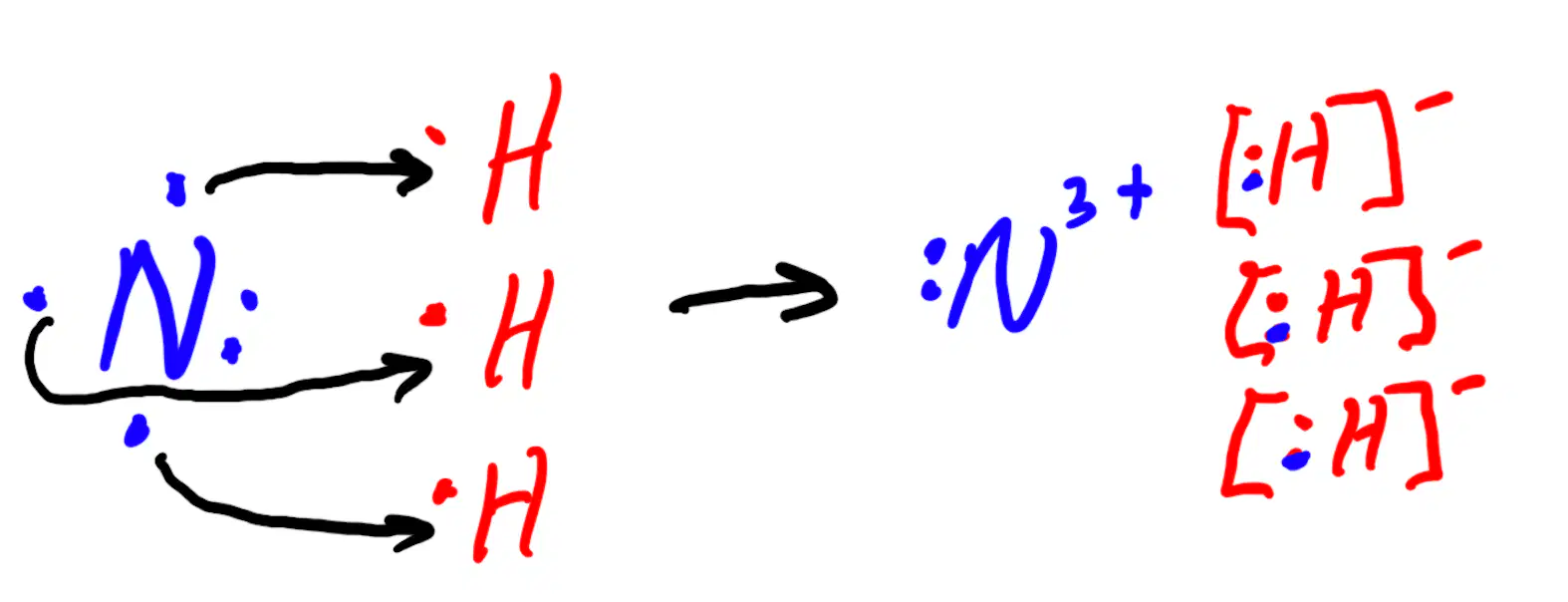
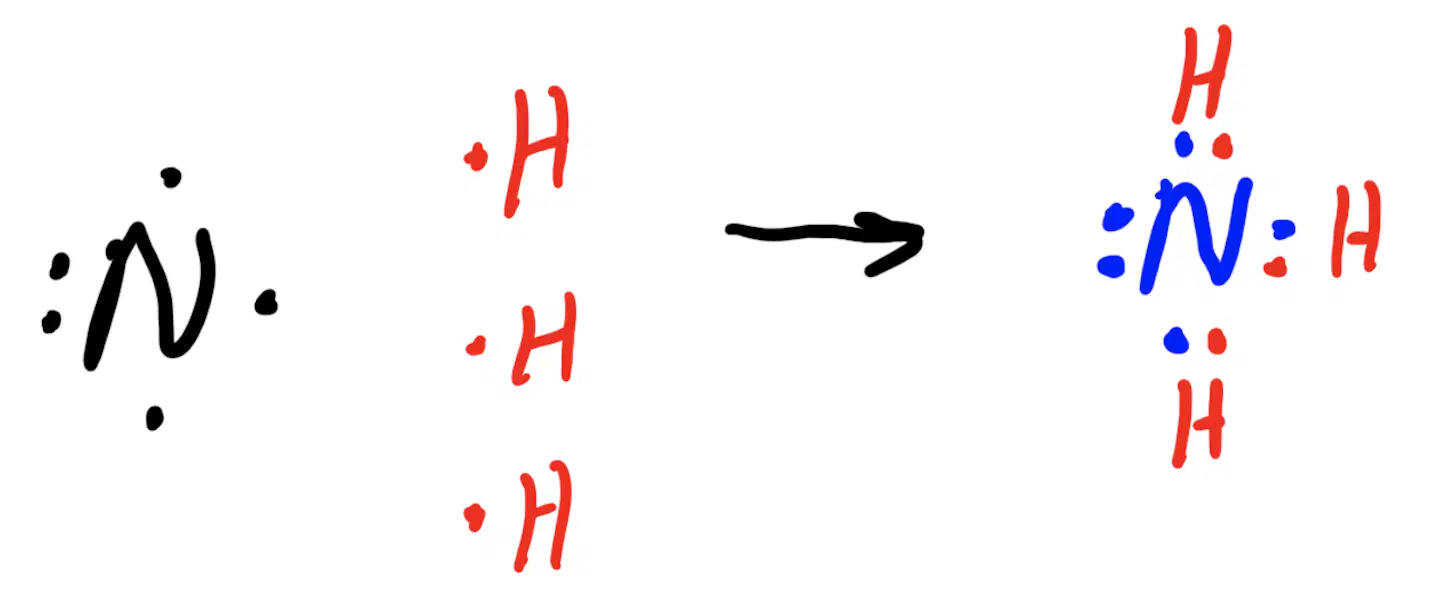
Which shows the correct formation of chemical bonds between nitrogen, N and hydrogen, H?
Which shows the correct formation of chemical bonds between aluminum, Al and oxygen, O?