
Font size
 Worksheets
AR101MODULE1
Total questions: 55
Worksheet time: 55mins
is the study of internal
working, structuring and implementation of a computer system.
(a)
same as anywhere else, refers to the
externally visual attributes of the system.
(a)
is the way of practical implementation which results in realization of
architectural specifications of a computer system.
(a)
can be considered as a
catalog of tools available for any operator using the system, while
Organization will be the way the system is structured so that all those
cataloged tools can be used, and that in an efficient fashion.
(a)
The First Generation
(a)
ENIAC
(a)
designed and constructed at the University of Pennsylvania, was
the world’s first general purpose electronic digital computer.
(a)
ENIAC (Electronic Numerical Integrator And Computer),
designed and constructed at the (a) , was
the world’s first general purpose electronic digital computer.
was the world’s first general purpose electronic digital computer.
(a)
a professor of electrical engineering at the
University of Pennsylvania, and John Eckert, one of his
graduate students, proposed to build a general-purpose
computer using vacuum tubes for the BRL’s application
(a)
John Mauchly, a professor of electrical engineering at the
University of Pennsylvania, and (a) , one of his
graduate students, proposed to build a general-purpose
computer using vacuum tubes for the BRL’s application
John Mauchly, a professor of electrical engineering at the
University of Pennsylvania, and John Eckert, one of his
graduate students, proposed to build a (a) for the BRL’s application
John Mauchly, a (a) at the
University of Pennsylvania, and John Eckert, one of his
graduate students, proposed to build a general-purpose
computer using vacuum tubes for the BRL’s application
John Mauchly, a professor of electrical engineering at the
University of Pennsylvania, and John Eckert, one of his
graduate students, proposed to build a general-purpose
computer using vacuum tubes for the
(a)
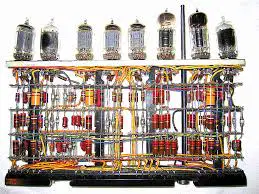
The ENIAC (Electronic Numerical Integrator And Computer),
designed and constructed at the University of Pennsylvania, was
the world’s first general purpose electronic digital computer. The
project was a response to U.S. needs during
(a)
(a)
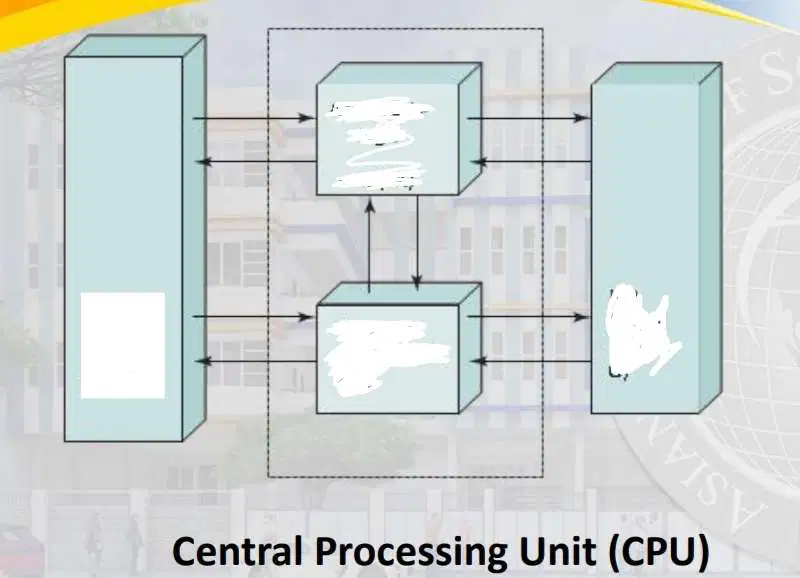
The task of entering and altering programs for the ENIAC was extremely tedious. But suppose a program could be represented in a form suitable for storing in memory alongside the data.
(a)
(a)
The Second Generation:
(a)
The first major change in the electronic computer came
with the replacement of the vacuum tube by the
transistor.
(a)
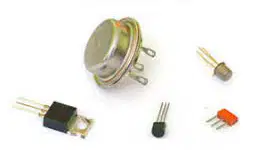
The transistor is smaller, cheaper, and dissipates less
heat than a vacuum tube but can be used in the same
way as a vacuum tube to construct computers.
(a)
Unlike the vacuum tube, which requires wires, metal
plates, a glass capsule, and a vacuum, the transistor is a
solid-state device, made from silicon.
(a)
(a)
The first major change in the electronic computer came
with the replacement of the vacuum tube by the (a) .
The first major change in the electronic computer came
with the replacement of the (a) by the
transistor.
is smaller, cheaper, and dissipates less
heat than a vacuum tube but can be used in the same
way as a vacuum tube to construct computers.
(a)
Unlike the (a) , which requires wires, metal
plates, a glass capsule, and a vacuum, the transistor is a
solid-state device, made from silicon.
Unlike the vacuum tube, which requires wires, metal
plates, a glass capsule, and a vacuum, the (a) is a
solid-state device, made from silicon.
The Third Generation:
(a)
A single, self-contained transistor is called a discrete
component.
(a)
Throughout the 1950s and early 1960s, electronic
equipment was composed largely of discrete
components—transistors, resistors, capacitors, and so
on.
(a)
A single, self-contained transistor is called a
(a)
Throughout the (a) , electronic
equipment was composed largely of discrete
components—transistors, resistors, capacitors, and so
on.
Designing for Performance
(a)
a processor can simultaneously work
on multiple instructions
(a)
The processor looks ahead in the instruction code
fetched from memory and predicts which branches,
or groups of instructions, are likely to be processed
next.
(a)
The processor analyzes which
instructions are dependent on each
other’s results, or data, to create an
optimized schedule of instructions.
(a)
In fact, instructions are scheduled to be
executed when ready, independent of
the original program order.
(a)
This prevents unnecessary delay.
(a)
Using branch prediction and data flow
analysis, some processors speculatively
execute instructions ahead of their
actual appearance in the program
execution, holding the results in
temporary locations.
(a)
Microprocessor Speed
(a)
Increase the number of bits that are retrieved at one time by
making DRAMs “wider” rather than “deeper” and by using
wide bus data paths.
(a)
Increase the number of bits that are retrieved at one time by
making DRAMs “ (a) ” rather than “deeper” and by using
wide bus data paths.
Increase the number of bits that are retrieved at one time by
making DRAMs “wider” rather than “ (a) ” and by using
wide bus data paths.
Change the DRAM interface to make it more efficient by
including a cache10 or other buffering scheme on the DRAM
chip.
(a)
Reduce the frequency of memory access by incorporating
increasingly complex and efficient cache structures between
the processor and main memory.
(a)
Increase the interconnect bandwidth between processors and
memory by using higher-speed buses and a hierarchy of buses
to buffer and structure data flow.
(a)
Increase the hardware speed of the processor.
(a)
Increase the size and speed of caches that are
interposed between the processor and main
memory.
(a)
Make changes to the processor organization and
architecture that increase the effective speed of
instruction execution
(a)
As the density of logic and the clock speed on a chip
increase, so does the power density (Watts/cm2 ).
(a)
The speed at which electrons can flow on a chip
between transistors is limited by the resistance and capacitance of
the metal wires connecting them; specifically, delay increases as
the RC product increases.
(a)
Memory speeds lag processor speeds, as
previously discussed.
(a)
is defined as telling a
computer what to do through a special set of
instructions which are then interpreted by the
computer to perform some task(s).
(a)
These
instructions can be specified in one or more
programming languages including Java, C, and C++.
(a)

