
NEW
Font size
 Worksheets
Chapter 4- Sexual and Asexua l Reproduction Quiz Review
Total questions: 17
Worksheet time: 9mins
Haploid numbers of chromosomes are usually found in the __________ of an organism
zygotes
sex cells
tissues
body cells
How are the sex cells produced?
haploid
meiosis
diploid
mitosis
What is the cell called that results from fertilization?
egg
sperm
diploid
zygote
This is the phase of meiosis in which two daughter cells is formed.
telophase
anaphase
prophase
metphase
How many cells are produced by mitosis and cell division?
0
2
10
100
After meiosis, how many chromosomes does each cell have compared to the original?
same number
twice as many
half as many
three times as many
The female sex cell is called the ________
egg
sperm
zygote
bud
Each human skin cell has _________ pairs of chromosomes
13
18
46
23
In _______ a body part regrows and may form a new organism.
fission
budding
regeneration
sexual reproduction
Which of the following is NOT a part of sexual reproduction
one parent organism
two parent organism
meiosis
fertilization
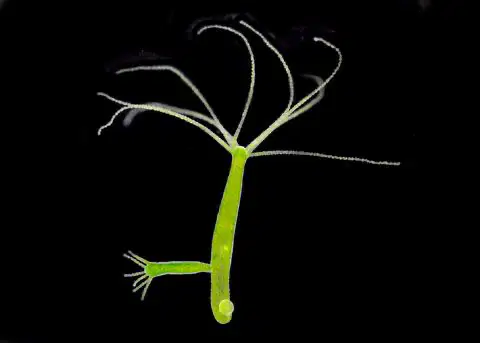
Hydra reproduce by...
regeneration
budding
fission
asexual reproduction
Fission begins in a prokaryote when the DNA is _____
split
destroyed
copied
enhanced
A new organism that results from budding that remains attached to its parent starts to form a _______
house
group
school
colony
A five-armed starfish is cut into five equal pieces. How many starfish will regenerate?
3
4
5
6
Which of the following is NOT a form of asexual reproduction
meiosis
budding
vegetative reproduction
regeneration
All of the following can reproduce through vegetative reproduction except...
raspberries
potatoes
geraniums
marigolds
Which of the following is not a disadvantage of asexual reproduction?
do not need a mate
little genetic variation occurs
mutations can occur
all susceptible to the same disease

