
 Worksheets
HOA Module 1 - Roman Architecture
Total questions: 73
Worksheet time: 37mins

Roman Impire
Greece
Egyptian
Mesopotamia
The Period of the Kings
625-510 BC
510-31 BC
31 BC - AD 476
The Period of the Kings
625-510 BC
510-31 BC
31 BC - AD 476
Republican Period
625-510 BC
510-31 BC
31 BC - AD 476
Imperial Rome
625-510 BC
510-31 BC
31 BC - AD 476
Bounded by Mediterranean Sea and Tiber Sea
Akkadian
Mesopotamia
Roman Empire
Egpytian
Central position enabled Rome to spread art and civilization
Geography
Topogragpy
Geography / Topogragpy
Climatic Condition

Aventine, Palatine, Caelian, Esquiline, Capitoline, Viminal and Quirinal are?
City of Babylon
City of 7 Empire
City of 7 Hills
City of Marduk
Geogology - special volcanic ash sand used to make concrete
Pozzolana
Lime
Concrete
Granite
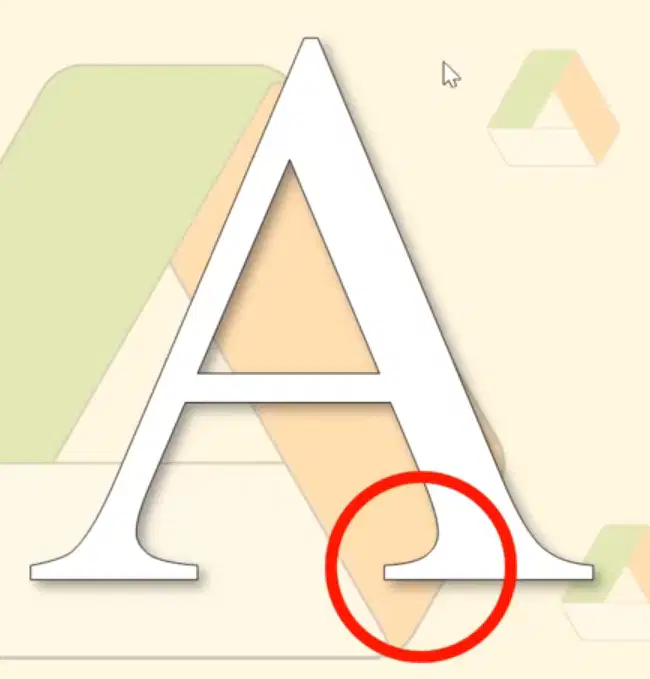
Serif
Bas-Relief
Sans-Serif
Hieroglyph

Serif
Bas-Relief
Sans-Serif
Hieroglyph
Estruscan Architecture
(750 BC - 100 BC)
Doric Architecture
Ionic Architecture
Corinthian Architecture
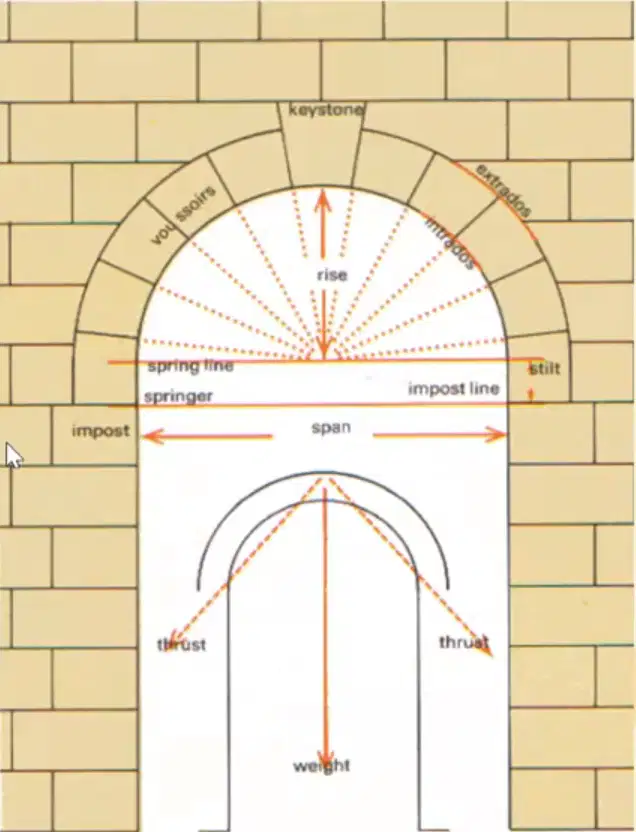
True or Radiating Arch
Barrel Vault
Groin
Truello
Roman Architecture contribution is?
Arch, Vault, Concrete
Columnar and Trabeated
Pozzolana
Lime and Silica

Arch, Vault, Concrete
Columnar and Trabeated
Pozzolana
Lime and Silica
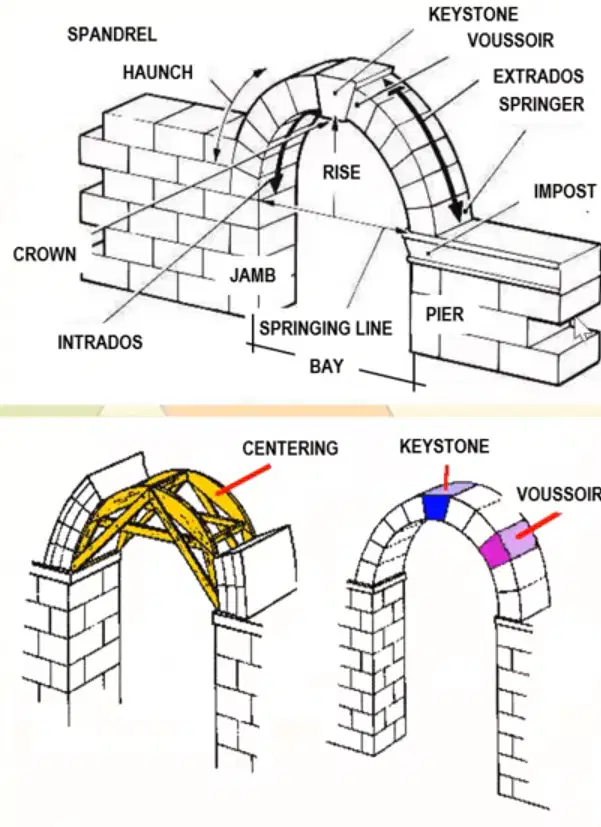
Arch
Vault
Concrete
Lime and Silica

Arch
Vault
Concrete
Lime and Silica

Arch
Vault
Concrete
Lime and Silica
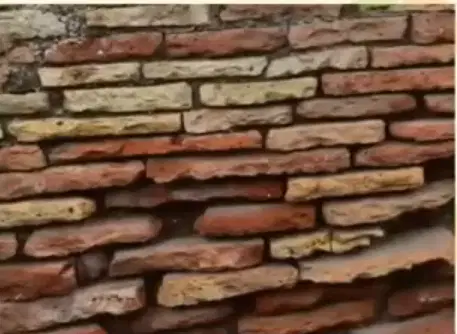
OPUS LATERICIUM
OPUS RETICULATUM
OPUS TESTACEUM
Lime and Silica
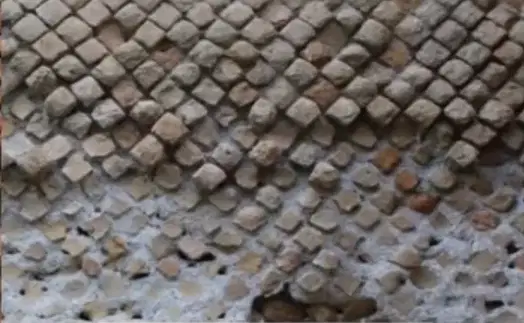
OPUS LATERICIUM
OPUS RETICULATUM
OPUS TESTACEUM
Lime and Silica
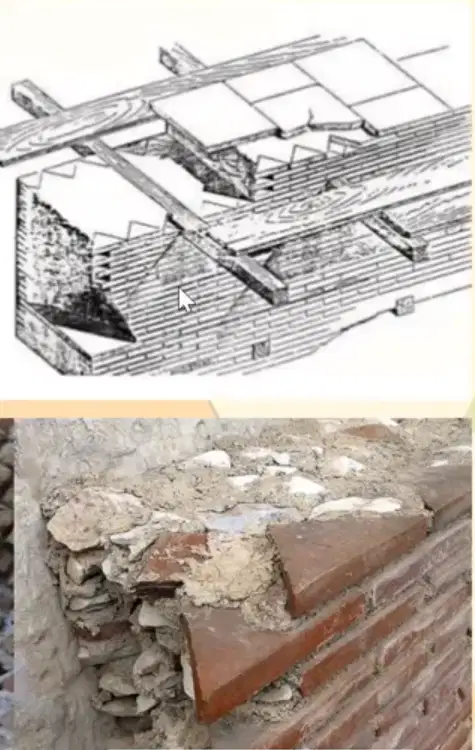
OPUS LATERICIUM
OPUS RETICULATUM
OPUS TESTACEUM
Lime and Silica
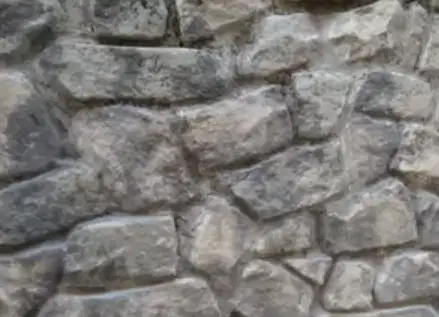
OPUS LATERICIUM
OPUS CAEMENTICIU,
OPUS TESTACEUM
OPUS INCERTUM
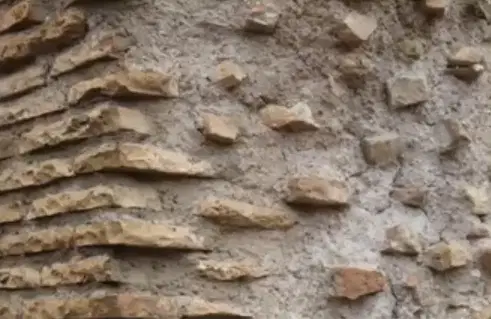
OPUS MIXTUM
OPUS CAEMENTICIUM
OPUS TESTACEUM
OPUS INCERTUM
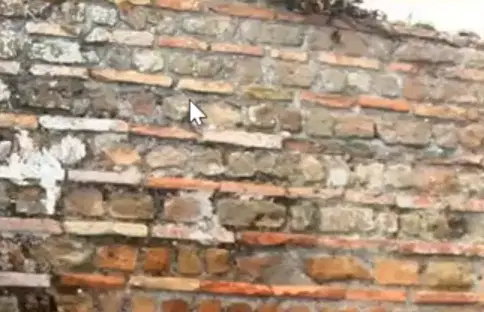
OPUS MIXTUM
OPUS CAEMENTICIUM
OPUS TESTACEUM
OPUS INCERTUM
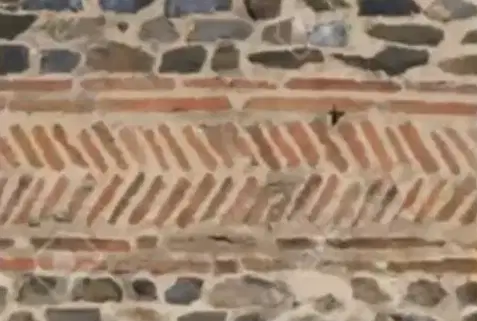
OPUS MIXTUM
OPUS TESSELATUM
OPUS SPICATUM
OPUS QUADTRATUM
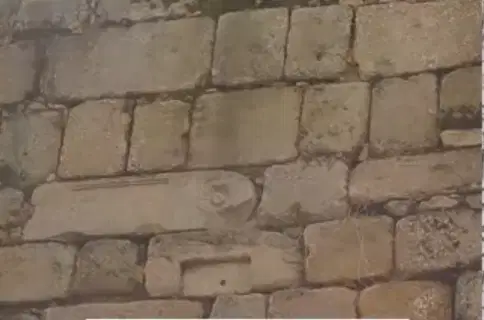
OPUS MIXTUM
OPUS TESSELATUM
OPUS SPICATUM
OPUS QUADTRATUM

OPUS MIXTUM
OPUS TESSELATUM
OPUS SPICATUM
OPUS QUADTRATUM
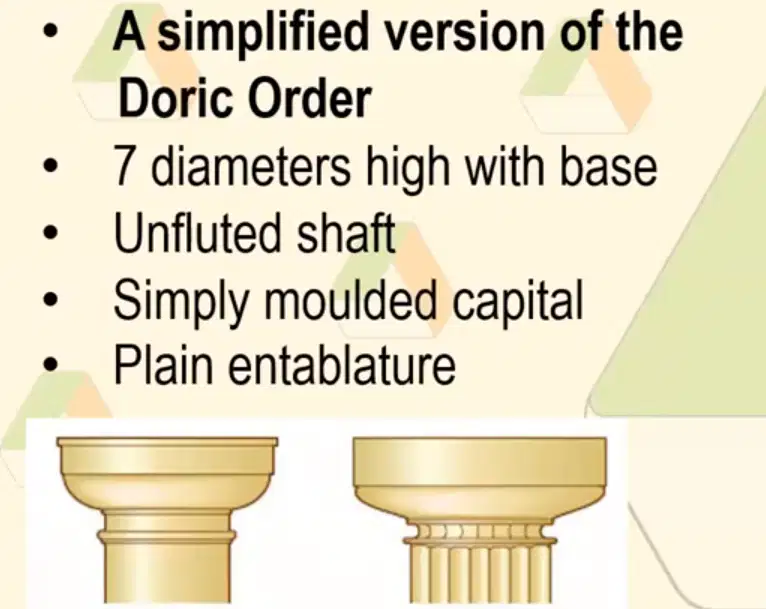
TUSCAN ORDER
DORIC ORDER
IONIC ORDER
COMPOSITE
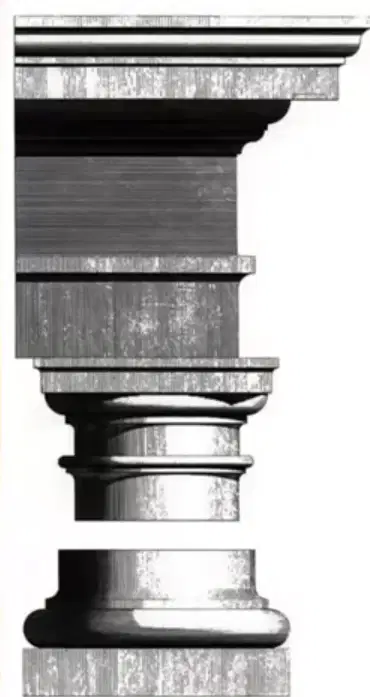
TUSCAN ORDER
DORIC ORDER
IONIC ORDER
COMPOSITE

TUSCAN ORDER
DORIC ORDER
IONIC ORDER
COMPOSITE
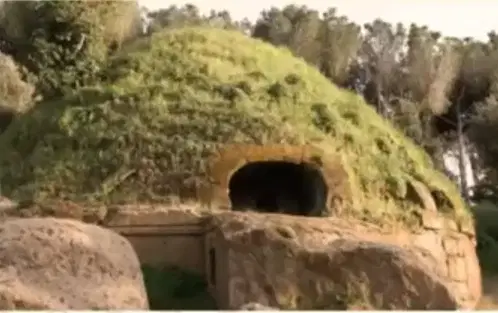
ETRUSCAN NECROPOLIS, CERVETERI
TUMULUS
TUMULI
MAUSOLEUM OF AUGUSTUS

Campus Martius in Rome, Italy
One of the 1st projects initiated by Augustus in the city of Rome following his victory at the Battle of Actium (naval battle) in 31 BC
ETRUSCAN NECROPOLIS, CERVETERI
TUMULUS
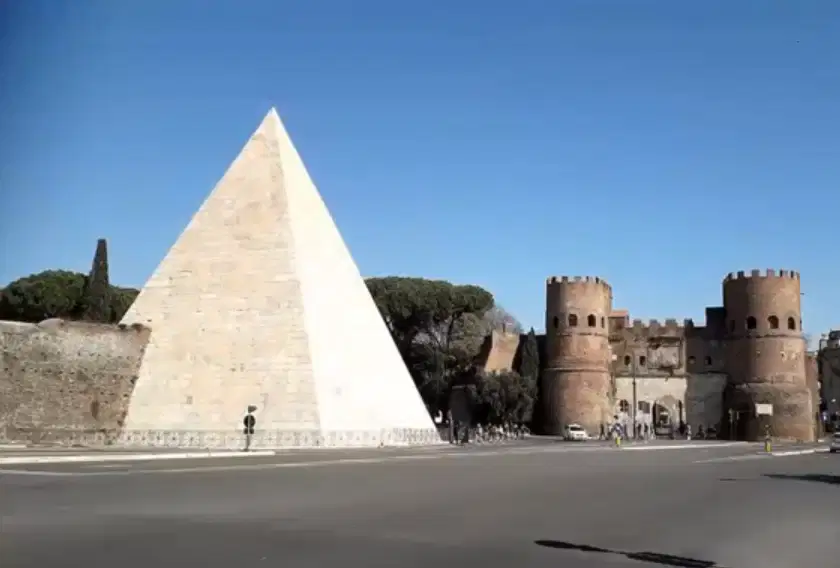
PYRAMNID OF CESTIUS
Porta San Paolo in Rome, Italy
MAUSOLEUM OF AUGUSTUS
ETRUSCAN NECROPOLIS, CERVETERI
CLOACA MAXIMA
Rome
PYRAMNID OF CESTIUS
Porta San Paolo in Rome, Italy
MAUSOLEUM OF AUGUSTUS
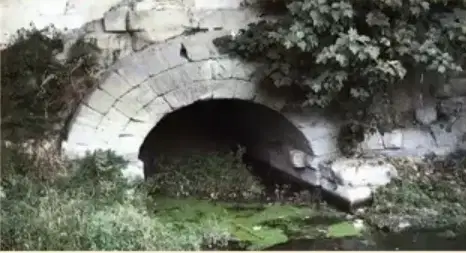
First constructed by the Estruscans as an open drain for the valleys between the hills of Rome
ETRUSCAN NECROPOLIS, CERVETERI
Culvert
CLOACA MAXIMA
Rome
PYRAMNID OF CESTIUS
Porta San Paolo in Rome, Italy
MAUSOLEUM OF AUGUSTUS

ETRUSCAN NECROPOLIS, CERVETERI
Culvert
CLOACA MAXIMA
Rome
PYRAMNID OF CESTIUS
Porta San Paolo in Rome, Italy
AMPHITHEATER
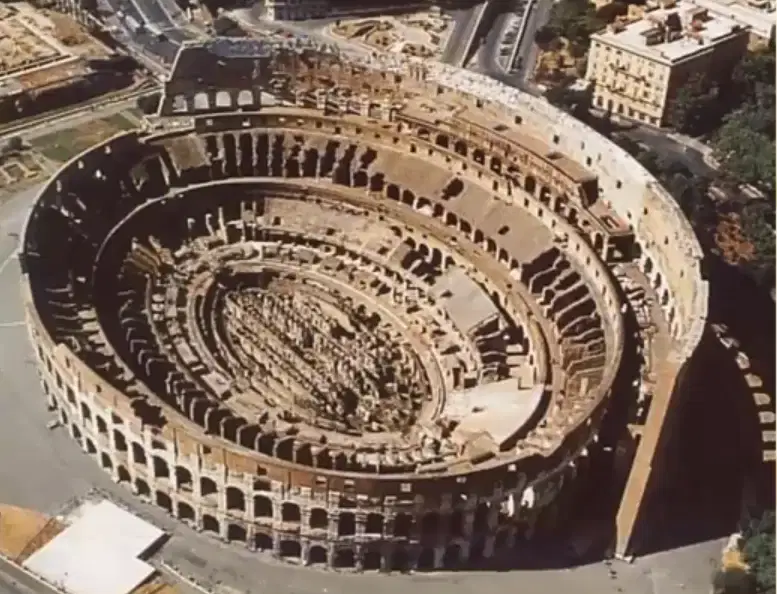
Oval ang Amphitheater
Started by Emperor Vespasian of the Flavian dynasty (72 AD)
Finished by his son Titus (80 AD)
ETRUSCAN NECROPOLIS, CERVETERI
Roman Colosseum
or
Flavian Amphitheater
PYRAMNID OF CESTIUS
Porta San Paolo in Rome, Italy
AMPHITHEATER
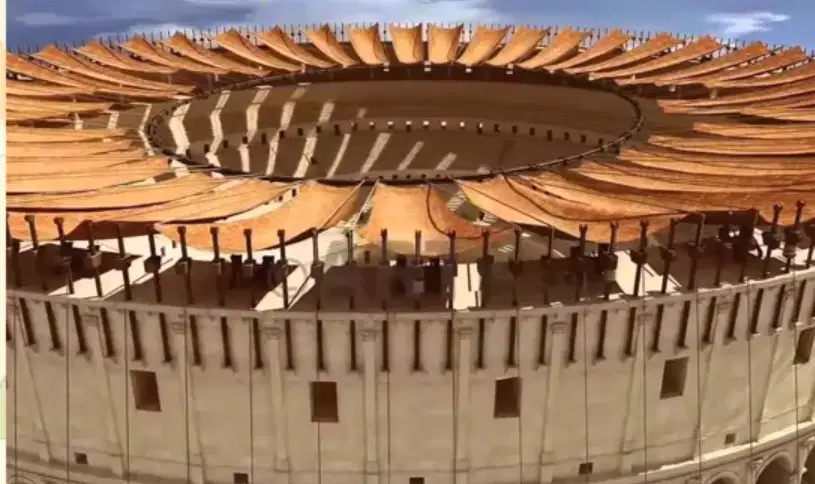
ETRUSCAN NECROPOLIS, CERVETERI
Roman Colosseum
or
Flavian Amphitheater
The Velarium
AMPHITHEATER

Superposed or Superpositioned
1 order = 1 storey
ETRUSCAN NECROPOLIS, CERVETERI
Roman Colosseum
or
Flavian Amphitheater
The Velarium
AMPHITHEATER
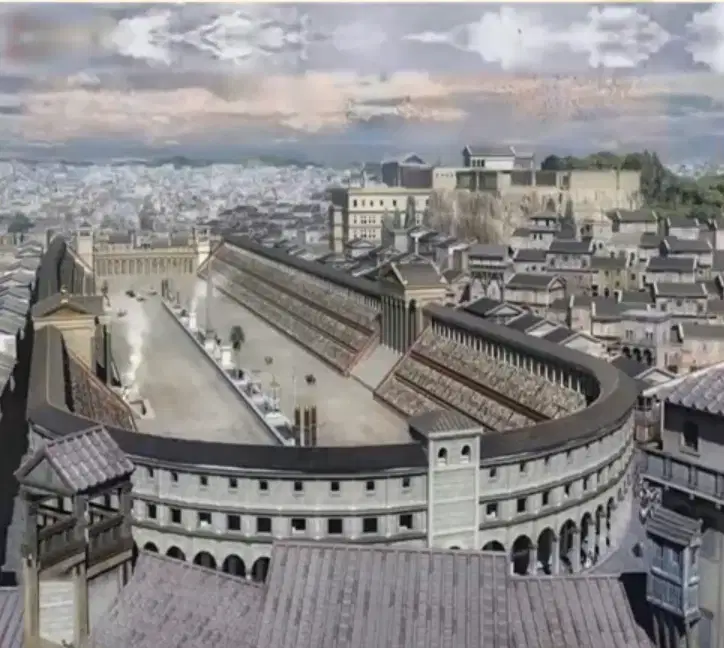
1st largest stadium in Ancient Rome
621m (2,037 ft) in length x 118m (387 ft) in width
ETRUSCAN NECROPOLIS, CERVETERI
Roman Colosseum
or
Flavian Amphitheater
The Velarium
Circus Maximus
Rome, Italy
Plays, pantomimes, choral events, and orations
ETRUSCAN NECROPOLIS, CERVETERI
Roman Colosseum
or
Flavian Amphitheater
Theater
Circus Maximus
Rome, Italy

A ___ theater plans 1/2 of a circle
Roman Theater
Roman Colosseum
or
Flavian Amphitheater
Theater
Greek Theater
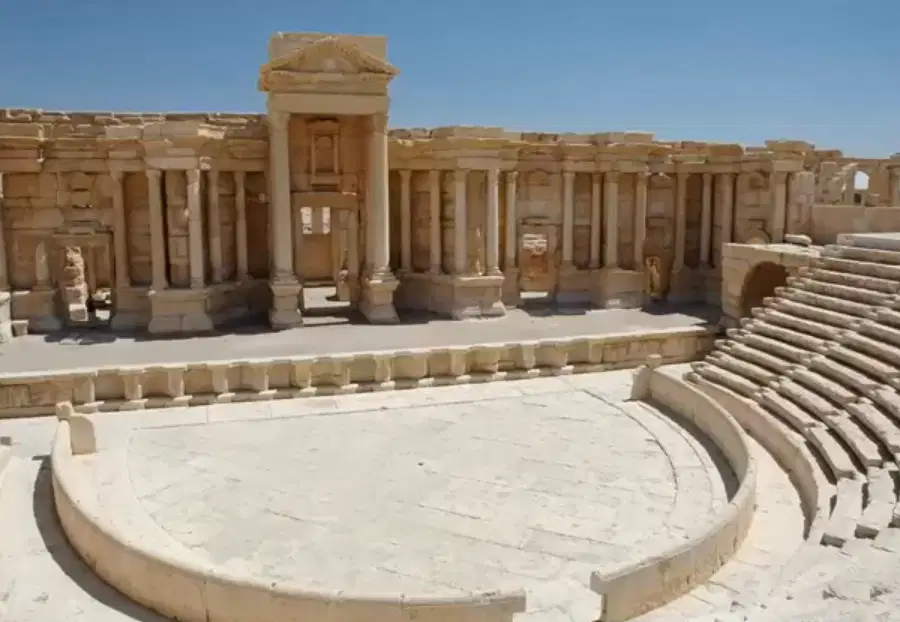
Syria
Epidaurus
Roman Colosseum
or
Flavian Amphitheater
PALMYRA THEATER
northeast of Damascus
Greek Theater
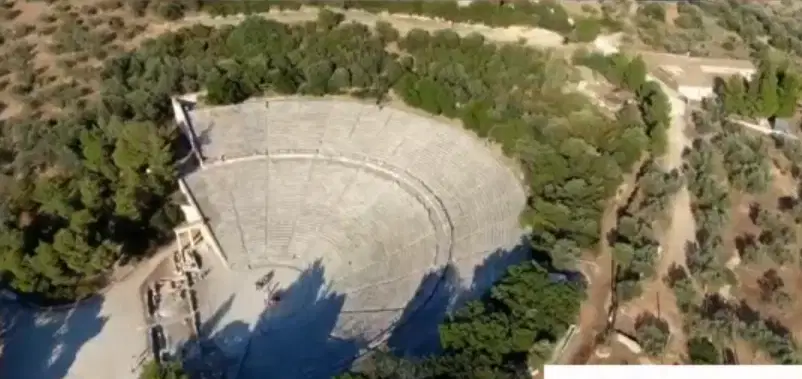
Epidaurus
Roman Colosseum
or
Flavian Amphitheater
PALMYRA THEATER
northeast of Damascus
Greek Theater
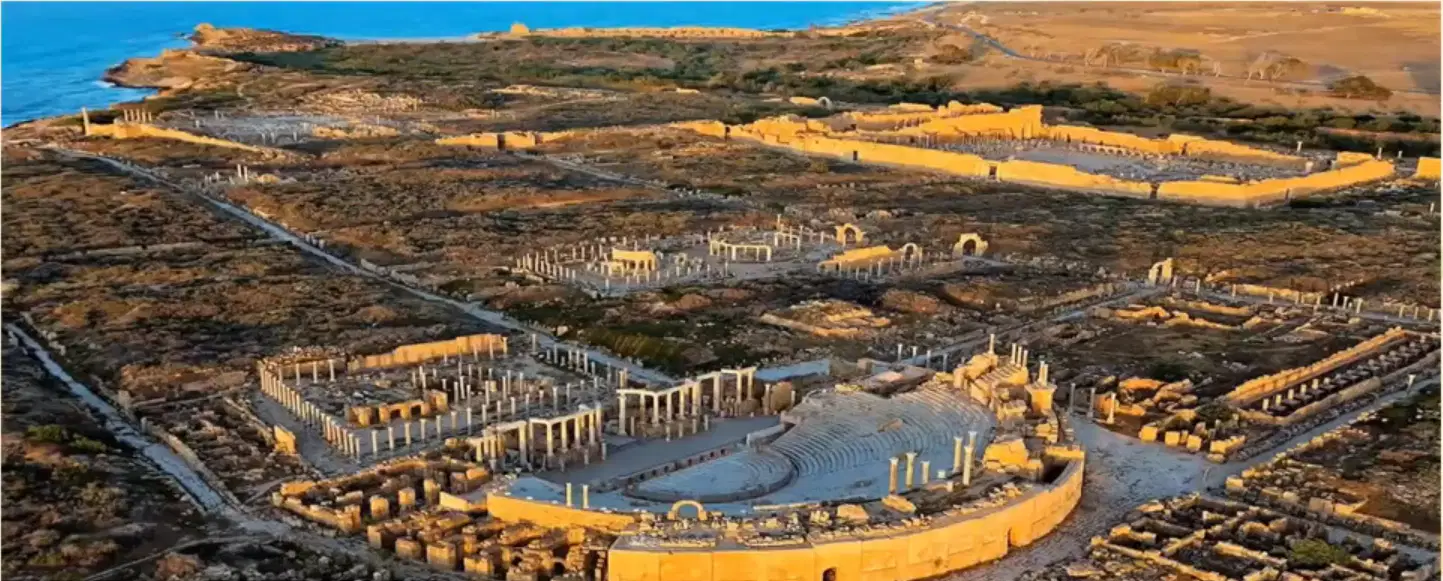
in southeast of Tripoli
Epidaurus
Roman Colosseum
or
Flavian Amphitheater
PALMYRA THEATER
northeast of Damascus
Leptis Magna
Libya
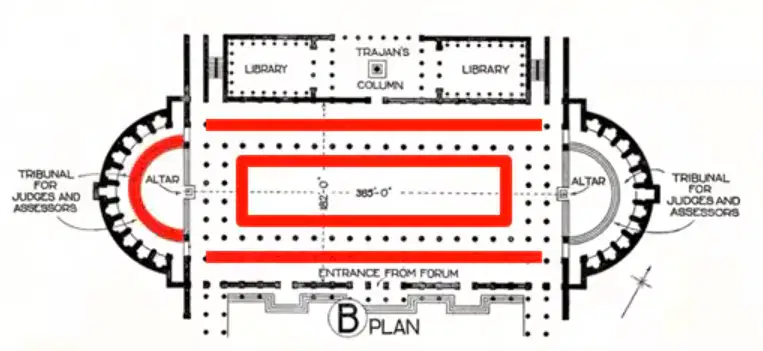
Large roofed hall erected for transacting business and disposing of legal matters
Basilica
Roman Colosseum
or
Flavian Amphitheater
PALMYRA THEATER
northeast of Damascus
Leptis Magna
Libya

Basilica
Roman Colosseum
or
Flavian Amphitheater
PALMYRA THEATER
northeast of Damascus
Leptis Magna
Libya

Marketplace; a gathering place of great social significance and political discussions, Debates, Rendezvous, Meetings etc
Basilica
Roman Colosseum
or
Flavian Amphitheater
Forum
Leptis Magna
Libya
conductor of water, brought water into cities from vast distances
Pont Du Gard
Gard River in France
Roman Colosseum
or
Flavian Amphitheater
Forum
Aqueduct
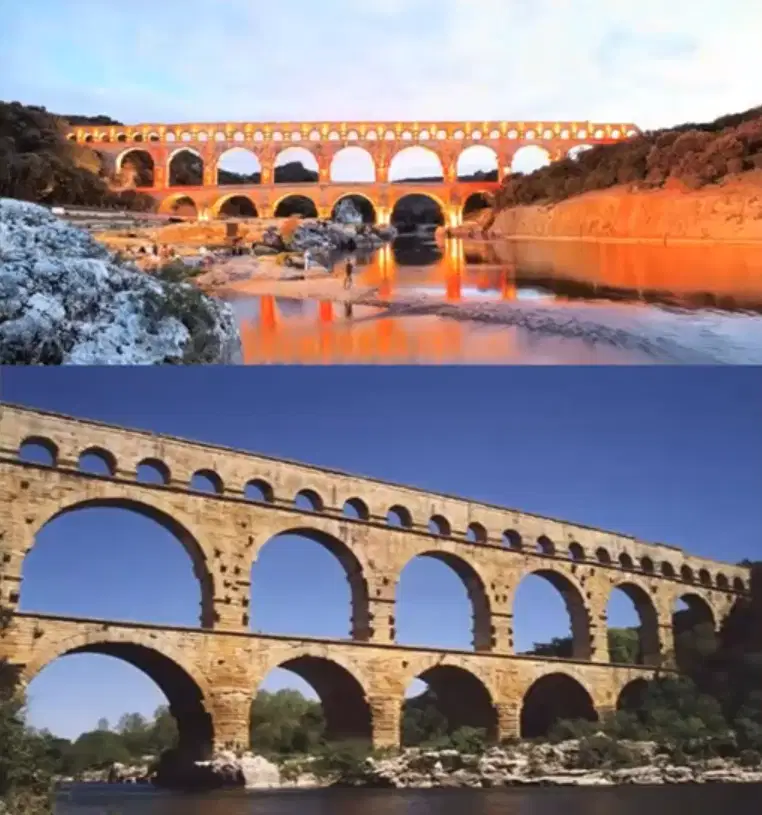
Pont Du Gard
Gard River in France
Roman Colosseum
or
Flavian Amphitheater
Forum
Aqueduct
Roman bridges made of stone serve as part of the road system
Pont Du Gard
Gard River in France
Pons
Forum
Aqueduct
Roman bridges made of stone serve as part of the road system
Pont Du Gard
Gard River in France
Pons
Forum
Aqueduct
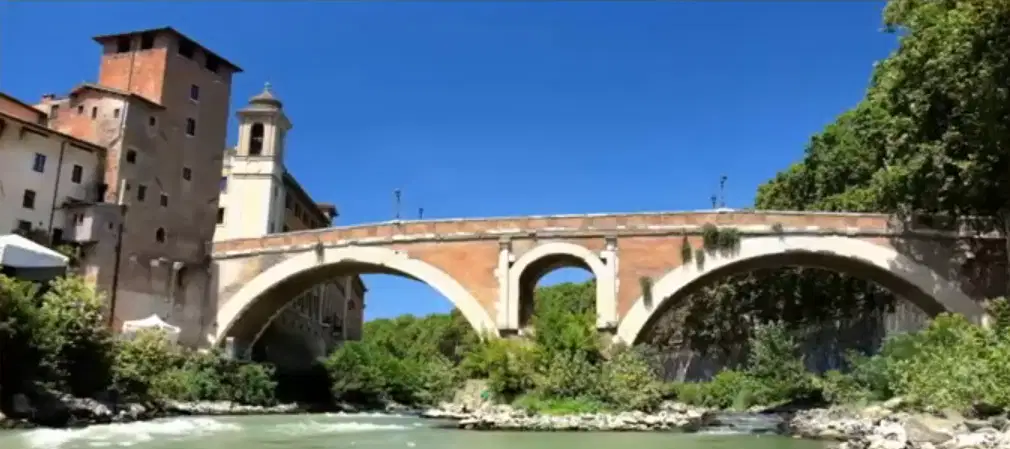
Roman bridges made of stone serve as part of the road system
Pont Du Gard
Gard River in France
Pons
Ponte Milvio
Pons Fabricius
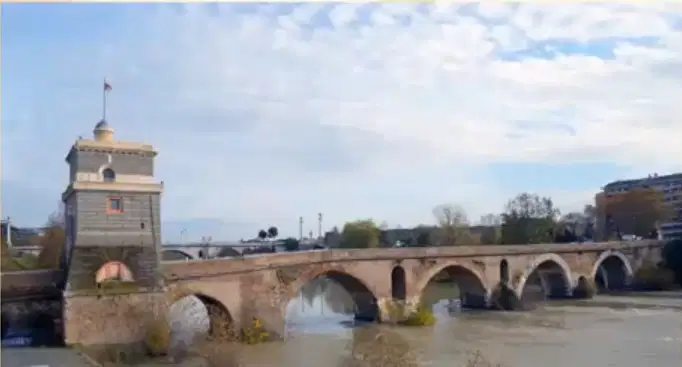
Pont Du Gard
Gard River in France
Pons
Ponte Milvio
Pons Fabricius
Commemorated victories in war
Pont Du Gard
Gard River in France
Triumphal Arches
Ponte Milvio
Pons Fabricius
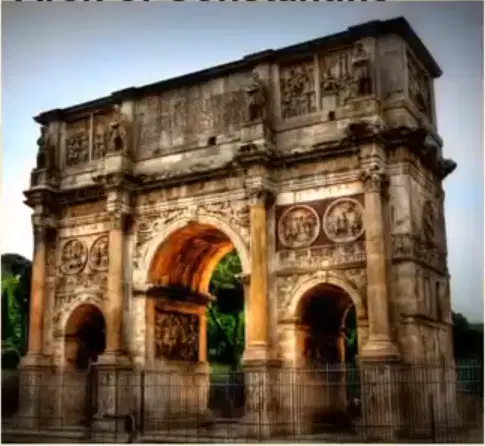
Commemorate Constantine's victory over his enemy Maxentius (312 AD)
Pont Du Gard
Gard River in France
Triumphal Arches
Arch of Titus
Arch of Constantine
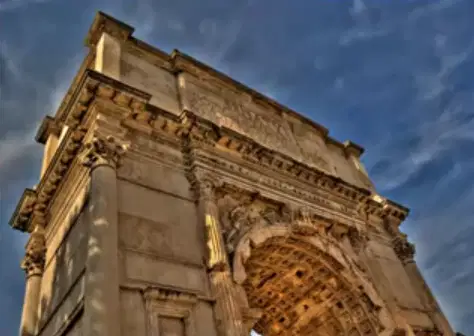
Earliest style of triumphal arch, erected by Domitian (81 C). Commemorates the victories of his father Vespasian and brother Titus in the Jewish War in Judaea (70-71 CE)
Pont Du Gard
Gard River in France
Triumphal Arches
Arch of Titus
Arch of Constantine
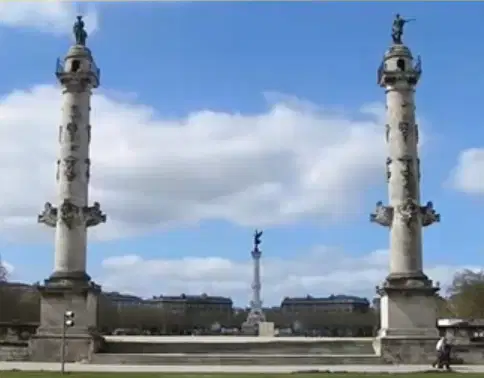
Victory Column to commemorate a naval military victory
Pont Du Gard
Gard River in France
Triumphal Arches
Rostra
Rostral Column
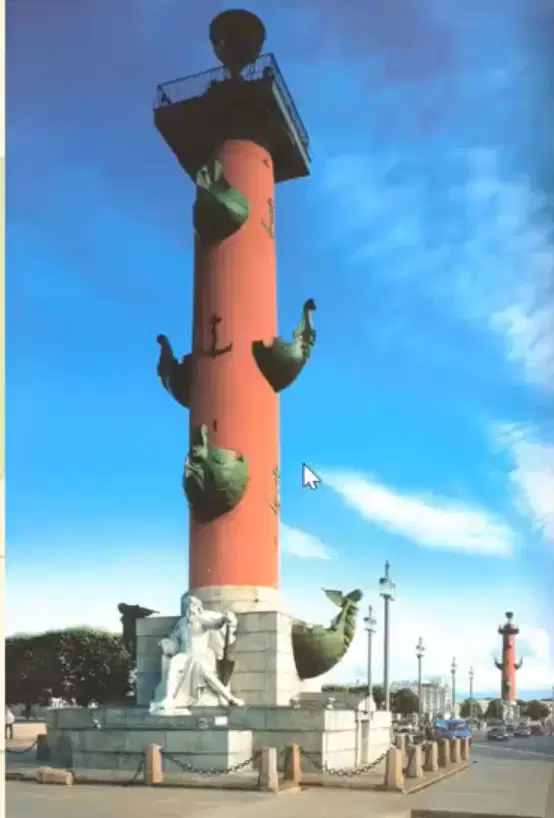
prows or rams of captured ships mounted on the columns
Pont Du Gard
Gard River in France
Triumphal Arches
Rostra
Rostral Column
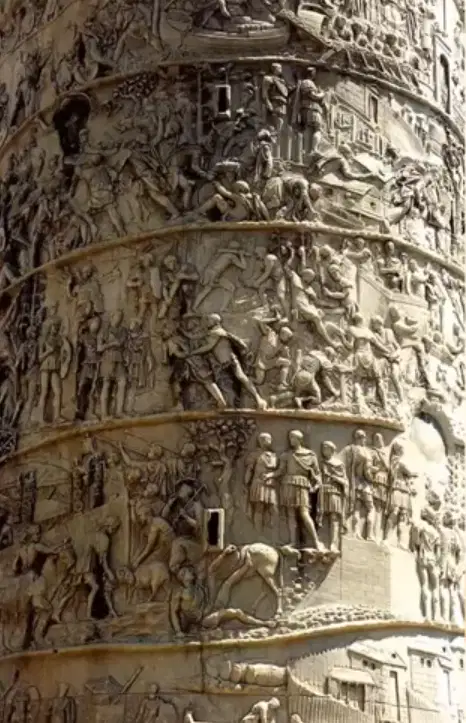
Victory Column or Monumental Column
Rostra
Rostral Column
Trajan's Column
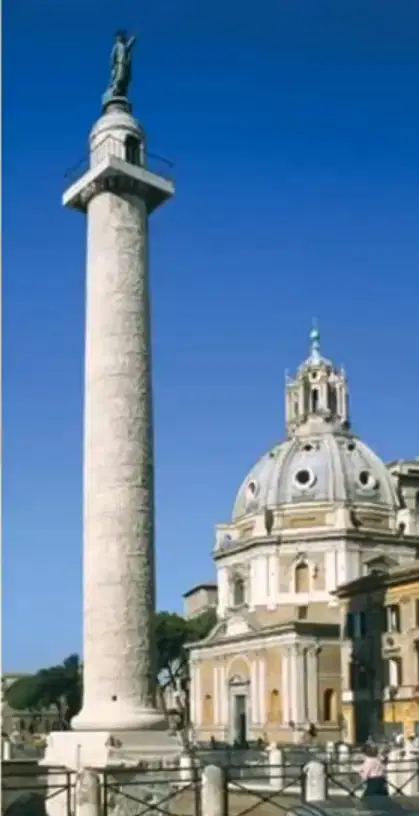
Erected in 113 AD in honor of Emperor Trajan
Victory Column or Monumental Column
Rostra
Rostral Column
Trajan's Column
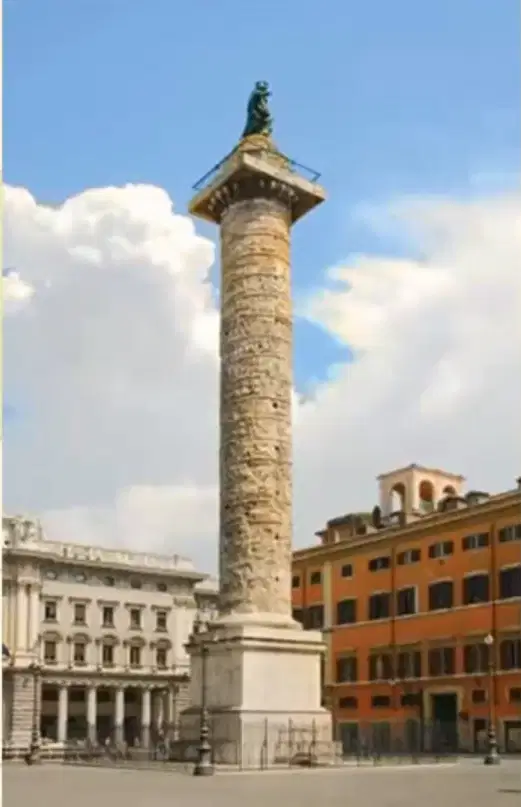
A Doric Column featuring a spiral relief
Rostra
Rostral Column
Trajan's Column
Column of Marcus Aurelius

Dome on a circular plan, Built by Emperor Hadrian (AD 117 - 138), Comissioned by Marcus Agrippa
Architect: Apollodorus of Damascus
The Pantheon
Rostral Column
Trajan's Column
Column of Marcus Aurelius

Rectangular Temple
The Pantheon
Rostral Column
Column of Marcus Aurelius
Maison Carree
Bath houses provided for private villas, town houses and forts
Thermae
Balneum
Column of Marcus Aurelius
Maison Carree
Facility for public bathing, exercising and socializing, includes wrestling and weight lifting, swimming
Thermae
Balneum
Apodyterium
Maison Carree
for undressing and dressing
Thermae
Balneum
Apodyterium
Maison Carree
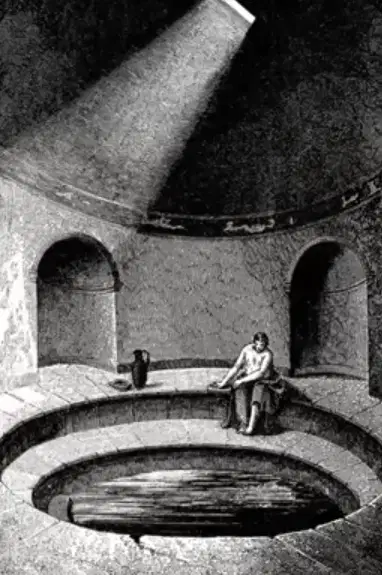
cold room
Balneum
Apodyterium
Frigidarium
Tepidarium
warm room
Balneum
Apodyterium
Frigidarium
Tepidarium
hot room
Apodyterium
Frigidarium
Tepidarium
Calidarium or Caldarium
dry, sweating room
Apodyterium
Laconicum or Laconium
Tepidarium
Calidarium or Caldarium
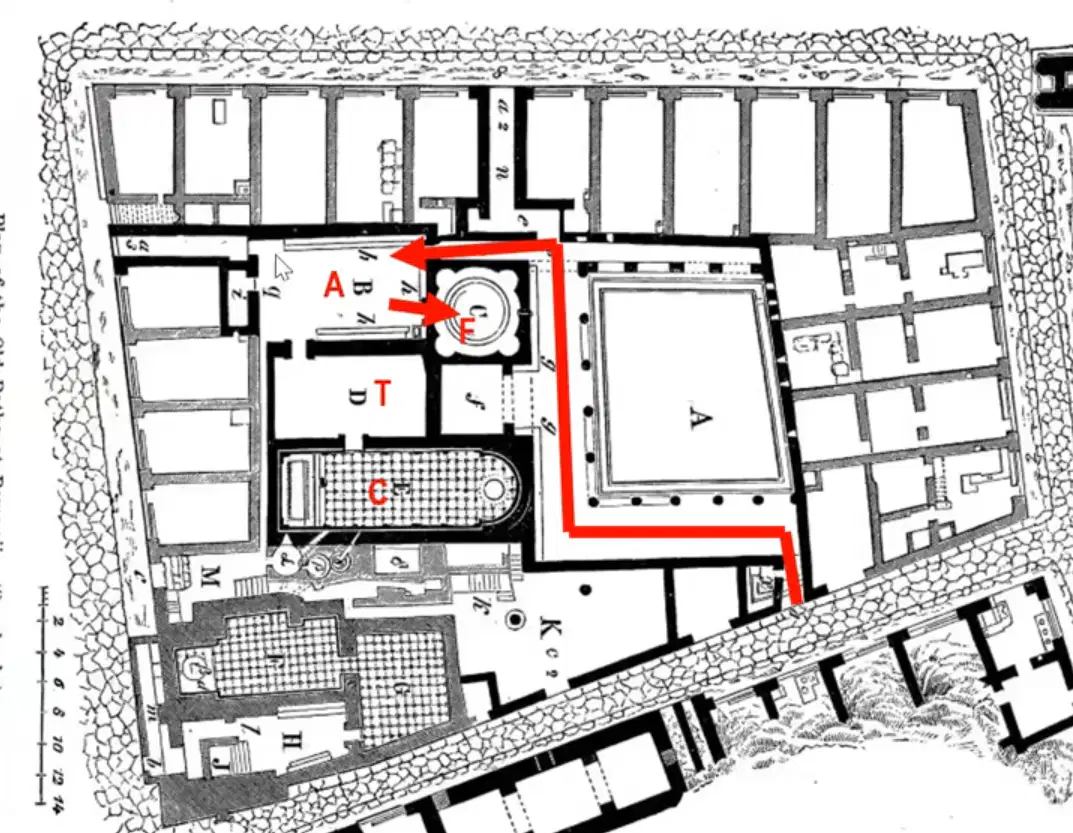
Tepidarium
Calidarium or Caldarium
Thermae in Pompei
Trajan's Bath
Exedra
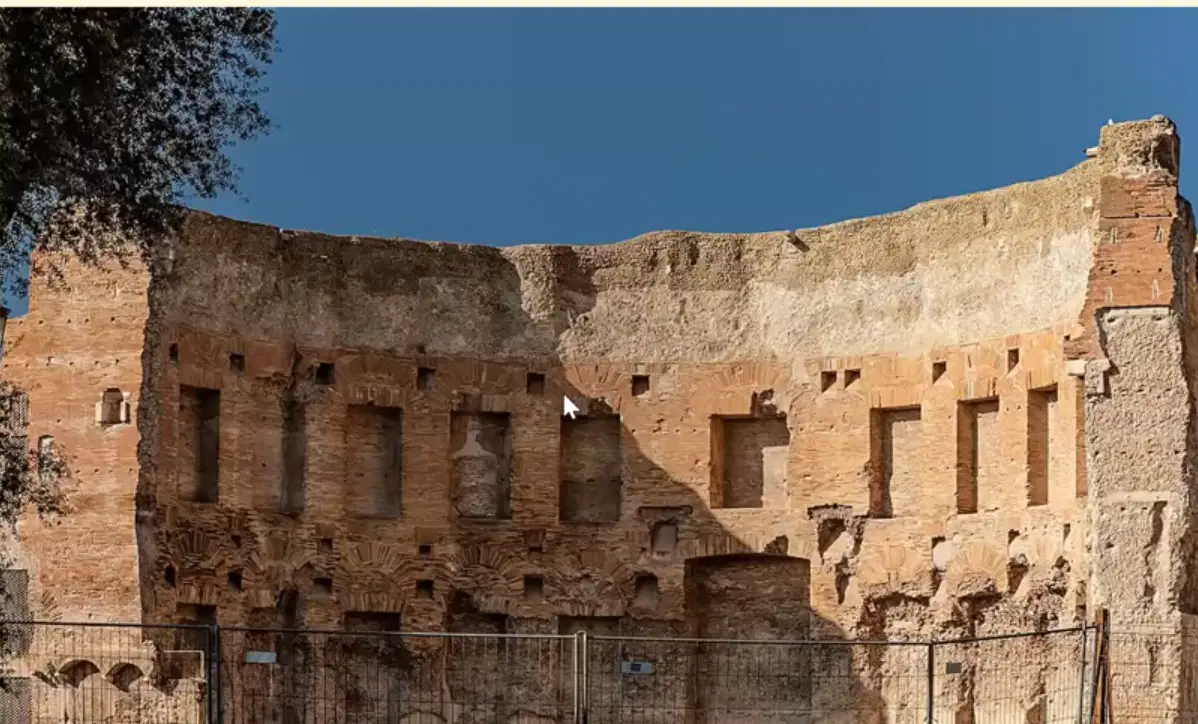
Tepidarium
Calidarium or Caldarium
Thermae in Pompei
Trajan's Bath
Exedra
Tepidarium
Calidarium or Caldarium
Thermae in Pompei
Trajan's Bath
Exedra

