Worksheets
Unit 07 War to War Spring
Total questions: 455
Worksheet time: 5hrs 47mins

The 1920s are commonly known as (a) .
The Roaring 20s
The Soaring 20s
Reconstruction
The Era of Good Feelings

Which quote by Calvin Coolidge best exemplifies the 1920s?
"The chief business of the American people is business."
"I'm not a businessman. I'm a business, man."
"Killing is my business and business is good."
"Greed is good."

Which term best describes the government's hands-off policies during the 1920s? (a)
Laissez-faire capitalism
Democratic socialism
Direct democracy
Marxism

Which political party dominated the 1920s?
The Republican Party
The Democratic Party
The Populist Party
The American Socialist Party

Which presidency from the 1920s is often associated with corruption?
The presidency of Warren Harding
The presidency of Calvin Coolidge
The presidency of Herbert Hoover
The presidency of Franklin Delano Roosevelt

The scandal most often associated with the Harding presidency is (a) .
The Teapot Dome Scandal
The Credit Mobilier Scandal
The Watergate Scandal
The Gulf of Tonkin incident

Which member of Warren G. Harding's cabinet, also known as the "Ohio Gang", was convicted of a federal crime for taking bribes from oil companies in the Teapot Dome scandal?
Albert Fall
Joseph B. Foraker
Harry M. Daugherty
Jesse W. Smith

What innovation in manufacturing spurred industrial growth in the 1920s?
Henry Ford's moving assembly line method.
The repayment of war debts by European countries.
Skyscrapers.
Improved infrastructure such as paved roads.

The automobile industry became the backbone of the American economy during the 1920s, with automobile production tripling. Which three companies were known as the "big three"?
Ford
Chrysler
General Motors
Harley-Davidson

Which of the following are examples of new industries from the 1920s?
Aviation
Chemicals
Radio
Computers

Which of the following are examples of time-saving devices that became popular in the 1920s? (a)
Refrigerators
Toaster ovens
Washing machines
Vacuums
All of the above

Which American industry moved to California shortly before World War I and became the world's leading producer in the 1920s?
The movie industry, "Hollywood".
The radio industry.
Baseball, The Brooklyn Dodgers which became the L.A. Dodgers.
The Boxing Industry

Who was the most notable celebrity of the 1920s? He was the first man to fly nonstop from the U.S. to Europe.
Charles Lindbergh
Babe Ruth
Charlie Chaplin
Rudolph Valentino

What is the name of the group of authors, including Ernest Hemingway and F. Scott Fitzgerald, who lived abroad during this period and wrote many classic works?
The Lost Generation
The Greatest Generation
Flappers
Post Modernist

What is the name of the large-scale movement of African Americans from the South to industrialized northern cities (and to a lesser extent, western cities) slightly before and during the 1920s?
The Great Migration
The American Exodus
The Gold Rush
Manifest Destiny

Which part of New York City became the cultural center of Black America?
Harlem
The Bronx
Staten Island
Manhattan

Women experienced greater autonomy during the 1920s. Which group best exemplifies this?
Flappers
Barnstormers
Bootleggers
Fundamentalists

Was wealth equally distributed during the 1920s?
Yes
No

What became the financial capital of the U.S., where large fortunes were made by selling and trading stocks?
Wall Street
Broadway
Fifth Avenue
Boardwalk

During the 1920s, manufacturing began to move from New England to which region where labor was cheaper?
The South
The Midwest
The West
American territories

Which group of Americans experienced tough times during the 1920s as mechanization and low prices hurt their industry?
Farmers
Manufacturers
Skilled tradesmen
Labor unions

Which group, opposed to immigrants, Jews, and Catholics, reemerged in the 1920s?
KKK (Ku Klux Klan)
ALU (American Labor Union)
IWW (International Workers of the World)
ACLU (American Civil Liberties Union)

The quota system on immigration in the 1920s was the most strict with which people group? (a)
Asians
Eastern Europeans
Western Europeans
Latinos

Which famous trial from the 1920s best epitomizes the debate between Christian fundamentalists and progressive science-minded thinkers of the time?
The Scopes Monkey Trial
Brown v. Board of Education
Scott v. Sanford
Sacco and Vanzetti Trial

What allowed Americans to purchase items they could otherwise not afford?
Credit
Debt
Interest
All of the above
Which are the following were post-WWI problems for the US?
The US population was sick of influenza.
Spanish Flu
The US population was sick of intervention
Move toward isolationism rejection of League of Nations.
The US experienced a backlash to the Great Migration
Red Summer
(Race Riots)
The US experienced a wave of radical violence.
Red Summer
(Reaction to fears of Anarchists & socialists)
Put the post-WWI war events in the order in which they occurred.
Russian Revolution
Red Scare
(Series of bombings by radical anarchists)
Palmer Raids
Immigration Acts 1924
Rejection of many European Jews fleeing the Holocaust

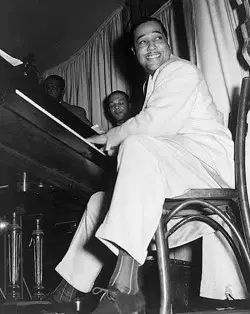
The flowering of African American art (Jazz) & literature in the 1920s is commonly known as?
(a)
Put the Presidents in order when they were in office.
Woodrow Wilson (Democrats)
Warren G. Harding
(Republican)
Calvin Coolidge (Republican)
Herbert Hoover
(Republican)
Franklin D. Roosevelt
(Democrat)
Match the exceptions to US isolationism during the 1920s.
Washington Naval Conference
Plan to prevent the naval arms race (another World War).
Dawes Plan
US bailout plan for Germany to help pay their reparations.
Kellogg - Briand Pact
Proposed plan to outlaw the use of war.
18th Amendment
Prohibition Volstead Act
19th Amendment
Women's Suffrage (Right to Vote)
21st Amendment
Repeal of Prohibition Volstead Act
The following is a poem by Claude McKay: If we must die, let it be not like hogs. Hunted and penned in an inglorious spot, While round us bark the mad and hungry dogs, Making their mock at our accursed lot. If we must die, O let us nobly die, So that our precious blood may not be shed In vain; then even the monsters we defy Shall be constrained to honor us though dead! O kinsmen! we must meet the common foe! Though far outnumbered let us show us brave And for their thousand blows deal one deathblow! What though before us lies the open grave? Like men we'll face the murderous, cowardly pack, Pressed to the wall, dying, but fighting back!
This poem is a reaction to the violence of the Red Summer
This poem is a reaction to the Great Migration
This poem is a reaction to the treatment of African American troops in WWI.
This poem is a reaction to the Southern Sharecropping.

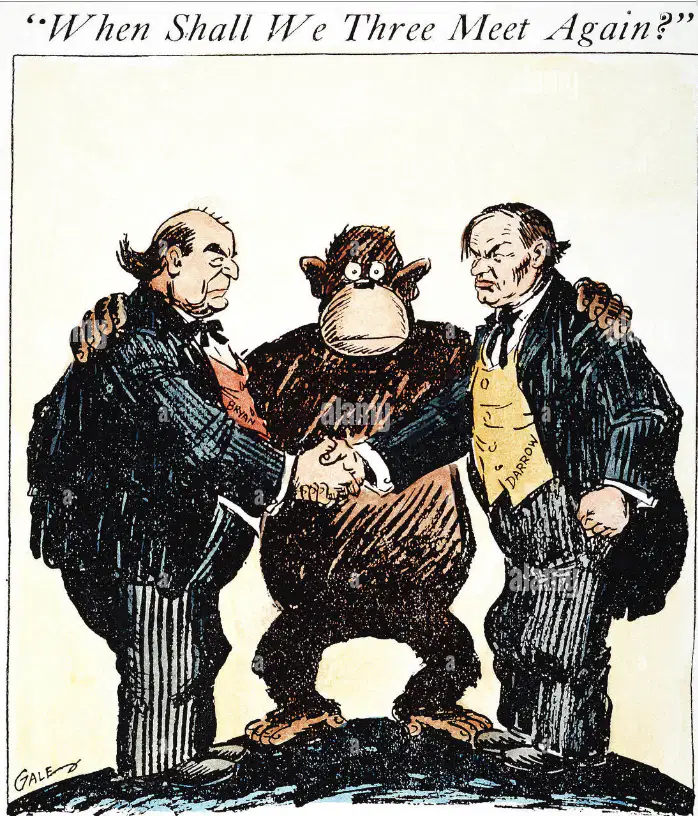
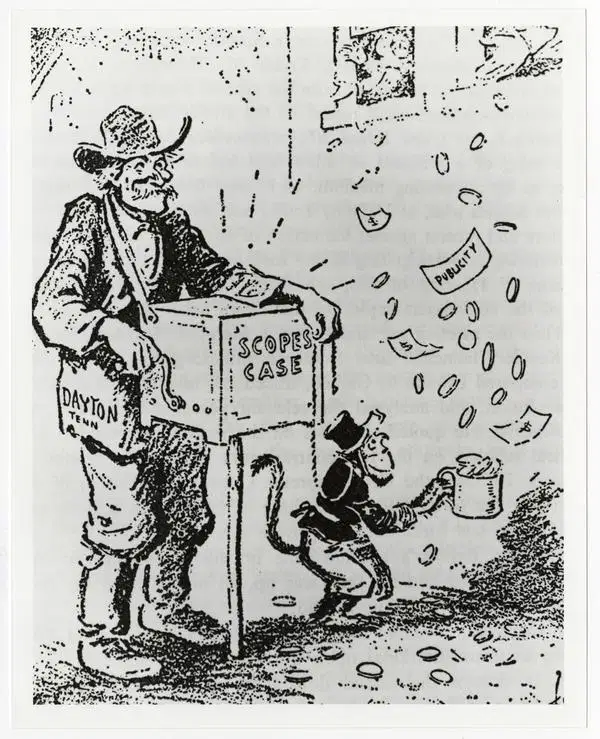
The 1925 Scopes Monkey Trial was a symbolic battle between (a) and Progressivism (science).

In the context of the New Deal, what does NRA stand for?
The National Recovery Administration
The National Rifle Association
The National Rehabilitation Act
The National Residency Association

Which President had a mediocre response to the Great Depression?
Herbert Hoover
Franklin Delano Roosevelt
Calvin Coolidge
Harry S. Truman

Franklin Delano Roosevelt's plan for economic recovery became known as the:
New Deal
Square Deal
Raw Deal
Green New Deal

Which amendment repealed the prohibition on alcohol?
The 18th Amendment
The 19th Amendment
The 20th Amendment
The 21st Amendment

Which of the following is the best summary of the New Deal?
A set of government programs intended to fix the depression and prevent another.
A set of international programs intended to fix the global depression and prevent another.
A set of government programs intended to reform big business and workers' rights.
A set of government programs to ensure the rights of women.

Crash Course categorizes New Deal programs into which three categories (3 R's)?
Relief
Recovery
Reform
Resilience

The first phase of the New Deal is often associated with:
the first 100 days of FDR's Presidency
the first term of FDR
the promises kept by FDR
the New Deal policies before WWII

This New Deal organization paid young people to build things such as National Parks.
C.C.C. - Civilian Conservation Corps
F.E.R.A. - Federal Emergency Relief Agency
W.P.A. - Works Progress Administration
T.V.A. - Tennessee Valley Authority

This New Deal policy encouraged farmers to destroy some crops and subsidize others. It was later found unconstitutional.
AAA - Agricultural Adjustment Agency
NRA - National Recovery Administration
NLRA - National Labor Relations Act
SSA (SSI) - Social Security Administration

This New Deal legislation prohibited commercial banks from buying and selling stocks.
Glass-Steagall Act
Wagner Act
Fair Credit Reporting Act
Fair Debt Collection Practices Act

This organization was designed for government planners and business leaders to work together in coordinating industry standards for production, prices, and working conditions.
N.R.A. National Recovery Administration
A.A.A. Agricultural Adjustment Act
C.C.C. Civilian Conservation Corps
F.E.R.A. Federal Emergency Relief Administration

This organization was formed during FDR's first hundred days to provide welfare payments to people in need.
N.R.A. National Recovery Administration
A.A.A. Agricultural Adjustment Act
C.C.C. Civilian Conservation Corps
F.E.R.A. Federal Emergency Relief Administration

Government intervention reached its highest point with this program, which built a series of dams to control floods, prevent deforestation, and provide cheap electric power to people in rural counties in seven southern states. However, it was controversial because it put the government in direct competition with private companies.
TVA - Tennessee Valley Authority
CWA - The Civil Works Administration
CCC - Civilian Conservation Corps
NRA - National Recovery Administration

This controversial New Deal plan gave the government the power to try to raise farm prices by setting production quotas and paying farmers to plant less food and slaughter livestock.
N.R.A. National Recovery Administration
A.A.A. Agricultural Adjustment Act
C.C.C. Civilian Conservation Corps
F.E.R.A. Federal Emergency Relief Administration
Which two New Deal Programs were struck down as unconstitutional with the rulings of U.S. v. Butler and The Schechter Poultry Corp. v. U.S. "sick chicken" case?
N.I.R.A. The National Industrial Recovery Act
A.A.A. Agricultural Adjustment Act
C.C.C. Civilian Conservation Corps
F.E.R.A. Federal Emergency Relief Administration

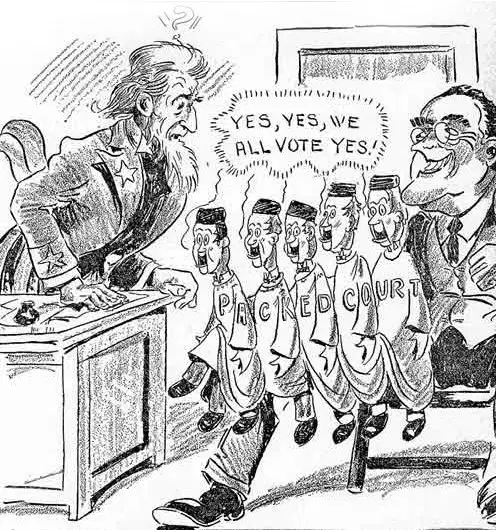
The Supreme Court's ruling against some of FDR's New Deal programs led him to propose a law that would allow him to appoint new Supreme Court justices if sitting justices reached the age of 70 and failed to retire. This unpopular action was known as?
court packing
a jerk move
gerrymandering
subpoena

What is the period following FDR's first 100 days, during which the Supreme Court began to uphold the constitutionality of New Deal policies, known as?
The first phase of the New Deal (First New Deal)
The second phase of the New Deal (Second New Deal)
The third phase of the New Deal (Third New Deal)
The fourth phase of the New Deal (Fourth New Deal)

Which of the following plans are often associated with the Second New Deal?
The National Labor Relations Act (Wagner Act)
Social Security Act
Agricultural Adjustment Act
National Industrial Recovery Act
"Refusing to allow people to be paid less than a living wage preserves our own market. There is absolutely no use in producing anything if you gradually reduce the number of people able to buy even the cheapest products. The only way to preserve our markets is an adequate wage." The following quote is from which key individual from this period?
Eleanor Roosevelt
FDR
Harry Hopkins
Mary McLeod Bethune

Which of the following best describes the strike method used by the United Auto Workers (UAW) for better working conditions during this period?
Sit-down strike.
Lock-in.
Violent.
Non-violent.

The Second New Deal Plan included unemployment insurance, aid to the disabled, aid to poor families with children, and retirement benefits. It was, and is, funded through payroll taxes rather than general revenue.
The National Labor Relations Act (Wagner Act)
Social Security Act
Agricultural Adjustment Act
National Industrial Recovery Act

The Works Progress Administration (WPA) employed:
Painters
Actors
Photographers
All of the above.

The popularity of FDR and his policies brought which minority into the Democratic party?
African Americans
Urban progressives
Jews
Catholics
All of the above
Did the New Deal end the Depression?
No
Yes

The Presidency of FDR and the New Deal made which two groups reliably Democratic voters since?
African Americans
Union Workers
White Southerners
White Northerners

FDR's presidency and the New Deal shifted Americans' thinking forward, associating all government policy with which entity?
The President
Congress
The Supreme Court
The Senate

According to this episode, what events shaped Americans' opinion on foreign policy prior to WWII?
The Great Depression
World War I
The Civil War
The Good Neighbor Policy

The period between World War I and World War II is often seen as an age of
isolationism.
intervention.
entanglement.
optimism.

Which of the following are examples of America not being as isolationist as some portray?
America's role in the Washington Naval Treaties.
America's entry into the League of Nations.
America's pursuit of the Good Neighbor Policy in South America.
America's greater role in world trade.

Which of Congress's actions reinforced the idea of American isolationism prior to WWII?
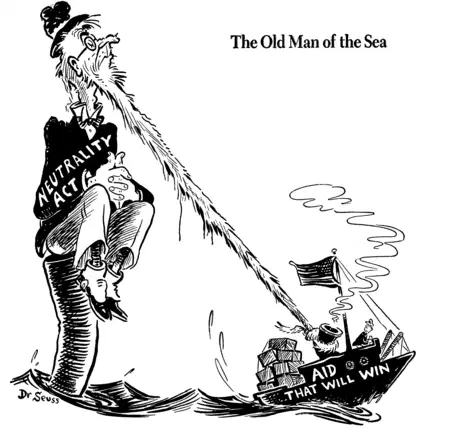
The Neutrality Acts
The Lend-Lease Act
The Cash & Carry Policy
All of the above

Which group, including many prominent Americans like Charles Lindbergh, encouraged America to remain neutral in European affairs?
The America First Committee
The Keep America Great Committee
The Tea Party
Empire of Liberty
In 1940, Congress allowed the U.S. to support the British War effort through which assistance program, provided that the British paid cash and transported the arms from the U.S. to the U.K.?
The Neutrality Acts
The Lend Lease Act
The Cash & Carry Policy
All of the above

In 1941, for the first time in its history, the U.S. began what in preparation for war?
Military draft.
Rationing for the military.
Government control of industry.
Social programs to stabilize rent and other social services.

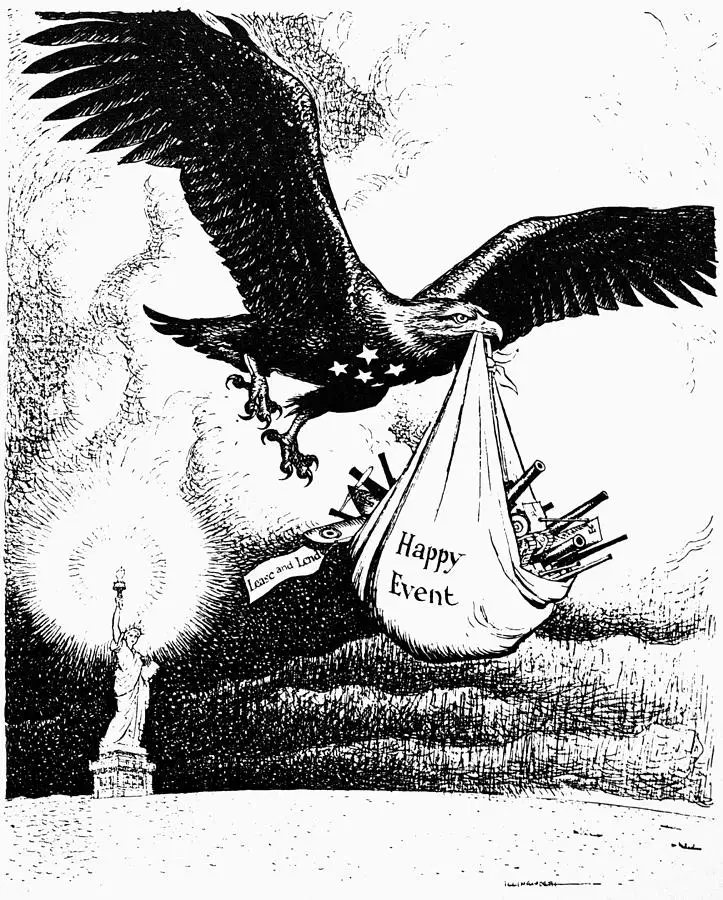
America became the "arsenal of democracy" with which act that authorized military aid to countries, promising to pay it back after the war?
The Neutrality Acts
The Lend Lease Act
The Cash & Carry Policy
All of the above

What event fully pushed America into WWII?
The Japanese surprise attack at Pearl Harbor.
The declaration of war on the United States by Adolf Hitler.
The declaration of war on the United States by Benito Mussolini.
The Zimmerman Telegram.

Until 1944, which theater of WWII had more American servicemen deployed to it?
The Pacific theater.
The European theater.

This disastrous event occurred when 78,000 American & Filipino troops surrendered to the Japanese early in the war.
The Bataan Death March
Black Tuesday
The Marianas Turkey Shoot
Battle of the Bulge

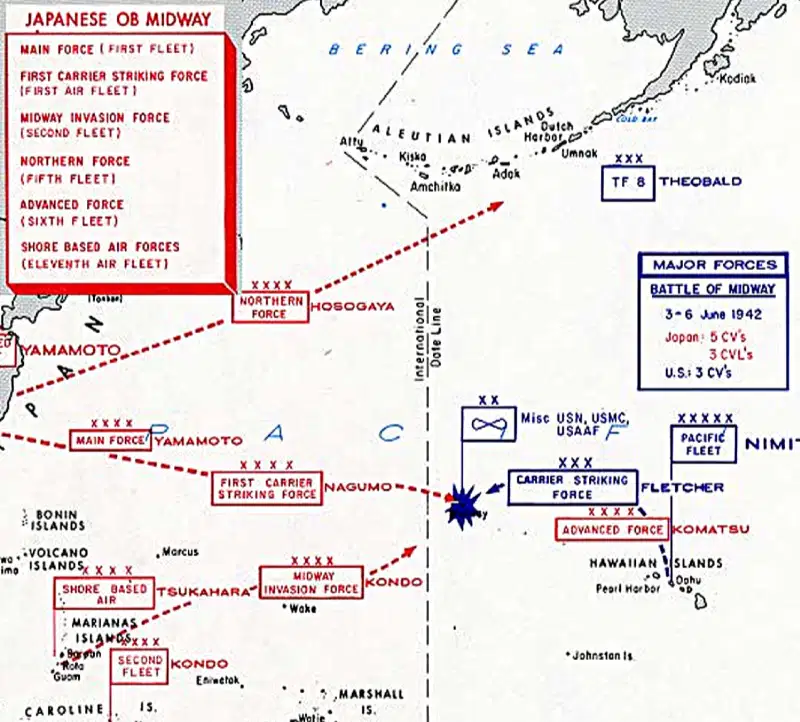
This battle in 1942 prevented the Japanese from expanding into Australia.
The Battle of Coral Sea
The Battle of Midway
The Battle of Guadalcanal
The Battle of Iwo Jima
Which battle in 1942 was a turning point in the Pacific theater?
The Battle of Coral Sea
The Battle of Midway
The Battle of Guadalcanal
The Battle of Iwo Jima

Which of the following best describes the U.S. strategy in the Pacific?
Island Hopping
Strategic bombing
Blitzkrieg
Submarine warfare

Operation Torch, which involved the first fighting against Europeans in WWII by Americans, took place in:
North Africa
Italy (Sicily)
France (Normandy)
Iceland

During most of 1943 and 1944, where did the U.S. fight the Axis in the European theater?
North Africa
Italy (Sicily)
France (Normandy)
Iceland

On June 6th, 1944, D-Day, the Allies invaded which location?
North Africa
Italy (Sicily)
France (Normandy)
Iceland

The most notable U.S. war correspondent mentioned in this episode of Crash Course was?
Ernie Pyle
Marguerite Higgins
Michael David Herr
Edward R. Murrow

Though the U.S. liberated Paris, some concentration camps, and participated in the final assault on Germany, which Allied power did the majority of fighting and dying in WWII?
The U.S.S.R.
The U.K.
The U.S.
All of the above

What actions compelled the Japanese to unconditionally surrender?
The dropping of two atomic bombs.
U.S. landings on their home islands.
U.S. economic sanctions.
The destruction of the Japanese navy.

What was the name of the secret project to develop an atomic bomb in the U.S.?
The Manhattan Project
Operation Paperclip
Operation Overlord
Operation Downfall

The U.S. dropped two atomic bombs on which two Japanese cities?
Hiroshima
Nagasaki
Kyoto
Tokyo

According to this episode, three arguments against dropping the atomic bombs were:
President Truman had good evidence that the Japanese would surrender if they could keep their emperor.
Hiroshima and Nagasaki were civilian targets.
Dropping the atomic bombs would threaten the USSR.
Atomic weapons were so powerful that they fall into a different category.
Dropping the atomic bombs saved U.S. and Japanese lives by preventing a U.S. landing on the Japanese home islands.

According to this episode, what was the most deadly innovation of WWII?
Advancements in strategic bombing.
Advancements in small arms weapons.
Advancements in submarine warfare.
Advancements in military tactics.

Is there a singular reason for the Great Depression?
Yes, it's simple.
No, it's complicated.

Which of the following were factors for the Great Depression?
The stock market crash in October 1929.
Installment buying (credit) in the decade leading up to the stock market crash.
A struggling agricultural sector.
Speculation in the stock market.

Are the Stock Market Crash and the Great Depression the same thing?
True
False

If there was one singular cause of the Great Depression, what was it according to this episode of Crash Course?
The stock market crash in October 1929
Installment buying (credit) in the decade leading up to the stock market crash
America's weak banking structure
Speculation in the stock market

The series of bank failures in the U.S. led to _________. This event really started the Great Depression.
a freeze on credit.
run on banks.
a government bank bailout.
riots in major cities.

Which economist advocated for "pump-priming" or "deficit spending" to stimulate the economy?
John Maynard Keynes
Adam Smith
Milton Friedman
Friedrich Hayek

What event did President Herbert Hoover place the blame on for the World Wide Great Depression?
World War I
The Treaty of Versailles
American greed
Prohibition

Which tariff, aimed at protecting American manufacturing, let other nations place their own high tariffs on imports, essentially killing global trade?
Hawley-Smoot Tariff
The Tariff of Abominations
Walker Tariff
Low Tariff

How did many Americans feel about President Hoover's response to the Great Depression?
He didn't do enough.
He did too much.

Which institution was not allowed by President Hoover to completely take over the situation of the Great Depression?
The Federal Government
Industrialists
State and local governments
Private charities

Which demographic was most affected by the Great Depression?
African Americans
Native Americans
Chinese Americans
Women

Who did President Hoover feel should step in and help those in need of relief?
Private charities
The Federal Government
State Governments
Local Governments

Who took the famous photograph, "Migrant Mother"?
Dorothea Lange
Walker Evans
John Steinbeck
Woody Guthrie

Which author wrote a series of books set during the Great Depression, including 'The Grapes of Wrath' and 'Of Mice & Men'?
Dorothea Lange
Walker Evans
John Steinbeck
Woody Guthrie

What were the shantytowns for the homeless during the Great Depression known as?
Hoovervilles
The dark, shadowy space you should never go to, Simba!
"The tough part of town"
The other side of the tracks

This protest by WWI veterans was violently suppressed by the national guard, further damaging Herbert Hoover's reputation.
The Bonus March.
The Freedom March.
The March to the Sea.
The Million Man March.
Which of the following best aligns with John's opening statements about the effects of World War II on the US?
World War II brought about tremendous changes in the United States.
World War II shaped how Americans would come to see themselves and how they would want to be seen by the rest of the world.
World War II saw a continuation of many New Deal Policies.
All of the above.

What are examples of government intervention during World War II?
Federal agencies like the War Production Board, War Manpower Commission, and Office of Price Administration.
Massive rationing of food and supplies.
Entire industries were completely taken over by the government.
The fixation of wages, rents, prices, and especially production quotas.

Which are the reasons that unemployment dropped from 14% in 1940 to 2% in 1943?
13 million Americans were serving in the military in some capacity.
The war kicked the American economy into overdrive. The US gross national product went from 91 billion to 214 billion during the war.
There were fewer opportunities for immigrants in the agricultural sector.
Government policies favored greater laissez-faire policies.

Government expenditures during the war were twice the amount they had been in the previous 250 years combined. Although a lot of this was financed with debt, much of the war was paid for with:
Taxes
War bonds
Plunder
Reparations

Which of the following best describes WWII's effect on big business?
Big business got even bigger.
Big business reduced its size and profits due to government intervention.

Which region of the US became an industrial center due to the war?
The West Coast
The East Coast
The Midwest
The Deep South
Which region of the US was hit especially hard by WWII as many people moved to other regions of the US due to having only two major cities?
The South
The East Coast
The Midwest
The West Coast

In order to prevent labor strife and keep the factories humming so that war production would not decrease, the government forced employers to recognize which labor group?
Organized labor (unions)
Immigrant labor
Migrant labor
Minority labor

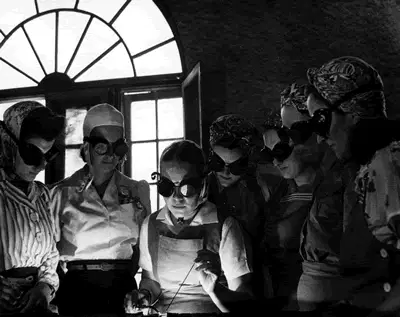
From a human history standpoint, one of the biggest changes is that many of the workers in those factories were:
Women
Latinos
African Americans
Japanese Americans

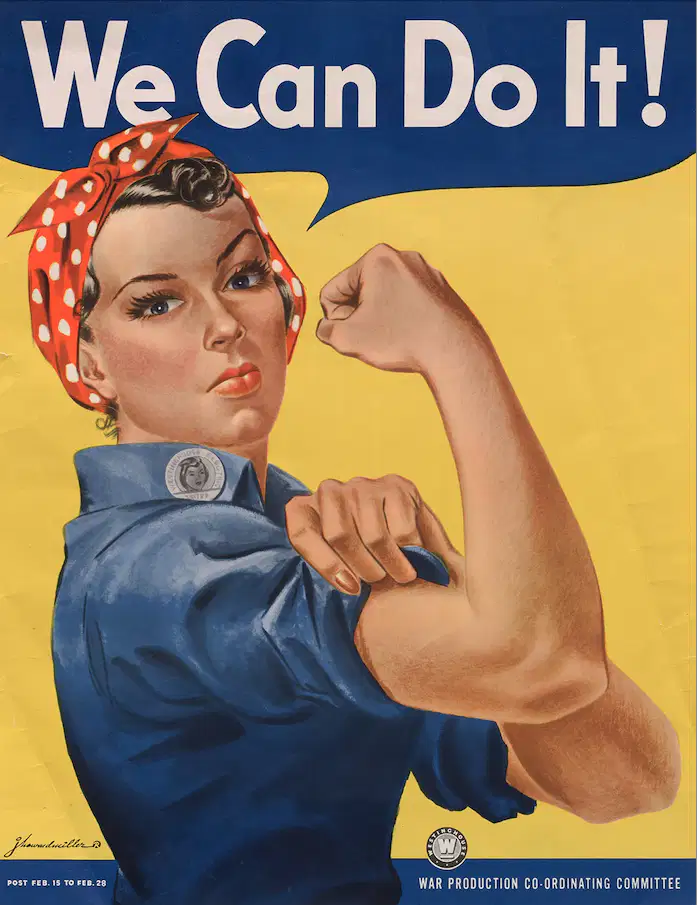
Who was a symbol of women in the workforce?
Rosie the Riveter
GI Jane
Amelia Earhart
Eleanor Roosevelt

Were many women able to keep their industrial jobs after the war was over?
No
Yes

Which are FDR's 'Four Freedoms'?
Freedom of speech, freedom of worship, freedom from want, and freedom from fear.
Freedom of specialization, freedom of work, freedom from want, and freedom from fear.
Freedom of homework, freedom of Crash Course worksheets, freedom from tests, and freedom from pop quizzes.
Freedom of sickness, freedom of healthcare, freedom from want, and freedom from fear.

Though FDR's New Economic Bill of Rights was blocked by Southern Democrats, Congress did pass which bill to attempt to prevent widespread unemployment for returning soldiers?
Servicemen's Readjustment Act (GI Bill)
The War Powers Act
Executive Order 9066
Executive Order 8802

How did WWII help reshape how Americans saw themselves?
Because the Nazis were racists, Americanism would mean diversity, tolerance, and equality for all people.
Because the Nazis were racists, Americanism would mean less diversity, less tolerance, and limiting equality for all people.
Because the Soviets were our allies, Americanism would mean greater equality for all people even if it were at the cost of personal freedoms.
All of the above

Though WWII moved the US toward greater principles of equality, there was still a fear of minority groups, which contributed to race riots in Detroit and what series of riots against Mexicans in Los Angeles in 1943?
Zoot Suit Riots
The Haymarket Affair
The Anti-oriental Riots
The Rodney King Riots

The war years saw a dramatic increase in immigration from Mexico under which program, lasting until 1964?
Bracero program
New Deal
Dreamers Program
DACA

25 thousand of these Americans fought in WWII, although their reservations, being largely rural, didn't really share in the wartime prosperity.
Native Americans
Hispanics
African Americans
Latin Americans

Which ethnic group suffered from horrible racism and one of the worst violations of civil liberties in America's history during WWII?
Japanese Americans
Mexican Americans
African Americans
Native Americans

Which Presidential order expelled all persons of Japanese descent from the west coast to internment camps where they lived in makeshift barracks under the eyes and searchlights of guards?
Executive Order 9066
The War Powers Act
Servicemen's Readjustment Act (GI Bill)
Executive Order 8802

Which Japanese American appealed his conviction for failing to show up for internment all the way to the Supreme Court, where he lost in yet another horrendous Supreme Court decision?
Fred Korematsu
Daniel Inouye
George Takei
Hideki Tojo
Which group experienced the greatest change during WWII?
African Americans
Mexican Americans
Japanese Americans
Native Americans

Which Presidential order banned discrimination in defense hiring and created the Fair Employment Practices Commission?
Executive Order 8802
The War Powers Act
Servicemen's Readjustment Act (GI Bill)
Executive Order 9066

World War II saw a continuation of which demographic pattern that saw African Americans leave the South for industrial centers in the North & West?
The Great Migration
The Second Exodus
White Flight
The Second Middle Passage

Many African Americans saw themselves as engaged in which campaign for victory over the Axis powers abroad and over racism in the US?
Double V
Human Rights movement
Tuskegee
FEPC

Angered by discrimination in defense employment, which black labor leader threatened a march on Washington demanding access to defense jobs, an end to segregation, and a federal anti-lynching law?
A. Philip Randolph
Martin Luther King Sr.
Bayard Rustin
Jesse Jackson

After WWII, did the U.S. return to its policy of isolationism?
False
True

Which of the following meetings among the US, UK, and USSR planned for a more peaceful and prosperous post-war world, established the idea that Germany would be divided, Nazis tried for war crimes, and laid the foundation for the Cold War by allowing Soviet influence in Eastern Europe?
Tehran
Yalta
Potsdam
All of the above

What conference in 1944 established America's economic dominance as the dollar (replacing the pound), and created the World Bank to help rebuild Europe and also to help developing countries and the IMF to stabilize currencies?
Bretton Woods
Dumbarton Oaks
United Nations (UN)
Potsdam

Following WWII, the US took the leading role in establishing which organization to ensure peace?
United Nations
Dumbarton Oaks
Yalta
Bretton Woods

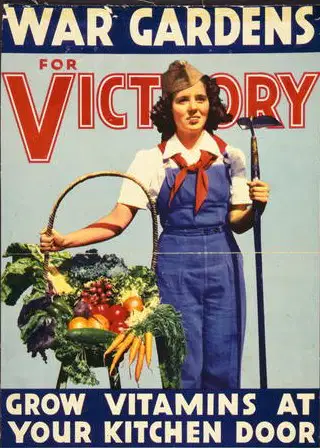

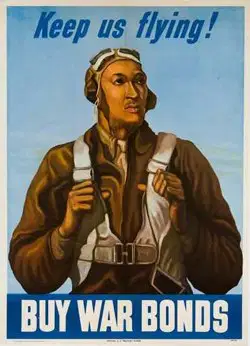
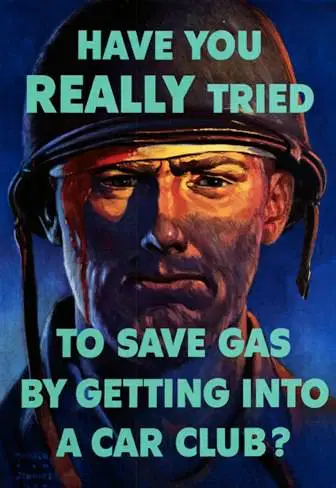
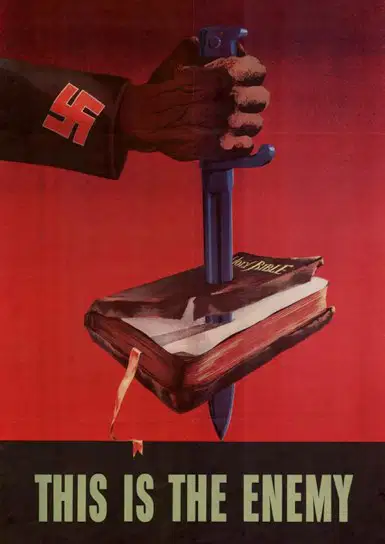




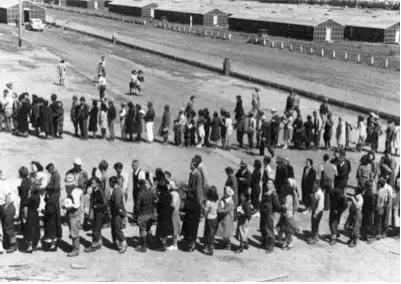
Which of these was MOST influenced by Keynesian economic thought?
the creation of "Obamacare"
the creation of the "New Deal"
the "Reaganomics" policies of the 1980s
the Republican "Contract With America" of the 1990s
Which fact is the BEST piece of supporting evidence that overproduction and falling prices was a cause of the Great Depression?
In 1930 over 1,350 banks closed and customers lost all their savings.
The unemployment rate in 1929 was 3.2% and by 1933 there was a 25% unemployment rate.
In 1920 a bushel of wheat sold for $2.94, in 1929 it sold for $1.00 and by 1932 a bushel sold for .30 cents.
The stock market's Dow average dropped over 23% over a two-day period in October of 1929 and lost 90% of its value by 1932.
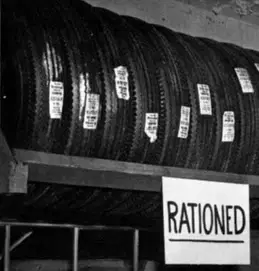
Where would you be MOST likely to find a sign like this one?
a car dealership
a post office
a school
a bank
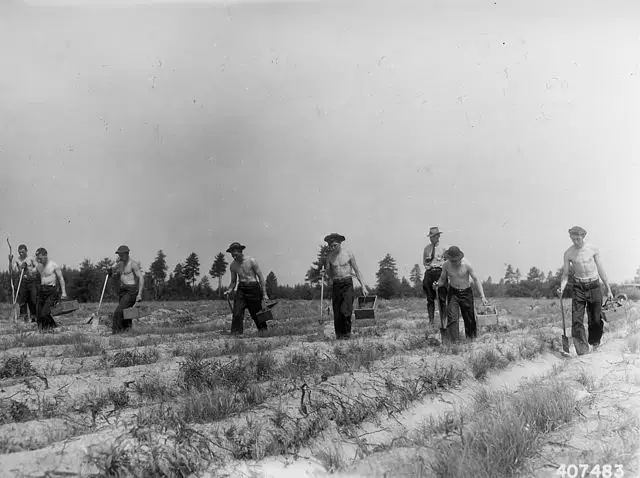
The Civilian Conservation Corps (CCC) was a public works program run by the federal government during the Great Depression. How did the CCC show support for civil rights during the Depression?
The CCC was designed solely to help minority workers find employment during the Great Depression.
The CCC focused its relief efforts mainly on poor urban areas inhabited by minorities and immigrants.
The CCC built more schools and public buildings that were intended to help disadvantaged minority workers.
The CCC provided practical education courses to many people, including minority workers with little education.
Early Keynesian theorists developed the balanced budget multiplier, which suggests that an equal increase in government spending and tax revenue will boost aggregate demand by precisely the increase in the amount spent. How MIGHT governments fund programs in keeping with early Keynesian theorists?
Increase in deficit spending and income taxes
Decrease in deficit spending and income taxes
Decrease in deficit spending and increase income taxes
Increase in deficit spending and decrease income taxes
Decrease in deficit spending and no change to income taxes
By the start of 1929, more than half of the U.S. population was living below the poverty line. A major and immediate effect of this situation would be
New Deal programs being created.
consumer goods were not being sold.
the stock market crash put people out of work.
wealthy people were losing huge sums of money.
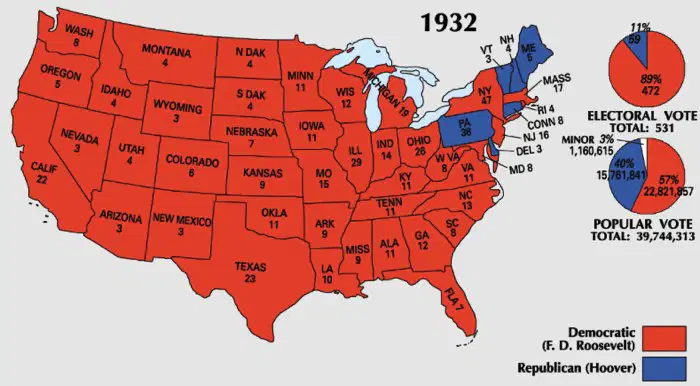
In studying the Election Results map of 1932, it can be deduced that
only the most populous states supported Hoover.
minor party candidates had a significant impact on the election.
the Great Depression caused voters to want to change national leadership.
African-Americans were not allowed to vote in much of the Southeastern U.S.
Choose the three statements that CORRECTLY describe one of the causes of the Great Depression.
"Buying on the margin" was considered a risk free way of playing the stock market since the broker guaranteed your investment.
The novel Grapes of Wrath describes a family migrating to California due to the Dust Bowl.
Overproduction was a leading cause of the Great Depression because of increased technologies and decreased demand for goods after World War I.
"Okies" was the nickname given to families who left the Dust Bowl and migrated further West for new opportunities.
Bank runs were caused by people panicking to withdraw their money, which led to thousands of banks failing.

According to the provided image, what impact did the WPA program from the New Deal have on the lives of African Americans?
African Americans were provided with jobs.
African Americans were provided better housing.
African Americans gained access to new public facilities.
African Americans gained access to educational opportunities
Hand in hand with this we must frankly recognize the overbalance of population in our industrial centers and, by engaging on a national scale in a redistribution, endeavor to provide a better use of the land for those best fitted for the land. The task can be helped by definite efforts to raise the values of agricultural products and with this the power to purchase the output of our cities. It can be helped by preventing realistically the tragedy of the growing loss through foreclosure of our small homes and our farms. - Franklin D. Roosevelt, 1933 According to the passage, President Roosevelt believed that the American economy hinged on
focusing job efforts in major industrial areas.
the organization of large-scale, government-run farms.
keeping farmers employed by large factories or corporations.
the re-establishment of agricultural production and small farms.
1927 Last year of production for the Ford Model T. Sales dropped to 1/3 the 1926 level. Even at prices around $200 Ford couldn't maintain sales, and by this point consumers were buying 3- and 4-year old used cars rather than a T because they perceived the used cars as better value--with more features. By the time Ford shut down production of the Model T, the company had sold well over 15 million T's. In fact, the actual number produced was 15,458,781. Closing down production of the Model T meant 100,000 workers lost their jobs. Ford closed when sales flagged, then began the design and tooling changeover that produced the new Model A. - Excerpt from "The Automobile Technology 1920-1929" by Bryant University Based on the information provided, which statement BEST describes one cause of the Great Depression?
People were not buying new cars at the same rate they had in the early 1920's which led to increased unemployment.
The automobile industry became so competitive that prices dropped to the point that companies were not profitable.
Newer models of cars became so expensive that consumers could not afford them so automobile companies had to fire employees to cut costs.
High unemployment rates in the mid 1920's led to fewer people purchasing cars which caused prices to drop and caused car companies to close.

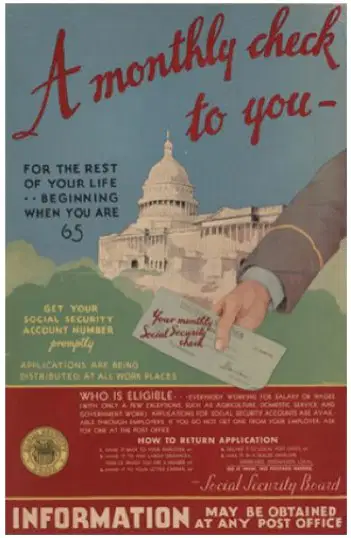
This advertisement is typical of the mass consumption and consumerism that emerged:
during the Great Depression.
between World War I and the Great Depression.
between the Great Depression and World War II.
as a result of Franklin Roosevelt's "New Deal."
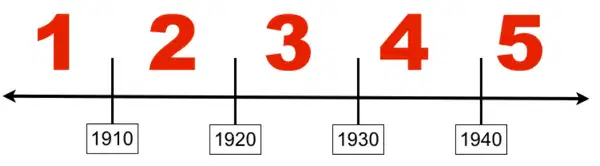
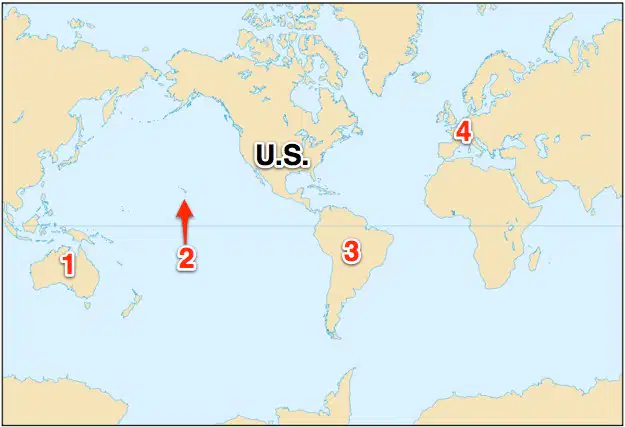
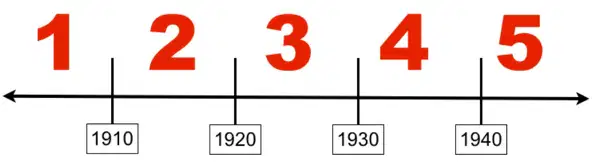
Which number represents the decade in which the "Stock Market Crash" took place, beginning the era of the Great Depression in the United States?
2
3
4
5
A million and a half workers took part in over two thousand strikes in 1934. What encouraged such strikes during the middle of the Great Depression?
Works Progress Administration
National Industrial Recovery Act
The growth of jobs with the New Deal
Workers Progressive Movement of 1933
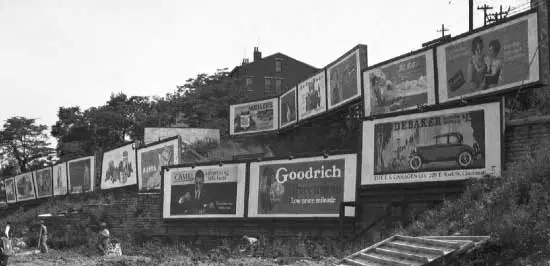
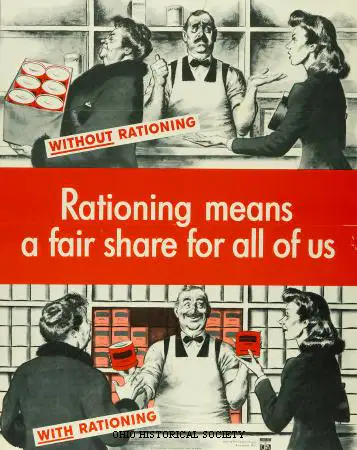
This image would be of MOST interest to a student writing a research paper titled
"The Rise of Organized Crime During Prohibition."
"Economic Prosperity and Consumerism in the 1920's."
"Rationing and War-time Mobilization during World War II."
"Causes of the Stock Market Crash and the Great Depression."
During the 1920's, the supply of automobiles in the United States increased because of the introduction of the assembly line and mass production. Which is the BEST description of the effect that high supply had on the price of automobiles during this time period?
The high supply of automobiles led to fewer sales.
The price of new autos increased because of high supply.
The price of new autos decreased because of high supply.
The price of new autos was not affected by the introduction of the assembly line.
I am prepared under my constitutional duty to recommend the measures that a stricken Nation in the midst of a stricken world may require.... But in the event that the Congress shall fail to take one of these two courses, and in the event that the national emergency is still critical, I shall not evade the clear course of duty that will then confront me. I shall ask the Congress for the one remaining instrument to meet the crisis — broad Executive power to wage a war against the emergency, as great as the power that would be given to me if we were in fact invaded by a foreign foe. - March 4, 1933 This portion of President Franklin Roosevelt's First Inaugural Address hints at his plans that will
reduce the size of the Federal government.
increase the size of the Federal government.
reduce the international role of the United States.
decrease regulations on most sectors in the economy.
By 1920, both textile and agriculture faced growing economic problems due to
speculation.
overproduction.
war with Japan.
war with Germany.
How did the demobilization that occurred following World War I affect the economy of the United States?
Materials like rubber, steel, and oil were rationed.
Numerous jobs were created in the defense industry.
Unemployment was high and the nation experienced a recession.
The War Industries Board was created to oversee industrial production.
How did the end of World War I affect farmers in the United States?
Farmers saw demand and prices fall for their goods. (correct)
Agriculture became a growing sector of the economy.
Most farmers transitioned to factory jobs in urban areas.
The government subsidized and supported the agricultural sector.
At the end of 1918 and the start of the 1919, the United States experienced a recession. Which is the BEST explanation for this economic downturn?
too many consumers buying too much on credit
wartime production was cut in the demobilization process
unchecked stock market speculation led to an economic collapse
the Stock Market crashed because of the lack of war reparation payments
In which way did the Works Progress Administration (WPA) illustrate the status of civil rights in the United States?
Only white workers could use the program to find employment.
Only minority workers could use the program to find employment.
The programs were administered equally in the North but unequally in the South.
The programs were administered equally in the South but unequally in the North.
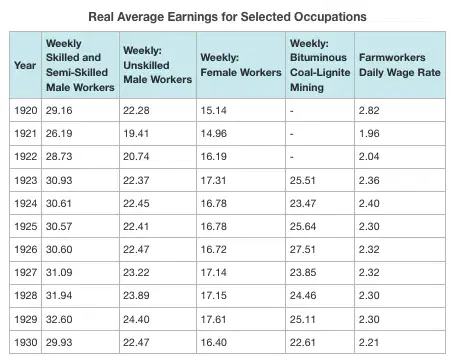
According to the chart, what was the average weekly rate for a female production worker in 1929?
$17.61
$2.30
$24.40
$25.11
The MOST LIKELY result of government programs to address the Great Depression in the United States was that
deficit spending increased.
the national debt decreased.
many states enacted a balanced budget amendment.
the federal government ran a budget surplus for the first time.
Which of these BEST describes how the Agricultural Adjustment Administration (AAA) had an effect on farmers in Alabama and other parts of the American South?
It required southern farmers to pay higher wages.
It taxed the agricultural goods from northern states.
It limited the production of cash crops, such as cotton.
It increased the number of American agricultural exports
The increase in consumer spending during the 1920s was fueled in part by
higher taxes.
unemployment.
decreased land values.
overreliance on credit.
During the 1920s, the prevailing attitude about the economy is BEST described as
cautious.
optimistic.
pessimistic.
realistic.
How did union strikes contribute to rising racial tensions in the 1920s?
Blacks were allowed to join most unions.
Unions could not negotiate with management.
Factory owners would hire blacks as strikebreakers.
Immigrants joined unions at a greater rate than others.
Why did the 1920s hurt the American labor movement?
Farmers migrated to cities for factory work and sought union protection.
Striking was seen as a favorable method to protest poor working conditions.
African Americans were guaranteed equal treatment and access to union memberships.
Much of the work force consisted of immigrants who were willing to work in poor conditions.

Which group was helped the LEAST by Roosevelt's New Deal programs?
be ruled unconstitutional.
be known as the "New Deal."
start after the attack on Pearl Harbor.
later be known as "Big Stick" diplomacy.
Which group was helped the LEAST by Roosevelt's New Deal programs?
White farmers in the Midwest
African-Americans in any region
White males living in northern cities
White males living in southern states

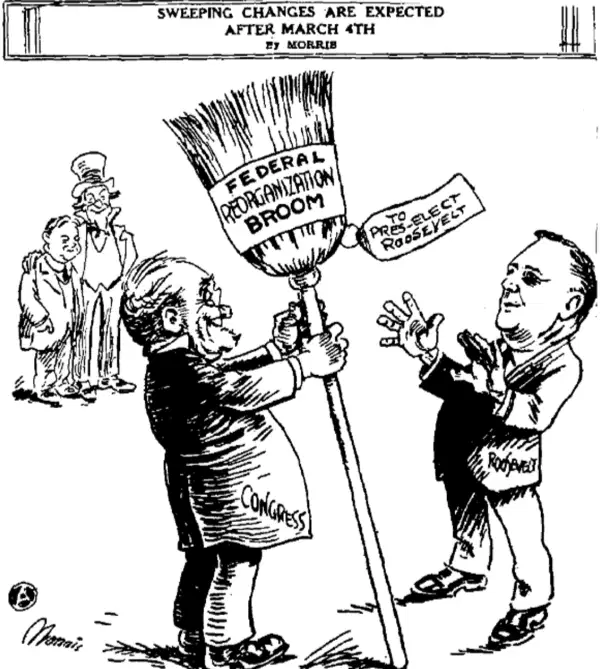
What is the point of this cartoon from 1934?
FDR's New Deal programs are unsuccessful.
The New Deal programs are purely the creation of FDR.
FDR has unwisely created the "Alphabet Soup" programs.
FDR must end his "Alphabet Soup" programs immediately.
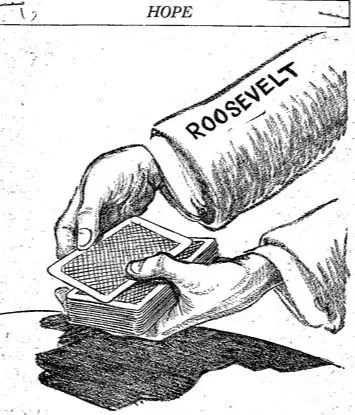
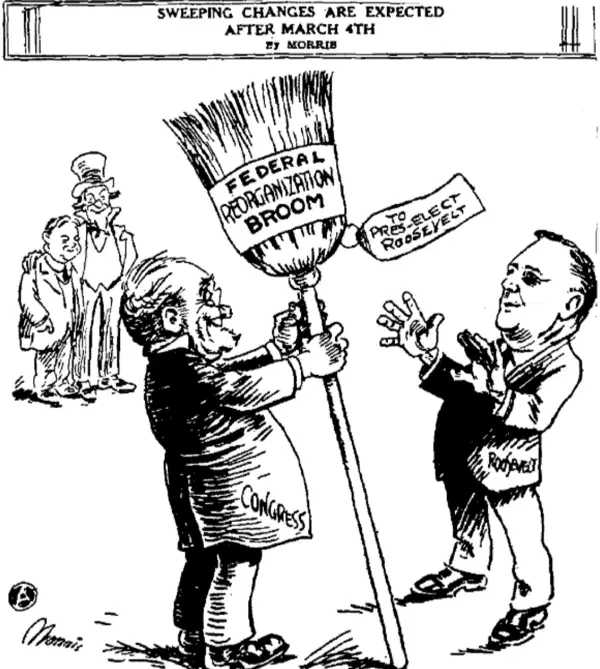
This editorial cartoon from 1933 is of the opinion that
Theodore Roosevelt needs to ban gambling in the U.S.
Theodore Roosevelt has successful economic policies.
FDR's programs can get the U.S. out of the Great Depression.
FDR's programs failed to deliver the promise of his campaign.
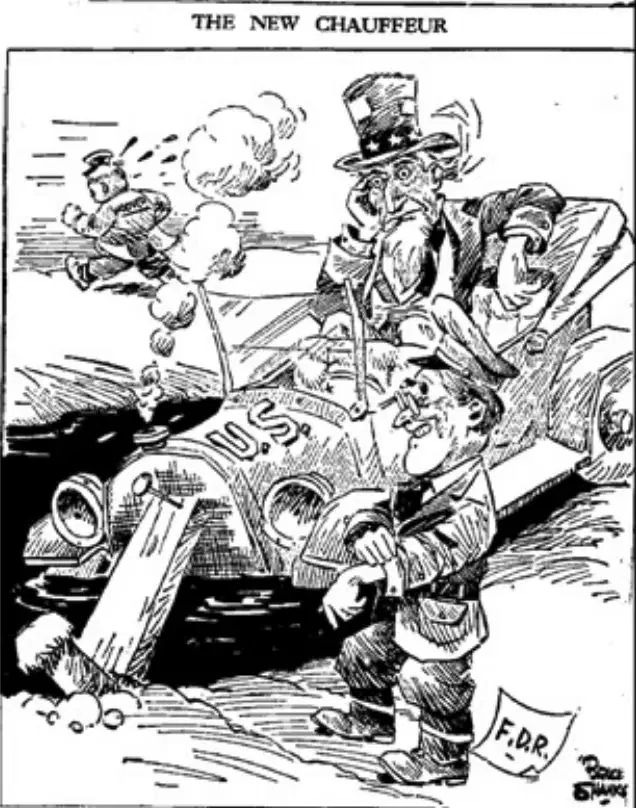
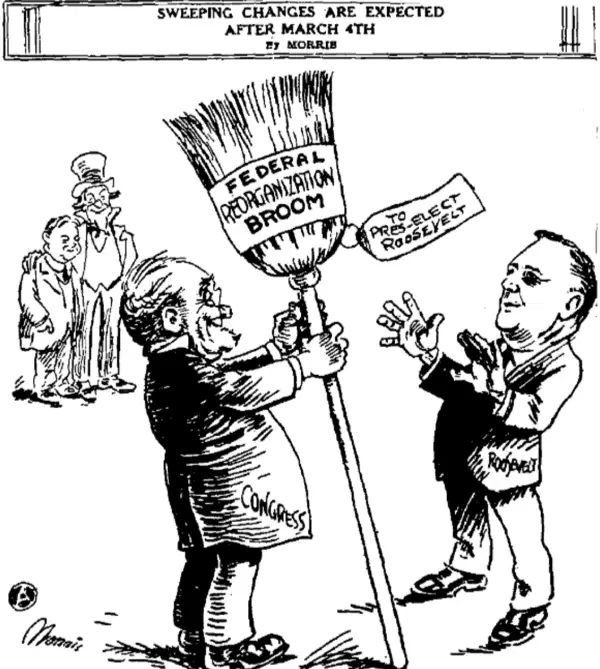
Which statement BEST describes the message of this political cartoon?
The New Deal does not work.
The United States is doomed.
Hoover refused to run for reelection.
Roosevelt must fix the country’s problems.
Which statement describes an effect of the Great Depression on city life?
Many farmers lost their land and turned to tenant farming.
Many people lost their jobs and were evicted from their homes.
African Americans and Latinos were least affected by the Depression.
In rural areas, farmers could try to provide food for their families.
Overproduction and underconsumption factored into causing the Great Depression by
Causing falling prices on goods.
Forcing a decrease in mechanization.
Leading to more spending than saving.
Scaring farmers into growing fewer crops.
Which of these BEST describes the political impact on migration during the Dust Bowl?
The government caused too much migration too quickly.
The government intervened to prevent migration from the area.
The government encouraged people to migrate to find new homes.
The government failed to enact any migration policy during that time.

The rapid change in the percentage of unemployed people in the United States from 1927 to 1932 reflects changes caused by
World War I.
the New Deal.
World War II.
the Great Depression.
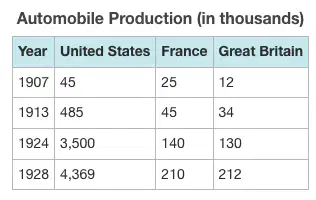
What would BEST explain the increased totals for all cars made in the 1920s?
wartime rationing was over
the end of the Great Depression
better mass production techniques
the creation of interstate highways
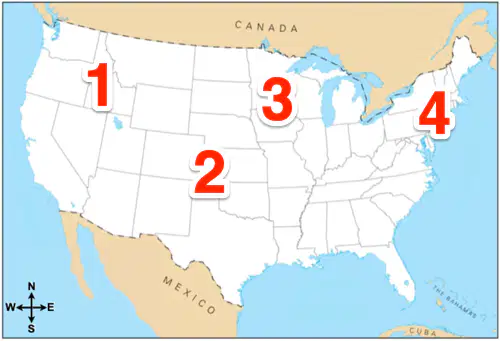
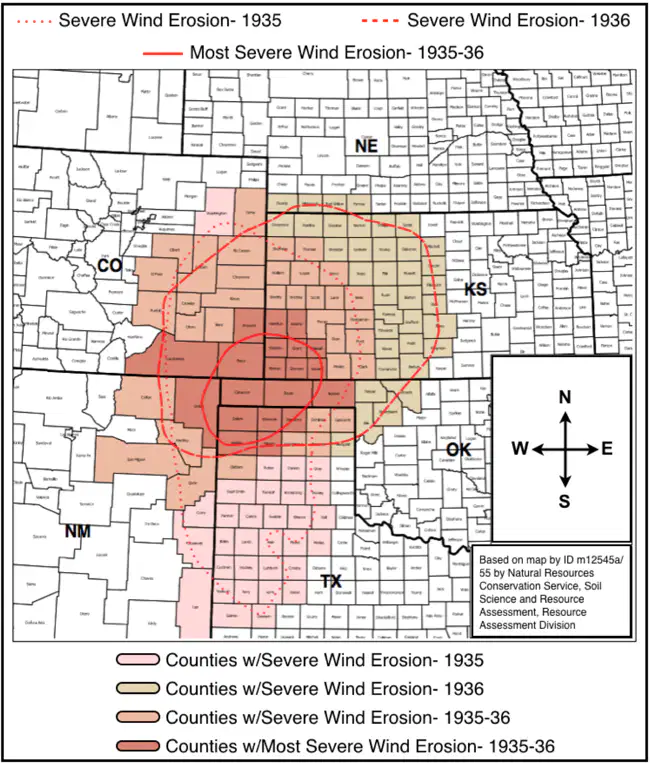
The "Dust Bowl" affected which area MOST?
1
2
3
4
"Economic depression cannot be cured by legislative action or executive pronouncement. Economic wounds must be healed by the action of the cells of the economic body - the producers and consumers themselves." - Herbert Hoover This quote from President Hoover reflects his belief that
New Deal programs would bring economic recovery.
A reliance on only capitalism had failed in the United States.
The Depression was part of an economic cycle and the economy must right itself.
It was up to Congress, not the President, to design programs of economic recovery.
"After all there is an element in the readjustment of our financial system more important than currency, more important than gold, and that is the confidence of the people themselves. Confidence and courage are the essentials of success in carrying out our plan. You people must have faith; you must not be stampeded by rumors or guesses. Let us unite in banishing fear. We have provided the machinery to restore our financial system; and it is up to you to support and make it work. It is your problem, my friends, your problem no less than it is mine. Together we cannot fail." Franklin D. Roosevelt, 1933 With this statement, President Roosevelt hoped to rally the spirits of U.S. citizens in their efforts to
rebuild Europe following W.W.II.
return to the gold standard in the U.S.
defeat Japan following the attack on Pearl Harbor.
end racial discrimination in the "Jim Crow" South.
rebuild the U.S. economy during the Great Depression.
Which of these was NOT a cause of the Great Depression?
the Stock Market Crash of October, 1929
an increase in federal taxes and social programs
excessive stock speculation and "buying on margin"
the growing gap between the rich and the working class
One reason the Depression of 1929 was so severe in the United States was
the Depression affected only the US, leaving European economies strong.
American industry had failed to modernize and expand following World War I.
Franklin Roosevelt believed that the government should not interfere in the economy.
the economy had become primarily industrial and most Americans were affected by business variations.

Which of these was NOT a cause of the worldwide depression of 1920s and 1930s?
Banks made unsound loans.
An increase in international trade.
Over-speculation in the U.S. stock market.
Worker's wages did not keep pace with production.
Which of these was an outcome of the Great Depression?
FDR's New Deal
Truman's Square Deal
the great flood of 1932
increased production by automakers
U.S. bank failures reached around 600 per year in the early 1930s because
too much money was loaned out to people for risky investments.
the Teapot Dome Scandal weakened United States influence in banking.
the Supreme Court declared the National Bank Act of 1864 unconstitutional.
the Dawes Plan caused too much money to drain from U.S. banks to German banks.
Increased tariffs on imported goods in the 1920s resulted in
an increase in American exports.
increase in demand for European goods.
increased revenue for the Federal government.
European inability to repay World War I loans.
Which of these was the basic idea of the New Deal?
the Supreme Court is responsible to the executive branch
Energy production should be solely the concern of private enterprise
States’ rights have priority over rights of the federal government
the federal government has a major responsibility for ensuring economic prosperity
An obvious defect in the United States' banking system that was exposed during the Great Depression was
excessive government regulation of banks.
the federal government's ownership of banks.
an excessive amount of currency in circulation.
the lack of protection for funds deposited by individuals in banks.




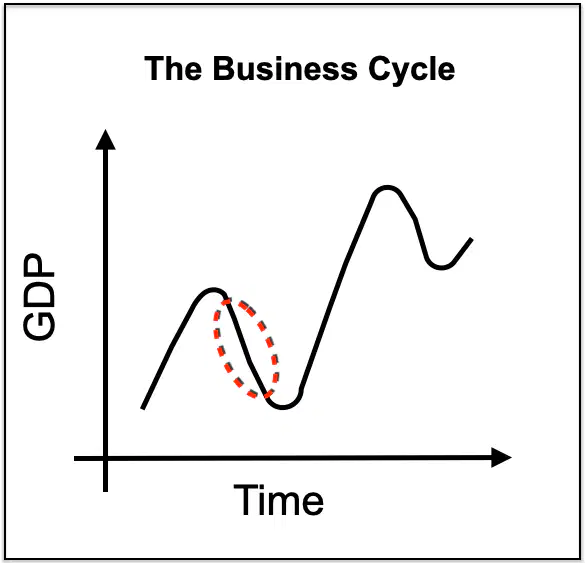
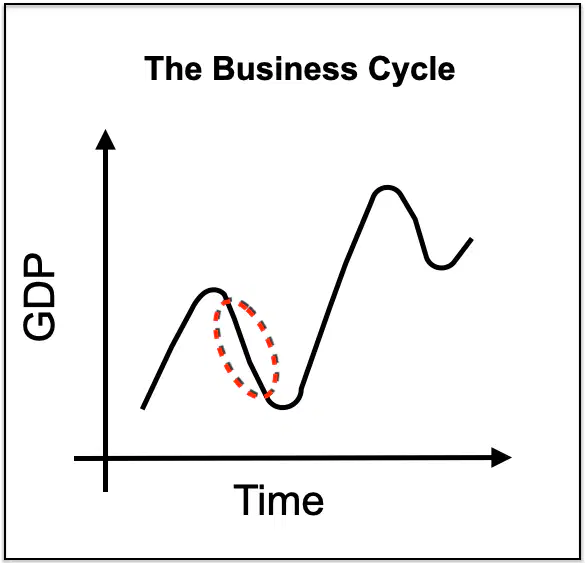


Identify whether the item led to the Boom of the 1920s economy or was a reason for the economic Bust that resulted in the Great Depression.
Rising Stock Market Prices
Assembly Line Industry growth
Growth in the availability of electricity and technology
Over speculation in the Stock Market
"Buying on margin" in Stock Market
Laissez Faire economics
Each of these people or terms are related to the Great Depression. See if you can match each one to the correct definition or description.
This 1930 tariff was passed with the goal of protecting the American economy, but in reality it reduced U.S. imports and exports by as much as 50%.
Hawley Smoot Tariff
This is the name given to the day in October of 1929 when the Stock Market crashed.
Black Tuesday
These facilities were organized and sponsored by churches or charities during the Great Depression in an effort to feed the homeless and needy.
Soup Kitchens
This was the term given to the area of the Great Plains that was most greatly affected during the Great Drought of the 1930's.
Dust Bowl
This term refers to events that occurred during the Great Depression where panicked customers withdrew their deposits in fear that the banks were going to close and their investments would be lost.
Bank Run
Drag the item from the item bank to its corresponding match
He was the 31st President of the U.S., but lost favor with the American public due to the Great Depression and his ill-fated technical solutions.
Herbert Hoover
This is the name given to the day in October of 1929 when the Stock Market crashed.
Black Tuesday
This term refers to initial reforms and changes made by Franklin Roosevelt upon becoming the President and beginning his "New Deal" programs.
First Hundred Days
This is a buying a commodity- such as land or stock- that with an unusually high risk but with the expectation of a substantial gain when the price goes up.
Speculation

This cartoon would be MOST likely to have occurred:
during the "Battle of the Bulge."
during the peace negotiations in Berlin.
in the days following the "D-Day" invasion.
prior to the Allied invasion at Normandy, France.
"Sec.3. a. Notwithstanding the provisions of any other law, the President may...authorize the Secretary Of War... 1. To manufacture in arsenals, factories, and shipyards... any defense article for the government of any country whose defense the President deems vital to the defense of the United States. 2. To sell, transfer title to, exchange, lease, lend, or otherwise dispose of, to any such government any defense article.... b. The terms and conditions upon which any such foreign government receives any aid authorized under subsection (a) shall be those which the President deems satisfactory, and the benefit to the United States may be payment or repayment in kind or property, or any other direct or indirect benefit which the President deems satisfactory." This law, passed in March of 1941, would have been MOST likely to directly result in which of these situations?
the bombing of Tokyo
the invasion of Normandy
the retaliation for the bombing of Pearl Harbor
the shipment of naval destroyers to the British Navy
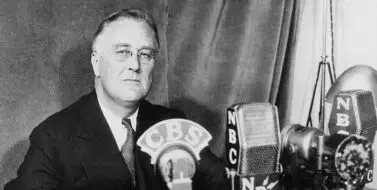
Why might have many U.S. Congressmen disliked Franklin D. Roosevelt's Quarantine Speech of 1937?
They feared it would increase immigration problems.
They feared it would interfere with U.S. trade relations with China.
They feared it would lead to United States involvement in World War II.
They feared it would cause the United States to become more isolationist.
"When an epidemic of physical disease starts to spread, the community approves and joins in a quarantine of the patients in order to protect the health of the community against the spread of the disease. It is my determination to pursue a policy of peace. It is my determination to adopt every practicable measure to avoid involvement in war. It ought to be inconceivable that in this modern era, and in the face of experience, any nation could be so foolish and ruthless as to run the risk of plunging the whole world into war by invading and violating, in contravention of solemn treaties, the territory of other nations that have done them no real harm and are too weak to protect themselves adequately. Yet the peace of the world and the welfare and security of every nation, including our own, is today being threatened by that very thing." President Franklin Delano Roosevelt "Quarantine Speech" October 5, 1937 Why might have many U.S. Congressmen disliked Franklin D. Roosevelt's Quarantine Speech of 1937? Responses
They feared it would increase immigration problems.
They feared it would interfere with U.S. trade relations with China.
They feared it would lead to United States involvement in World War II.
They feared it would cause the United States to become more isolationist.
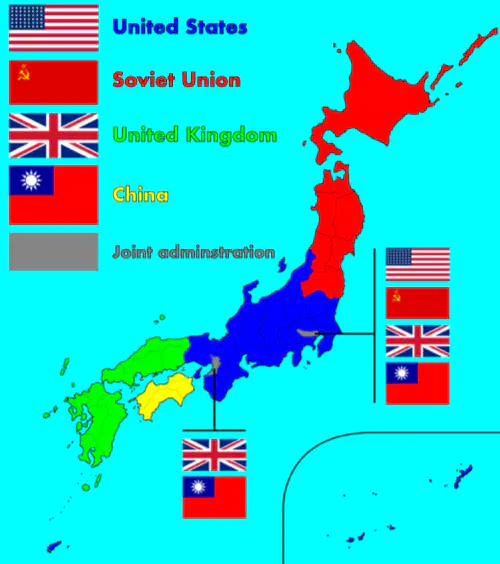
This map shows an early proposal of post-war Japan, which would have been divided into zones of occupation much like post-war Germany. Which action had the BIGGEST impact on preventing the division of Japan seen in this proposal?
the end of the war in Europe
Truman's decision to drop atomic bombs on Japan
the failure of a similar division in Germany to end the war
Roosevelt’s belief that Japan had to rebuild entirely by the United States
“The prodigious land, sea and air forces of the United States, the British Empire and of China, many times reinforced by their armies and air fleets from the west, are poised to strike the final blows upon Japan…. The full application of our military power, backed by our resolve, will mean the inevitable and complete destruction of the Japanese armed forces and just as inevitably the utter devastation of the Japanese homeland…. We call upon the government of Japan to proclaim now the unconditional surrender of all Japanese armed forces, and to provide proper and adequate assurances of their good faith in such action. The alternative for Japan is prompt and utter destruction.” - from “The Potsdam Declaration,” President Harry Truman, July 26, 1945 Which of these would, in the coming years, be an international effect of the ultimate result of President Truman’s words?
the Soviet invasion of Afghanistan
Japan sided with the Soviet Union during the Cold War
a nuclear arms race between the United States and the Soviet Union
the division of Japan into international zones similar to those seen in Germany
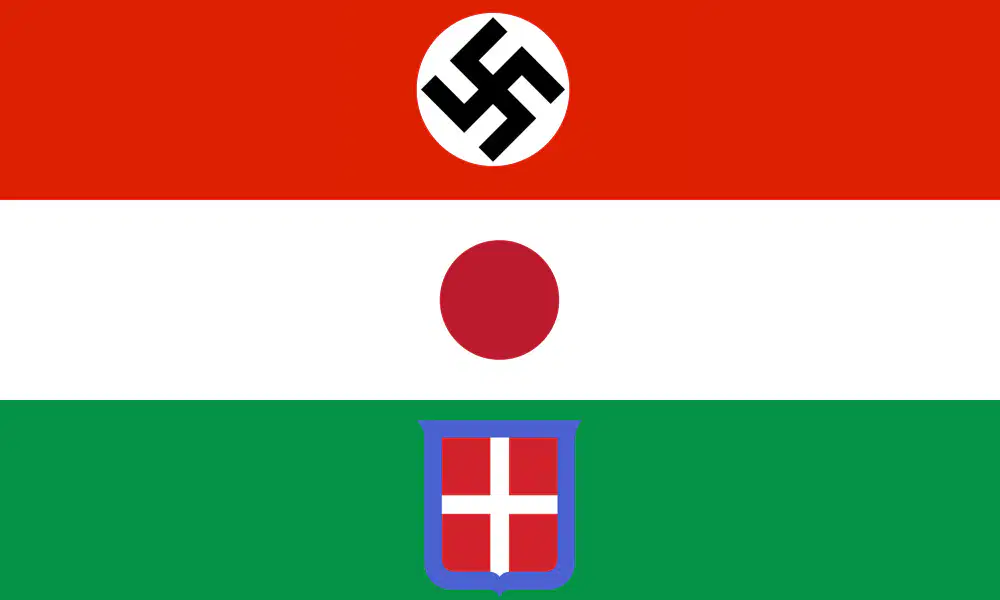
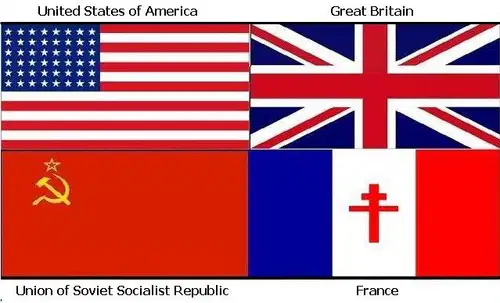

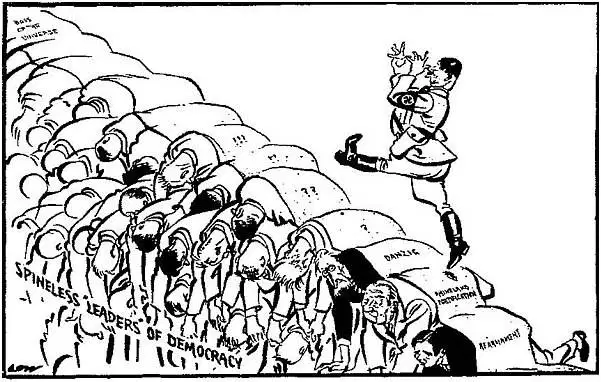

Which event would have FIRST caused the United States to begin reversing its Neutrality Acts in the early stages of World War II?
Germany's attack on London
Germany's invasion of Poland
Japan's attack on Pearl Harbor
Japan's invasion of the Philippines
What event would have prompted the United States to start reversing its Neutrality Acts at the beginning of World War II?
The Japanese launched a surprise attack on the U.S.
The U.S. citizens were calling for war against Germany.
The German navy had sunk the Lusitania that year.
The U.S. had evidence of a threat to its national security.
1931- Japan invades Manchuria. 1935- Italy invades Ethiopia. 1936- Germany militarizes the Rhineland. 1938- Hitler agrees to stop expansion at the Munich Conference. Based on this chart, it is evident that a major cause of World War II was
The failed economic policies during the Great Depression.
The warlike attitude of countries in the Pacific Ocean region.
The failure of the League of Nations to stop the aggressive behaviors of some countries.
The reluctance of European countries to look outside of their borders after World War I.

During World War II, conferences such as those held in Tehran, Yalta, and Potsdam demonstrated that
The Soviet Union would be an obstacle to defeating Hitler.
The Allies were uncertain as to whether or not Hitler could be defeated.
Only the United States was willing to provide troops to defeat the Japanese.
Nations with different political ideologies could cooperate to defeat a common foe.
Nuremberg Laws “Final Solution” Nuremberg Trials All of these were major factors in the creation of the
Warsaw Pact.
Marshall Plan.
North Atlantic Treaty Organization.
Universal Declaration of Human Rights.
Article 1. All human beings are born free and equal in dignity and rights.They are endowed with reason and conscience and should act towards one another in a spirit of brotherhood. Article 2. Everyone is entitled to all the rights and freedoms set forth in this Declaration, without distinction of any kind, such as race, colour, sex, language, religion, political or other opinion, national or social origin, property, birth or other status. Furthermore, no distinction shall be made on the basis of the political, jurisdictional or international status of the country or territory to which a person belongs, whether it be independent, trust, non-self-governing or under any other limitation of sovereignty. Article 3. Everyone has the right to life, liberty and security of person. Article 4. No one shall be held in slavery or servitude; slavery and the slave trade shall be prohibited in all their forms. Article 5. No one shall be subjected to torture or to cruel, inhuman or degrading treatment or punishment. This passage is taken from the Universal Declaration of Human Rights (1948), which was created shortly after and in response to
The U.S. Declaration of Independence.
The U.S. Bill of Rights.
The Armenian Genocide.
The Holocaust.
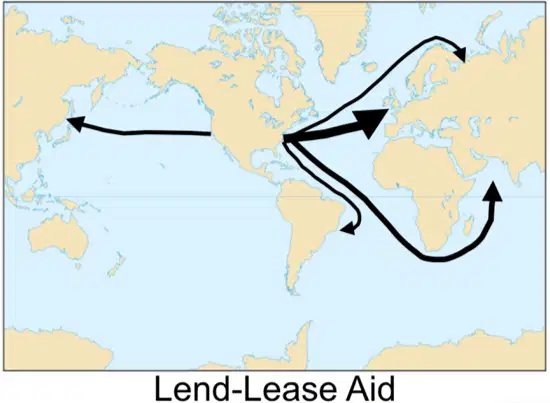
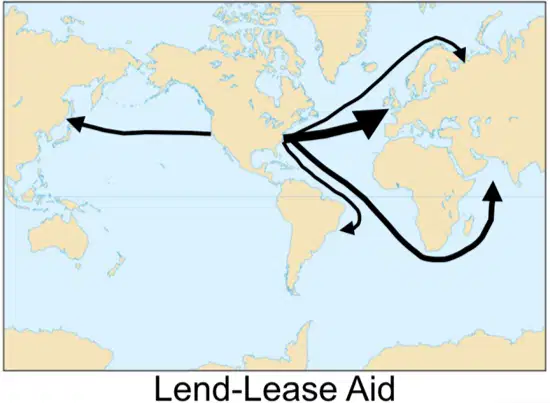
According to the map, which area would have received the most amount of aid in under the Lend-Lease Act?
China
India
Britain
New Zealand

The information in the map is meant to describe a program of the United States during which era?
Cold War
Civil War
World War II
Great Depression
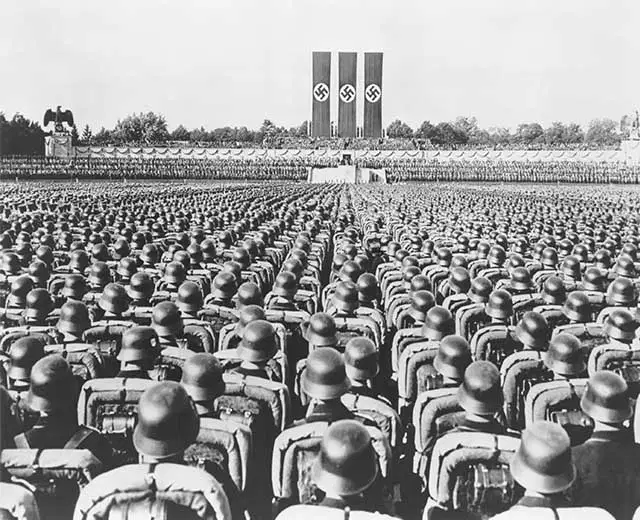
Along with the American Neutrality Acts, the appeasement policies in the mid-to-late 1930's of Britain and France caused totalitarian nations to
Boycott the 1936 Olympics.
Negotiate in good faith with the democracies.
Believe they had nothing to fear from democracies.
Drop any plans of aggression that they might have toward their neighbors.








Assassination of Franz Ferdinand
Unrestricted Submarine Warfare
Zimmerman Note
Lusitania
Pearl Harbor
Invasion of Poland
Munich Conference
Each of these people or terms are related to the use of atomic bombs against Japan at the end of World War II. See if you can match each one to the correct definition or description. Not all choices will be used.
This was the effort during WWII to develop the first nuclear weapons of the United States in collaboration with the U.K. and Canada.
Manhattan Project
This is the name given to the surrender of Japan and the end of fighting in the Pacific Theatre of World War II in August of 1945.
VJ Day
This is the Japanese city that was the first to be subjected to nuclear warfare to bring about the end of WWII.
Hiroshima
The name of the B-29 Superfortress piloted by Col. Paul Tibbetts that became the first aircraft to drop an atomic bomb as a weapon of war in August 1945.
Enola Gay
He was responsible for giving the orders to drop the atomic bomb on Hiroshima in 1945.
Harry Truman
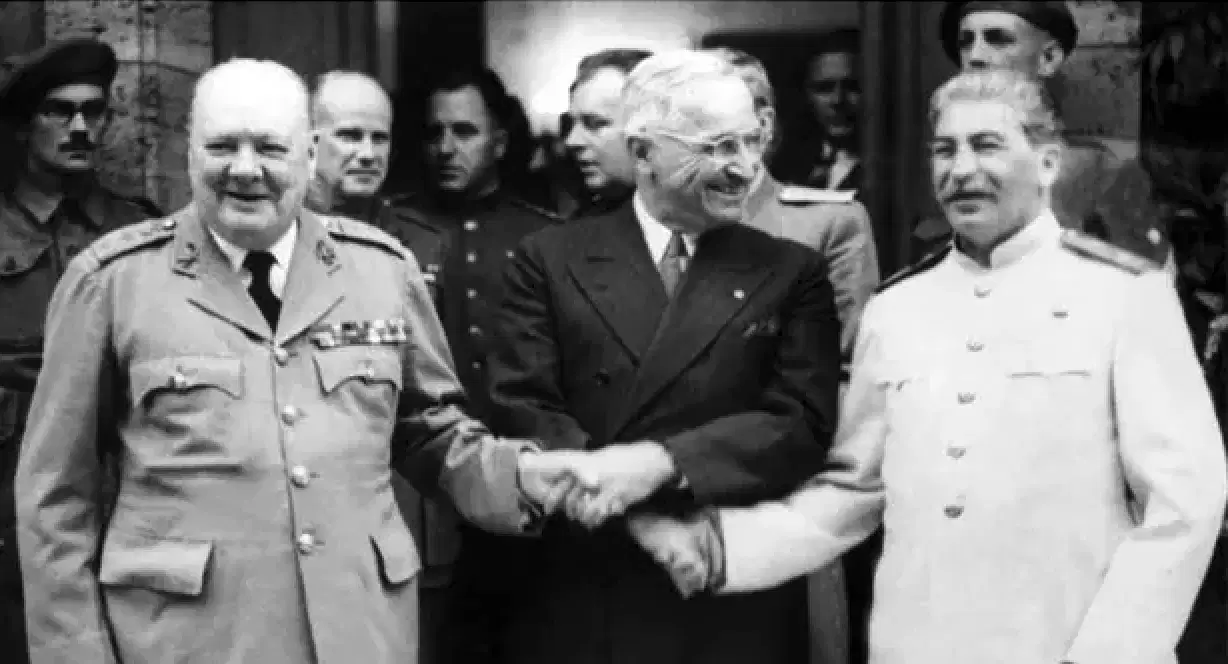
Each of these people or terms are related to "The Big Three" and their negotiations during World War II. See if you can match each one to the correct definition or description. Not all descriptions will be used.
These were the nations united against the Axis powers during World War II.
Allied Powers
He was the totalitarian dictator of the Soviet Union from 1928 through 1953.
Jospeh Stalin
He was a British statesman and leader during World War II.
Winston Churchill
This was the alliance of nations that opposed the Allies in World War II.
Axis Powers
This was the alliance of nations that opposed the Allies in World War II.
Postam Conference
Match each World War II term with the correct item. Not all choices will be used.
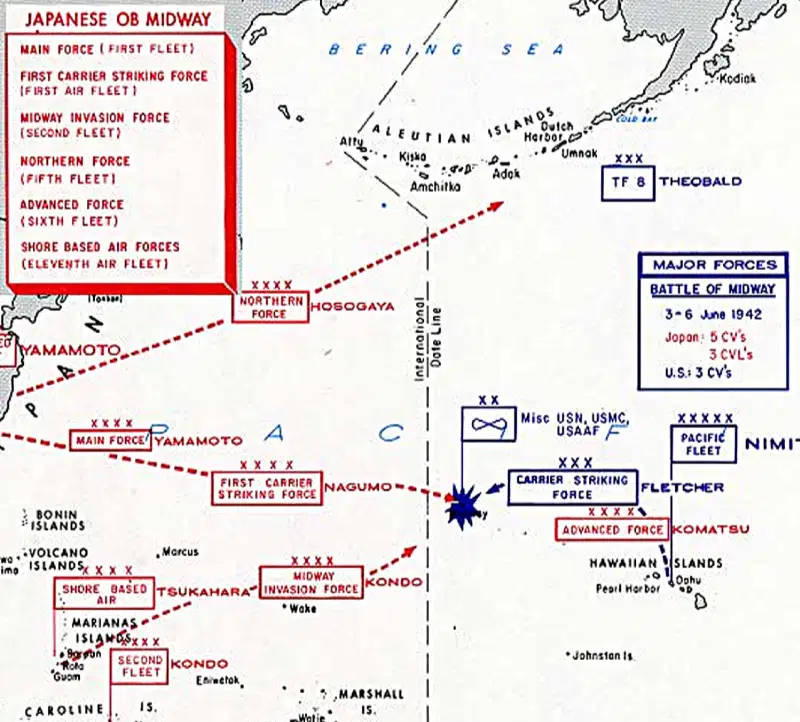
This was a World War II naval battle in the Pacific Theater in June of 1942. It was a clear defensive victory for the US against the attacking Japanese and permanently weakened the Japanese Navy.
Battle of Midway
This was the effort during World War II to develop the first nuclear weapons of the United States in collaboration with the U.K. and Canada.
Manhattan Project
This was a fierce battle on a small Pacific Island in February-March of 1945 that took place against Japanese forces. The US gained a key military airstrip as a result.
Iwo Jima
This is the Japanese city that was the first to be subjected to nuclear warfare to bring about the end of World War II.
Hiroshima
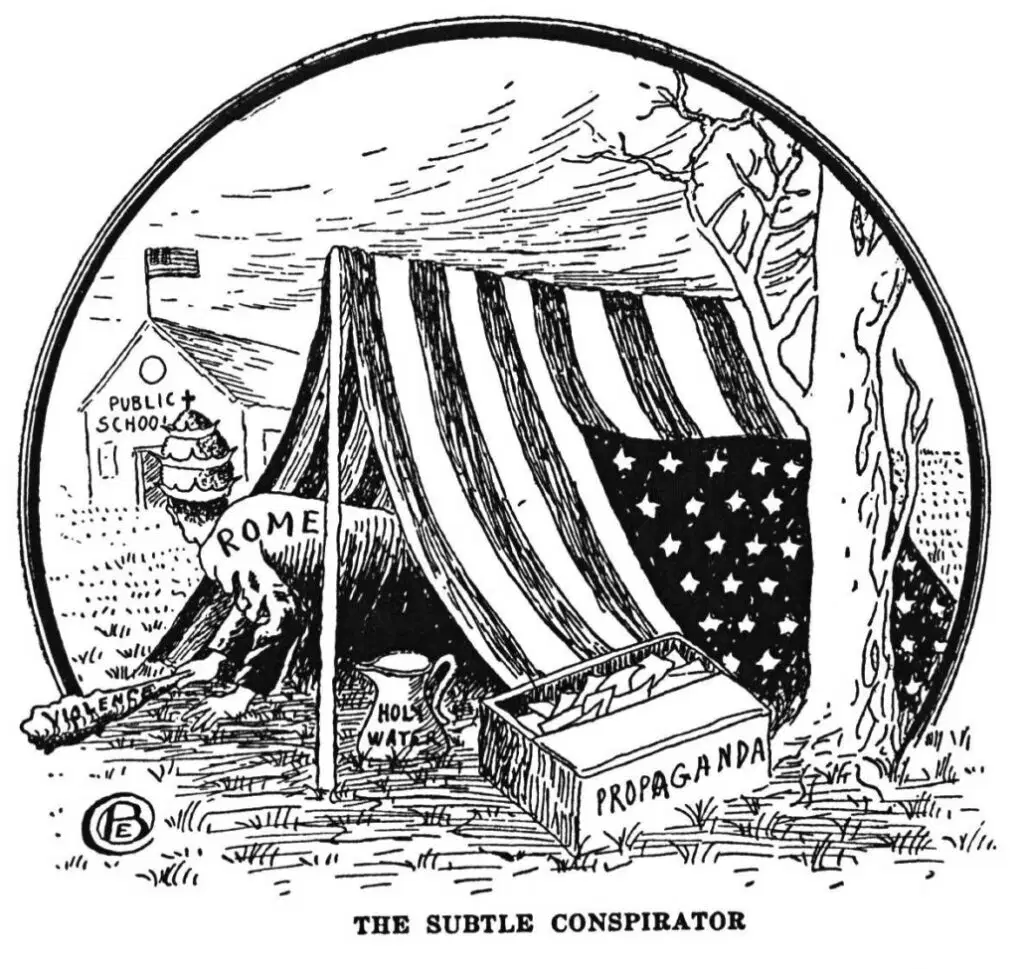


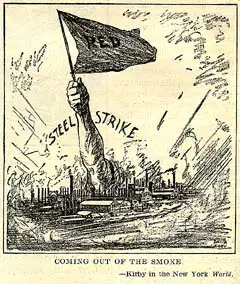

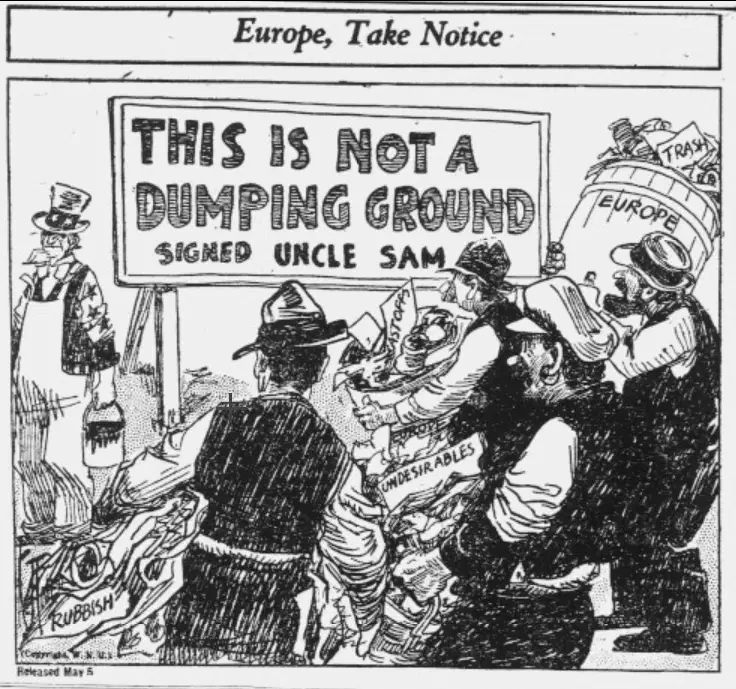


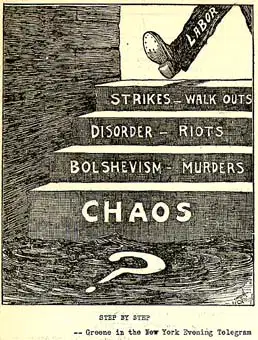

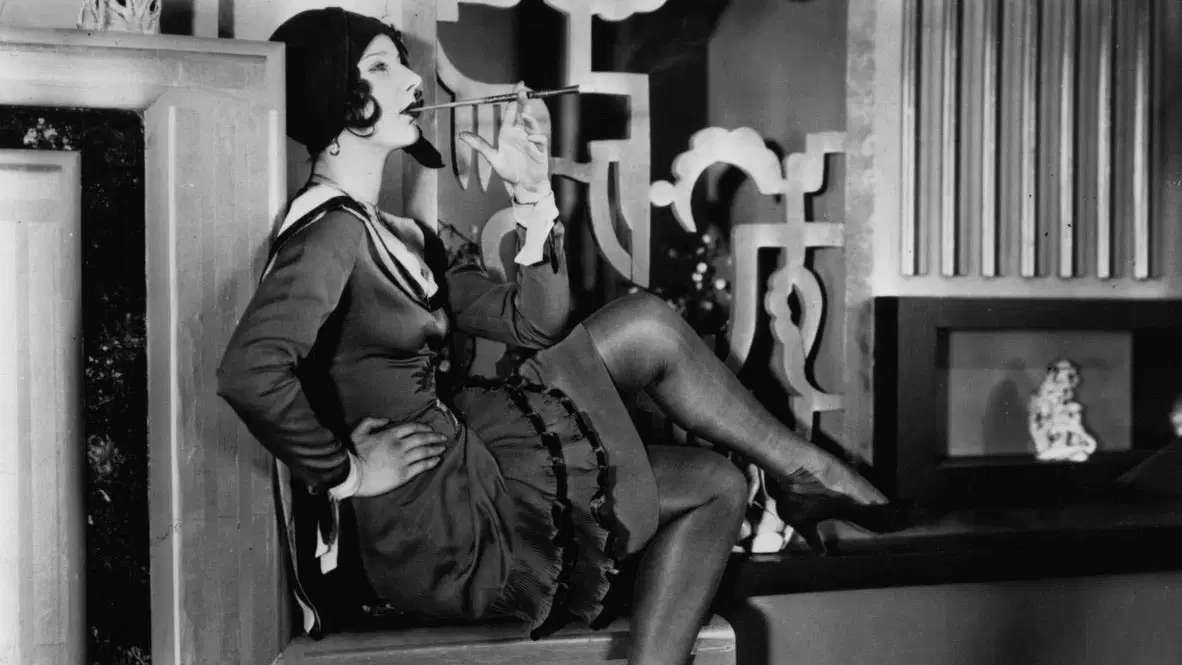


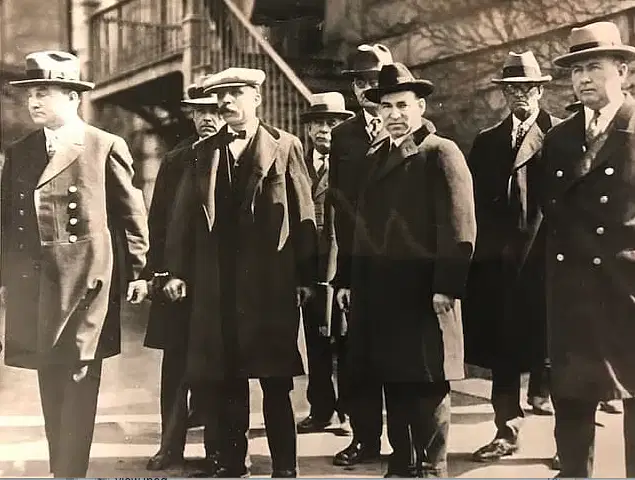
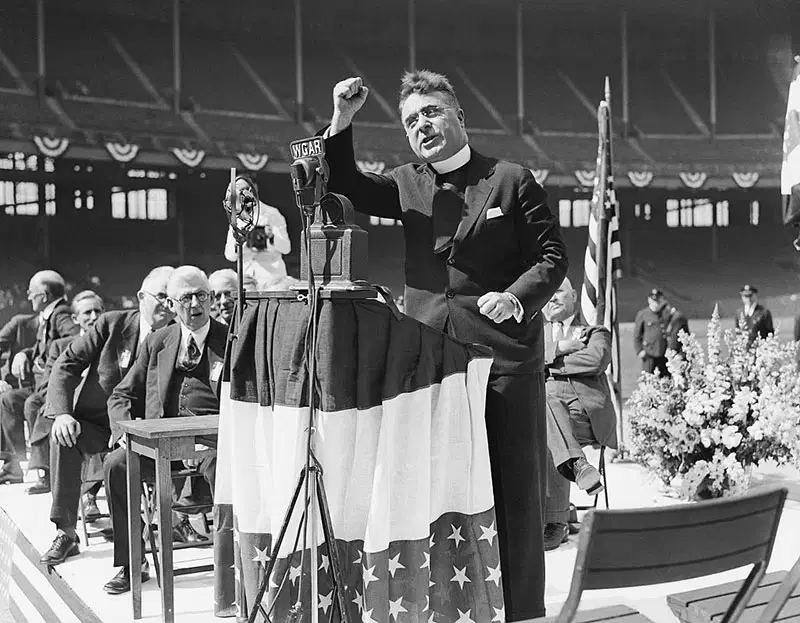
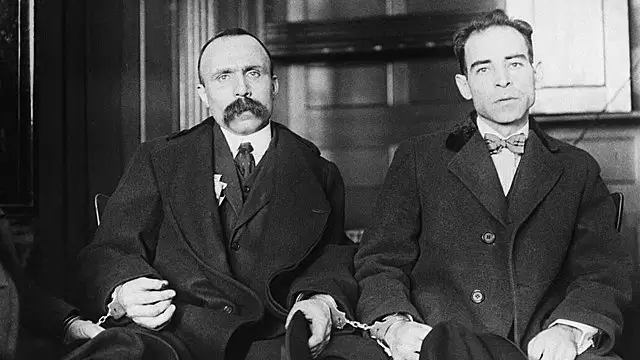
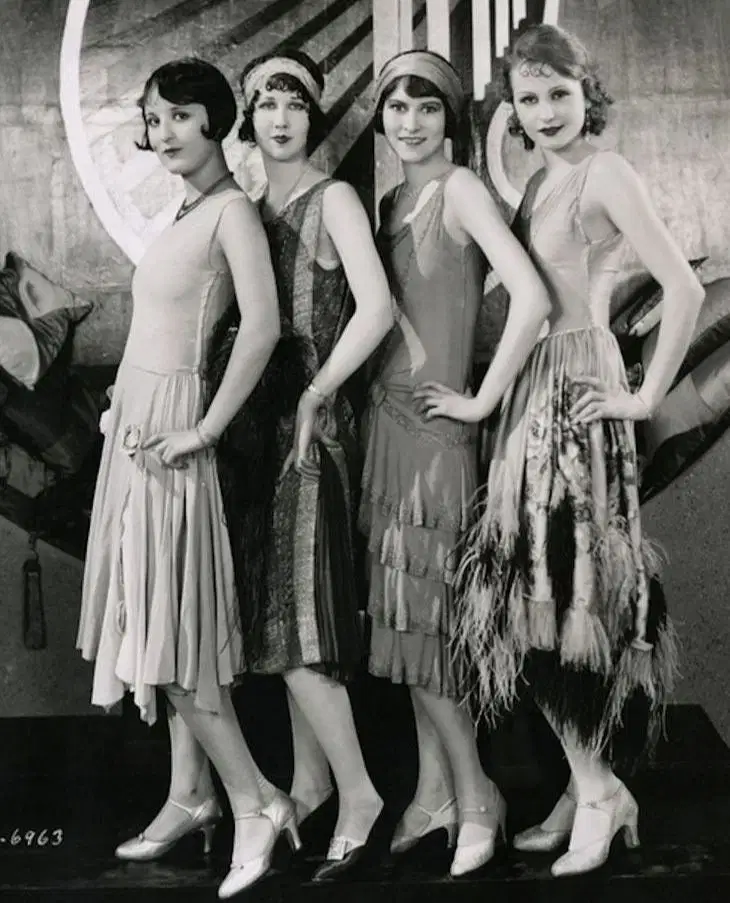
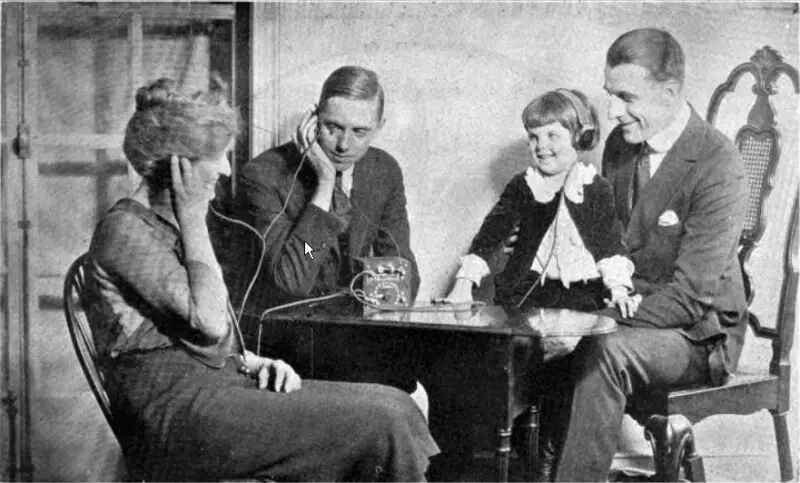


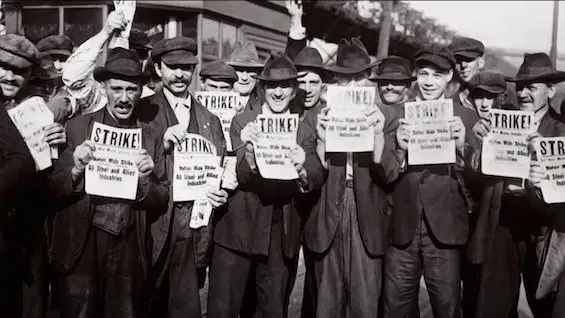
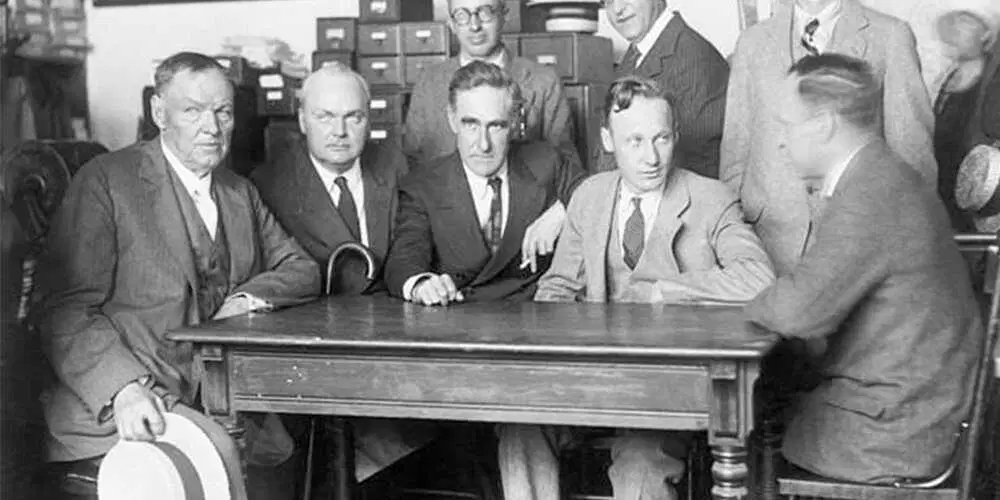


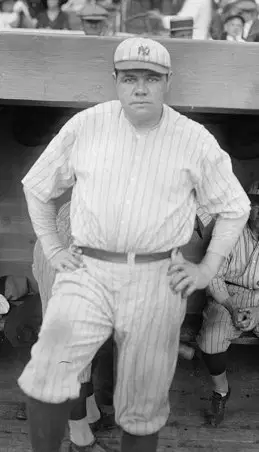

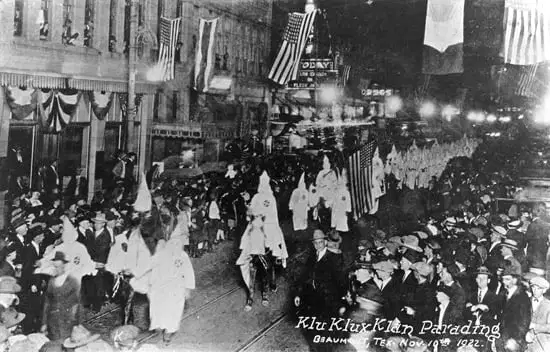
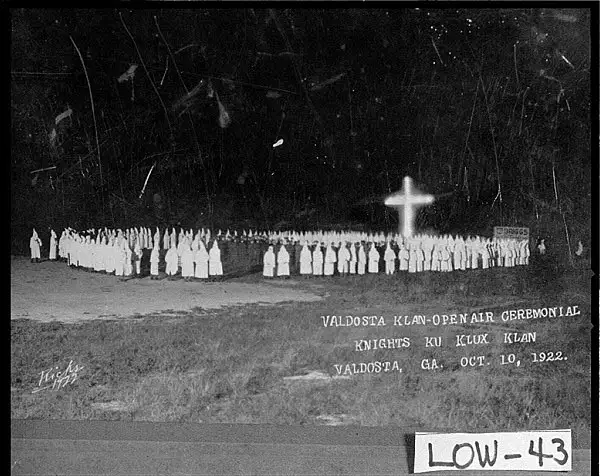
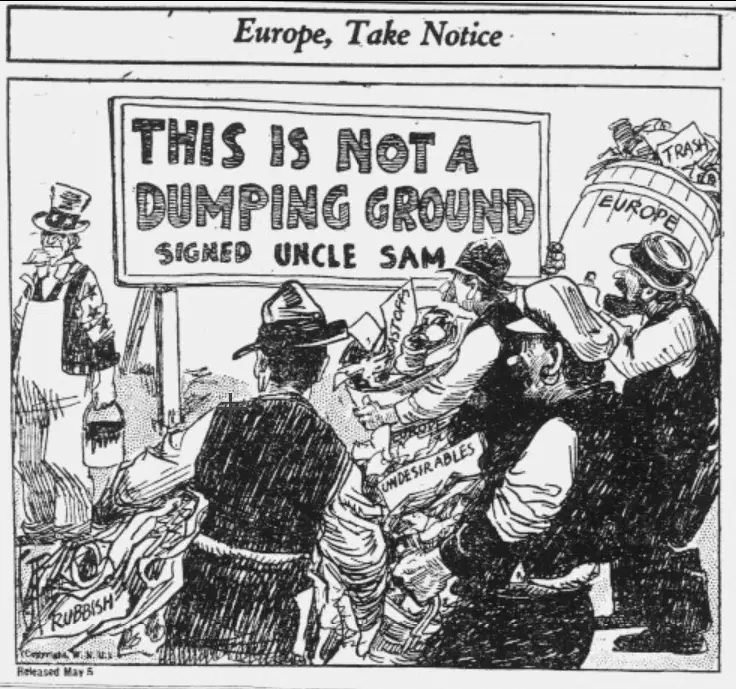

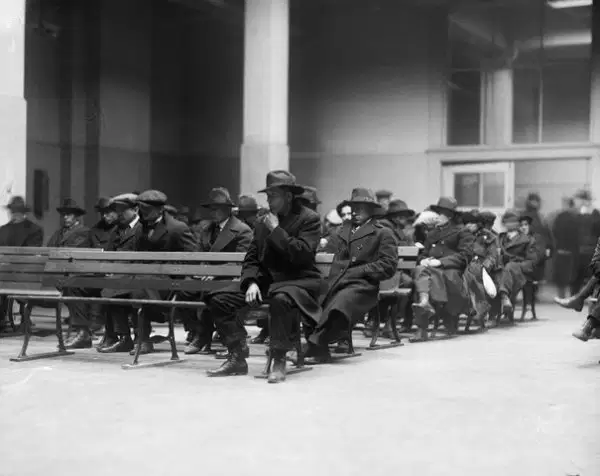


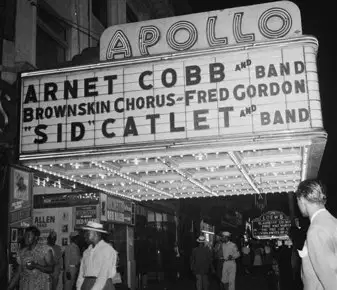
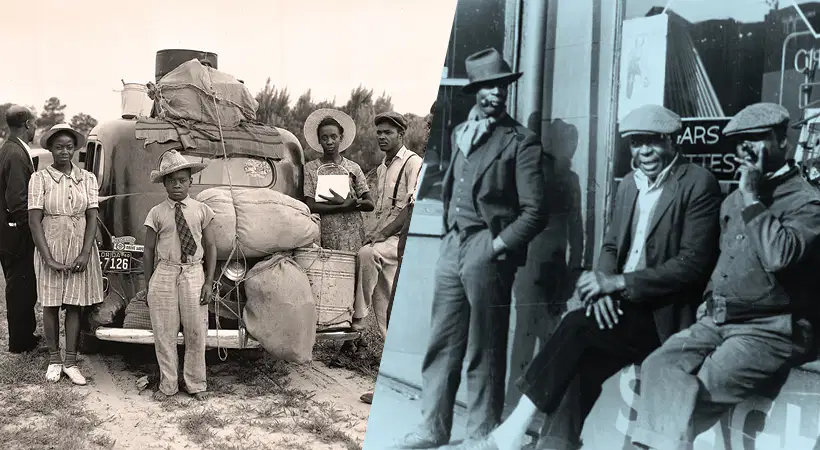
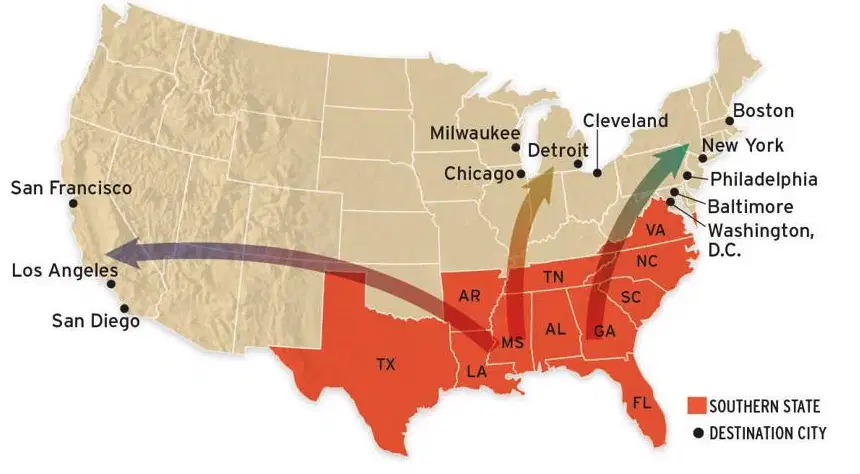


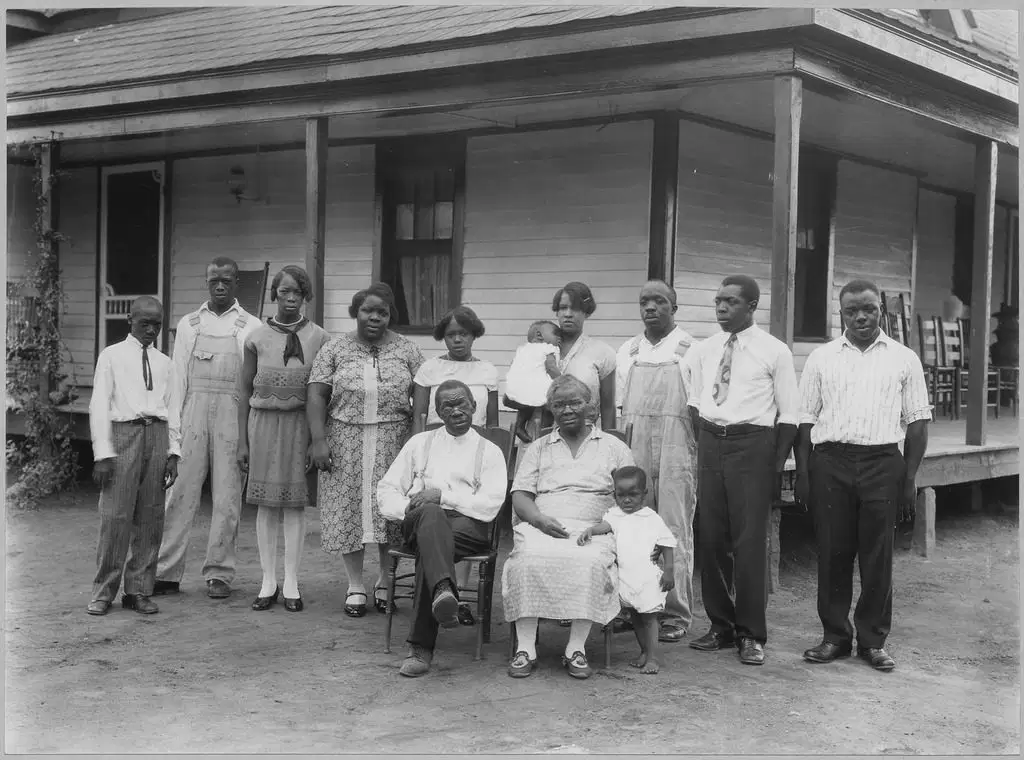
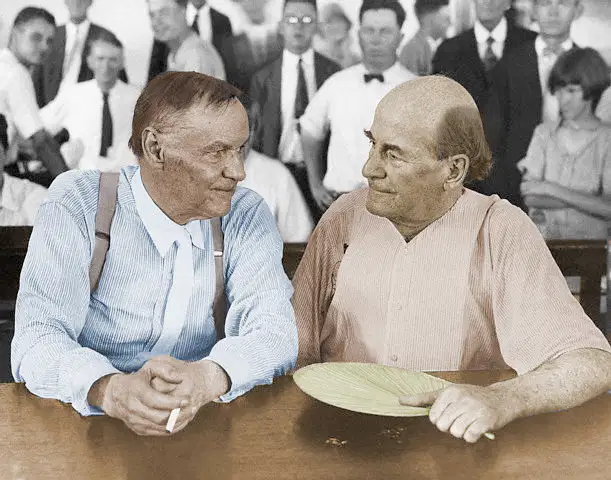
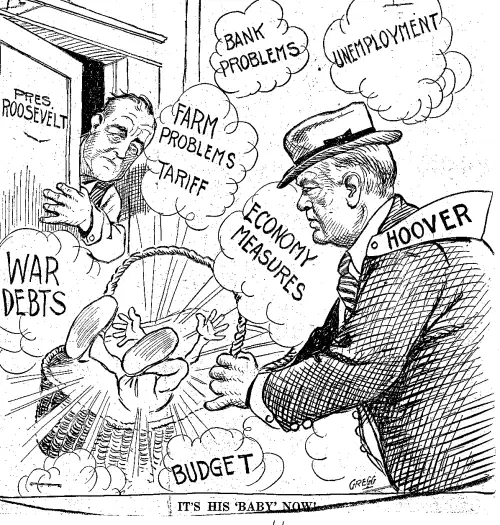
The widespread anxiety about the spread of communism in the 1920s, led to the rise of (a) in the United States, as exemplified by (b)


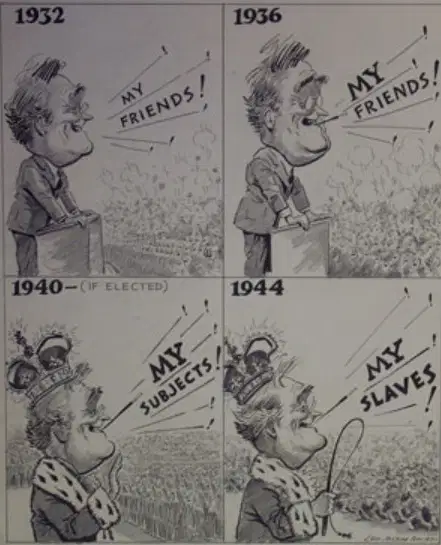
What policy of the Federal government contributed most to the post-World War I economic boom?