
 Worksheets
Quarter 1 Benchmark Review (LER)
Total questions: 130
Worksheet time: 2hrs 5mins
In any experiment, the independent variable ______________.
remains the same to not mess up the experiment
is purposely changed to test the hypothesis
is known by the scientist before doing the experiment
The variables in an experiment that stay the same are the -
Independent Variable
Dependent Variable
Constants
Control
Why do we want to test one independent variable at a time?
To know what is truly causing the changes
You drop a tennis ball from three different heights: 1 meter, 2 meters, and 3 meters above the ground. You measure to see how high the ball bounces.
What is a constant?
The ball you use
The height you drop the ball from
The height the ball bounces
Which variable is the data that you measure and record in the lab?
independent
dependent
control
math
An experiment is performed on plants to see how different liquids affect plant growth. Each plant in the experiment is given a different liquid. Each plant has the same amount of sunlight, soil and listens to the same music. What is the independent variable?
the type of plant
the type of liquid
the type of music
the amount of liquid
conclusion


Which number points to the objective lenses in the image?

Which number is the coarse adjustment in the image?
5
4

Which number is the fine adjustment in the image?
4
5
11

What is number 1?
arm
base
light source
stage

What is number 8?
stage
stage clips
base
nose piece

What is number 9?
rotating nose piece
objective lens
ocular lens
adjustment knob
Label the 3 objective lenses.
High Power (100x)
Scanning Power (4x)
Low Power (4x)

Which piece is the coverslip, the thin piece of plastic that covers and protects what you are investigating?
A
B
Which piece is the slide, the thin piece of glass that holds what you are investigating?
A
B
Which knob CANNOT be turned when observing a specimen using the high-powered objective?
coarse adjustment
fine adjustment
nosepiece adjustment
objective adjustment
Which objective lens should you ALWAYS begin your observation with?
low power objective
scanning power
high power objective
oil immersion objective

What is the function of a carbohydrate?
Instant energy
Stored energy
Stores genetic information
Speeds up reactions
What are the monomers of carbohydrates called?
Monosaccharides
Disaccharides
Polysaccharides
Amino Acids
When humans intake too many carbohydrates, the excess carbs are stored as
Glycogen
Starch
Cellulose
Veggies
The monomer of a nucleic acid is
Monosaccharide
Amino Acid
Nucleotide
Triglyceride (3 Fatty Acids and 1 Glycerol)
What are the monomers of proteins?
amino acids
fatty acids
glycerol
monosaccharides
What are the monomers of a lipid?
3 gylcerols and 1 fatty acid
1 glycerol and 3 fatty acids
3 amino acids
3 simple sugars
What element is most abundant in living things?
Carbon
Nitrogen
Water
Sugar

What is being represented in the picture above?
dehydration synthesis of a carbohydrate
dehydration synthesis of a protein
hydrolysis of a carbohydrate
hydrolysis of a protein
Which of the following macromolecules are a prominet part of animal tissues that function in insulation, helping animals conserve heat?
proteins
carbohydrates
nucleic acids
lipids
Enzymes only work with specific substrates because each substrate -
can only use a specific ionic bond with the enzyme
destroys its specific enzyme
actively interferes with other substrates around it
has a specific activation site for enzyme attachment
All organic compounds have which of the following in common?
They contain carbon
They contain nitrogen
They contain water
They contain carbon dioxide
Enzymes are affected by high temperatures and are often denatured. Which BEST describes what happens when an enzyme is denatured?
A very high temperature changes a protein's amino acids.
A very high temperature changes a protein's shape.
A very high temperature adds polymers to a protein.
A very high temperature removes polymers from a protein.

In an experiment to determine the effects of listening to loud music on test scores, what would the x-axis label be?
Type of music
Test score
Volume of music
Grade in class
The variable that is measured.
Controlled Variable
Dependent Variable
Independent Variable
When making a line graph, every point that you plot on the graph paper should be _____________ .
done in pen.
circled.
checked off.
crossed out.

What is the independent variable in this graph?
Tadpoles
Year
Frogs
Number of tadpoles in the pond
What type of graph shows change over time?


What is the difference between the number of frogs in the pond when the rainfall was 5cm and when the rainfall was 20cm?
20
40
50
60
When making a line graph, how do you connect the points?
Curved line
Straight line

In what organelle is the genetic material found inside?
cell membrane
chloroplast
nucleus
ribosome
A large central vacuole is found in a _____ cell.
animal
plant
This organelle controls what goes in and out of plant and animal cells.
Cell Wall
Cell Membrane
Chloroplasts
Cytoplasm
The _____________ is a gel-like fluid that fills plant and animal cells. It holds the organelles in place and gives each cell its shape.
Cytoplasm
Cell Membrane
Cell Wall
Chloroplast
Cell organelles work together to maintain
homeostasis
eukarya
prokarya
organisms
Which statement is part of the cell theory?
All cells react to stimulus
The cell is the basic unit of all organisms
The cell can be large or small
The cell is either prokaryotic or eukaryotic
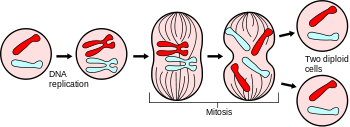
What type of organisms does the cell theory apply to
bacteria
multicellular organisms
plants and animals
all of the above

What is the function of the cell membrane?
To control what comes in and out of the cell
To break down food inside the cell
to serve as a barrier
to eat the cells food
What organelle helps with cell digestion?
lysosomes
golgi complex
ribosomes
endoplasmic reticulum
Which cell parts are not present in animal cells?
cell membrane & cytoplasm
nucleus & chloroplasts
cell wall & chloroplasts
ribosomes & mitochondria
Which is a characteristic of living things?
They breathe.
They have skin.
They can move.
They respond to their environments.

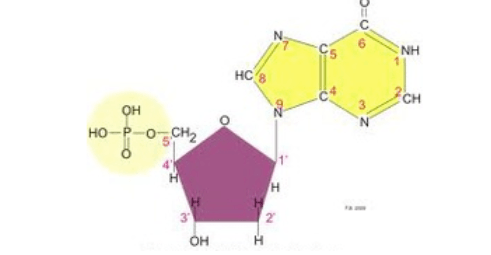
This molecule is
Carbon
Water
Glucose
Fat

What type of reaction is shown?
Dehydration synthesis
Hydrolysis
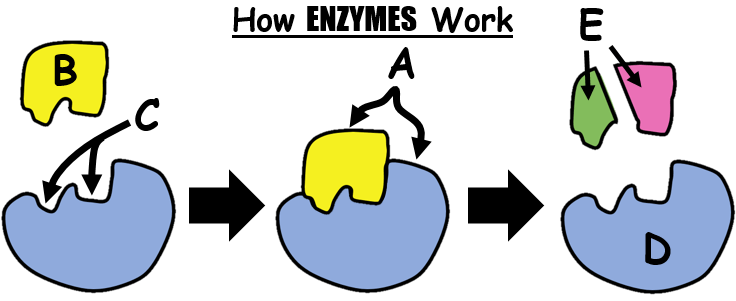
Label the parts of the enzyme model
Click on the temperature that this enzyme is having optimum activity.
Match the following Macromolecules to its structure

Carbohydrate

Lipid

Nucleic Acids

Protein
Enzyme can be used again and again
True
False
What does it mean if conditions are optimal?
Good conditions for the enzyme
Bad conditions for the enzyme
The best conditions for the enzyme
The enzyme won't work

Is the molecule shown organic or inorganic?
Organic
Inorganic
Match the following
Lysis
To split
Dehydrate
Remove water
Di
Two
Synthesis
To build or make
A _________ reaction removes a molecule of water to bond molecules together to create a polymer.
hydrolysis
water
dehydration synthesis
magical

Which type of reaction is shown?
Dehydration Synthesis
Hydrolysis

How many water molecules are released in the formation of this polymer?
1
2
3
4
Which of these molecules is a monomer?


How many sugar units make up polysaccharides?
one
two
three or more
zero

What is the name of the bond that joins two amino acids together?
Ester bond
Glycosidic bond
Peptide bond
Nucleic bond
If you change the shape of an enzyme, will it work the same/properly?
Yes
No
What are the two kinds of nucleic acids? (check all that apply)
RNA
DNA
Amino Acids
5-Carbon Sugar
Label the 3 parts of a nucleotide.
Many monomers put together make a
dimer
trimer
polymer
monosaccharide
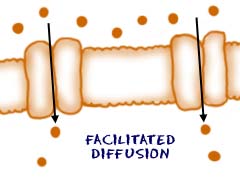




Identify the substance/molecule that will not diffuse.
Starch
Glucose
Iodine

Identify the substance that was added to the outside of the plant cells that caused the change observed.
salt water
fresh water
distilled water
glucose

Identify the substance that was added to the outside of this cell that caused the change observed.
salt water
fresh water
distilled water
glucose

Molecule A cannot diffuse. What is a possible reason why?
Molecule A is a macromolecule and it is too large to move.
Molecule A is a building block and it is too large to move.
Molecule A is a building block and it is too small to move.
Molecule A is a macromole and it is too small to move.

The following image shows a plant cell in a normal environment. Which picture shows what a plant cell would like if salt was added to the outside?


This image represents which type of structure?
Hydrogen
Nucleus
Membrane Tissue
Phospholipid

Based on the image, where will the carbon dioxide molecules move towards?
Inside the cell
Outside the cell
Remain in the hydrophobic tails of the membrane
They will not be able to pass through the phospholipid bilayer

