
 Worksheets
Great Depression Vocabulary Pre-Test
Total questions: 31
Worksheet time: 23mins
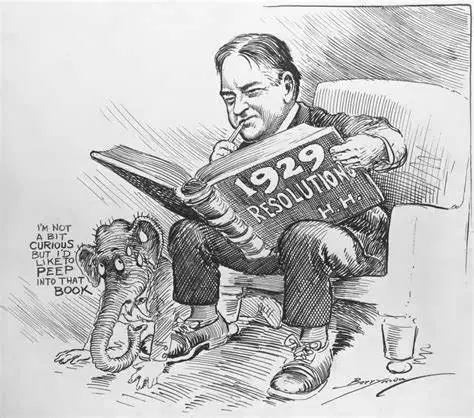
What was the period of severe economic downturn in the United States during the 1930s?
Roaring Twenties
Great Depression
Industrial Revolution
Cold War

What term is used to describe the collapse of a bank due to its inability to meet financial obligations?
Bankruptcy
Bank Failure
Bankruptcy
Bank Default

What is the term for a situation where a large number of people withdraw their money from a bank simultaneously?
Bankruptcy
Bank Failure
Bank Run
Bank Default

Which legislation passed in 1930 raised tariffs on imported goods, leading to a decline in international trade?
Smoot-Harley Tariff Act
Sherman Antitrust Act
Emancipation Proclamation
Homestead Act

What event in 1929 marked the beginning of the Great Depression?
Stock Market Crash
Gold Rush
Boston Tea Party
Declaration of Independence

Area of the Great Plains that experienced huge dust storms during the Great Depression; the storms were a result of drought, high winds, and poor farming methods; as a result of the storms, many migrated to other areas of the country - ____________
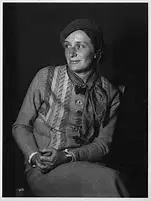
(1895–1965), US photographer; She was known for her documentary photographs of the Great Depression, including “White Angel Breadline” (1932), and those of the Japanese American internment camps around 1942. Many of her later photo-essays were published in Life magazine -_________
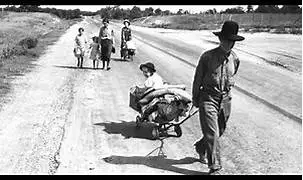
A migrant agricultural worker from Oklahoma who had been forced to leave during the Depression of the 1930s; termed as a native from Oklahoma - ___________
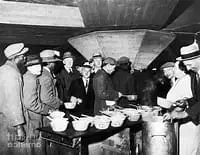
Methods of feeding the neediest people in the country during the Great Depression; set up as places where the poor could eat free or cheap food - ______________
soup kitchens or bread lines

What was called the Lame Duck Amendment -___________
16th Amendment
20th Amendment
18th Amendment
21st Amendment

The stock market crashed on October 29, 1929. What is this day called?
Black Friday
Black Tuesday
Black Crash
Crash Day

Unemployed WWI veterans who went to Washington to seek early payment of their military bonus money -___________
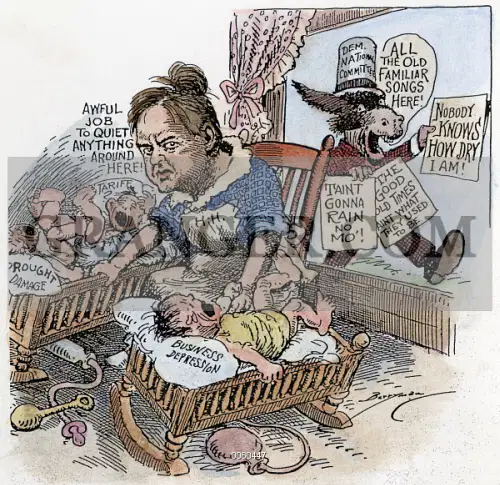
Republican president from 1929 - 1933; blamed for the Great Depression - _________

Crudely built camps usually on the edge of town that acted as shelter or encampments for those who had lost their jobs and homes - _________

Shortened the time between the November elections and inauguration of the new president; eliminated the opening December session of Congress - ____________

The Dust Bowl happened on April 14, 1935. What is this day called?
Dust Day
Black Sunday
Black Friday
Black Tuesday

Repealed the 18th Amendment to reverse prohibition - ___________
Time period when banks are closed for business; in 1933, Franklin D. Roosevelt (FDR) declared a four-day holiday during which time banks were inspected and only the good ones were allowed to reopen - __________
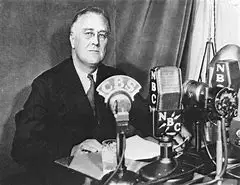
Radio addresses by FDR to explain and gather support for his New Deal proposals - _________
fireside chats
living room chats
news broadcast
radio chats

Total market value of all finished goods and services produced within a country's borders - ___________

The flurry of New Deal legislation passed in the first 100 days of FDR's presidency - _______
New Deal Legislation
First New Deal
Hundred Days

Programs implemented by President Franklin D. Roosevelt (FDR) in an attempt to end the Great Depression - ________

Democratic president elected in 1932; elected president in four consecutive elections - ________

The government practice of spending more money than is collected from taxes and other sources -_______

The idea that the government should spend money during a recession to stimulate the economy even if the government has to borrow the money and repay it when the economy improves - ______
Keynesian economics
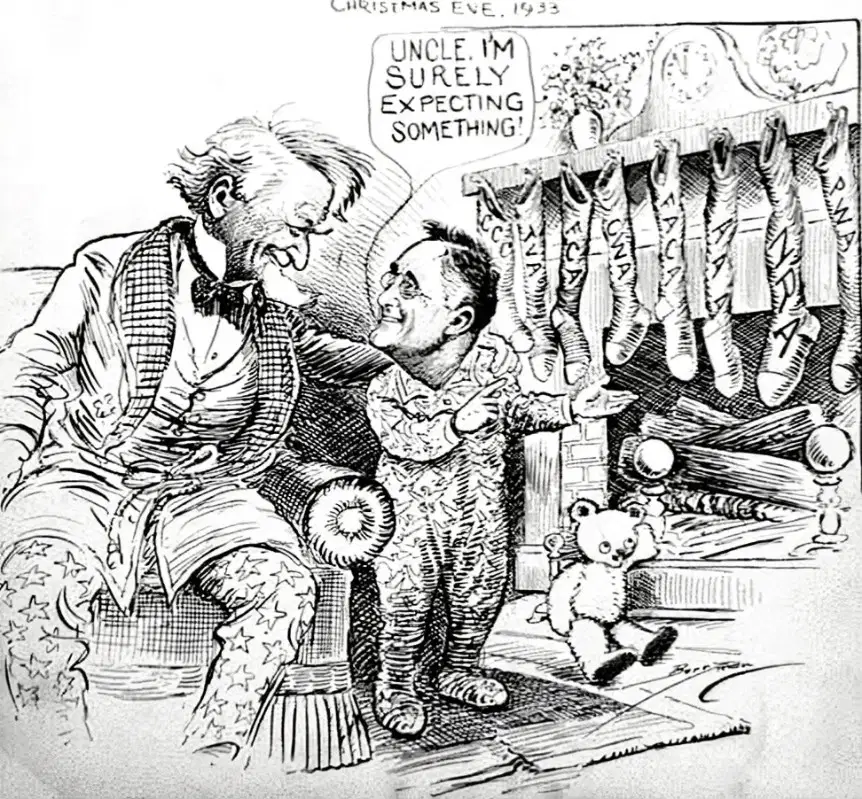
Additional slowdown in the economy in 1938 caused when the president decreased spending on relief programs - _________
Great Depression Phase II
Roosevelt Recession
Uncle Sam's Recession
The Slowdown of 1938
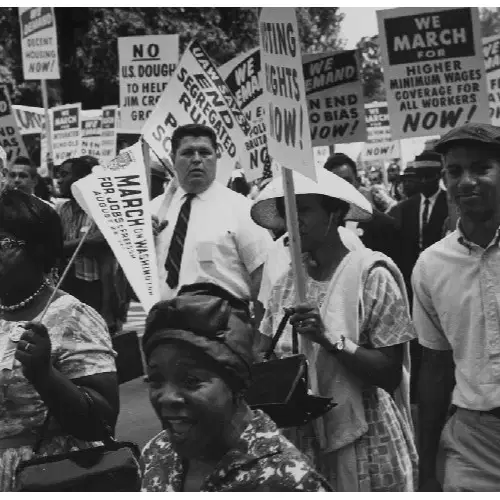
A union that split from the AFL to represent unskilled workers in various industries - ________
Congress of Industrial Organizations (CIO)
American Federation of Labor (AFL)-IO
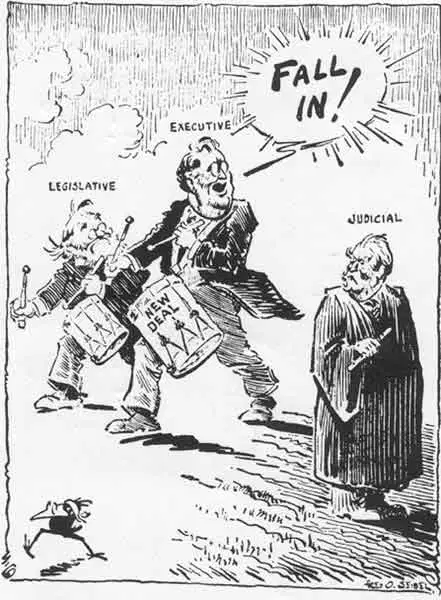
Legislation proposed by FDR to add more justices (those who would be more favorable to his New Deal legislation) to the Supreme Court - ______
Court-packing Bill

The agency created to bring electricity to rural areas of the country - ________

Additional New Deal legislation beginning in 1935 and aimed more toward reform - _______

A strike where workers sit down and occupy the factory rather than walking out to man picket lines - _______

