
Font size
 Worksheets
Porifera & Cnidaria
Total questions: 15
Worksheet time: 10mins
What animals are NOT included in Phylum Cnidaria?
jellyfish
anemones
squids
corals

Sponges have these specialized cells with flagella for pumping water.
tentacles
choanocytes
spicules
amoebacytes
Match the following

Coral polyps

Anemone

Moon jelly

Sponge

Nematocyst

Hard structures unique to each sponge species, some are made of calcium carbonate, others are made of silicon dioxide:
choanocytes
spicules
spiracles
nematocysts

The opening at the top of a sponge where water comes out.
osculum
osteocyte
spicule
cnidocyte
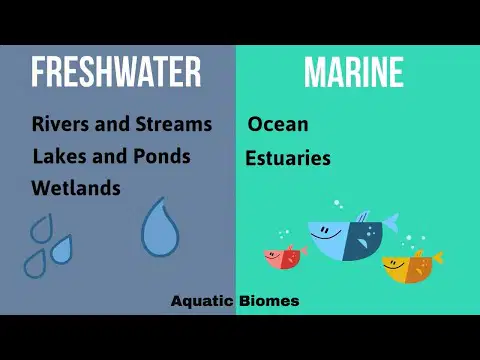
These are known to live in both freshwater and saltwater:
Phylum Porifera
Phylum Cnidaria

The animals in this group are ALL sessile:
Phylum Porifera
Phylum Cnidaria

Animals that remain in one place and are stationary or anchored to the rocks/seafloor:
plankton
motile
sessile
larvae

Larvae of many species of animals begin as this ___________ .
phytoplankton
zooplankton
spicules
choanocytes

Organisms in Phylum Porifera and Phylum Cnidaria both feed on various plankton species.
True
False

A box jellyfish (Class Cubozoa) is in this phylum:
Porifera
Cnidaria
Polyp and medusa are the body forms of this phylum:
Porifera
Cnidaria
Match the following

medusa form

polyp form

plankton

sponge

spicules
These sponge cells have many jobs, one of which is to produce the spicules:
choanocytes
porocytes
nematocyst
amoebocytes

What marine animals are known to eat sponges and jellyfish?
blue whales
sea turtles
leopard seals
sea urchins

