
 Worksheets
Unit 3 Quick Quiz #1
Total questions: 9
Worksheet time: 11mins
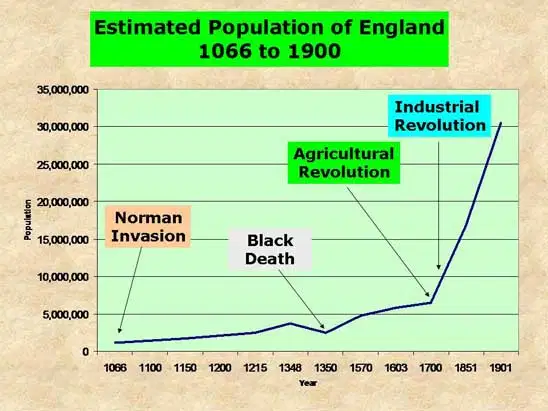
The Agricultural Revolution led to _____________________.
more food, more people, and increased urbanization.
more food, more immigration, and decreased urbanization
more food, more people, and increased ruralization.
more food, more immigration, and increased ruralization.
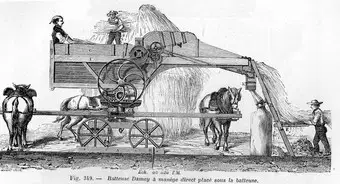
Which of the following was NOT an innovation of the Agricultural Revolution in Great Britain?
Seed Drill
Pesticides
Crop Rotation
Thresher
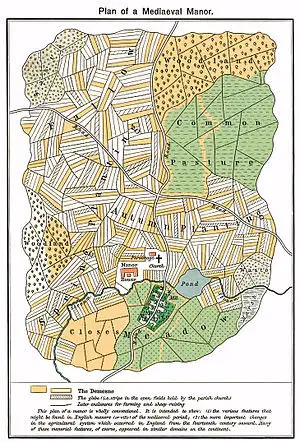
The Enclosure Acts were _______________________.
Acts of the British Parliament that opened up farmland for commoners to farm.
A set of laws that required people to work in factories
Acts of the British Parliament that allowed nobles to privatize (enclose) their lands and evict (remove) peasants.
A type of indentured servitude which increased the supply of food in Great Britain
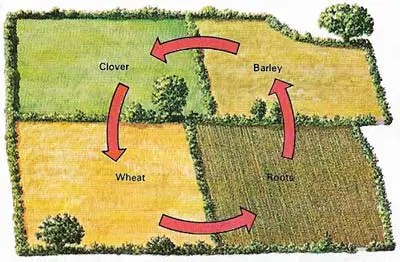
The 4-Crop rotation system _______________________.
Was an innovation during the Agricultural Revolution that allowed commoners to farm previously enclosed lands.
Was an innovation during the Agricultural Revolution that allowed famers to grow only turnips
Was an innovation during the Agricultural Revolution that helped farmers separate seeds from stalks.
Was an innovation during the Agricultural Revolution that allowed farmers to more efficiently use the land and produce more food.
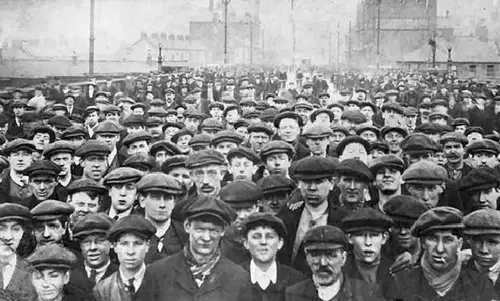
The Agricultural Revolution led to increased urbanization because _____________________________.
The population was rising
More people were losing their farming jobs
The population was rising AND more people were losing their farming jobs
The population was declining AND more people were getting farming jobs
The population was declining
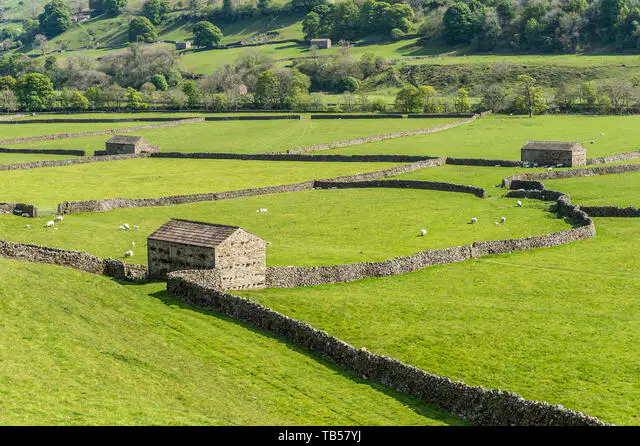
Which of the following best describes the results of the Enclosure acts?
Farming became less efficient for wealthy landowners, and poor peasants lost their farmland and jobs
Farming became more efficient for wealthy landowners, but poor peasants lost their farmland and jobs
Farming became more efficient for wealthy landowners, and poor peasants gained new farmland and jobs
Farming became less efficient for wealthy landowners, and poor peasants gained new farmland and jobs
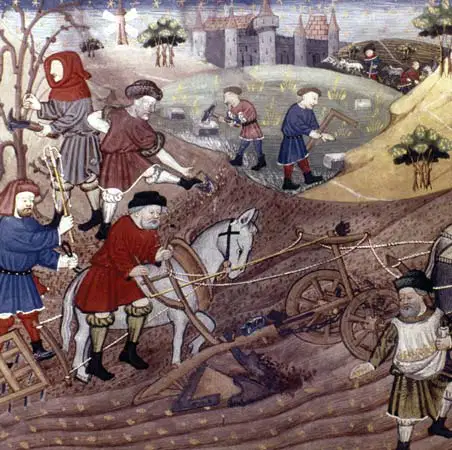
Put the following events in order
Most people are farmers on Medieval Manors during the Middle Ages, sharing 'Common Land'
The Agricultural Revolution brings new farming technology to Great Britain
As a result of more food, the population rises. At the same time, farmers are losing their jobs.
Farmers move from the countryside to cities in search of jobs (urbanization)
Identify Great Britain (also known as the UK, also known as England, Scotland and Wales) on the map
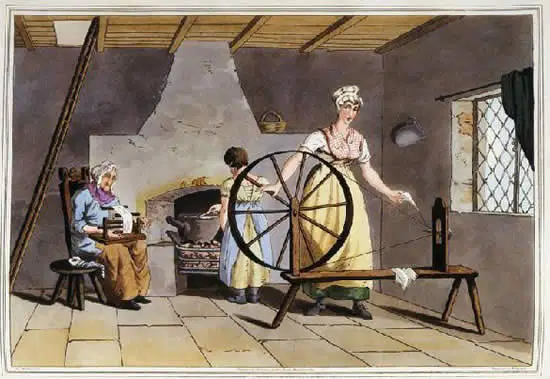
Reorder the following
Goods are made in homes using primarily human and animal power
Goods are made in homes and small factories, often with the help of water power
Goods are made in factories, using machines power by coal burning steam engines

