
 Worksheets
Ancient Greece
Total questions: 62
Worksheet time: 1hrs 5mins
What is an "agora" in Ancient Greece?
A type of Greek theater
A marketplace and gathering place
A powerful ruler
A type of Greek ship
What term is used to describe a Greek city-state?
Republic
Empire
Polis
Monarchy
Which term refers to a system of government where citizens have the power to make decisions and vote on laws?
Oligarchy
Democracy
Aristocracy
Monarchy
What is an Oracle in Ancient Greece?
A type of philosopher
A mythical creature
A sacred place where people sought advice from gods
A type of ancient Greek sports event
What event was held every four years in ancient Greece and included athletic compeitions like running and discus throwing?
The Olympics
The Demos
The Symposium
The Oligarchy
Who is often called the "Father of Medicine" and is known for his contributions to the field of medicine in ancient Greece?
Plato
Socrated
Hippocrates
Aristotle
Which Greek philosopher is known for the "Socratic Method," a form of questionining to stimulate critical thinking?
Plato
Socrates
Aristotle
Archimedes
What term describes a government system where a few people hold all the power?
Democracy
Oligarchy
Monarchy
Tyranny
Which Greek word means "the people" and is often used in the context of democracy?
Polis
Demos
Philosopher
Acropolis
American form of government
Aristocracy
Direct Democracy
Representative Democracy
Tyranny
What is Greece's hilly terrain (land) good for?
lots of farming
communication between city-states
growing grapes and olives
providing water for the crops
What do we call land with water on 3 sides?
island
continent
peninsula
city
Which of the following is NOT TRUE about the geography in Greece?
They became excellent fishermen, sailors and traders
There was lots of farmland to grow crops.
The mountains made it difficult to communicate and travel
Trade was very important

What body of water does not border Ancient Greece?
Mediterranean Sea
Aegean Sea
Ionian Sea
Red Sea

Which group(s) of people were not allowed to be citizens in Athens? (select all that apply)
Men
Women
Slaves
Foreigners
The ideal Spartan believed that ________.
The family came before Sparta
Sparta came before family
Greece needed to be united as one country
The key to winning a war was all about the size of your army


(It housed a fort and a temple to the city-state's local god or goddess)


(Also, the largest city-state by a wide margin)


What was this war called?
What did the Spartans use to control its citizens?
the helots
the military
forced physical punishments
the government
Which statement correctly describes a boys life in Athens and Sparta.
Athenians went to school; Spartans served in the military
Athenians studies combat; Spartans played sports
Athenian boys lived in barracks; Spartans lived at home
Athenian boys became citizens at 30; Spartans never became citizens.

Greek civilization began in an area dominated by...
mountains and lakes
seas and mountains
rivers and plains
deserts and forests

Communities in ancient Greece were separated by
rivers and deserts
rugged mountains and valleys
rivers and forests
deserts and mountains
The Greeks developed the modern concept of citizenship.
True
False
Greeks used mythology
as a way to explain the practices and beliefs of their people
for fun
to use in plays and performances
as a ritual
Which would be an example of Greek architecture?
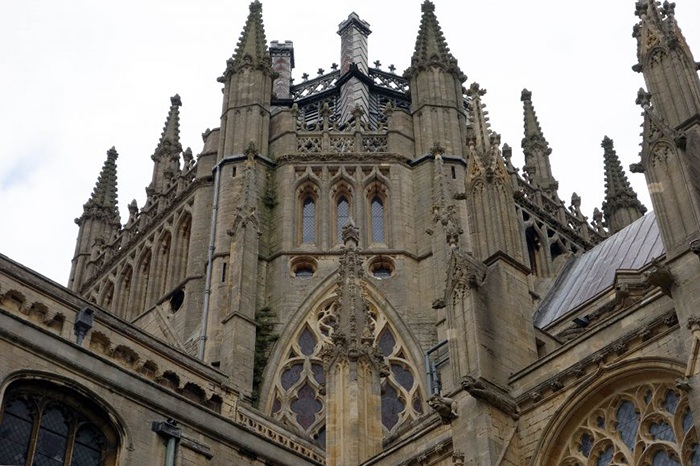
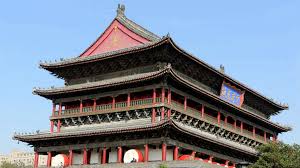
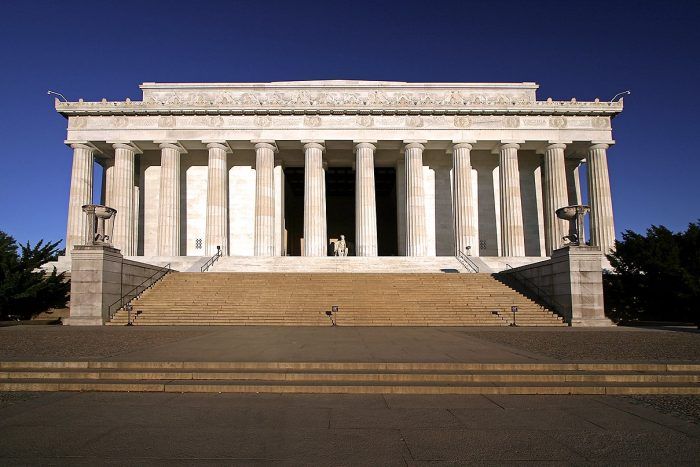
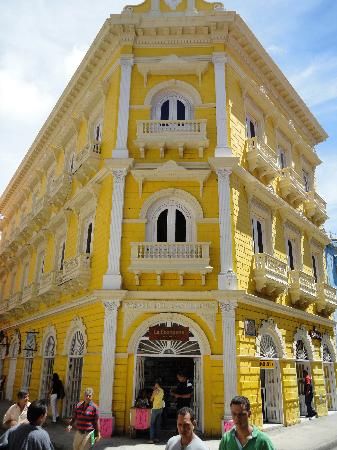
What is an agora?
a Greek goddess
a type of instrument
A Greek gathering place
a serpent
Greece is made up of hundreds of islands
True
False
Which continent is Greece part of?
Africa
North America
Europe
Asia
Which area of study asks questions about the meaning of life? (Choose the one best answer.)
Historiography
Philosophy
Biology
Psychology
Who rules in democracy? (Choose the one best answer.)
The King
Everyone
The president
the citizens
In Sparta, the women and girls were allowed to do the following: (Choose the one best answer.)
Play sports and own property
Vote on government matters
Train for the military
Stay home and clean house
Why do we remember Alexander the Great? (Choose the one best answer.)
For making the catapult
Conquering the Persian Empire and spreading Greek culture
His love of philosophy and wisdom
Dying at a very young age
a member of the most powerful class in ancient Greek society
aristocrat
oligarchy
participate
democracy
a person who has certain rights and duties in a city-state or nation
citizen
ignored
colony
participate
a government in which power is held by the people, who exercise power directly or through elected representatives
democracy
oligarchy
monarchy
implemented
What did the ancient Greeks become very good at building because of their geography?
Castles
Pyramids
Ships
Weapons
What did all of the Greek city-states have in common?
They shared the same language
They all valued education and the arts
The all had the same type of government
All of these
Which Greek city-state became the most powerful and important of them all around 700 B.C.?
Minoa
Troy
Athens
Sparta
Who was allowed to be a citizen in Ancient Athens?
Men and women
All men, but no women
Men that had two parents from Athens
Anyone that lived in Athens
What type of democracy did Athens have?
Representative
Authoritative
Participatory
Direct
What did the ancient Greeks build to honor their gods?
Temples like the Parthenon
Oracles
Pyramids and obelisks
None of these
What was the purpose of the ancient Olympics?
It was a festival for the Gods
To find out who the strongest person in Greece was
To make money
All of these
What field of study are Socrates, Plato, and Aristotle famous for?
Literature
Philosophy
Mathematics
Science
Who wrote the "Iliad" and the "Odyssey?"
Socrates
Homer
Aristotle
Plato
Athens, Sparta, or both: Women had few rights.
Athens
Sparta
Both
Athens, Sparta, or both: Valued education and the arts.
Athens
Sparta
Both
Athens, Sparta, or both: Boys began their military training at age 7;
Athens
Sparta
Both
Athens, Sparta, or both: Fought against Persia in the Persian Wars.
Athens
Sparta
Both
Which of these places did Alexander the Great NOT conquer?
Persia
Egypt
China
Indus River Valley
What happened to Alexander's empire after his death?
It was passed on to his son, Phillip II
It was taken over by Sparta
It was divided into 3 Kingdoms
It was returned to the people he conquered
What was so important about Alexander the Great's conquest?
It united the ancient world
It helped spread Christianity
It spread Greek culture throughout the Ancient world
It was not really that important

