
 Worksheets
Examen PLÀSTICS
Total questions: 60
Worksheet time: 30mins
Name
Class
Date
1.

De què es tracta?
a)
matèria primera
b)
material
c)
producte
2.
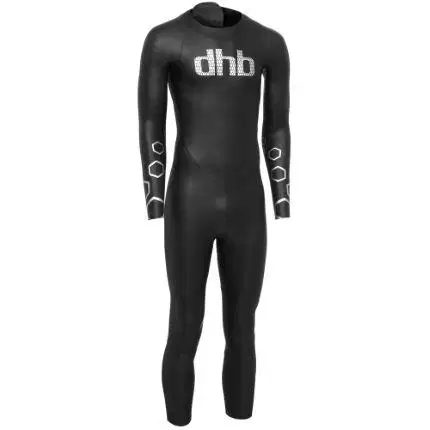
Quina propietat té?
a)
Elasticitat
b)
Plasticitat
c)
Tenacitat
d)
Duresa
e)
Maleabilitat
3.
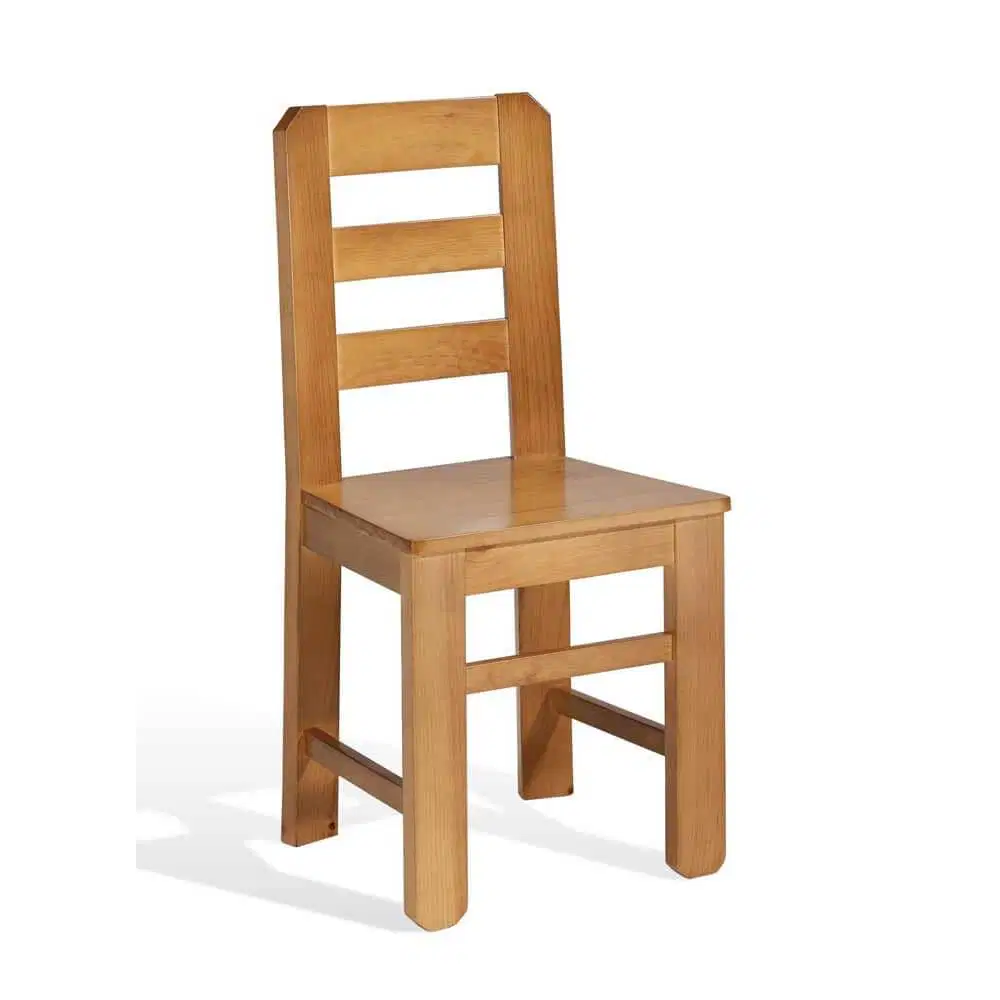
De què es tracta?
a)
matèria primera
b)
material
c)
producte
4.

De què es tracta?
a)
matèria primera
b)
material
c)
producte
5.

De què es tracta?
a)
matèria primera
b)
material
c)
producte
6.

De què es tracta?
a)
matèria primera
b)
material
c)
producte
7.

De què es tracta?
a)
matèria primera
b)
material
c)
producte
8.
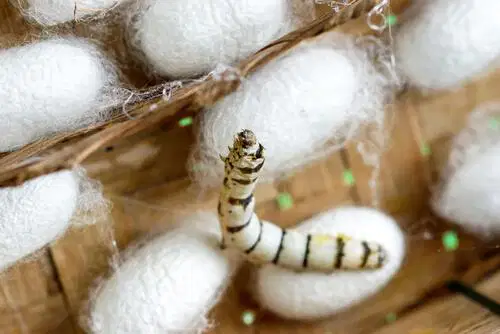
De què es tracta?
a)
matèria primera
b)
material
c)
producte
9.

De què es tracta?
a)
matèria primera
b)
material
c)
producte
10.
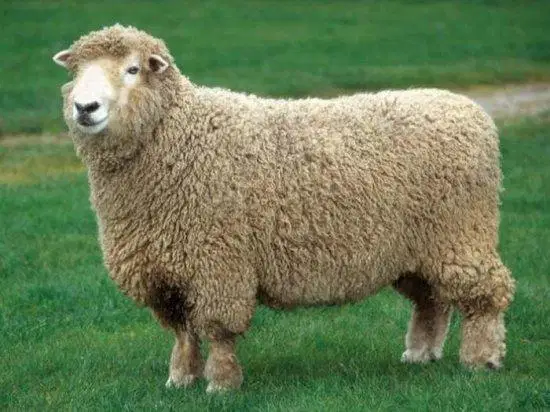
De què es tracta?
a)
matèria primera
b)
material
c)
producte
11.
Qué és el petroli?
a)
matèria primera
b)
material
c)
producte
12.
Qué és una roca?
a)
matèria primera
b)
material
c)
producte
13.
Què és una casa de fusta?
a)
matèria primera
b)
material
c)
producte
14.
De quina propietat es tracta? CAPACITAT PER RECUPERAR-SE D'UNA DEFORMACIÓ
a)
Elasticitat
b)
Plasticitat
c)
Tenacitat
d)
Duresa
e)
Maleabilitat
15.
De quina propietat es tracta? CAPACITAT PER SOPORTAR UN COP
a)
Tenacitat
b)
Elasticitat
c)
Plasticitat
d)
Duresa
e)
Maleabilitat
16.
De quina propietat es tracta? TRANSFORMAR-LO EN LLÀMINES
a)
Mal·leabilitat
b)
Elasticitat
c)
Plasticitat
d)
Tenacitat
e)
Duresa
17.
FLEXIBILITAT/ELASTICITAT
a)
RECUPEAR-SE D'UNA DEFORMACIÓ
b)
SOPORTAR UN COP
c)
SER DEFORMAT
d)
SER ATRAVESSAT PER UN ALTRE COS
e)
- TRANSFORMA-LO EN LLÀMINES
18.
TENACITAT
a)
SOPORTAR UN COP
b)
RECUPEAR-SE D'UNA DEFORMACIÓ
c)
SER DEFORMAT
d)
SER ATRAVESSAT PER UN ALTRE COS
e)
- TRANSFORMA-LO EN LLÀMINES
19.
MAL·LEABILITAT
a)
- TRANSFORMA-LO EN LLÀMINES
b)
RECUPEAR-SE D'UNA DEFORMACIÓ
c)
SOPORTAR UN COP
d)
SER DEFORMAT
e)
SER ATRAVESSAT PER UN ALTRE COS
20.
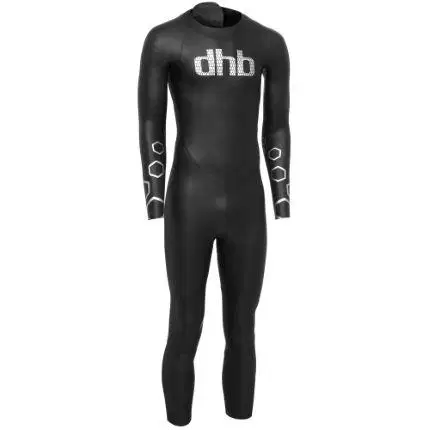
Quina propietat té?
a)
Elasticitat
b)
Plasticitat
c)
Tenacitat
d)
Duresa
e)
Maleabilitat
21.
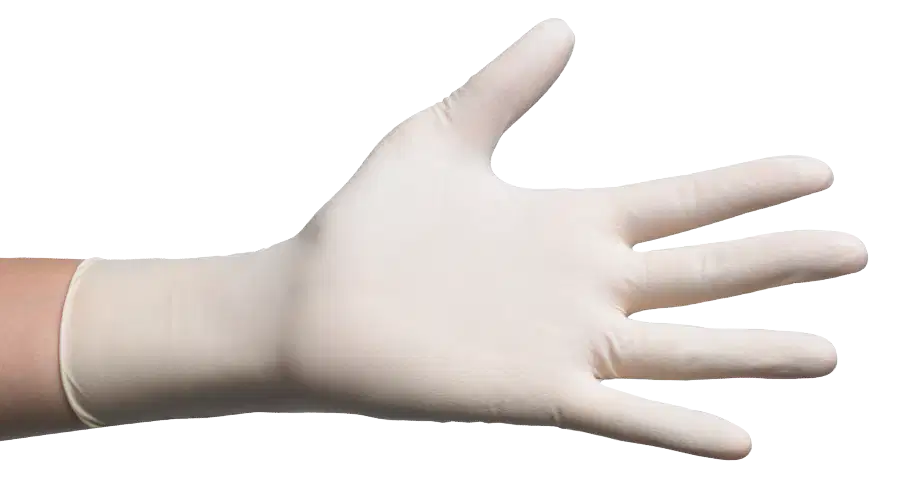
Quina propietat té?
a)
Elasticitat
b)
Plasticitat
c)
Tenacitat
d)
Duresa
e)
Maleabilitat
22.
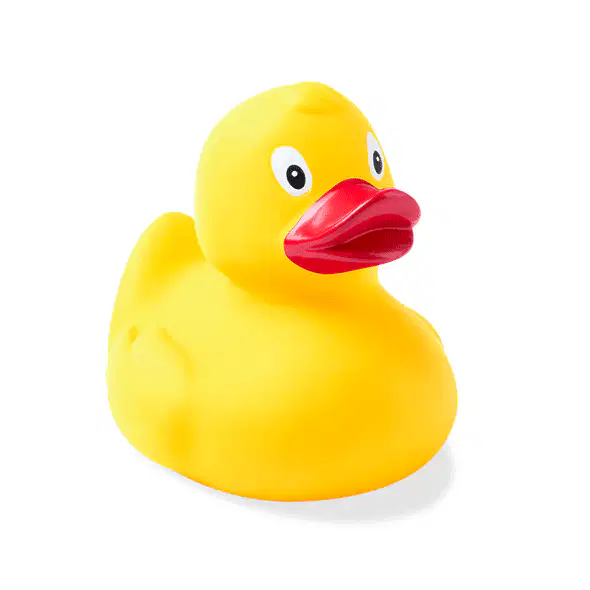
Quina propietat té?
a)
Elasticitat
b)
Plasticitat
c)
Tenacitat
d)
Duresa
e)
Maleabilitat
23.
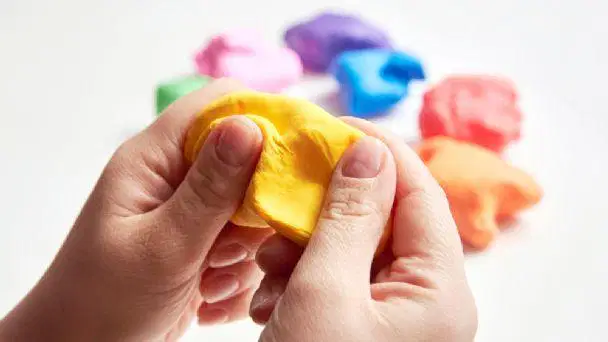
Quina propietat té?
a)
Plasticitat
b)
Elasticitat
c)
Tenacitat
d)
Duresa
e)
Maleabilitat
24.
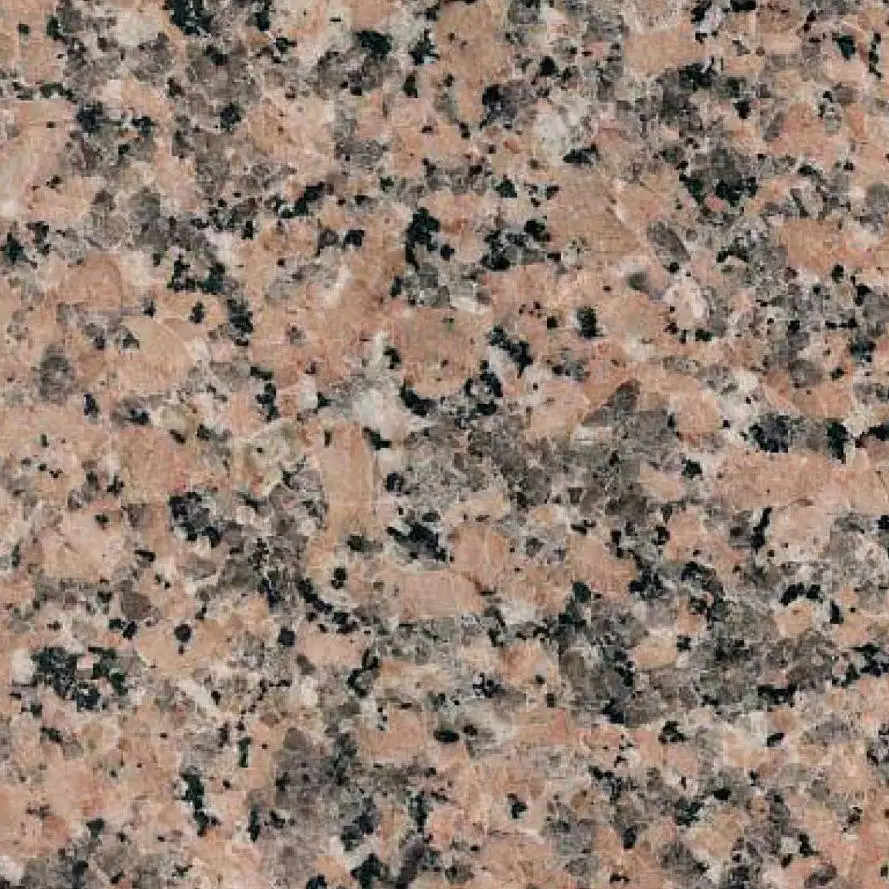
Quina propietat té?
a)
Tenacitat
b)
Elasticitat
c)
Plasticitat
d)
Duresa
e)
Maleabilitat
25.

Quina propietat té?
a)
Tenacitat
b)
Elasticitat
c)
Plasticitat
d)
Duresa
e)
Maleabilitat
26.
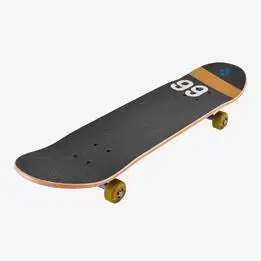
Quina propietat té?
a)
Tenacitat
b)
Elasticitat
c)
Plasticitat
d)
Duresa
e)
Maleabilitat
27.
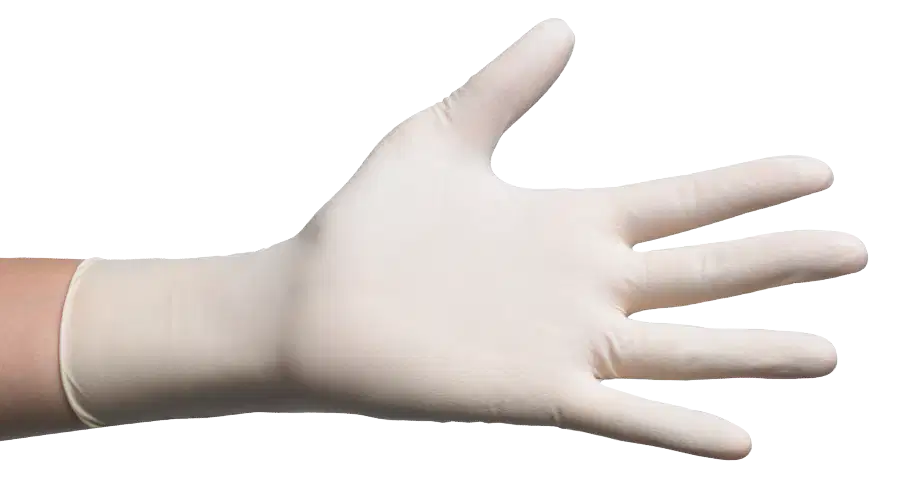
Quina propietat té?
a)
Elasticitat
b)
Plasticitat
c)
Tenacitat
d)
Duresa
e)
Maleabilitat
28.
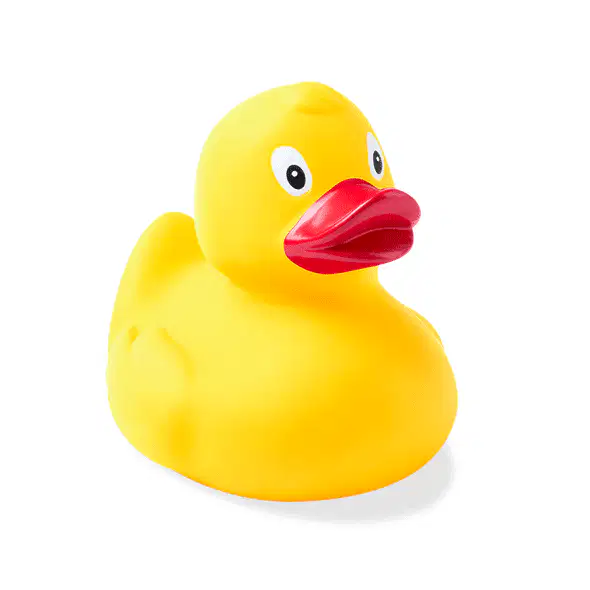
Quina propietat té?
a)
Elasticitat
b)
Plasticitat
c)
Tenacitat
d)
Duresa
e)
Maleabilitat
29.

Quina propietat té?
a)
Plasticitat
b)
Elasticitat
c)
Tenacitat
d)
Duresa
e)
Maleabilitat
30.
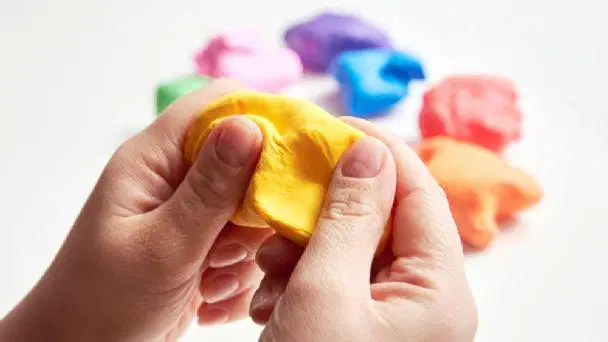
Quina propietat té?
a)
Plasticitat
b)
Elasticitat
c)
Tenacitat
d)
Duresa
e)
Maleabilitat
31.
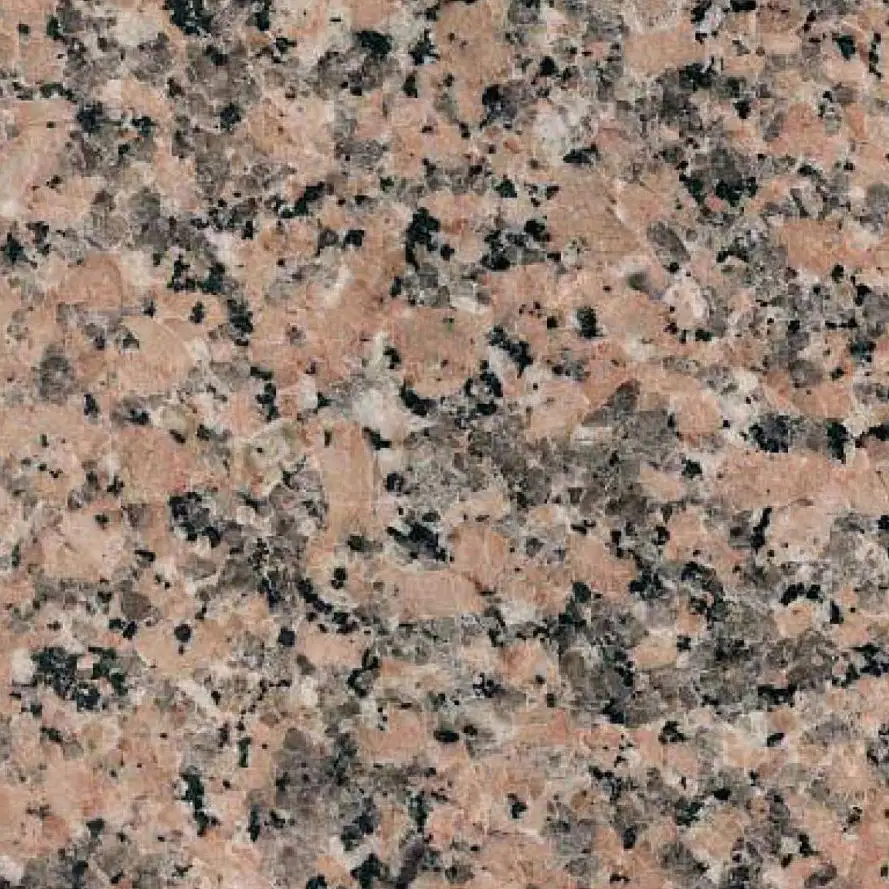
Quina propietat té?
a)
Tenacitat
b)
Elasticitat
c)
Plasticitat
d)
Duresa
e)
Maleabilitat
32.
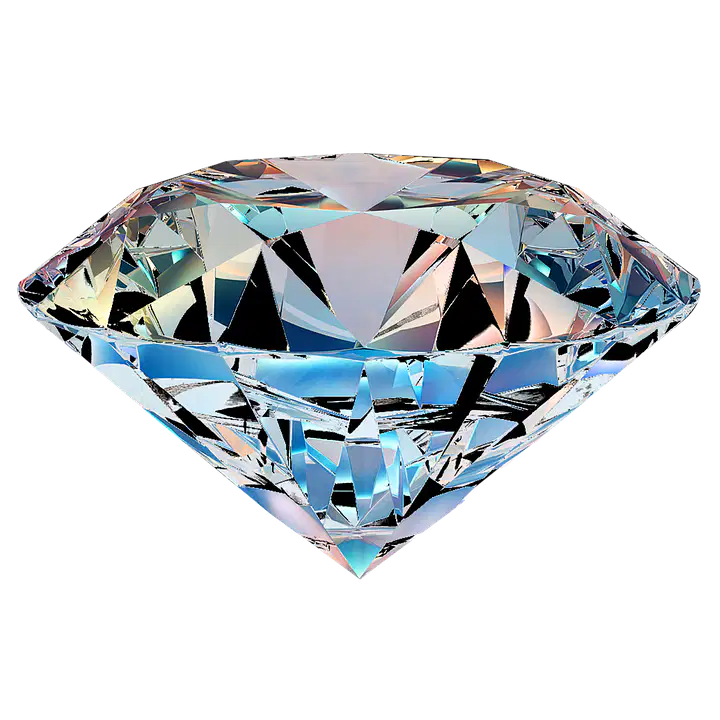
Quina propietat té?
a)
Duresa
b)
Elasticitat
c)
Plasticitat
d)
Tenacitat
e)
Maleabilitat
33.

Quina propietat té?
a)
Tenacitat
b)
Elasticitat
c)
Plasticitat
d)
Duresa
e)
Maleabilitat
34.
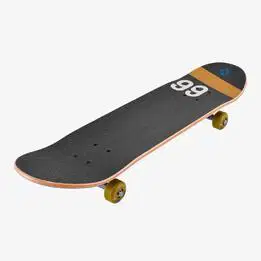
Quina propietat té?
a)
Tenacitat
b)
Elasticitat
c)
Plasticitat
d)
Duresa
e)
Maleabilitat
35.
Assenyala les propietats que té el plàstic:
a)
Elasticitat
b)
Plasticitat
c)
Duresa
d)
Maleabilitat
e)
Ductilitat
36.
Assenyala les propietats del plàstic:
a)
FÀCIL DE TREBALLAR
b)
BIODEGRADABLE
c)
RECICLABLE
d)
BARAT
e)
CAP DE LES ANTERIORS
37.
Quin és el contrari de DUR?
(a)
38.
Quin és el contrari de TENAÇ?
(a)
39.
Com es diu l'escala de duresa on el diamant és el número 10?
(a)
40.
En l'escala de duresa on el diamant és el número 10, quin és el número 1?
(a)
41.
Al ser calfats, es converteixen en una massa fossa:
a)
Termoplàstics
b)
Termoestables
c)
Elastòmers
42.
Al ser calfats, es cremen. Són molt durs
a)
Termoplàstics
b)
Termoestables
c)
Elastòmers
43.
Són elàstics.
a)
Termoplàstics
b)
Termoestables
c)
Elastòmers
44.
Les resines són...
a)
Termoplàstics
b)
Termoestables
c)
Elastòmers
45.
Els cautxús són...
a)
Termoplàstics
b)
Termoestables
c)
Elastòmers
46.

De quin tipus de plàstic està fet l'objecte de la imatge?
a)
PET
b)
PVC
c)
PEAD
d)
PP
e)
PEBD
47.
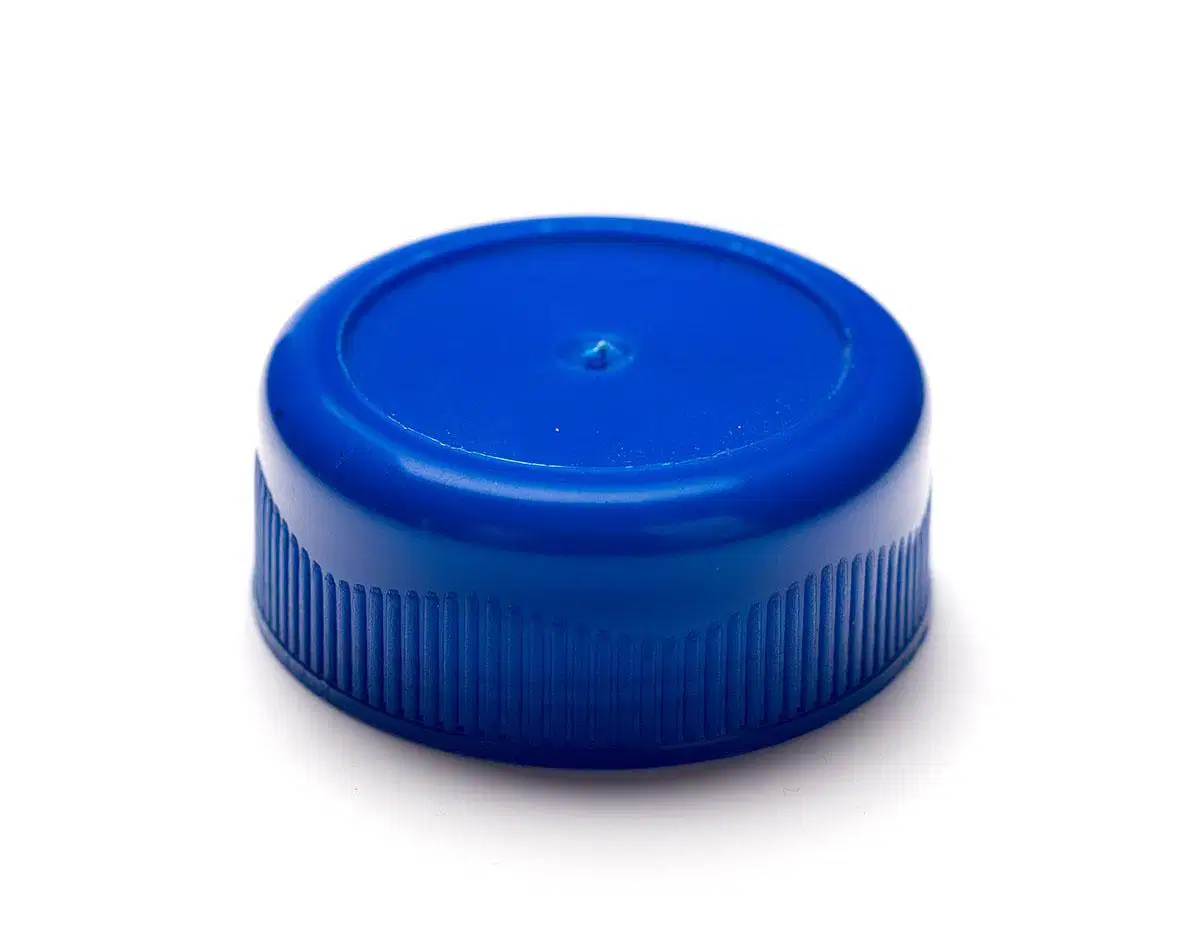
De quin tipus de plàstic està fet l'objecte de la imatge?
a)
PEAD
b)
PET
c)
PVC
d)
PP
e)
PEBD
48.
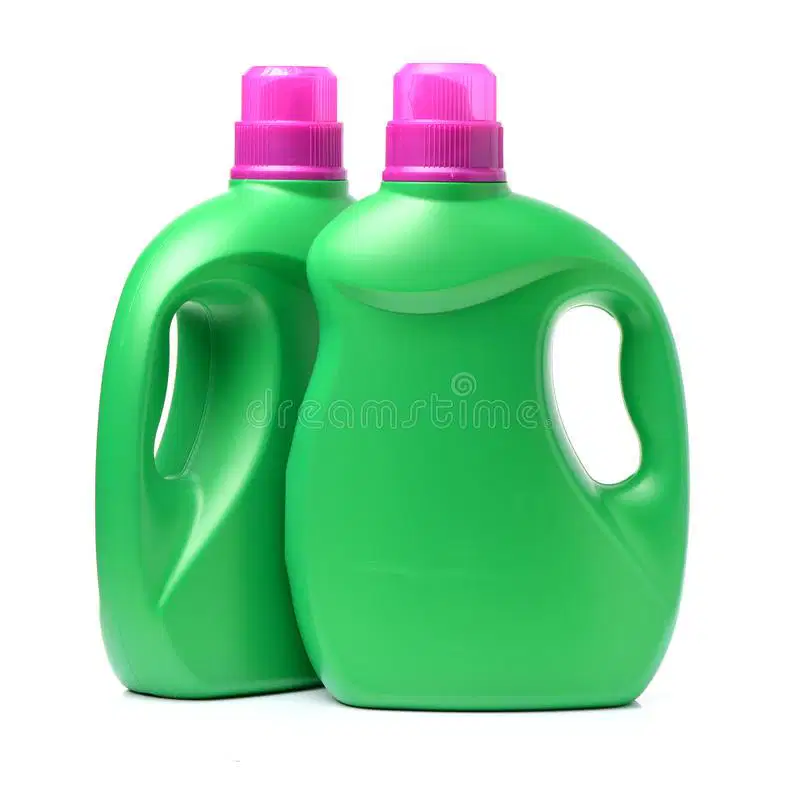
De quin tipus de plàstic està fet l'objecte de la imatge?
a)
PVC
b)
PET
c)
PEAD
d)
PP
e)
PEBD
49.
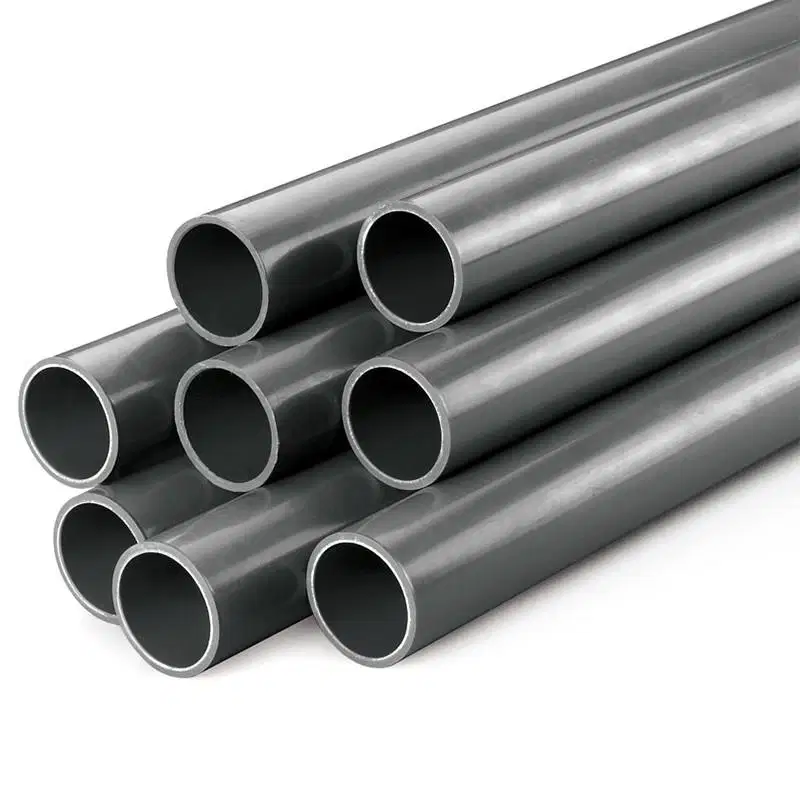
De quin tipus de plàstic està fet l'objecte de la imatge?
a)
PVC
b)
PET
c)
PEAD
d)
PP
e)
PEBD
50.
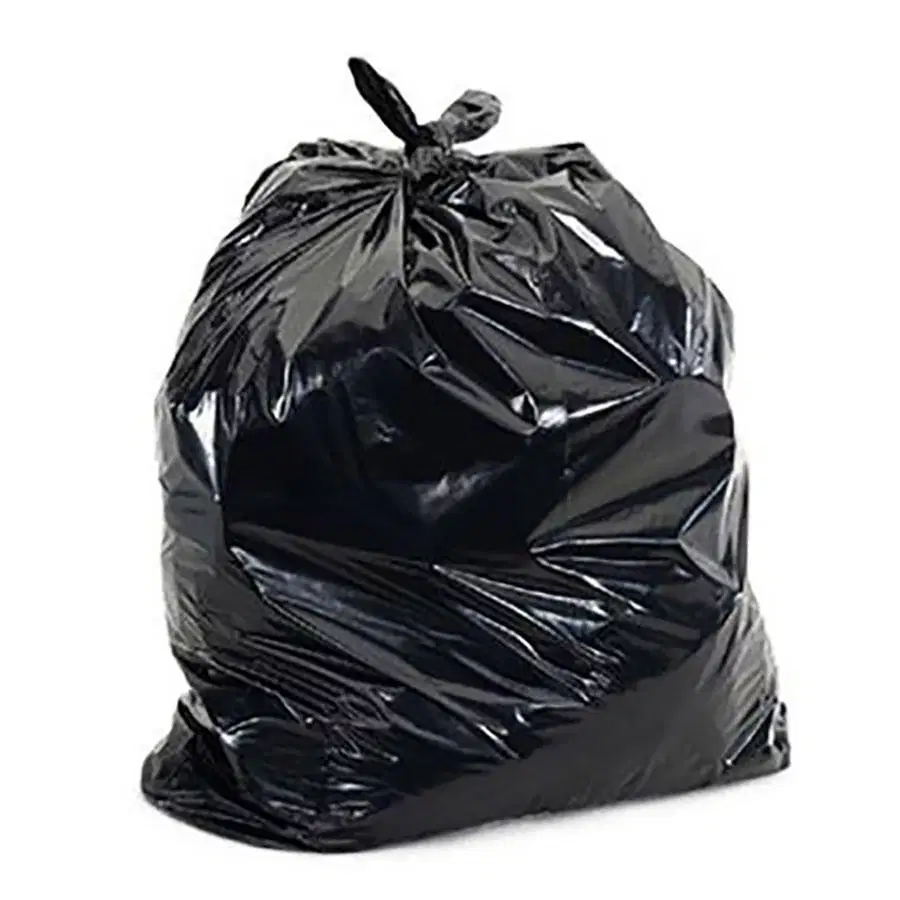
De quin tipus de plàstic està fet l'objecte de la imatge?
a)
PEBD
b)
PET
c)
PVC
d)
PEAD
e)
PP
51.
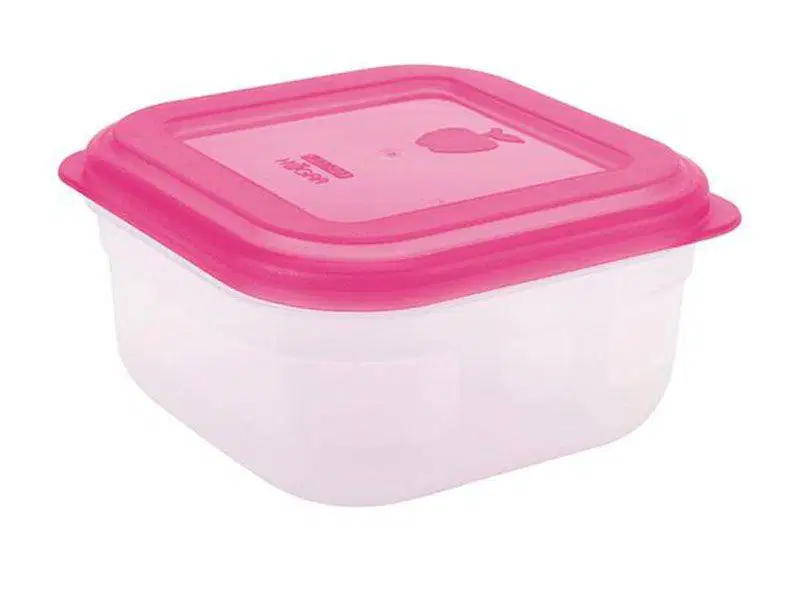
De quin tipus de plàstic està fet l'objecte de la imatge?
a)
PP
b)
PET
c)
PVC
d)
PEAD
e)
PEBD
52.
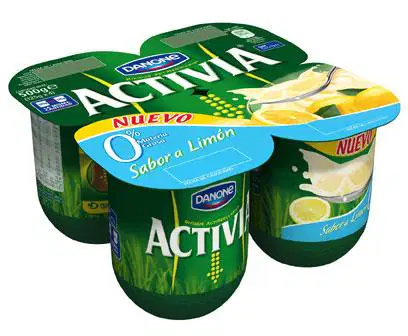
De quin tipus de plàstic està fet l'objecte de la imatge?
a)
PS
b)
PET
c)
PVC
d)
PEAD
e)
PP
53.
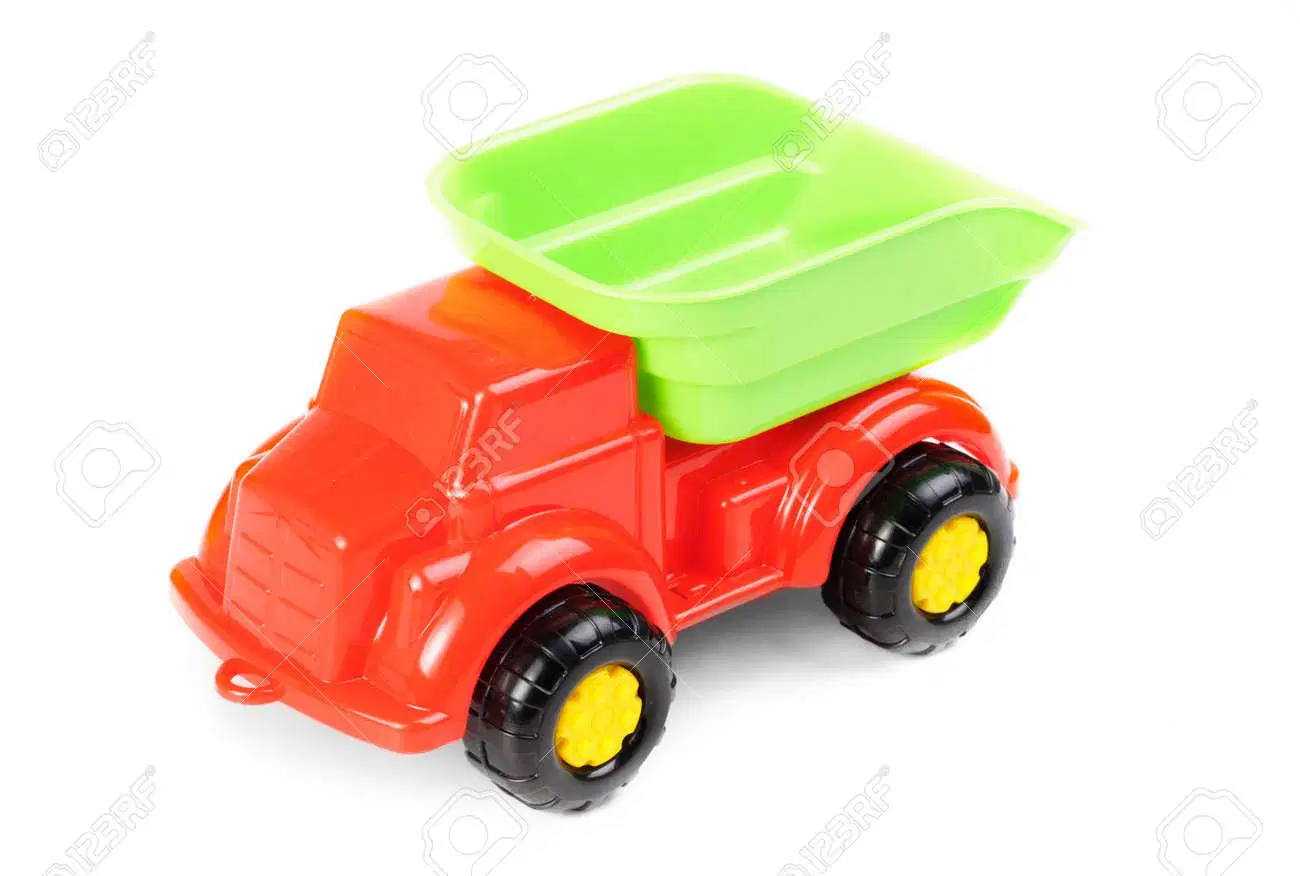
De quin tipus de plàstic està fet l'objecte de la imatge?
a)
Altres
b)
PET
c)
PVC
d)
PEAD
e)
PP
54.
A quin número correspon el plàstic anomenat PVC?
a)
3
b)
1
c)
2
d)
4
e)
5
55.
A quin número correspon el plàstic anomenat PET?
a)
1
b)
2
c)
3
d)
4
e)
5
56.
A quin número correspon el plàstic anomenat PEAD?
a)
2
b)
1
c)
3
d)
4
e)
5
57.
A quin número correspon el plàstic anomenat PP?
a)
5
b)
1
c)
2
d)
3
e)
4
58.
A quin número correspon el plàstic anomenat PS?
a)
6
b)
1
c)
2
d)
3
e)
4
59.
Assenyala només els plàstics que siguin reciclables
a)
PET
b)
PEAD
c)
PP
d)
PVC
e)
PS
60.
Assenyala només els plàstics que no siguin reciclables
a)
PP
b)
PVC
c)
PS
d)
PEBD
e)
PET
100 %