
 Worksheets
Test learn lisence 1
Total questions: 35
Worksheet time: 26mins
The bonnet of your vehicle lifts up while you are driving and you
cannot see. What should you do?
Turn your vehicle headlights on and look out of the side window
Steer your vehicle straight ahead and stop as quickly as you can
Brake smoothly and move over to the left side of the road.
Speed up and move to the left side of the road
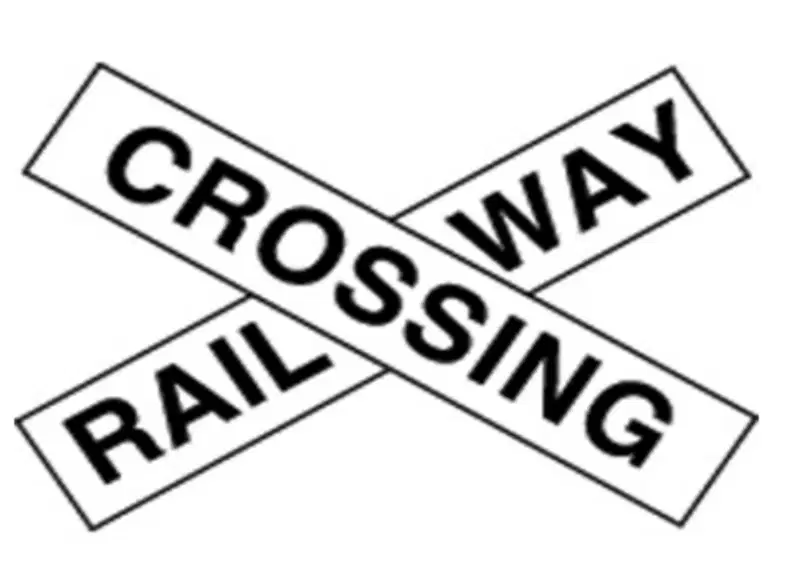
This sign tells you that you are coming up to a railway level crossing. What should you do?
Turn your vehicle indicators on before driving over the crossing
Stop to check whether the crossing is clear
Slow down so that you can look both ways to check that the crossing is clear
Speed up to drive over the crossing as quickly as possible
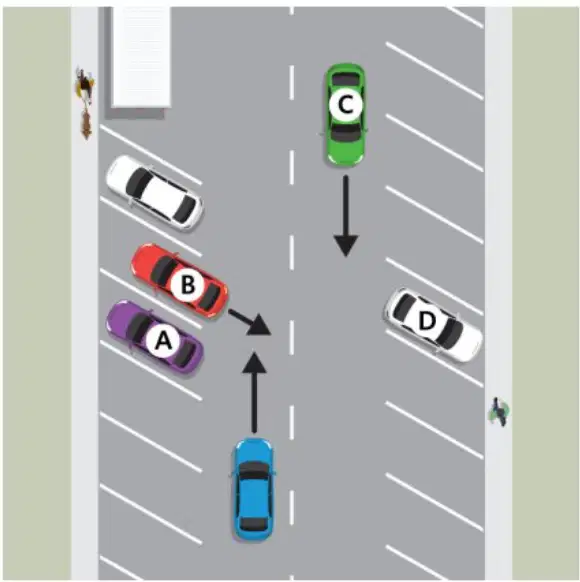
You are the driver of the blue car. Of the 4 hazards marked, which one is most likely to require you to take urgent action?
A
B
C
D
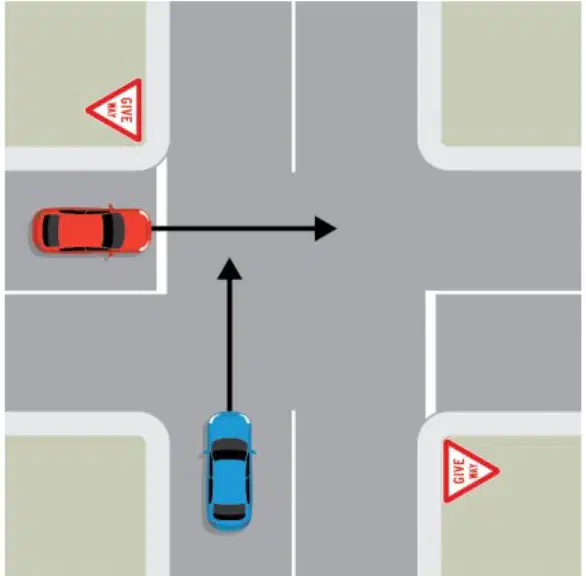
Does the driver of the blue car have to give way?
Yes
No
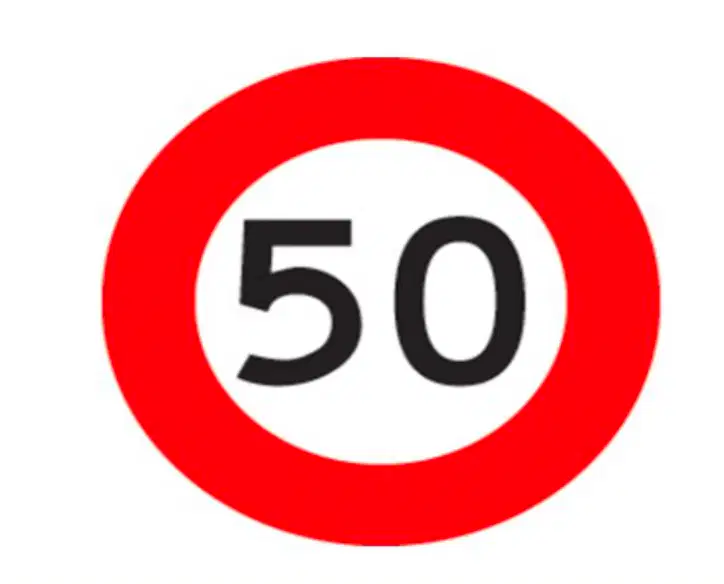
What does this sign mean?
Do not drive faster than 50 km/h unless the road is clear
Do not drive faster than 50 km/h
There is a rest area 50 metres ahead
Do not drive slower than 50 km/h
You are coming up to a school patrol crossing and both signs are held out. When can you drive on?
When there are no pedestrians on
your half of the crossing
When there are no pedestrians on the crossing
When the sign on your side of the
crossing has been pulled in
When both signs have been pulled in
Passengers in your vehicle are 15 years or over. Who is responsible for making sure they wear a safety belt?
Other passengers in your vehicle
The passengers themselves
You as the driver of the vehicle
The parents of the passengers
What must you do if glass falls on to the road from your vehicle?
Sweep it up within 2 hours
Tell a police officer
Sweep it up straight away if you can do so safely
Sweep it up within 24 hours
What must you do when you see blue and
red flashing lights behind you?
Drive on as usual
Slow down and drive on carefully
Slow down and stop
Speed up to get out of the way
A warrant of fitness is to show:
That the vehicle was roadworthy at the time of checking
The year the vehicle was made
If the driver has had any crashes
How many times the vehicle has crashed
If you tow another vehicle, what is the maximum distance allowed between the two vehicles?
4 metres
3 metres
2 metres
1 metre
If you have a learner licence you can carry passengers if your supervisor is in the back seat.
TRUE
FALSE
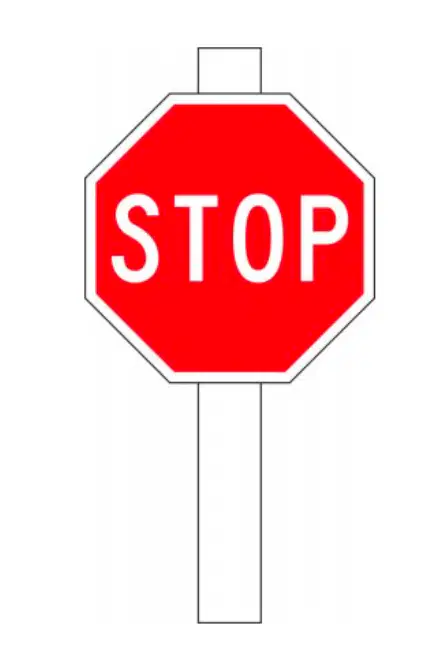
What must you do at an intersection controlled by a stop sign?
Come to a complete stop
Stop only if you can do so safely
Slow down and be prepared to stop.
Continue driving unless you can see an oncoming vehicle
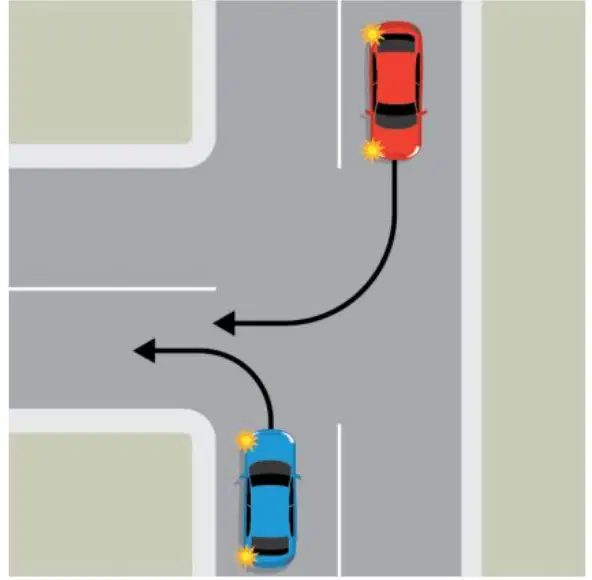
If you are turning left at an intersection, you must give way to vehicles coming towards you that are turning right.
TRUE
FALSE
You may use a right turn bay to overtake a vehicle travelling straight
ahead
TRUE
FALSE
If you have a rear tyre blowout, the vehicle will:
Increase speed
Sway from side to side
Pull to the side with the blowout
Pull away from the side with the blowout
If you have a restricted licence you can carry a passenger if they are
your spouse.
TRUE
FALSE
What is the recommended distance you should allow when driving past a cyclist?
0.5 metres
2.0 metres
1.5 metres
1.0 metres
What is the closest distance your vehicle may be parked to a vehicle
entrance?
0.5 metres
0.75 metres
1.25 metres
1.00 metre
When you have a learner licence you do not have to have it with you when you drive if your supervisor has their licence with them
FALSE
TRUE

Does the driver of the blue car have to give way?
No
Yes
You must NOT open the door of your motor vehicle when:
the car radio in your vehicle is playing loud music
you are likely to scratch the paint of your vehicle
you are likely to hurt any person
you are parked within 10 metres of a bus stop
What should you do when following another vehicle in wet
conditions?
Apply the 4-second rule
Apply the 2-second rule
Drive closer to the vehicle so that you can follow in its tracks
Drive with your vehicle handbrake
on
When coming up to a one-lane bridge,
what doesthis sign indicate?
You must slow down
You must stop
Others should give way to you
You must give way
What should you do if an ambulance comes up behind you, flashing red lights or sounding its siren?
Put your vehicle hazard lights on and drive on at the same speed
Slow down, pull over and allow the ambulance to pass
Speed up to avoid delay
Flash your vehicle headlights to warn oncoming traffic
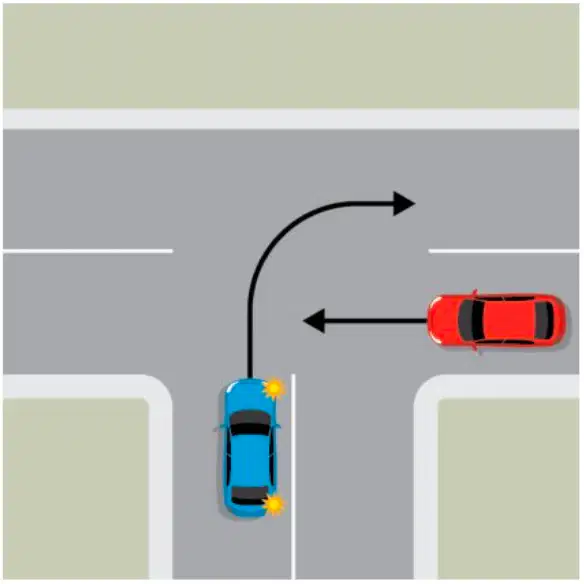
Does the driver of the blue car have to give way?
No
Yes
For the purpose of applying the give way rule, entrance ways into public car parks should be treated as:
pedestrian crossings
turning bays
Intersections
one way streets
What should you do when another vehicle is following you very
closely?
Brake suddenly to warn them
Speed up to get further ahead
Flick your vehicle lights and wave your arm
Slow down, move to the left and allow the vehicle to pass
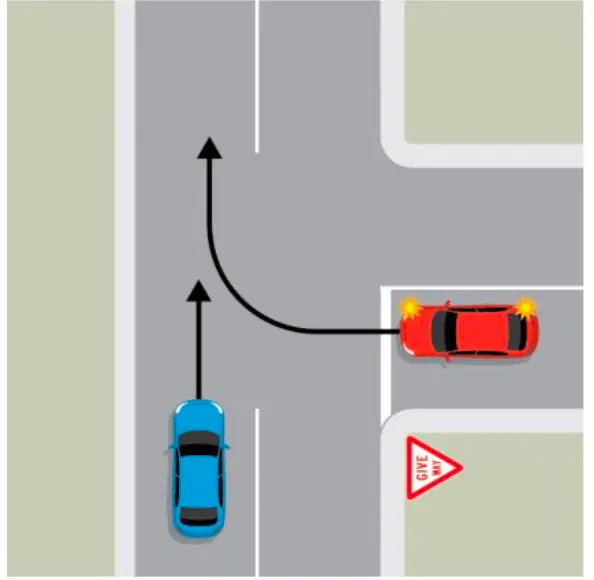
Does the driver of the blue car have to give way?
Yes
No
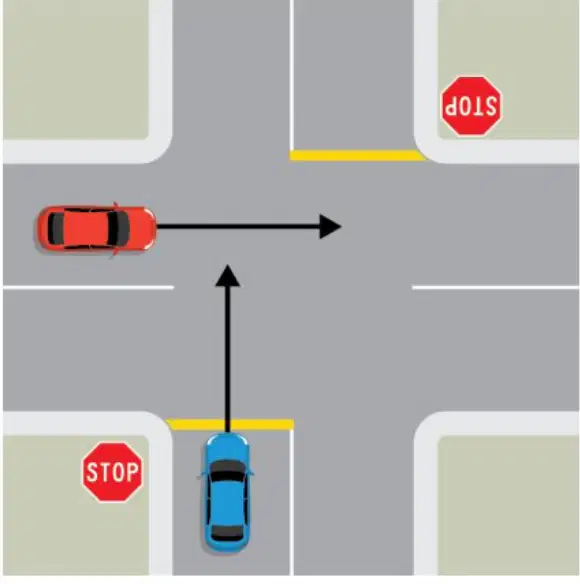
Does the driver of the blue car have to give way?
Yes
No
You are waiting at a railway level crossing and the red lights continue to flash after the train has passed. What should you do?
Wait for 15 seconds and then drive on
Stay stopped until the lights stop flashing
Drive on carefully while the lights are still flashing
Check both ways and then drive on
If you have a front tyre blowout, the vehicle will:
pull away from the side with the blowout
sway from side to side
pull to the side with the blowout
slow down
What is the best way to check for hazards before reversing your vehicle?
Walking around the vehicle before reversing
Turning to look over your shoulders
Relying only on the outside mirrors
Relying only on the inside mirrors
What must you do when red lights are flashing at a railway level
crossing?
Drive over the lines as soon as the train has passed
Stop and if no train is coming you may drive over the lines
Stop until the lights stop flashing
Slow down and then drive over the lines
When must you signal that you are turning to the right?
Only if there are vehicles in front of you
Only if there are vehicles following behind you
As you are turning
3 seconds or more before you turn

