
 Worksheets
Storage Devices and Media
Total questions: 16
Worksheet time: 9mins
What are some examples of magnetic storage devices?
CD-ROMs
Solid-state drives
Hard disk drives (HDDs), magnetic tape drives, floppy disks
USB flash drives
What are some examples of optical storage devices?
Solid state drives
Hard disk drives
USB flash drives
CD-ROMs, DVDs, and Blu-ray discs
What are some examples of solid-state storage devices?
SSDs, USB flash drives, memory cards
RAM, ROM, CPU
Hard disk drives, floppy disks, optical discs
Printers, scanners, keyboards
What is magnetic media?
Storage devices that use magnetic fields to store and retrieve data.
Devices that use magnetic fields to generate electricity.
Storage devices that use electric fields to store and retrieve data.
Devices that use magnets to play media files.
What is optical media?
Storage devices that use laser technology to read and write data.
Storage devices that use magnetic technology to read and write data.
Devices that use mirrors to read and write data.
Devices that use sound waves to read and write data.
What is the future of storage devices?
The future of storage devices is limited to hard disk drives (HDDs) with no advancements in technology.
Advancements in technology such as solid-state drives (SSDs), cloud storage, and increased storage capacities.
Storage devices will become obsolete and no longer be needed.
The future of storage devices is magnetic tape drives and floppy disks.
What are the advantages of magnetic media?
High storage capacity, durability, and low cost.
High storage capacity, low durability, and high cost.
Low storage capacity, low durability, and high cost.
Limited storage capacity, fragility, and high cost.
What are the advantages of optical media?
Susceptible to scratches, easily damaged, short lifespan
Limited compatibility, slow data transfer rate, bulky
High cost, low storage capacity, fragility
Large storage capacity, durability, portability
What are the advantages of solid-state media?
Solid-state media offers faster data access and transfer speeds, lower power consumption, increased durability and reliability, smaller physical size, and no moving parts.
Solid-state media is less durable and reliable than traditional hard drives
Solid-state media is slower than traditional hard drives
Solid-state media consumes more power than traditional hard drives
What are some potential advancements in future storage devices?
Increased storage capacity, faster data transfer speeds, improved durability and reliability, smaller physical size, and lower power consumption.
Decreased storage capacity, slower data transfer speeds, decreased durability and reliability, larger physical size, and higher power consumption.
Storage devices will become obsolete and no longer be needed in the future.
No advancements in storage devices, they will remain the same in the future.
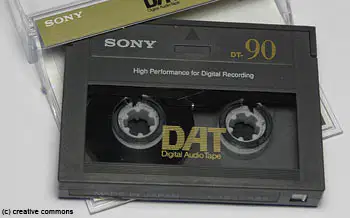
Name the following image.
Pen drive
Magnetic tape
DVD RAM
Hard disc
Internal memory where the data cannot be changed is called (a)
[Type in your answer]
Optical storage medium that is often used to store HD movie is called (a)
[Type in your answer]
Storage device used to store photographs in a camera for printing at later time is (a)
The most portable device used to transport data from computer to computer (a)

