
Font size
 Worksheets
Y4SC REVISION C1-3
Total questions: 205
Worksheet time: 3hrs 36mins
Which part of the skeleton protects the heart and lungs?
Ribs
Backbone
Skull
Chest
What happens to your skeleton as your grow?
It grows
It stays the same size
It gets smaller
An animal without a backbone is called a ...
Invertebrate
Vertebrate
Spine
Backbone
We need a skeleton
so we can move
for support
for protection
All of the answers

What is this bone called?
Spine
Backbone
Hip Bone

Which letter shows the shin bone?
A
B
C
D

Name this bone
collar bone
shoulder blade
rib cage

Name this bone
upper arm bone
lower arm bone
shin bone

Name this bone
thigh bone
shin bone
Joint


What bone is highlighted?
shoulder blade
collar bone
rib cage
Which of these are short bones
finger bones
toe bones
hip bone
skull
Name the largest bone in the body
(a)
The skull is made of 1 bone
True
False
Name the smallest bone found in human body
(a)
What protects the the heart and other internal organs?
Scapula
Ribcage
Pelvis
Clavicle
Which part of the skeleton protects the lungs?
Femur
Ribs
Pelvis
Humerus


What bone is highlighted in red?
tarsals
carpals
vertebrae
femur
What bone is highlighted in red?
ulna
radius
humerus
patella

What is the name of the bone highlighted in red?
clavicle
tibia
humerus
femur

What bone is highlighted in red?
Ulna
Radius
Humerus
Pelvis


What bone is highlighted in red?
femur
tibia
fibula
metatarsals

Name this bone highlighted in red.
tibia
fibula
femur
humerus
One muscle _______ and the other _______.
works, works harder
contract, relaxes
Muscles pull on _______ to help you move.
Body parts
Other muscles
Bones

What happens when the bicep contracts?
the tricep relaxes
the tricep contracts
the bicep relaxes
the bicep freezes
What happens when the bicep relaxes?
the tricep relaxes
the tricep contracts
the bicep relaxes
the bicep freezes


What muscle is highlighted in the picture?
Triceps
Biceps
Quads
Deltoids

What muscle is highlighted in the picture?
Triceps
Biceps
Quads
Deltoids
The main purpose of the muscular system is to....
Transport nutrients, materials, and gases
Move the body
Break down food for nutrients
Help with gas exchange
Which of the following statements best describe how the arm bends at the elbow?
Bicep contracts to bend arm at the elbow while the tricep relaxes.
Bicep contracts to bend arm at the elbow
Tricep contracts to bend arm at the elbow
Tricep contracts to bend arm at the elbow while the bicep relaxes.
Muscles work in pairs. When one contracts, the other.....
Gets bigger
Relaxes
Moves antagonostically
Contracts as well


Name the highlighted muscle
triceps
biceps
rectus femoris
trapezius

Name the highlighted muscle
tricep
bicep
bicep femoris
extensor longus
Muscles in your body move in _________.
points
their own way
pairs

what is the suport system for this insect?
endoskeleton
exoskeleton
hydrostatic skeleton
chitin
why do aquatic vertebrates have a smaller endoskeleton compared to land vertebrates of the same body mass?
they have exoskeleton to support their body weight
they are mostly supported by water bouyancy
their fatty tissues support their weight
they move very slowly and are inactive
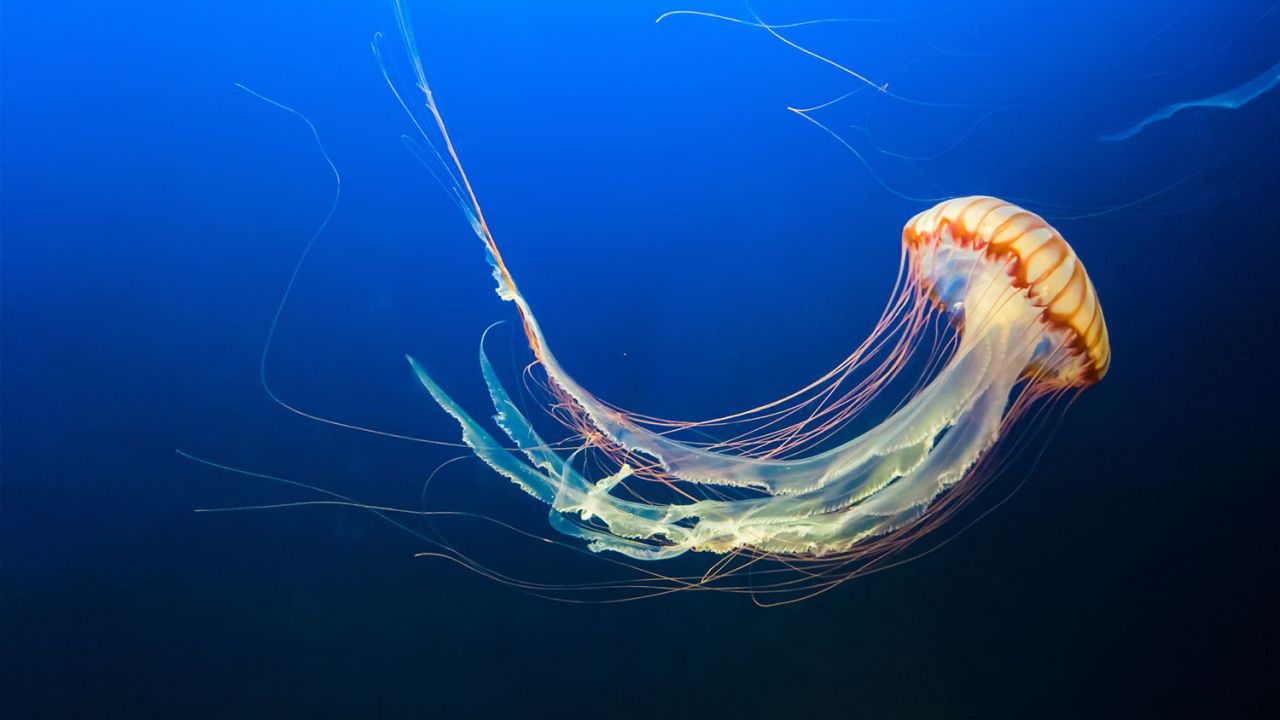
in the water, this animal is supported by....
hydrostatic skeleton and endoskeleton
water bouyancy and exokeleton
exoskeleton and hydrostatic skeleton
hydrostatic skeleton and water bouyancy

which animals have the same support system as the rabbit?
turtle and starfish
bird and whale
scorpion and crab
snake and caterpillar
what are the functions of skeleton in vertebrate animals? choose two from below....
support the body weight
protect animals from their enemy
helps animals to grow
maintain the shape of the animals' body
Animal X has very weak pectoral and pelvic girdles. Which of the following is an example of animal X?
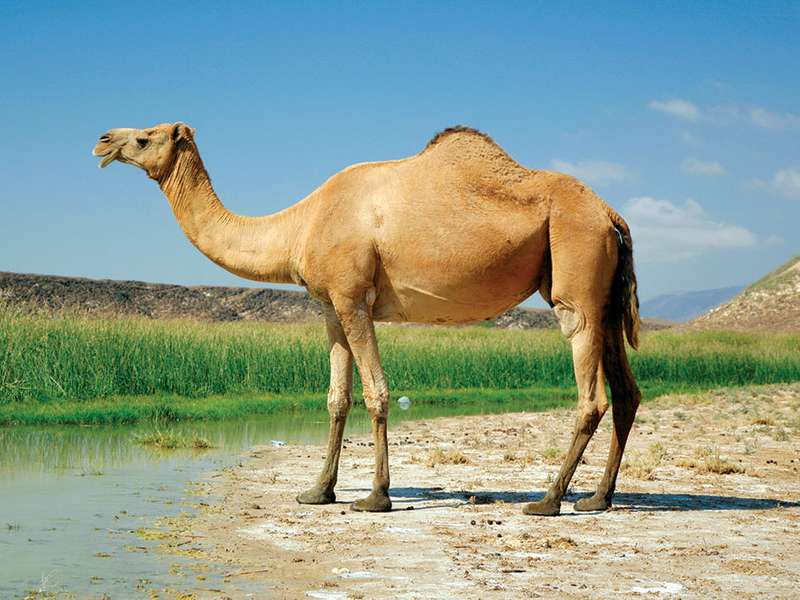
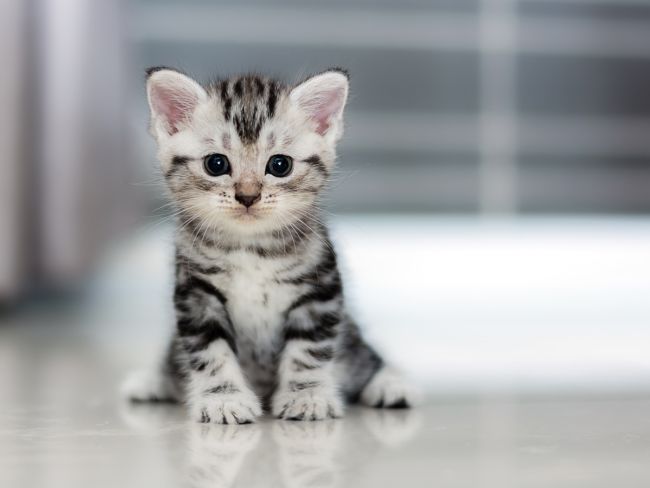
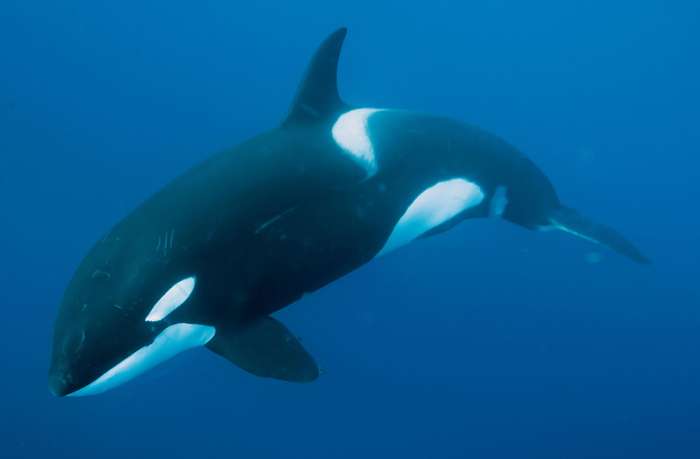
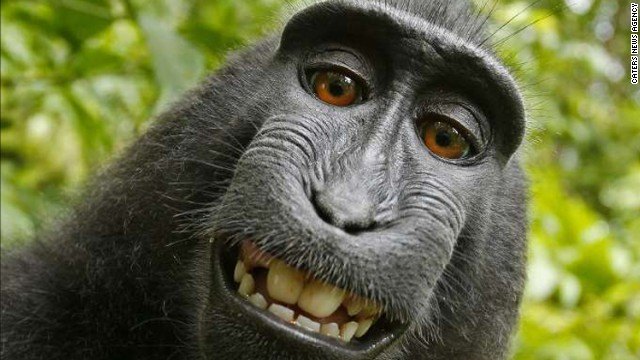
Which of the following statements are true regarding aquatic vertebrates?
i) they have very big pelvic girdles
ii) they have very strong pectoral girdles
iii) they are supported by the buoyancy of water
iii only
i and ii only
ii and iii only
i, ii and iii
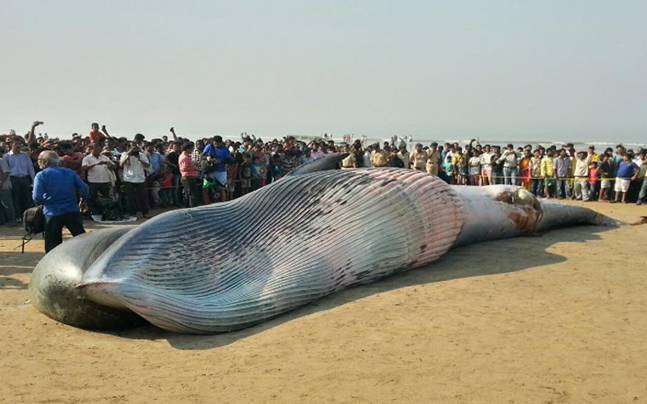
Whales will die if they are washed ashore. his is because
i) they enormous body weight will press down on their organs and crush them.
ii) their body temperature becomes very high on land
iii) they cannot breathe on land
i only
iii only
i and ii only
i,ii and iii
Which animal in not supported by an exoskeleton?


What means exoskeletons?
Is the same as vertebrates animals
Hard skeletons on the outside of the bodies of the animals
Hard skeletons on the inside of the bodies of the animals

Which of the following is NOT a function of an endoskeleton?
To enable movement
To protect the internal organs
To increase the weight of the body
To maintain the shape of the body
A shell is a type of _____
exoskeleton
endoskeleton
hydrostatic skeleton
Most endoskeletons are made of.....
cartilage
fluid
bone
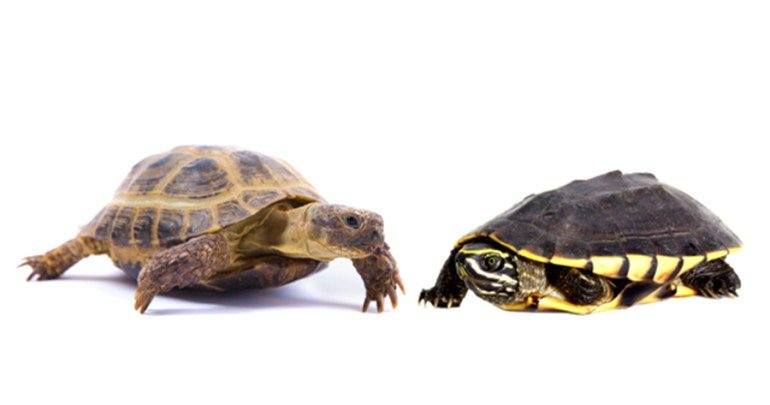
Tortoises and turtles have both endoskeletons and exoskeletons
TRUE
FALSE
Mammals and birds get support from
endoskeleton
exoskeleton

Which if the following statements about stability is correct?
the mother cow has a higher centre of gravity
the baby cow has a wider base area
the mother cow is more stable because her endoskeleton is heavier
the baby cow is less stable because its endoskeleton is lighter
Which of the following statement is TRUE about the pigeons that have hollow bones?
weight decrease
they can stand straight
their bones are easily broken
their body support system is more compact
What is the longest bone in the skeletal system of humans?
cranium
sternum
femur / Thigh bone
ribs
What factors affected the stability of animals such as kangaroo and giraffe?
area width and height
center of gravity and support
height and size
center of gravity and area width

What animal is this?
chicken
duck
fly
eagle

What animal is this?
crocodile
blue whale
dolphin
lizard

It has no arms or legs. Its skeleton is a long backbone with ribs. What is it?
snake
frog
horse
dinosaur

What shape are your bones?
square
triangle
circle
many shapes
Is each animal's skeleton similar or different?
similar
different

Look at this skeleton.
It has long back legs for hopping.
Its back legs are longer than its body.
What animal is this?


Look at the skeleton.
It has long legs and large lungs.
It runs well.
What animal is it?


What is skull?


Why eagle can fly?
Because its bones are strong.
Because its bones are heavy and large.
Because its bones are hollow and light.
Because its bones are small and long.
Snake has no arms and legs, so it
swim
run
hop
slithers
Most of ..................... have support from exoskeleton
Mammals
Fish
Invertebrates
Reptiles
A shell is a type of _____
exoskeleton
endoskeleton
hydrostatic skeleton
CHOOSE THE WRONG ANSWER
CHOOSE THE WRONG ANSWER
What must be done to change water from liquid to solid?
Raise the temperature.
Lower the temperature.
What must be done to change water from solid to liquid?
Raise the temperature.
Lower the temperature.
What must happen to water vapor (gas) to become liquid water?
It must be heated.
It must be cooled.
What must happen for liquid water to evaporate (become a gas)?
It must be heated.
It must be cooled.
when water changes from a liquid to a gas - caused by heat
evaporation
condensation
freezing
melting
What state of matter is this Solid to Gas?
Deposition
Evaporation
Condensation
when water vapor (a gas) is cooled and forms liquid water
evaporation
condensation
freezing
melting
Example of non matter
Water
Oxygen
Heat
Rock
Example of matter
Light
Oxygen
SOund
Time

Particles are closed and regular arrangement
Solid
Liquid
Gas
Particles move quickly in each direction
Solid
Liquid
Gas
Cannot be compressed
Solid
Liquid
Gas
Definite and fixed
Solid
Liquid
Gas
Big space between particles
Solid
Liquid
Gas
Medium attraction between particles
Solid
Liquid
Gas
Easily compressed
Solid
Liquid
Gas

X is
(a)
(a) (solids/liquids/gases) has a definite shape and size.
(a) (A solid/A liquid/A gas) takes the shape of container in which they are poured.
Anything that has mass and occupies space is called (matter/non-matter) (a)
(a) (A solid/A liquid/A gas) is a thing that has no shape and size of its own.
Water exists in (a) (three/two/one) form.
Air is a mixture of (liquids/gases) (a)
The particles of (solids/liquids/gases) (a) are packed very close to each other.
(a) (solid/liquid/gas) do not have a definite shape.
(a) ( milk/an eraser) is an example of liquid.
The particles of (a) (solids/liquids/gases) are packed loosely to each other.
an organism that eats only animals
omnivore
carnivore
herbivore
energy pyramid
an organism that eats both plants and animals
omnivore
herbivore
food web
carnivore
an organism that eats only plants
food web
carnivore
omnivore
herbivore
Organisms that can make their own food from sunlight are called
decomposers
consumers
producers
carnivores
the pathway of energy transfer as a result of the feeding patterns of organisms
food chain
food web
energy pyramid
herbivore
omnivores eat?
meat
grass
both meat and grass
pop tarts
Where do animals and birds get the energy they need to create their body heat?
the food they eat
the sunlight they absorb
the air they breathe
from the amount of blood their bodies produce
All food chains begin with a...
grass
producer
consumer
decomposer
The second link in a food chain is a...
consumer
producer
herbivore
carnivore
A herbivore is a...
consumer that eats both plants and other animals
consumer that only eats other animals
consumer that only eats plants


A food chain is:
an animal that eats only plants.
a diagram that shows how energy moves from one organism to another. (Grass>Mouse>Owl)
An animal that is hunted and eaten by another animal.
A living thing:
organism
rock
weather


How are the living creatures in an ecosystem linked?
By what they eat
By how they breathe
By their size
By their species`
Which of the following is a producer?


Through what process do producers make their own food?
Parthenogenesis
Photosynthesis
Meiosis
Mitosis

Identify the energy transfer
chemical to kinetic
solar to electrical
thermal to light
electrical to light

Identify the energy transfer
mechanical to sound
chemical to electrical
sound to mechanical
thermal to sound

What types of energy are involved in this change?
heat
light
sound
motion
electrical
Stomping your feet is an example of _________ energy. (Choose the best answer)
light
sound
electrical
heat
Hitting a ball with a baseball bat is an example of _______ energy.
electrical
light
heat
motion
True or False: A baseball slamming into the catcher's mitt is evidence of energy causing change.
True
False
A player catches a moving ball. What happens to some of the ball's energy when it hits the player's mitt?
It changes to light.
It changes to electricity.
It changes to sound.
It is destroyed.
Which of the following can move energy from place to place?
sound
a moving baseball
electric currents
all of the above
A circuit has a switch, a battery, and a bulb. When the switch is closed, the light turns on. What type of energy moves through the wires of this closed circuit?
sound
chemical
electrical
physical
When you add hot soup to a cold bowl, ______ energy transfers from the soup to the bowl.
motion energy
light energy
sound energy
heat energy
Playing a drum produces ________, which is a form of energy that you can hear.
light
sound
heat
stored energy
energy is the ability to cause _______.
motion
position
change
evidence
Energy can ______ from one object to another object.
change
transfer
collide
convert
Heat, light and sound are examples of _________.
energy
position
distance
energy of motion
Computers are powered by _______.
light energy
stored energy
electricity
sound
You kick a soccer ball at the goal. This is an example of ________ energy.
light
electrical
motion
heat

What two kinds of energy are the lamps transferring to the food?
light and heat
light and sound
electrical and motion
sound and heat

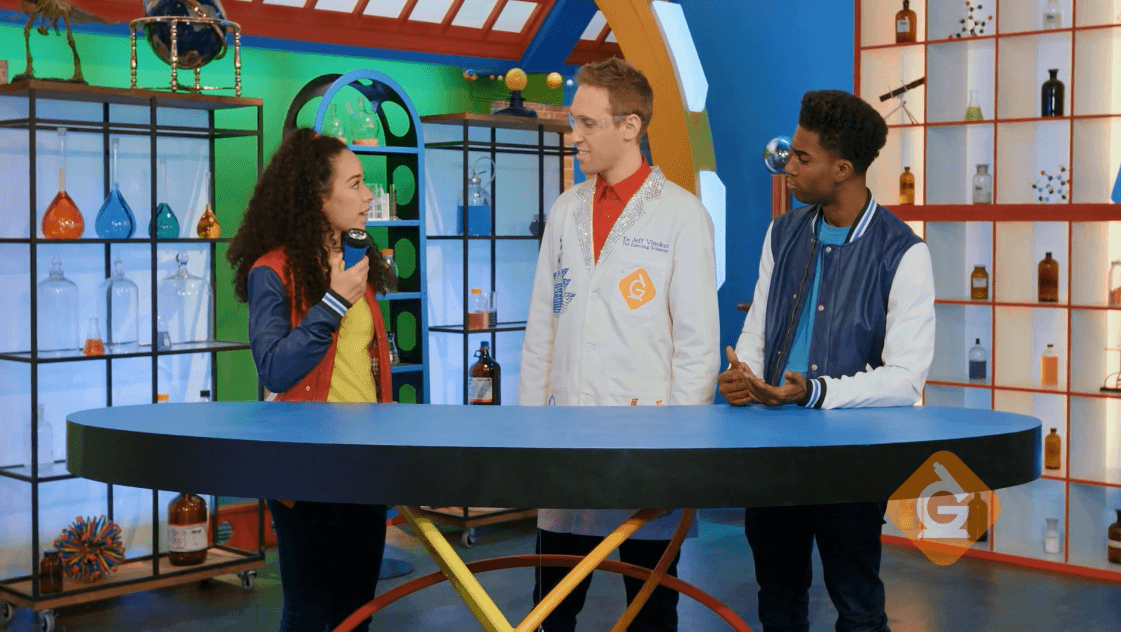
The bike Dr. Jeff's mom is riding uses a generator to convert _____________ energy to ________________ energy, which is then used to charge BERT.
solar, mechanical
motion, electrical
heat, steam
hydro, electrical
Choose which things might spin a generator to produce electricity. (Check all that apply)
wind
water
animals

Batteries store energy as chemical energy.
True
False

Zoe's s'more maker is an example of transferring energy through:
light
sound
electricity
lasers

What does a solar cell do?
it converts light into electrical energy
it converts wind into electrical energy
it transmits radio wave signals into space
it converts water into solar energy

Identify the energy transfer
electrical to chemical to light
kinetic to potential
chemical to electrical to light
light to sound
Identify the energy transfer
mechanical to sound
chemical to electrical
sound to mechanical
thermal to sound

Identify the energy transfer (photosynthesis)
light to electrical
solar to chemical
chemical to thermal
solar to chemical
Identify the energy transfer
chemical to kinetic
solar to electrical
thermal to light
electrical to light

Identify the energy transfer
light to electrical to chemical
chemical to electrical to light
electrical to chemical to light
chemical to electrical to solar

Identify the energy transfer
mechanical to light
chemical to kinetic
electrical to mechanical
kinetic to thermal

Identify the energy transfer
chemical to light
thermal to electrical
chemical to heat
electrical to thermal

Identify the energy transfer
chemical to electrical to sound
sound to electrical to chemical
electrical to sound to chemical
potential to kinetic to light

Identify the energy transfer
kinetic to mechamical
light to thermal
potential to kinetic
electrical to magnetism

Identify the energy transfer
chemical to solar
electrical to thermal
chemical to light
thermal to kinetiv

Identify the energy transfer
potential to chemical
electrical to kinetic
mechanical to sound
chemical to thermal

Identify the energy transfer
light to heat
chemical to mechanical
solar to elecrical
thermal to chemical

When you eat food, your body gains ___________ energy.
electrical
chemical
thermal
light

What type of energy can be sensed by the eyes?
sound
thermal
electrical
light


Light to Thermal
Electrical to Light
Mechanical to Light
Sound to Light

Mechanical to Sound
Mechanical to Light
Sound to Light
Sound to Thermal

Sound to Thermal
Thermal to Light
Mechanical to Light
Electrical to Thermal

Mechanical to Thermal
Sound to Light
Mechanical to Sound
Electrical to Sound

Light to Thermal
Light to Sound
Mechanical to Sound
Chemical to Light

Chemical to Mechanical
Light to Thermal
Thermal to Electrical
Light to Sound

Sound to Light
Mechanical to Electrical
Electrical to Thermal
Chemical to Light

Electrical to Sound
Thermal to Light
Sound to Mechanical
Chemical to Light

Chemical to Thermal
Sound to Light
Mechanical to Sound
Sound to Electrical

Thermal to Light
Chemical to Mechanical
Mechanical to Mechanical
Sound to Thermal

