
 Worksheets
Buddhism
Total questions: 38
Worksheet time: 21mins
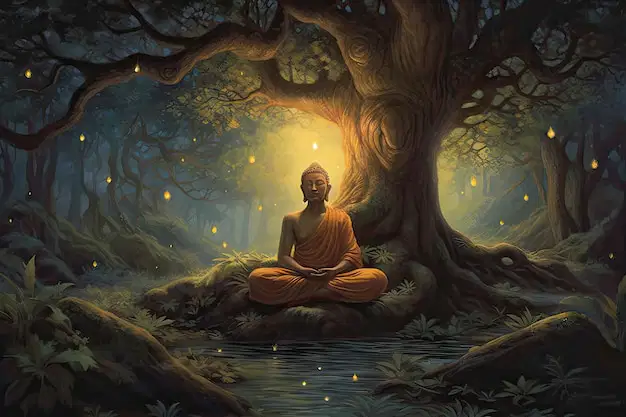
Siddhartha Gautama
The founder of Buddhism
The enlightened one
The teacher
The spiritual guide
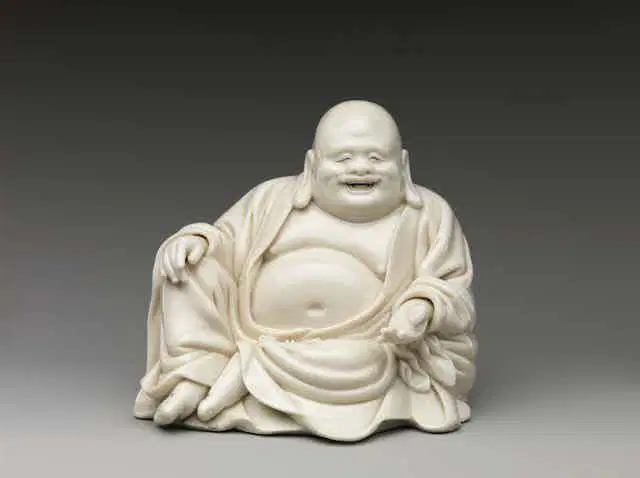
Buddha
Enlightened One
Saved One
Spiritual One
The Holy One

Why is it complicated to know how many Buddhists there are in the world?
because Buddhists are hermits
because there are many different types of Buddhism
because there are not many Buddhists in the world
because Buddhism is more of a philosophy than a religion

Select all that apply: The 3 Universal Truths
Because nothing in this world is permanent, life is unsatisfactory, and we are unhappy
Everything in the universe is inconstant and always changing
there is no eternal soul, and what is called the self is simply a collection of changing characteristics
Life is a constant sacrifice of attachments. The non attachment to desire is the path to Nirvana
What is the first Noble Truth?
The Truth of the End of Suffering
The Truth of Suffering
The Truth of the Path that Leads to the End of Suffering
The Truth of the Origin of Suffering
What is the second Noble Truth
The Truth of the Origin of Suffering
The Truth of Suffering
The Truth of the End of Suffering
The Truth of the Path that Leads to the End of Suffering
What is the third Noble Truth?
The Truth of the Origin of Suffering
The Truth of Suffering
The Truth of the End of Suffering
The Truth of the Path that Leads to the End of Suffering
What is the fourth Noble Truth?
The Truth of the End of Suffering
The Truth of the Path that Leads to the End of Suffering
The Truth of Suffering
The Ruth of the Origin of Suffering
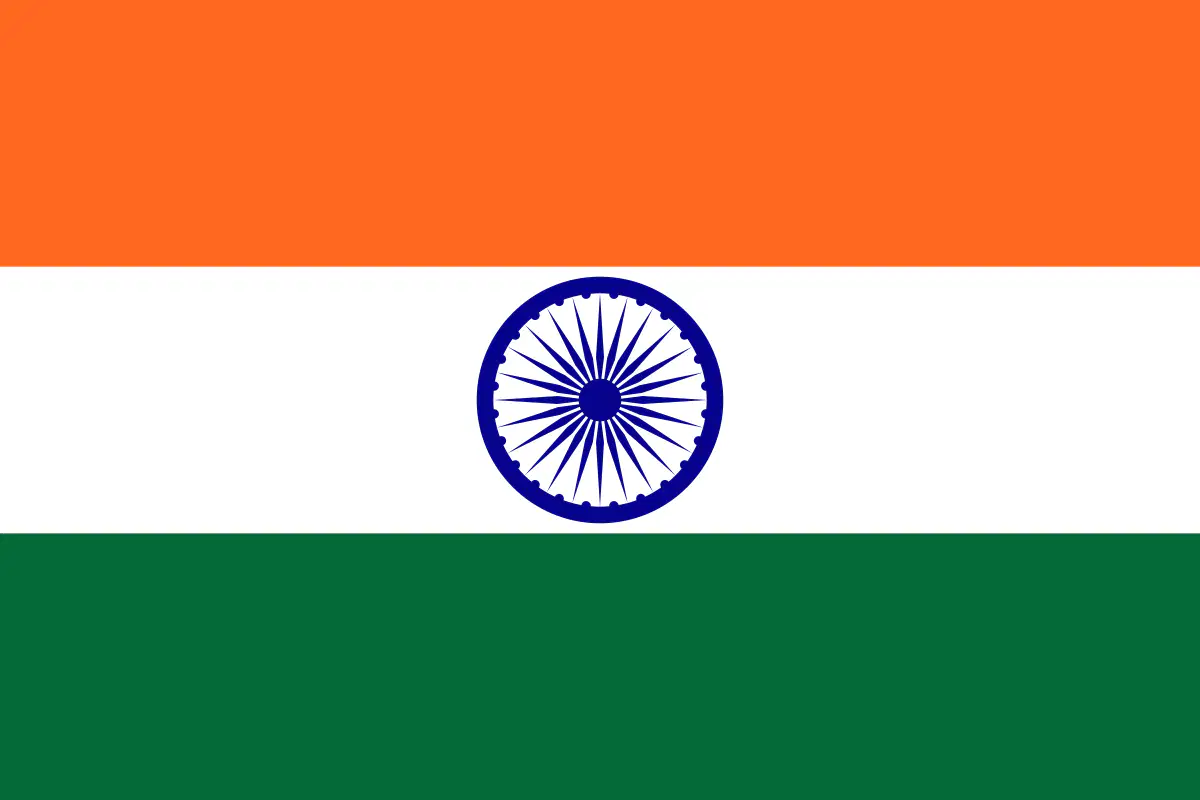
Buddhism came out of which country?
China
North America
India
Myanmar
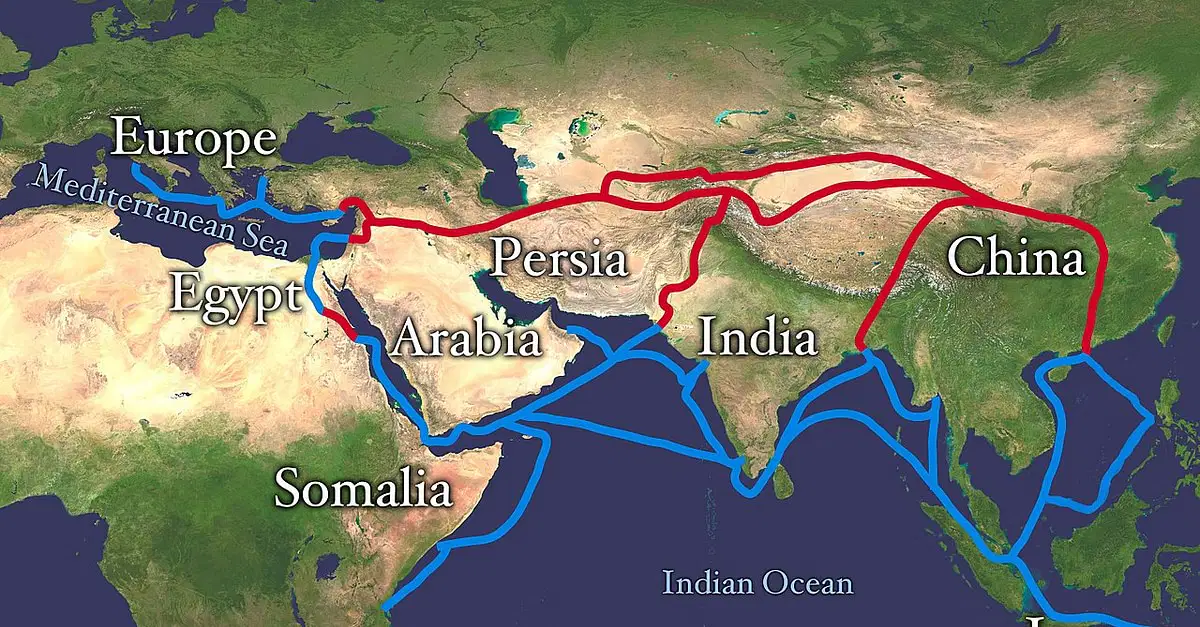
What methods did Buddhist monks use to disseminate their teachings?
by traveling along established trade routes to China
by writing letters to foreign lands
by sharing the message of Enlightenment with others
by relying on travelers to spread their teachings

Nirvana
To chant a sacred mantra repeatedly
To be reborn in a continuous cycle
To escape the cycle of rebirth and attain peace in nothingness
To merge with the universal spirit, Brahman

Karma
reincarnating is an infinite cycles
a cycle of cause and effect
a magic saying that is recited over and over
an expressive physical movement of the hands that expresses oneness
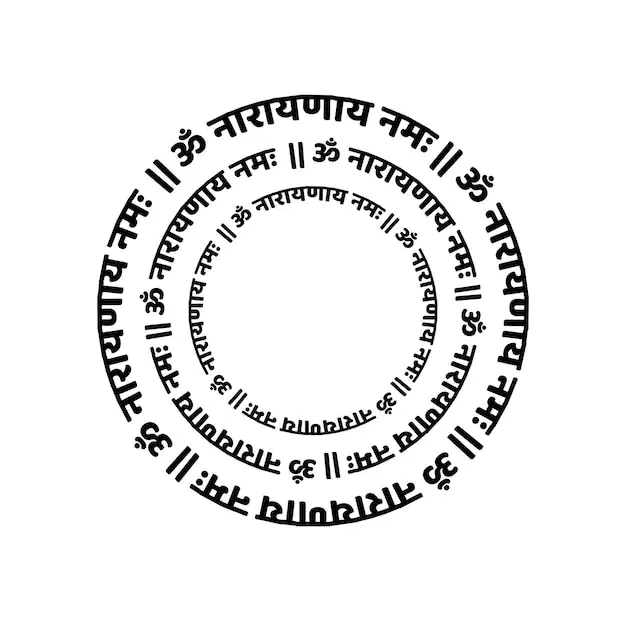
Mantra
a magic saying that is recited over and over
a visual aid used in meditation
om
a word that Buddhists use to greet one another
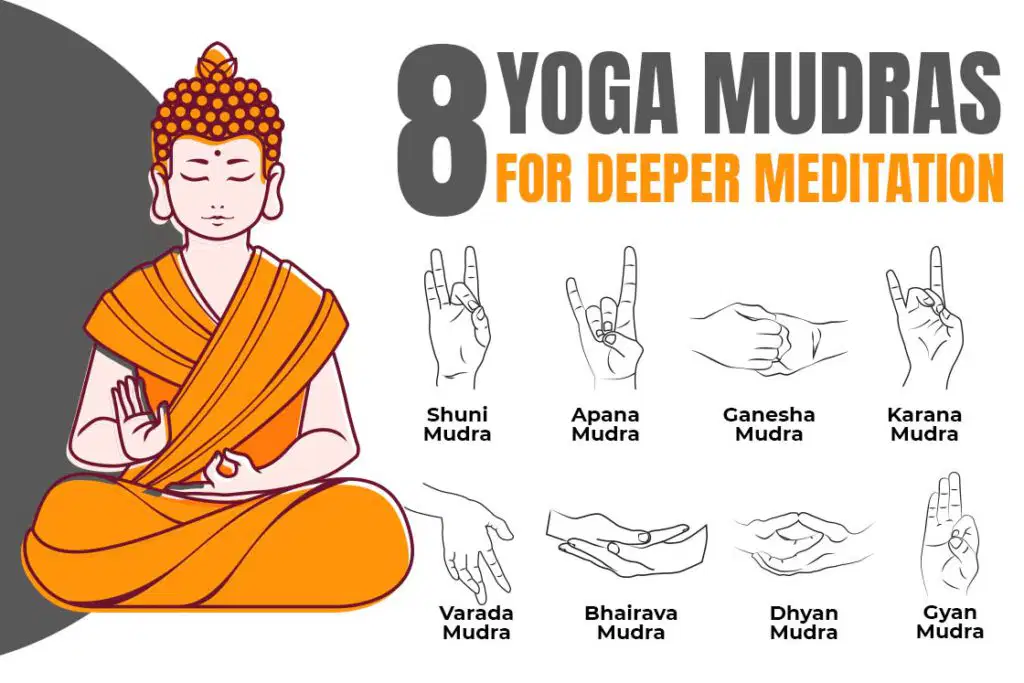
Mudra
a form of martial arts
a vocal expression used for meditation
when you smear mud on your face
an expressive physical movement of the hands
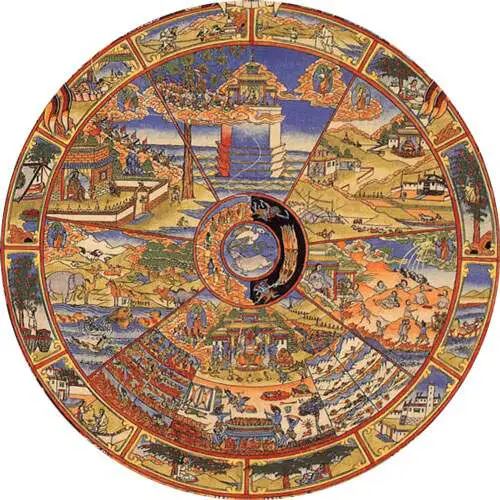
In Buddhism, what does the term Samsara refer to?
the endless cycle of birth, death, and rebirth
a sacred chant repeated during meditation
a series of hand gestures used in rituals
the ultimate state of enlightenment and peace
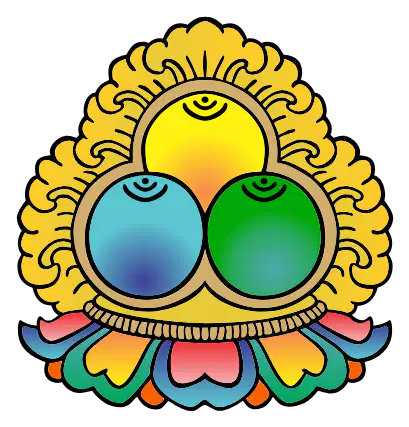
The First of the Three Jewels:
I take refuge in the
(a)
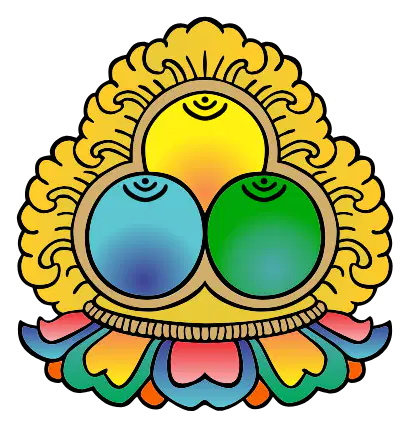
The second saying of the Three Jewels:
I take refuge in the
(a)
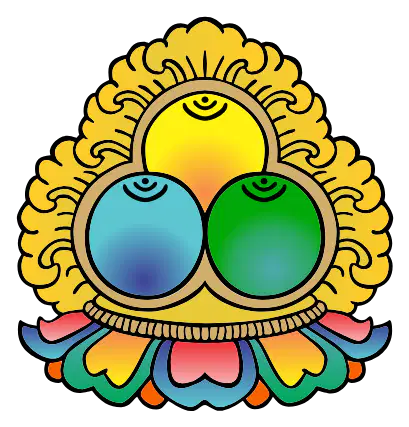
The last of The Three Jewels:
I take refuge in the
(a)
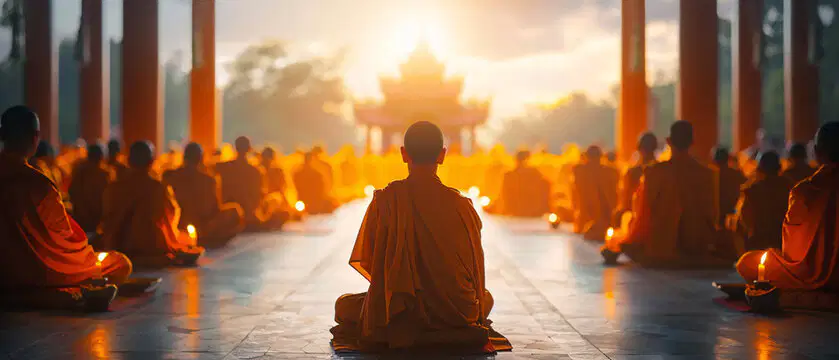
Which school of Buddhism is recognized for preserving the earliest form of Buddhist teachings?
Tibetan
Zen
Mahayana
Theravada

Which type of Buddhism adopted magical and mystical elements?
Mahayana
Tibetan
Theravada
Zen
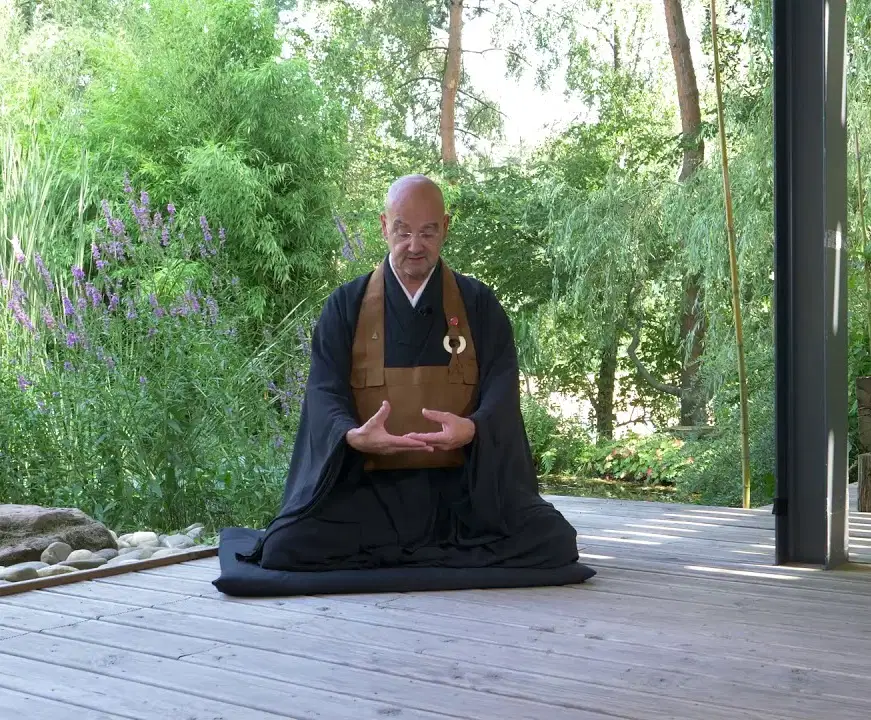
Which branch of Buddhism has the most followers worldwide?
Theravada
Zen
Mahayana
Tibetan

Which branch of Buddhism is known for its focus on mindfulness and meditation practices?
Mahayana
Zen
Theravada
Tibetan
Which term refers to the seated meditation practice in Zen Buddhism?
Koan
Zazen
Satori
Rinzai
In the context of Zen practice, what does achieving 'Satori' signify?
enlightenment
meditation
a Zen master
a Buddhist text
What is referred to as a Roshi in Zen Buddhism?
a Zen text
a Zen master
a Zen meditation technique
a Zen monk

What is the position of the Dalai Lama in Tibetan society?
The head of the Indian government
The Prime Minister of Nepal
The ruler of Mongolia
The Spiritual and Political leader of Tibet and Tibetan Buddhism
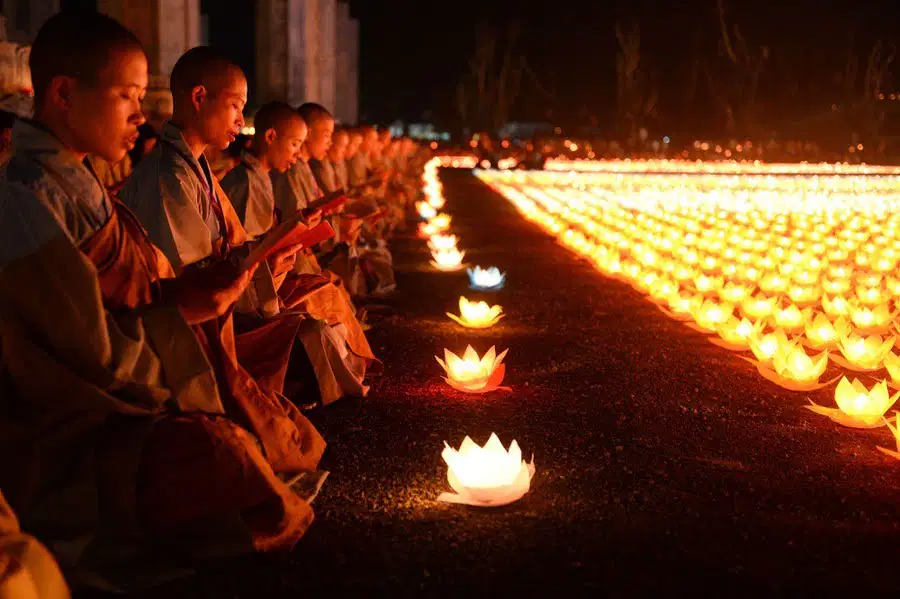
Which festival is observed to honor the birth, enlightenment, and death of Buddha?
Festival of the Sacred Tooth
Thingyan
Wesak
Vassa
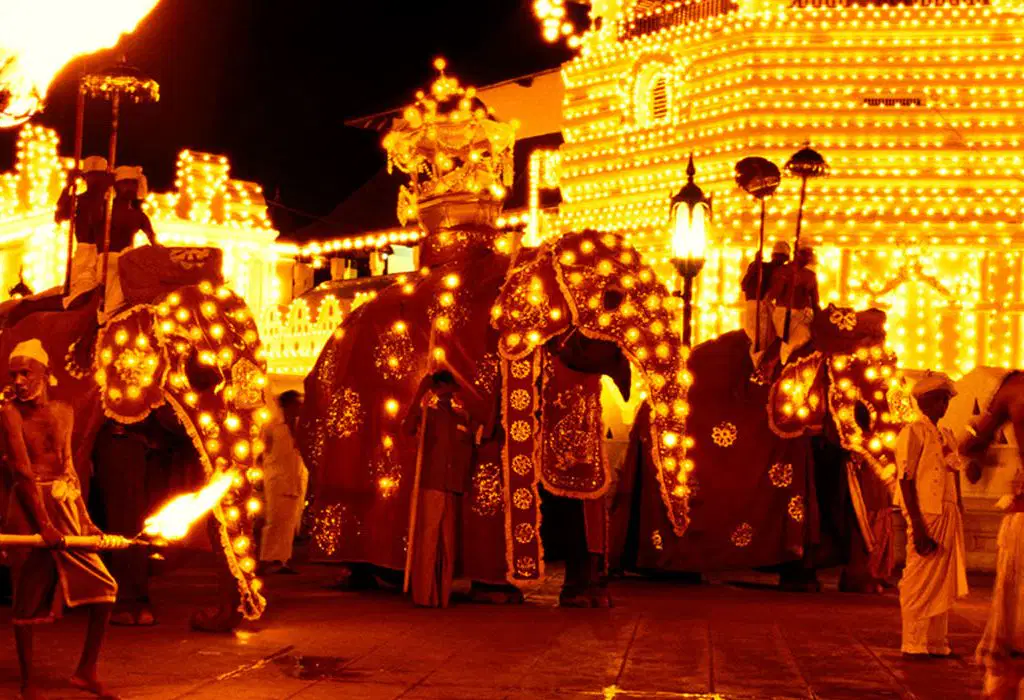
Which event is dedicated to the veneration of a revered Buddhist relic?
Wesak
Festival of the Sacred Tooth
Vessa
Thingyan

In which festival is water said to cleanse someone of their bad deeds?
Thingyan
Diwali
Hanami
Oktoberfest

In Buddhism, what is the significance of the Buddha's footprints?
they are used to mark the locations of important events in Buddha's life
they symbolize the spiritual journey and teachings of the Buddha
they indicate the need for physical presence in meditation
they are a reminder of the impermanence of life
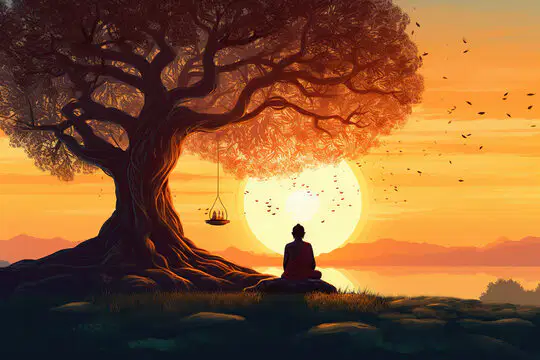
Which of the following is often associated with spiritual awakening?
The Lotus Flower
The Bodhi Tree
The Dharma Wheel
Footprints

What is the name of the structure that serves as a repository for sacred Buddhist relics?
Stupas
Shrines
Monasteries
Temples
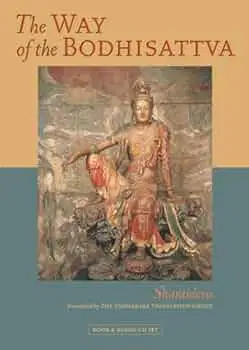
Bodhisattva
a person who postpones entering Nirvana to help others achieve enlightenment
a Buddhist sacred text
a Buddhist Temple
a type of meditation

Pali Canon
the first recorded manuscripts of Buddha's teachings
the first recorded manuscripts of Krishna's teachings
the first recorded manuscripts of the Dalai Lamas teachings
the first recorded manuscripts of the first bodhisattva's teachings

What are lamas (in Buddhism)?
Lamas are a type of animal found in the Himalayas.
Lamas are the leaders of Zen Buddhism.
Lamas are spiritual teachers in Tibetan Buddhism.
Lamas are ancient texts used in meditation.

What is the Buddhist perspective on the interdependence of all entities in the universe?
Buddhists believe that all entities, living and non-living, are interconnected and influence each other.
Buddhists think that living entities are connected, but non-living entities are independent.
Buddhists assert that everything exists in isolation without any connection.
Buddhists hold that only non-living entities are interconnected, while living entities are separate.
What are the Five Aggregates in Buddhism?
Form, Sensation, Perception, Mental Formations, and Consciousness.
Buddha's sermon at Sarnath
The Turning of the Wheel of Dharma
The Turning of the Wheel of Samsara
The Turning of the Wheel of the Eightfold Path

