
 Worksheets
Q3 Benchmark Review
Total questions: 22
Worksheet time: 23mins
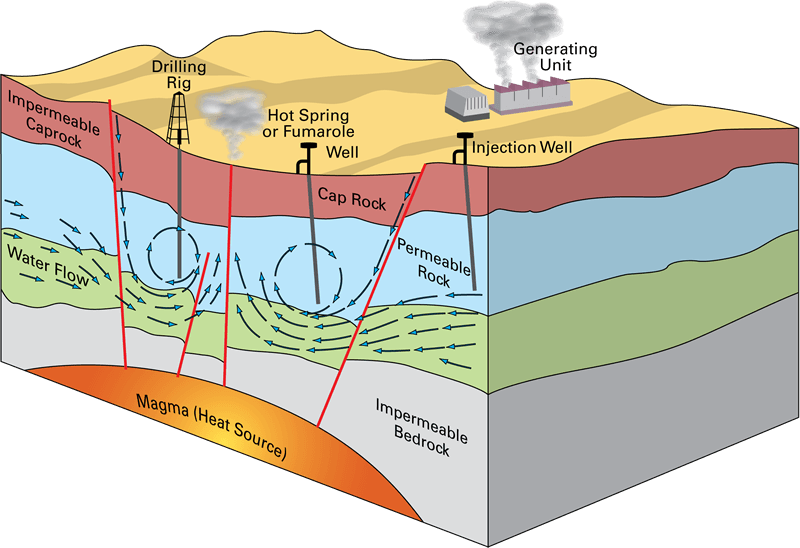
__________uses heat from the interior of the Earth.
Solar
Geothermal
Nucler
Wind
Which of the following is a renewable resource?
Oil
Solar
Coal
Natural Gas
Which of the following is considered the main energy source in our society?
Cual de las siguientes opciones es considereda la fuente primaria de energia en nuestra sociedad?
Fossil Fuels
Solar power
Wind Power
Hydroelectric plants
One ADVANTAGE of using fossil fuels is that:
They are better for the environment.
They can produce extremely high amounts of energy.
They contribute to the greenhouse effect.
They will never run out.
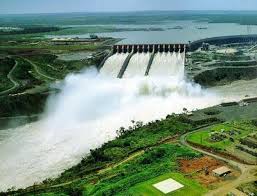
Which is NOT an example of point source pollution?
Gulf Oil Spill
Factory waste runoff
Nutrient runoff from farms
Sewage pipe drain into Ches Bay
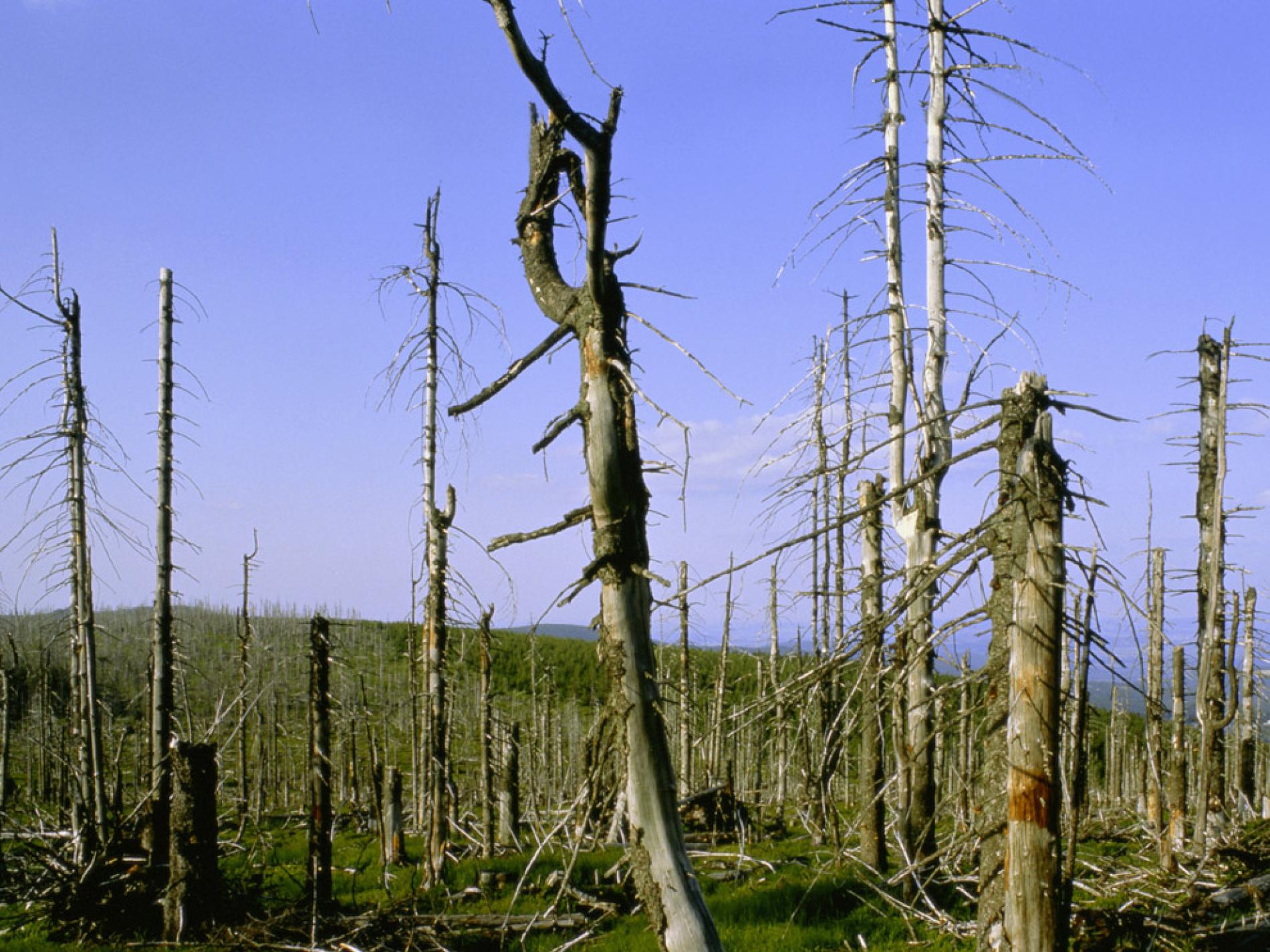

What does ecological footprint measure?
How quantity of natural resources humans need compared to the earth's capacity to provide those resources
The size of cities across the world
The amount of fossil fuels that are burned for energy
The shoe size of the average human

REVIEW: What biome is most likely shown in this climatograph?
Tundra
Desert
Savanna
Rainforest
Which of the following make up our Ecological Footprint? Select all that apply.
Carbon use
Land used for forestry
Land used for cities
Land used for food

What age groups does the bottom of a population pyramid represent?
The elderly
The working adults
The children
Males

What does the whole right side of the population pyramid represent?
Males
Females
Unemployed
Young people

What growth rate does this population pyramid represent?
Rapid Growth
Slow Growth
Negative Growth
Zero Growth

Is this country Developed or Developing?
Developed
Developing

Identify the type of population pyramid based on the information given in the image.
Triangle (Rapid growth)
Square (Slow growth)
Cup (Negative growth)

What future needs will this country have?
Schools
Houses & jobs
Medical care

