
Font size
 Worksheets
Soil and Plant EOT P6
Total questions: 19
Worksheet time: 28mins
What is electrical conductivity, and why is it important for plants and soil?
The speed of electricity in the soil; it helps plants grow faster.
The ability of soil to conduct electricity; it indicates nutrient levels and soil health.
The color of soil; it determines the type of plants that can grow.
How do soil sensors work, and why are they used in gardening and farming?
Soil sensors measure temperature; they are used for weather monitoring.
Soil sensors measure moisture and nutrient levels; they help optimize watering and fertilizing.
Soil sensors detect pests; they are used for pest control in agriculture.
Soil sensors detect the amount of electricity in soil
What are some examples of plants that grow well in soils with different electrical conductivity levels?
Cacti and succulents; they prefer high conductivity.
Rice and watermelon; they thrive in low conductivity soils.
Roses and tulips; they grow well in any soil type.
Wandering Jew, blackjack, desmodium grass
Can you explain why water and nutrients are important for plant growth?
Plants need water for photosynthesis, and nutrients for color.
Water helps plants stand upright, and nutrients add fragrance.
Water is a solvent for nutrients, essential for plant processes like photosynthesis
How might soil electrical conductivity affect the taste of fruits and vegetables grown in the garden?
It has no impact on taste.
It can make them sweeter.
It can influence their nutrient content and flavor.
What is precision agriculture, and how does it use technology like soil sensors to improve farming practices?
Guessing farming; it relies on luck for crop yield.
Advanced farming techniques; it uses data for precise decision-making.
Random agriculture; it doesn't follow specific methods.
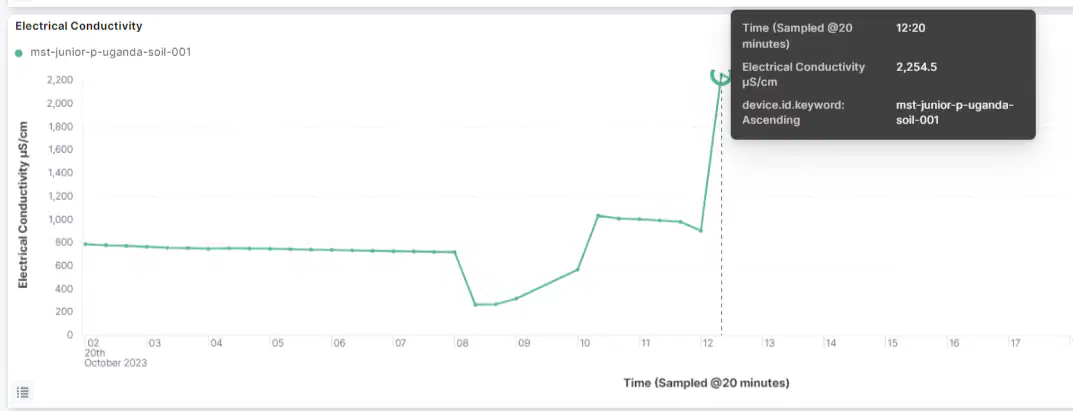
What units does your School’s sensor use to measure the E.C?
Fahrenheit
MicroSiemens per cm (μS/cm)
Volts
Siemens per meter (S/m)
Why is it important to take care of the soil when growing plants and crops?
Soil is just a support structure; it doesn't affect plant health.
Healthy soil provides a stable environment for plant roots and essential nutrients
Plants can grow in any soil condition; soil care is unnecessary.
How can we use soil sensors to determine when a plant needs water, and why is this helpful for gardening?
Soil sensors measure sunlight absorption; they indicate water needs.
Soil sensors detect temperature changes; they signal when it's time to water.
Soil sensors measure moisture levels; they help avoid overwatering or underwatering.
What are some simple ways to improve soil quality in a garden to help plants grow better?
Adding more concrete to the soil.
Using chemical fertilizers regularly.
Adding organic matter like compost and mulch.
Adding Water to the soil
Can you explain how farmers and gardeners can use data from soil sensors to make better decisions about their plants?
Data is irrelevant for farming decisions.
By guessing what the plants need.
Data is relevant for farming decisions.
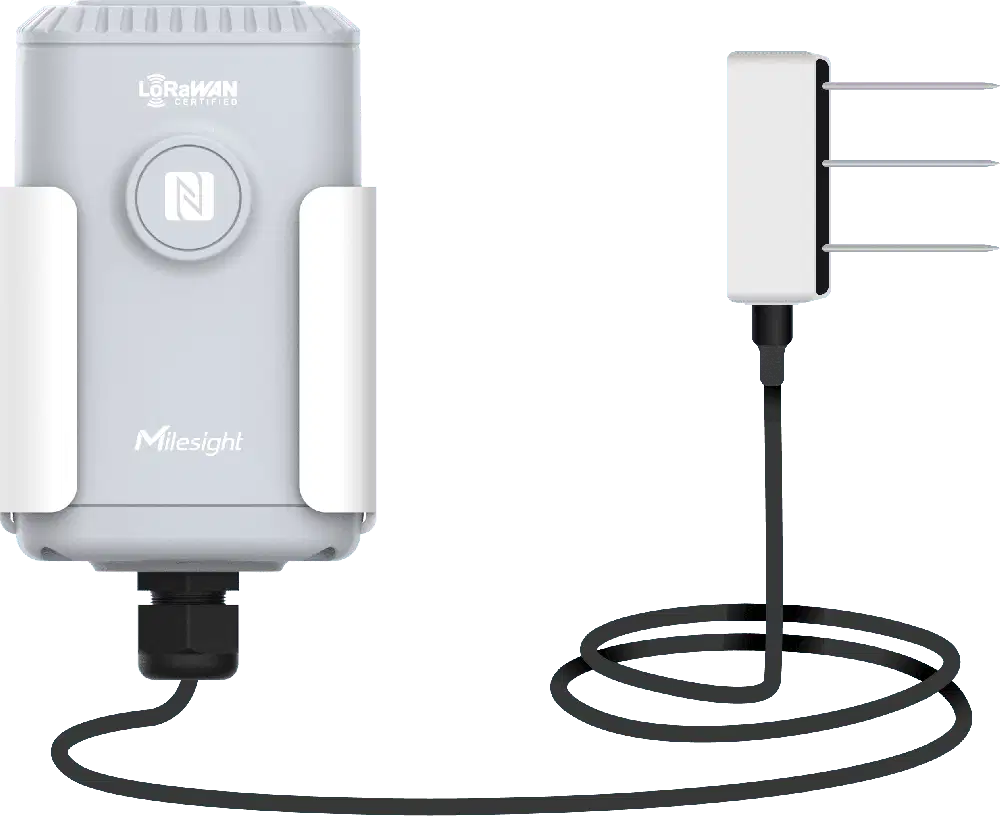
What are the main parts of a soil sensor?
How does the electrical conductivity of soil affect the growth of plants in a garden?
Why is it essential for farmers to know the electrical conductivity of their fields when growing crops?
To determine the soil's salinity levels, and nutrient content of the soil
To measure the acidity of the soil
To identify the types of pests present in the area
To determine the weather patterns in the area
What are some common problems that can occur in plants if the soil's electrical conductivity is too high?
nutrient imbalances, root damage, and reduced water uptake.
Decreased plant and root growth
How can we use information from soil sensors to save water when we're taking care of our gardens or lawns?
What are some common problems that can occur in plants if the soil's electrical conductivity is too low?
nutrient deficiencies, poor root development, and reduced plant growth.
What are some ways we can naturally improve soil conductivity in our gardens without using chemicals?
Adding organic matter such as compost, using cover crops, and practicing crop rotation.
How can we apply what we learn about soil conductivity to help solve real-world problems like droughts and food shortages?
By using the information to optimize irrigation systems and improve crop selection.

