
 Worksheets
World History Unit 4 Test
Total questions: 30
Worksheet time: 2hrs 30mins
While a woman who wanted to devote herself to the service of God during the Medieval Period lived as a Nun, what were men called?
A. Pastor
B. Archbishops
C. Monks
D. Popes
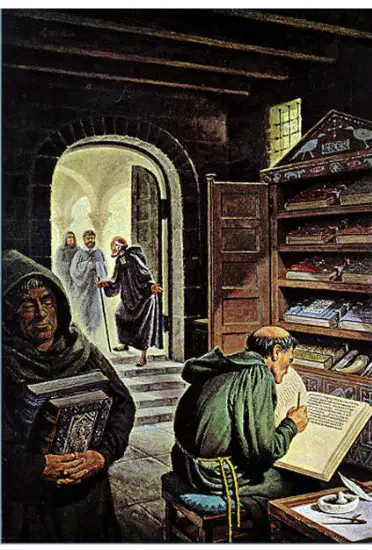
Why did it take Monks so long to produce copies of books like the Bible?
A. They always fell asleep at their desk
B. They had to copy each book, very carefully, by hand
C. The Monasteries' were always under attack
D. Monks had to first learn how to write and then copy the book correctly
The start of the Crusades was when Pope Urban II issued a call for all Christians to take up the sword against Islam. He promised that those who died in battle:
A. Would have a proper burial
B. Their family would be paid for their sacrifice
C. Would always be remembered in Catholic tradition
D. Would have a seat in Heaven
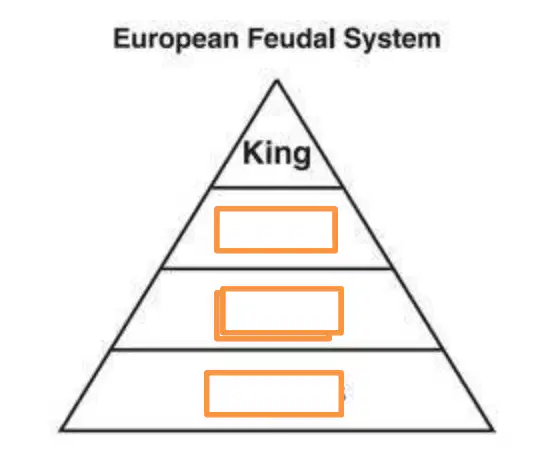
Fill in the missing classes of people from the Feudalism pyramid starting with the top blank and then the bottom blank.
Noble/Monk, Knight, Peasant
Prince, Monk, Peasant
Queen, Knight, Peasant
Knight, Monk, Peasant
The end result of the crusades was:
A. Muslim bitterness towards Christians
B. Increased Jewish persecution
C. New trade routes from Europe to Asia
D. All of the Above
The Catholic Church helped many Kings coming to power in Medieval Europe and these Kings made sure the Church was shown respect. Out of the choices below, which one was the GREATEST concern to the European Kings?
A. The Catholic Church performed the crowning ceremonies for the Kings
B. The Catholic Church performed marriage ceremonies
C. The Catholic Church baptized/educated the children of the King
D. The Pope could excommunicate the Kings and their families from the Church if he was not obeyed
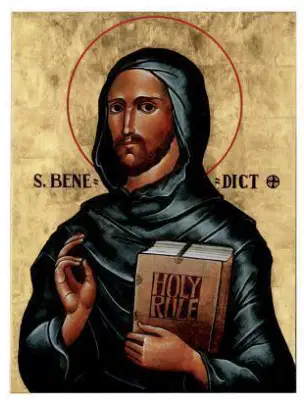
Pictured here, who is the man credited for writing the rules and the life to be lvied by the Medieval Monks?
Pope Urban III
Pope Leo VIII
Saint Benedict
Martin Luther
This Germanic King came to the throne in Western Europe in 771 A.D., converted all his subjects to Christianity by force as well as raged a war on the local barbarians like the Saxons and killed those who did not convert. In 800 A.D., was crowned Emperor of the Holy Roman Empire.
A. King Henry VIII
B. Charlemagne
C. William the Conqueror
D. Colvis

What is being described above that shaped much of society in the 1000's A.D.?
A. Chivalric Code
B. Code of Bushido
C. Rule of Saint Benedict
D. The Bible
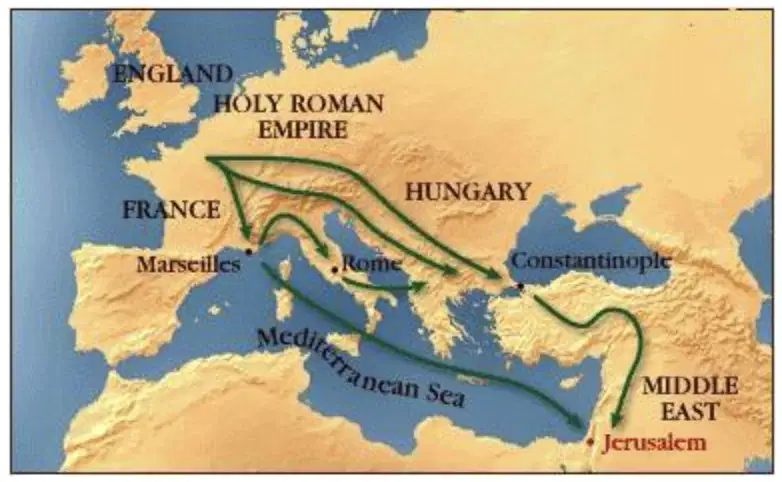
What is being shown on the map below?
The spread of the Bubonic Plague
The travels of the Crusaders
The trade routes after the beginning of the Renaissance
The Spread of the Protestant Reformation
Western Africa saw some of the most prosperous and powerful Empires in African history. Name the three Empires in order of their appearance.
A. Ghana, Songhai, Mali
B. Ghana, Mali, Songhai
C. Mali, Songhai, Ghana
D. Songhai, Ghana, Mali
What are the two natural resources that were essential for trade within Africa?
A. Oil and Copper
B. Gold and Silver
C. Salt and Gold
D. Lumber and Spices

Use the reading to determine which group the individual belongs to.
A. Sunni
B. Sufi
C. Ottoman
D. Shia
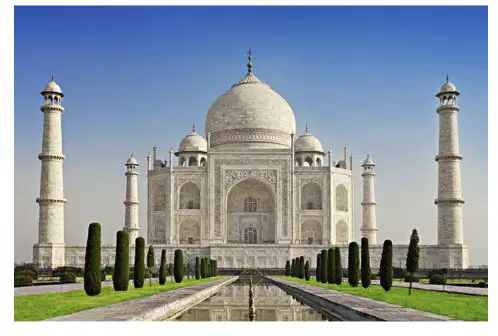
What structure is shown below?
The Mosque of Suleyman
The Taj Mahal
The Kabba
The Stele of Aksum
During the Umayyad Caliphate, Islam split into two different branches of the faith. Why did Muslims split?
A. They argued over how to properly interpret the Qur'an
B. They both had opposing views on Jihad
C. The Sunni's felt that Jews and Christians should be forced into conversion and the Shia's disagreed
D. They argued over who should rule Islam after the death of Muhammed
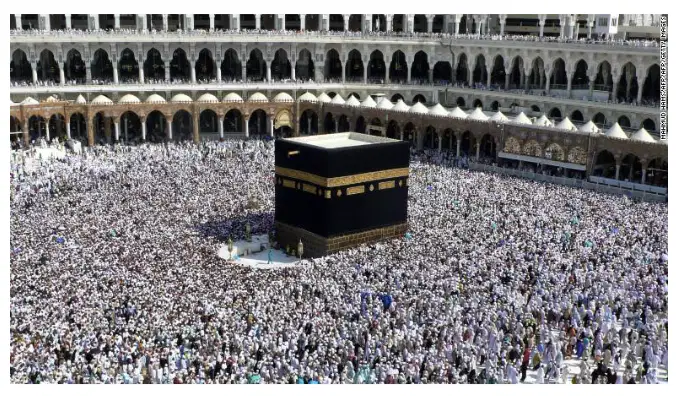
Very sacred and important to Muslims, what structure is pictured here?
A. The Kaaba
B. The Mosque of Sulyeman
C. The Hagia Sophia
D. The Taj Mahal
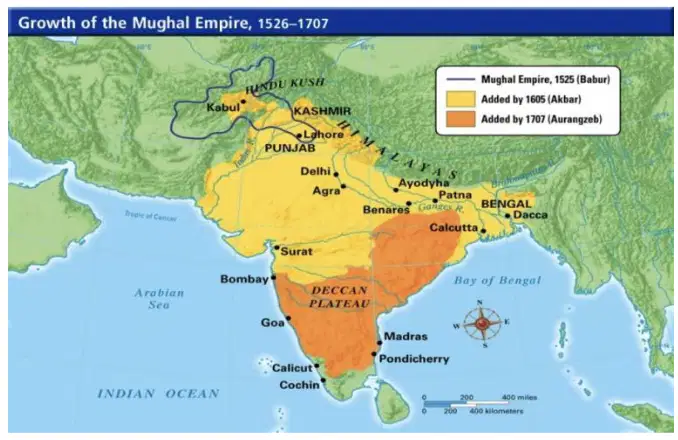
What was the defining religious culture of the Mughal Empire in India?
A. Sunni
B. Shia
C. Buddhist
D. Islamic/Hindu
The wealthiest person in history and the supreme ruler of the Mali Empire in Africa was?
A. Muhammed
B. Ibn Muhammed
C. Mansa Musa
D. Ali Akbar
Which of the following in NOT one of the 5 pillars of Islam.
A. Zakat-Charity
B. Jihad-Striving
C. Shahadah-Statement of Faith
D. Hajj-Pilgrimage to Mecca
Why were the libraries in Africa kept inside the religious Mosques of Islam?
C and D are correct
There were no building that could contain the massive libraries.
To have non-Muslims come to the Mosque to learn, they may convert to Islam.
To better protect the libraries from attacks and keep the knowledge safe.

What is being described above?
A. Chivalric Code of the Knight
B. Code of Bushido for Samurai
C. Rule of Saint Benedict for Monks
D. The Bible for Christian Crusaders
After being confronted by his wife Theodora, how did Emperor Justinian deal with the 30,000 rioters during the Nika Revolt in Constantinople?
A. He agreed to give them the power that they were seeking in the government
B. He ignored them and eventually the revolt was over
C. He and his wife fled further East to escape the riot
D. He locked them all in the Hippodrome and slaughtered them
The Bubonic Plague, which killed over 20 million people in Europe, was spread by what?
A. Bad Water
B. Filthy Living Conditions
C. Poor Diet
D. Flea Bites
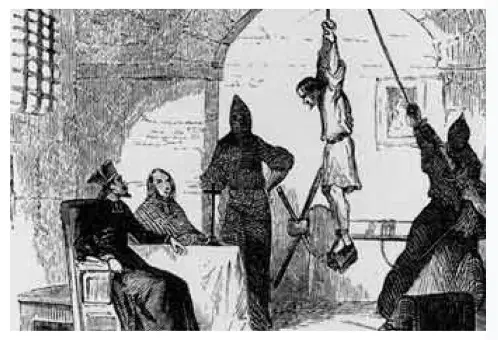
Near the end of the Crusades, the Spanish Inquisition in Spain targeted whom?
A. Poor People
B. Law breakers in society
C. Those who owned land
D. Non-Christians (Jews and Muslims)
By sheer force and charisma, who rose to the top to unite all the Mongol tribes together under his single rule and expanded his influence from China to Europe?
A. Shaka Khan
B. Kublai Khan
C. Batu Khan
D. Genghis Khan
What language was used during services of the Eastern (Orthodox) Church?
A. Latin
B. Greek
C. Roman
D. Mongolian
What language was used during services of the Western (Catholic) Church?
A. Latin
B. Greek
C. Roman
D. Mongolian
Ivan III named himself the first Czar (Caesar) of Russia. What did he do to remove the Mongol oppressors in Russia?
A. He agreed to pay off the Mongols
B. He signed the Treaty of Moscow in 1240 AD
C. He went into battle against them
D. He defied their rule and stared them down at the Ugra River.
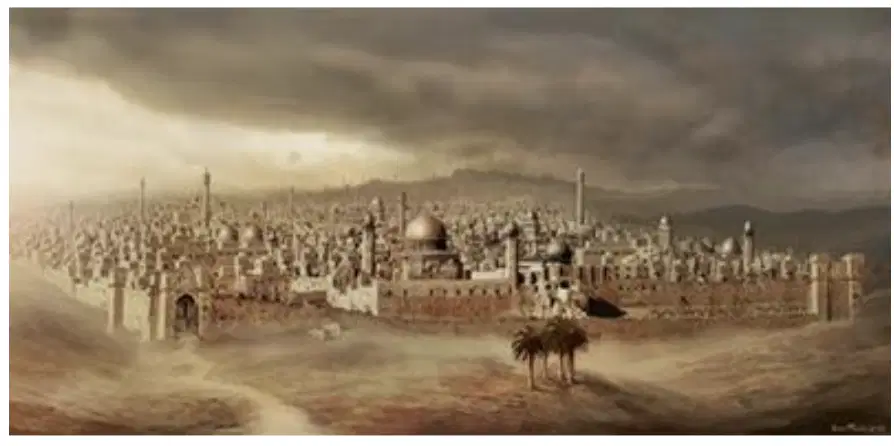
What city did the Muslims and the Christian Crusaders fight over?
A. Damascus
B. Rome
C. Constantinople
D. Jerusalem
Finish this MONGOL Quote
“Fighting wasn’t honorable; __________________________.”
Losing was
Honor was
Winning was
Hope was

