
 Worksheets
The Great Depression Pre-Test
Total questions: 45
Worksheet time: 25mins
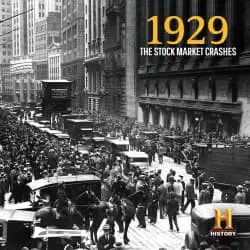
What were some causes of the Great Depression? (Select 2!)
Stores closing down
Dust Bowl
Stock market crash & speculation
Families leaving America
Increased international trading
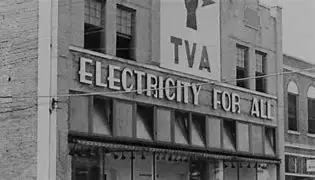
What were the improvements implemented as part of the Tennessee Valley Authority? (Select 2!)
Construction of hydroelectric dams
Improvements made in Tennessee valleys
Public Works Projects
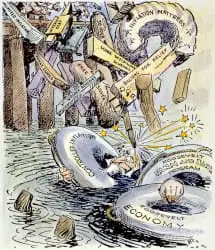
Which program and economic theory did the government implement to build dams?
The New Deal, deficit spending, Tennessee Valley Authority (TVA) program and Keynesian economic theory
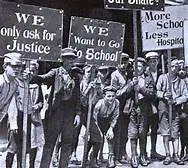
Examine the timeline of child labor laws:
1912 - Children's Bureau is formed to investigate and publicize child labor (Child labor is still legal!)
1916 - Keating-Owen Child Labor Act (Child labor is declared unconstitutional.)
1938 - Fair Labor Standards Act outlaws employment of children under 14
Due to acute labor shortages during World War I, the government eased some of the restrictions
Child labor is outlawed in 1912 and declared unconstitutional in 1916.
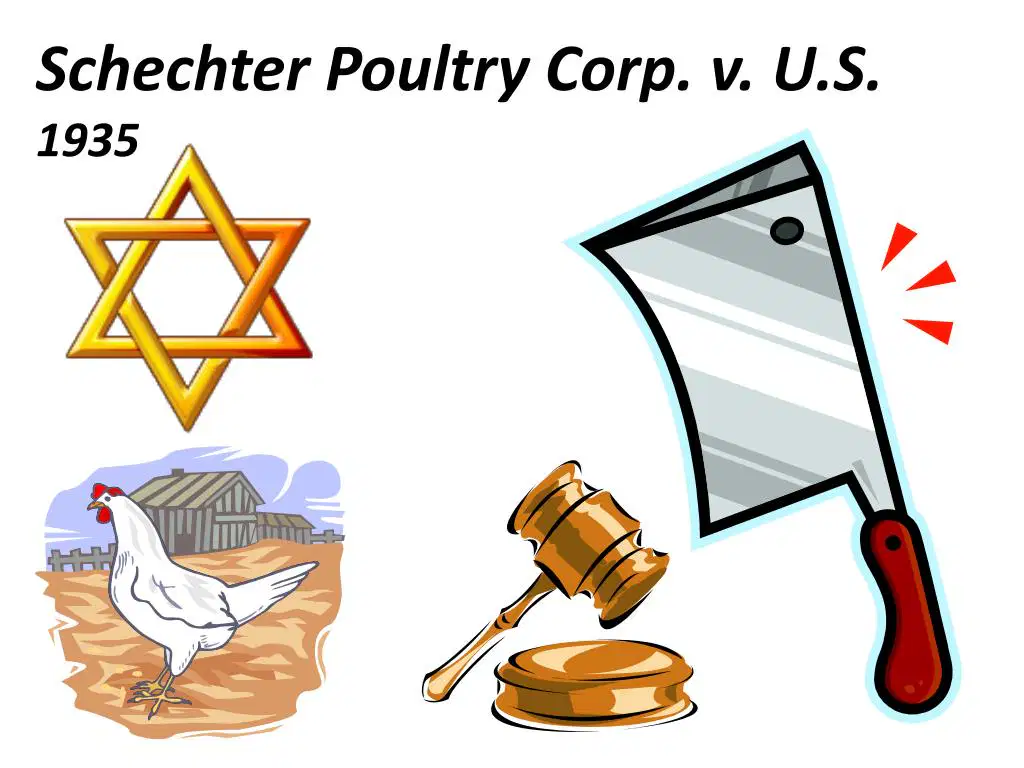
In the 1935 landmark case of Schechter Poultry v. United States, the Supreme Court ruled that parts of the New Deal were unconstitutional.
Which legal question was at the center of the case?
Does the commerce clause give Congress the Power to regulate intrastate commerce?
Does the Meat Inspection Act apply to plants that process food for export to other countries?
Does the Works Projects Administration (WPA) program violate the Federal Equal Pay for Women Act?
Does the National Recovery Act violate the separation of powers among the three branches?
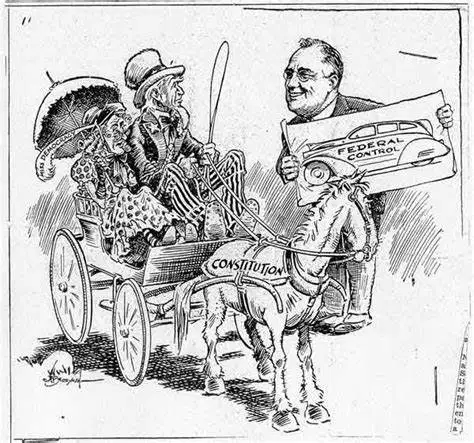
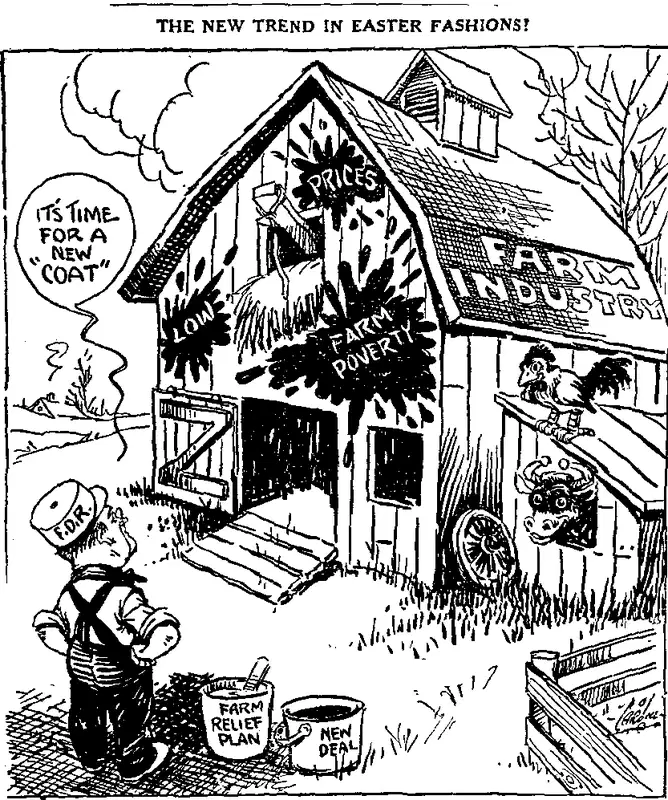
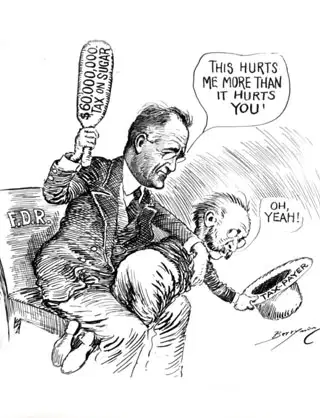
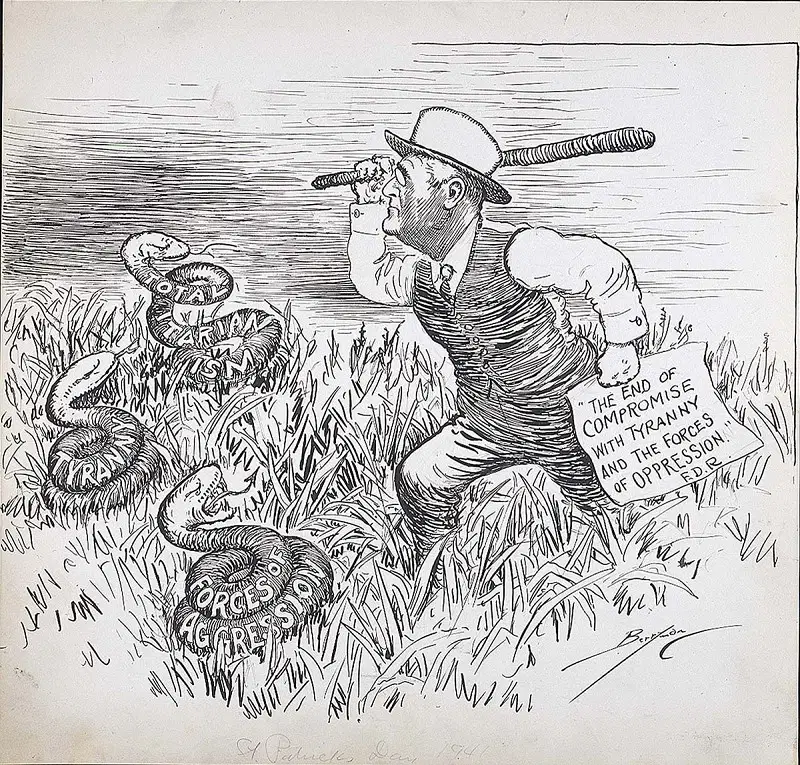
What would be the most appropriate description of the cartoon displayed?
The New Deal gave greater freedoms to people.
The government became too big and people lost certain freedoms.
The New Deal promised a car to every American.
The Great Depression became worse as the New Deal programs took effect.

Between the years 1942 - 1950, the number of Americans enrolled in college increased from around 210,000 to 500,000, which is reflective of programs put in place by the New Deal during the Great Depression.
What BEST explains the shift in the number of Americans attending college?
Passage of the Servicemen's Readjustment Act, commonly called the G.I. Bill, which provided funds for veterans to attend post-secondary schools and buy homes.
The launch of Sputnik caused the federal government to pay college costs for anyone who earned a degree in Engineering or Math, with the agreement to work for NASA.
Passage of the Federal Education Act paid the college costs of anyone who would agree to teach in an urban school district for at least four school years.
The surplus of building materials after the Vietnam War abruptly ended, causing a huge decrease in the cost of building a new home.
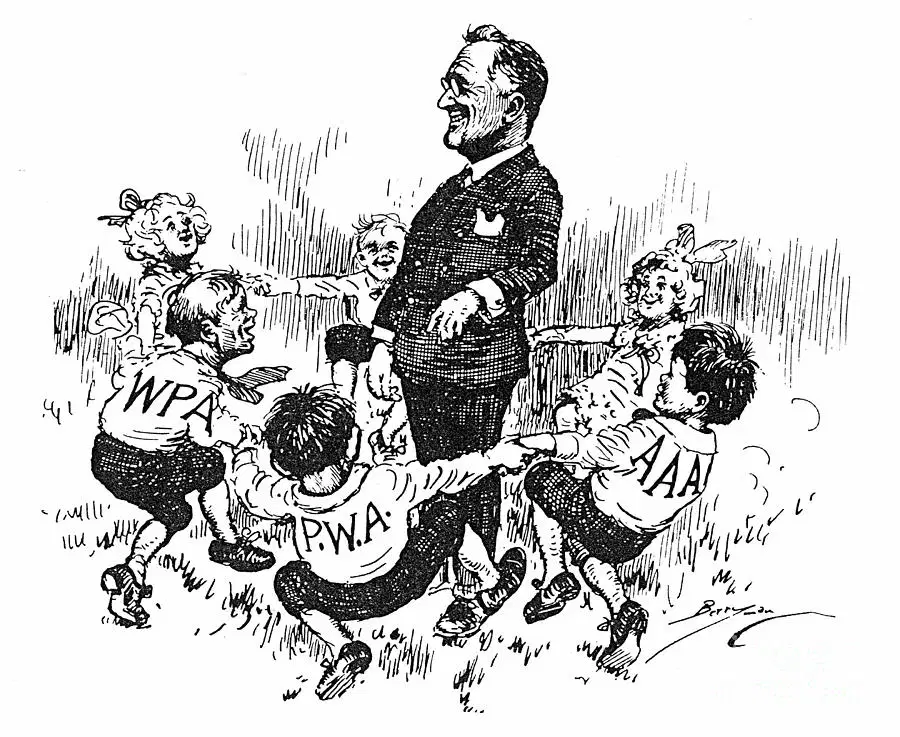
FDR's New Deal offered a new philosophy toward the role of government in the United States. Which of the following choices was NOT one of the last legacies of the New Deal?
Government sustains social security programs.
Increased government regulation and minimum wage laws
The Democratic Party leans toward social liberalism.
Labor Unions are discontinued in U.S. manufacturing.
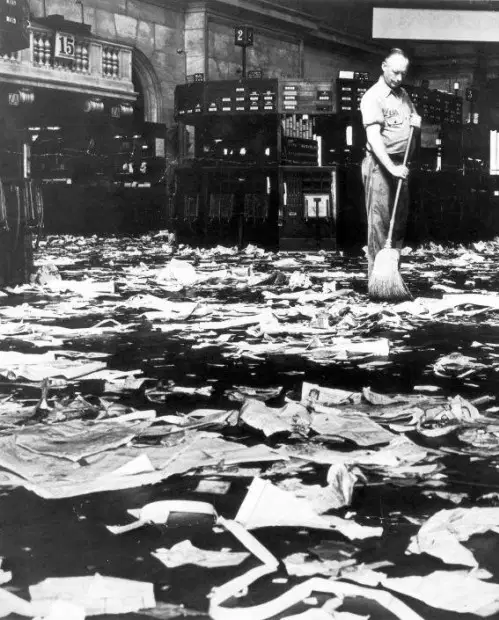
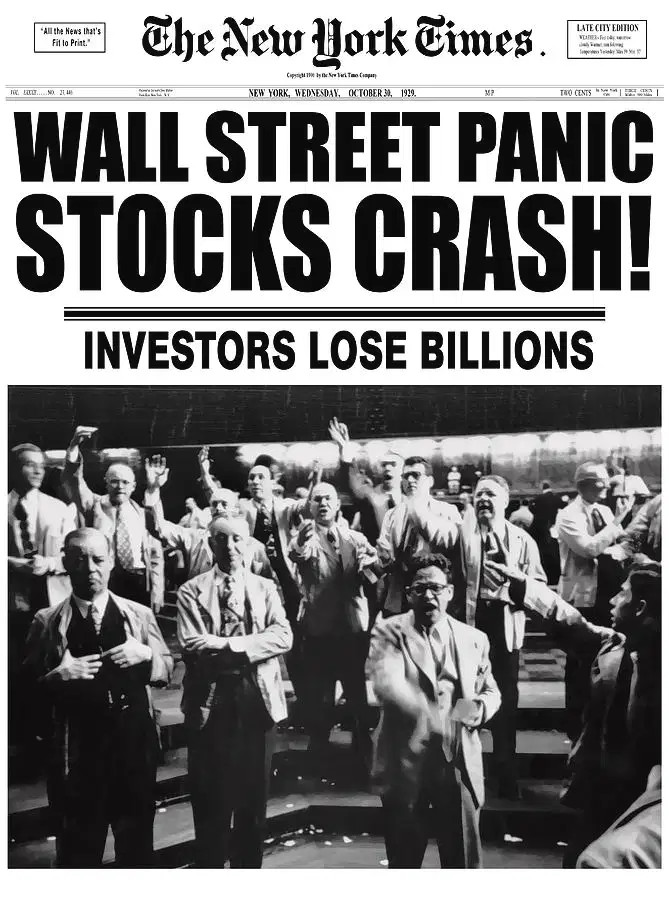
Attached to this question, examine the picture of the man sweeping the Wall Street floor after the stock market crashed in 1929.
What answer choice BEST fits the description of the picture?
The stock market crashed because of investors rushing to sell their shares.
The stock market crashed because of the Federal Reserve increasing the money supply.
Germany was no longer able to pay reparations to the United States, which resulted in the stock market crashing.
Interest rates plummeted, resulting in the stock market crash.
In 1913, ______ was established, which also largely contributed to the Great Depression during the 1930s because of its restrictions.
As the Great Depression progressed, banks began to foreclose on American farmers' homes and farms. What did most of the American farmers do?
Most farmers moved to other cities to find alternative sources of work.
Many farmers relied on their savings to survive because of their healthy profits during the 1920s.
Many farmers started their own businesses as bootleggers.
With FDR's New Deal programs, most received financial assistance from the government.

President Herbert Hoover received a good bit of criticism during and after the Great Depression. What answer choice is the BEST choice for a reason he was criticized?
His lack of economic knowledge by cutting workers' wages during the Great Depression
His failure to implement effective policies that would stimulate the economy during the Great Depression
His inability to address unemployment during the Great Depression
His handling of the Great Depression by failing to provide direct government aid to those in need

During Herbert Hoover's election, he predicted that - ____________
The stock market crashed in 1929 due to - __________
investors rushing to sell shares
too many people defaulting on their loans
farmers overproducing
too many stocks being sold at a percentage of the cost
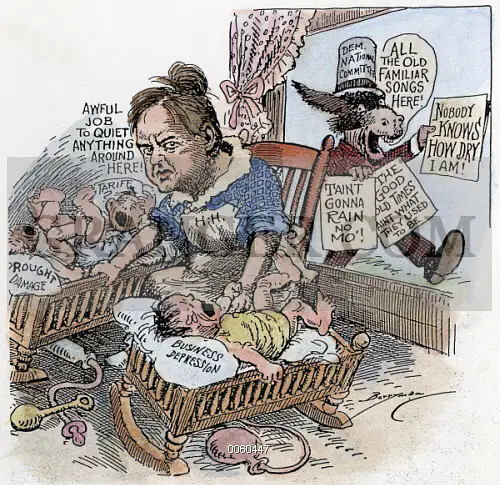
To stimulate the economy, President Hoover allowed investors to - __________
buy stocks at a percentage of the cost
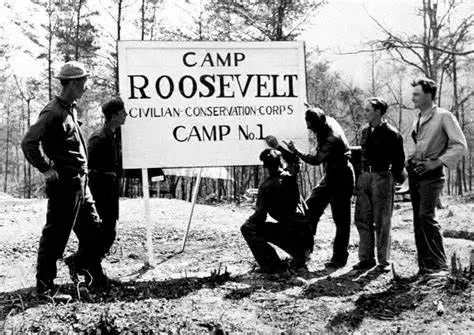
What was one result of the creation of the Civilian Conservation Corps (CCC) during the 1930s?
The federal government provided aid to people suffering from unemployment.
Congress agreed to provide community service jobs to men and women.
The federal government provided environmental projects so that people could gain experience for jobs.
Created jobs in the Tennessee Valley to control flooding, reforestation and hydroelectricity.
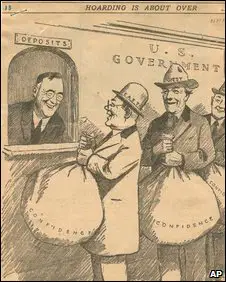
How does the Federal Deposit Insurance Corporation (FDIC) continue to affect U.S. citizens?
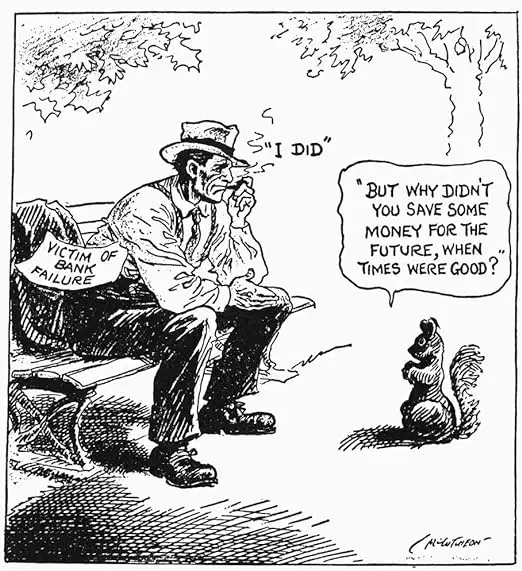
TRUE or FALSE: Many people lost their life savings as banks failed.
True
False
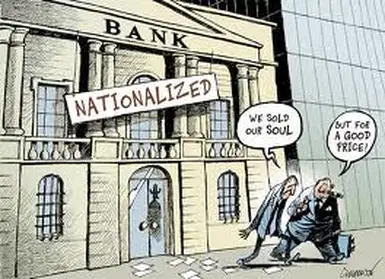
TRUE or FALSE: Most investors profited from the stock market crash
True
False
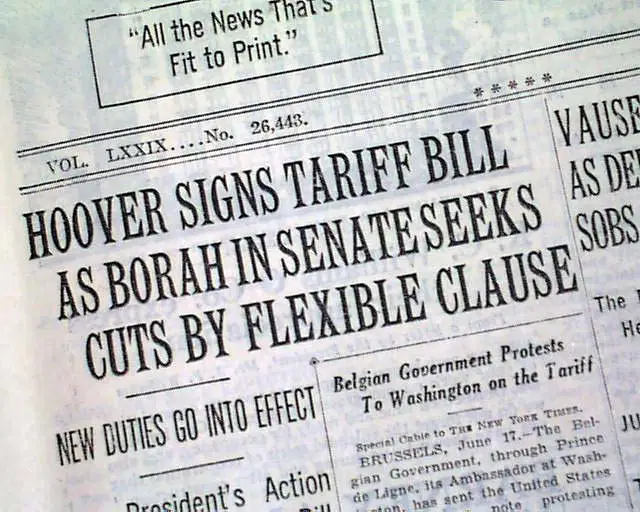
The Smoot-Hawley Tariff Act passed in - _______

What type of effect did the Smoot-Hawley Tariff Act have on the United States during the Great Depression?
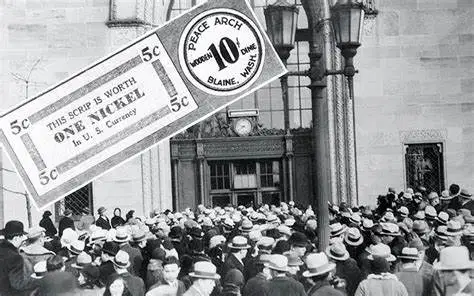
Out of the following, which ones are the Federal Reserve System responsible for? (Select TWO!)
Steadily increase the level of inflation
Maintain the stability of the economy
Protect citizens' savings
Produce money when the economy begins to suffer
Regulate U. S. Securities.
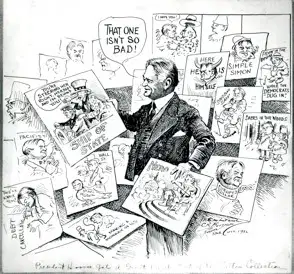
How did President Herbert Hoover initially respond to the Great Depression?
Although he ultimately felt citizens were accountable for their own financial stability, he implemented a policy of volunteerism and relied on local and state governments.
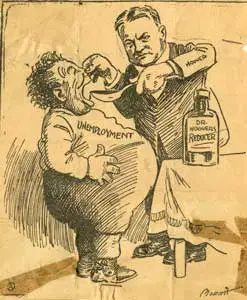
Which of the following were ways that President H. Hoover responded to Americans during the Great Depression. (Select TWO!)
Smoot-Hawley Tariff Act
Establishing Hoovervilles
Income tax "holidays"
$160 million tax cut
Bonus Expeditionary Force
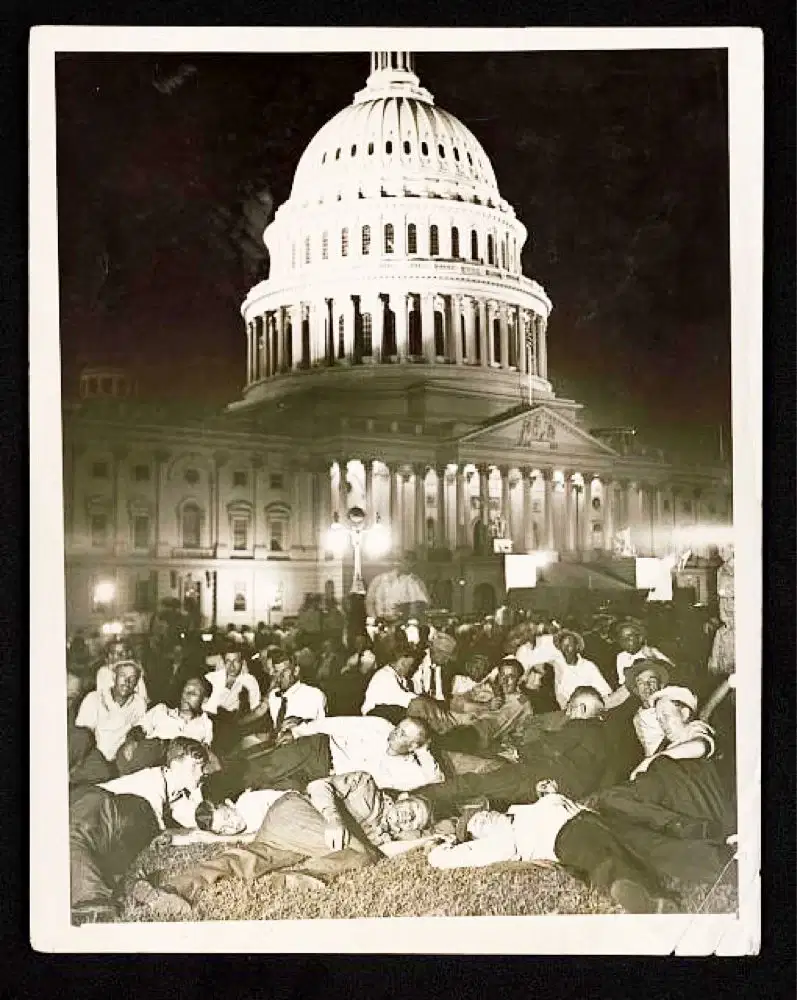
What year did the WWI veterans, known as the "Bonus Army", march on Washington to demand their financial compensation for their service?
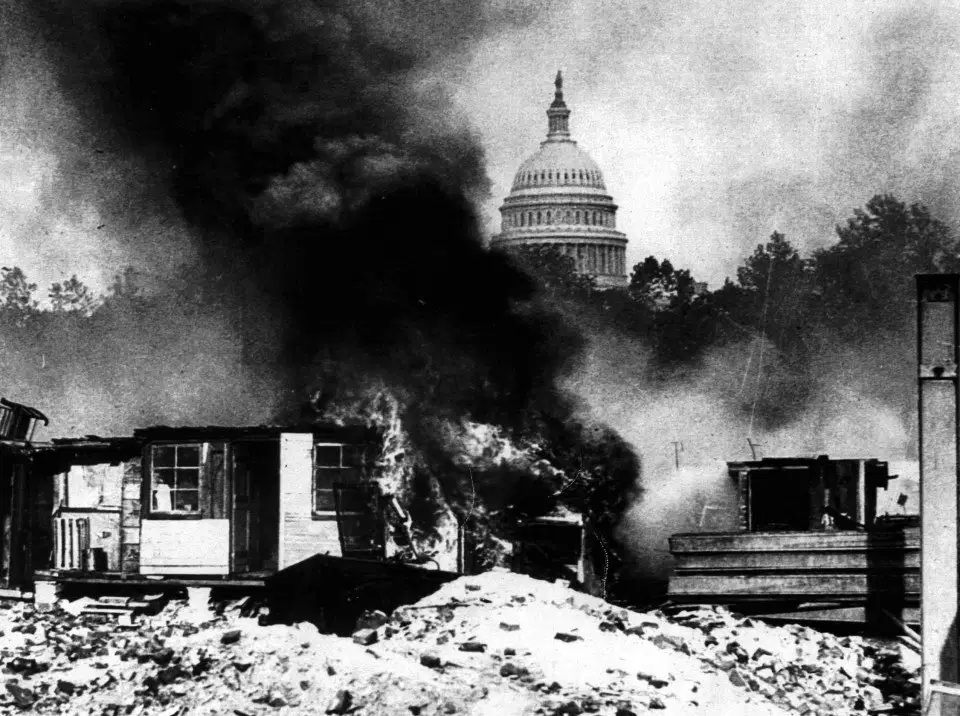
How did President Herbert Hoover respond to the Bonus Army's efforts in demanding their pay for military services provided to the United States during WWI?
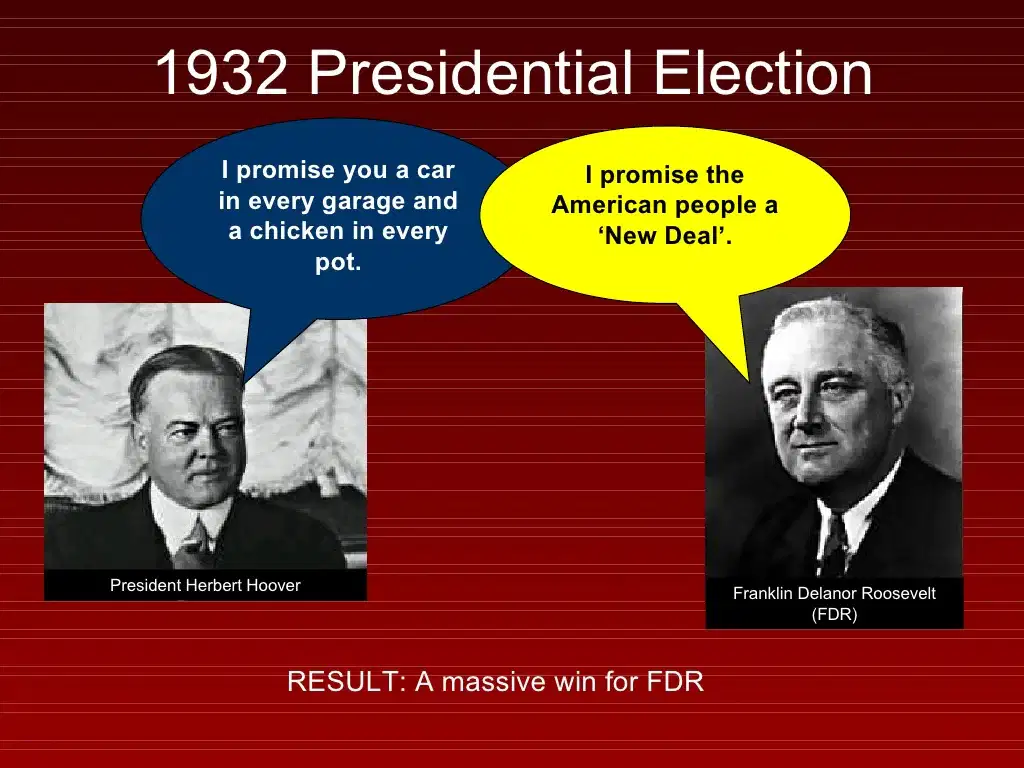
President Hoover lost the presidential election in 1932 to Franklin D. Roosevelt (FDR) because:
(Select TWO!)
Many Americans were supportive that he had bailed out banks that would have failed when the stock market crashed.
People disagreed with his response to the Bonus Army, WWI veterans.
He took an approach to the Great Depression that many felt was too passive, as if he did not take is seriously.
He was caught receiving money from the Federal Emergency Relief Administration.
His campaign efforts received support from most Republicans, which had lost popularity.
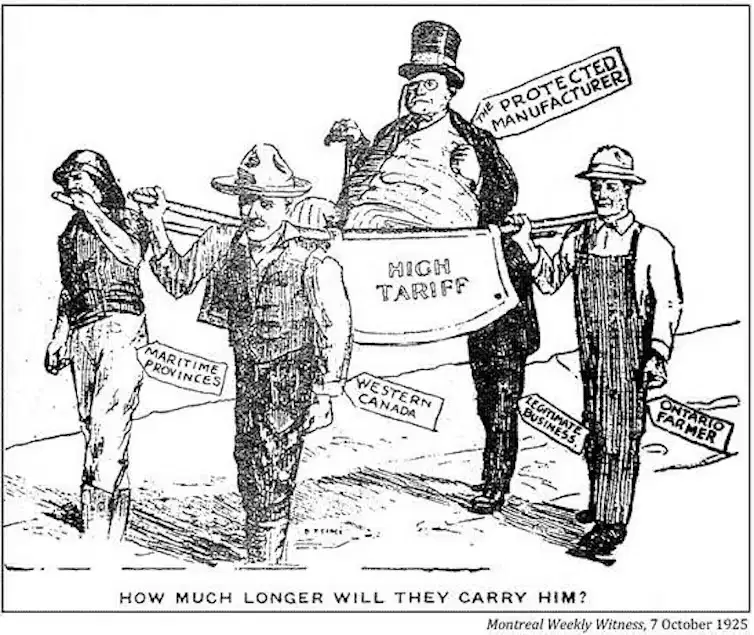
The initial purposes of the Smoot-Hawley Tariff Act was to (Select TWO!) - ________
Increase protections afforded to America's domestic farmers from agricultural imports
Protect American industries from foreign competition
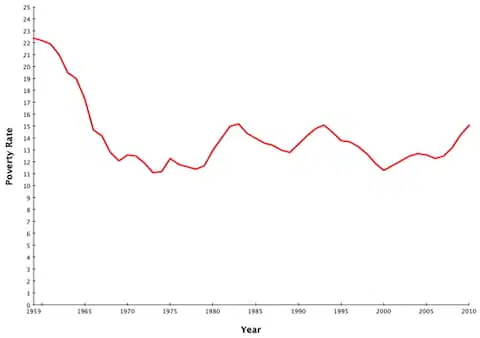
The attached chart shows American poverty levels from 1959 to 2010.
Which of these statements offers the BEST explanation reflective of the Great Depression for the number of Americans living in poverty between 1959 to 1980?
The New Deal's economic programs were very effective in lifting lower class Americans out of poverty.
Military spending during the Vietnam War employed millions of Americans in the military and defense-related industries.
The Great Society programs enabled many lower-income Americans, particularly women and minorities, to escape poverty.
A return to laissez-faire economics allowed American corporations to increase their revenue and hire more people.
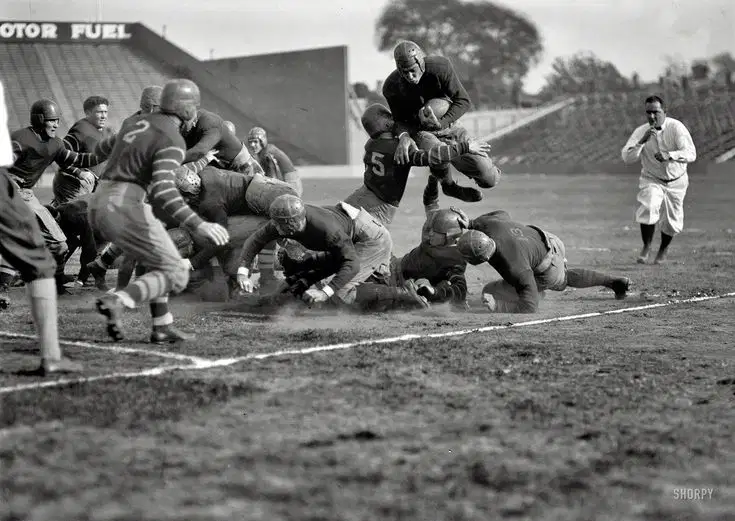
From its beginning in 1869, college football was viewed as a sport for the upper class, while professional football was a sport for the working class. Around 1905 through the 1930s, college and professional football began to gain widespread popularity because - _______________
Former President Theodore Roosevelt created rules and regulations to make the sport less violent
The National Football League announced that all teams must accept African American players
Many National Football League players were drafted during World War I
Millions of Americans, who previously viewed only college football, became fans of professional football

President Franklin D. Roosevelt's New Deal program for the Fair Labor Standards Act of 1938 included the following: (Select 3!)
Forty-hour workweek
federal minimum wage
child labor statutes
$5,000 for each family
new Ford cars for each household
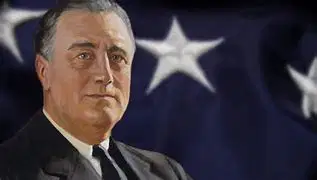
What were the foundations of President Franklin Roosevelt's Great Depression strategy? (Select 3!)
restore
recovery
reform
rebuild
relief
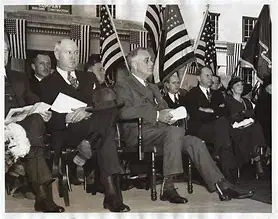
What was unique about Franklin D. Roosevelt's presidency?

As a result of President Franklin D. Roosevelt's New Deal, the economy reached a period of ______ in 1937.
What discipline of economics did President Franklin D. Roosevelt practice with his New Deal policies?

Which of the following was a consequence of FDR's New Deal?
The creation and regulation of many new government agencies and programs

President Franklin D. Roosevelt expanded the power of the federal government by:
(Select TWO!)
He created a program that allowed the federal government to increase taxes on the upper-class
He created new money to bail out banks on the verge of shutting down
He created a system to restore the life savings that many Americans lost during the Depression
He passed legislation that established minimum wage
He extended the terms of government officials to stabilize the federal government
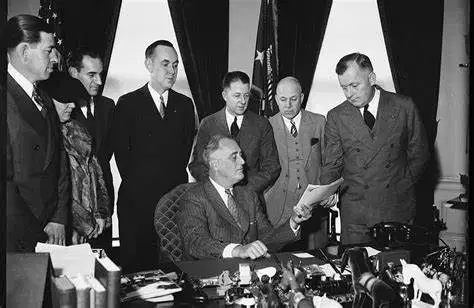
Who were Brain Trusts?
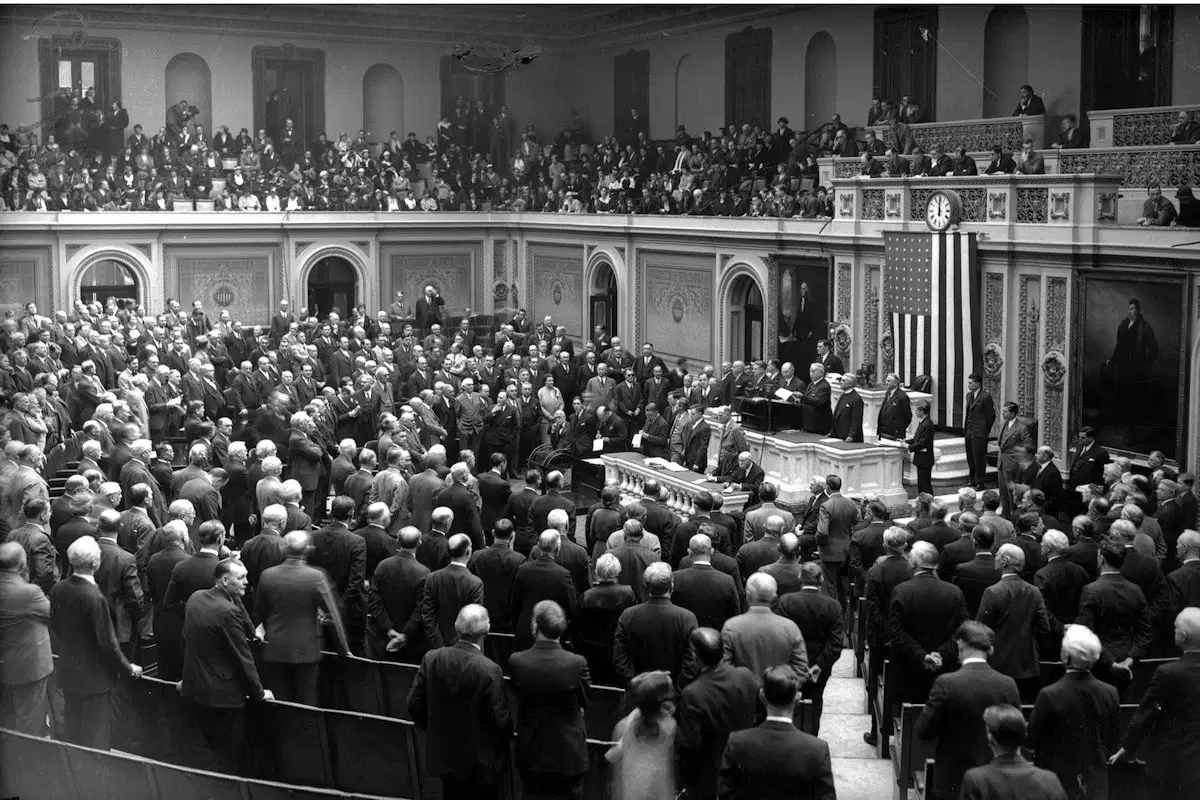
After being sworn in, President Franklin D. Roosevelt immediately - _________-
Implemented the New Deal policies after calling Congress into a special 100 day session
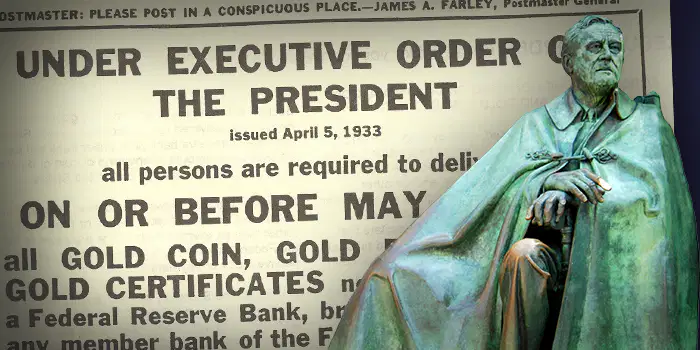
In April 1933, President FDR required people to turn in any gold coins, gold bullion, or gold certificates to the Federal Reserve System in exchange for $20.67/ounce. What was this executive order called?
Gold Order 6102
Leaders who manipulate with half-truths and scare tactics in an effort to organize opposition to leadership - ______

Exposed as an anti-Semitic, he broadcasted his support for inflated currency and a nationalized bank - _______
Father Charles Coughlin

Former governor and senator of Louisiana who was a hopeful presidential candidate that wanted to tax the wealthy and believed every family should be guaranteed an income of $5,000 - _______
Huey "Kingfish" Long
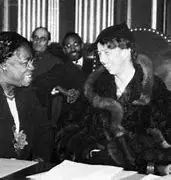
President FDR had a group of advisors known as his Black Cabinet that included:
(Select 3!)
Robert Weaver
W.E.B. Dubois
William Hastie
Frederick Douglas
Mary McLeod Bethune
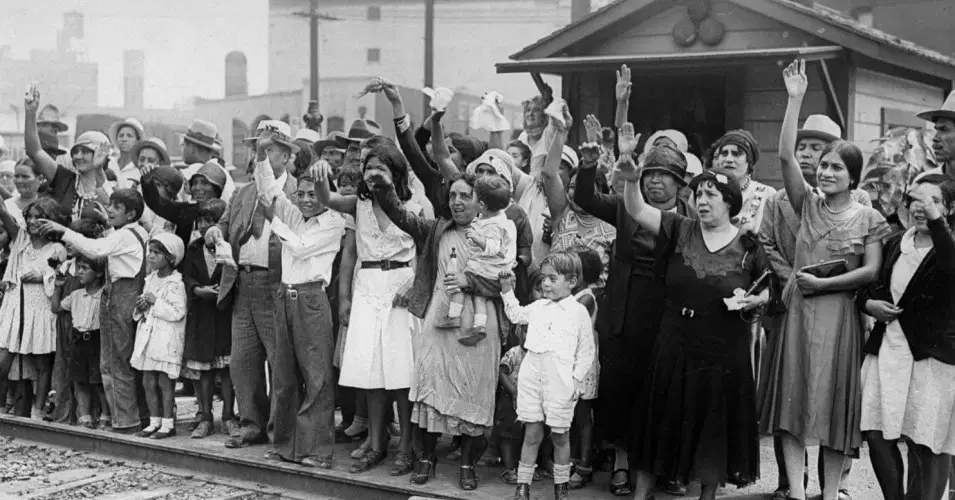
During the Great Depression, Mexican-Americans faced job competition and discrimination with thousands pouring into California. Many tried to seek deportation back to Mexico while others were hired by CCC and WPA. This was called - _________
Mexican Repatriation
Mexican Emigration
Mexican Immigration
Mexican Deportation

