
Font size
 Worksheets
Term 4 Revision
Total questions: 110
Worksheet time: 2hrs 50mins
Which part of the Eightfold Path means to believe in Buddhism - to trust that it's the right way to live?
Right Concentration
Right Understanding/View
Right Action
Right Effort
Which part of the Eightfold Path means stay committed to Buddhism even when it's difficult?
Right Intention
Right Understanding/View
Right Livelihood
Right Effort
Which part of the Eightfold Path means speak kindly and not lie?
Right Speech
Right Mindfulness
Right Concentration
Right Action
Which part of the Eightfold Path means to not be violent or steal and instead to help people?
Right Action
Right Understanding/View
Right Concentration
Right Effort
Which part of the Eightfold Path means to work a job that fits Buddhist ideas?
Right Livelihood
Right Mindfulness
Right Intention
Right Effort
Which part of the Eightfold Path means to work hard to have a good attitude?
Right Effort
Right Action
Right Intention
Right Concentration
Which part of the Eightfold Path means to be aware of yourself and think about your actions before you take them?
Right Mindfulness
Right Action
Right Intention
Right Concentration
Which part of the Eightfold Path means to think deeply about your problems and consider other ideas?
Right Mindfulness
Right Understanding/View
Right Intention
Right Concentration
It is important to understand there is suffering, there is a source of suffering, that suffering can end if you follow the eigthfold path. (Four Noble Truths)
Right Thought / Understanding
Right Action
Right Speech
Right Effort
Making the commitment to consider others in all you do and not act in greed.
Right Intent
Right Meditation
Right Livelihood
Right Effort
Do not spread gossip or lie. Always try to tell the truth and to use words kindly.
Right Action
Right Livelihood
Right Speech
Right Mindfulness
Holding open a door for someone who has their hands full is an example of this step along the Eightfold Path
Right Speech
Right Action
Right Livelihood
Right concentration / meditation
Refuse groups, clubs, jobs, that harm others or nature.
Right Understanding
Right Effort
Right Livelihood
Right Concentration / Meditation
Always try to be the best you. TRY, practice, apply yourself. Learn new things and grow!
Right Meditation
Right Effort
Right Understanding
Right Speech
Apply your mind to the hear and now. Think before you speak, have awareness of your actions and impact on others.
Right Mindfulness
Right Action
Right Effort
Right Meditation
Think deeply about your actions, clear your mind of doubts and negativity, develop stronger focus and mindfulness through this practice.
Right Concentration / Meditation
Right Understanding
Right Effort
Right Livelihood
What is the first step of the Noble Eightfold Path?
Right Understanding
Right Speech
Right Concentration
Right Livelihood
Why is Right Understanding important to stop Dukkha?
It makes a person fully aware of the present moment
It encourages goodness and truth
It is the first step towards enlightenment
It helps in developing love and kindness
What is the main action associated with Right Speech?
Speaking truthfully and compassionately
Cultivating an attitude of loving kindness
Avoiding harmful thoughts and desires
Being fully aware of oneself and others
What is the purpose of Right Livelihood in stopping Dukkha?
To have a job that does not harm others and is helpful to oneself
To let go of desires and cravings to stop suffering
To be totally alert to life and aware of one's actions
To make an effort to be mindful of thoughts and actions
What is the main action associated with Right Effort?
Being mindful of the present moment
Training oneself to avoid bad things
Being totally alert to life and aware of one's actions
Regularly practicing meditation and mindfulness
What is the main purpose of Right Awareness/Right Mindfulness?
To let go of desires and cravings to stop suffering
To be fully aware of oneself and others
To be totally alert to life and aware of one's actions
To experience the here and now
What is the main action associated with Right Concentration?
Making an effort to be mindful of thoughts and actions
Being fully aware of oneself and others
Regularly practicing meditation and mindfulness
Training oneself to avoid bad things
What is the main purpose of Right Concentration in stopping Dukkha?
To be fully aware of oneself and others
To let go of desires and cravings to stop suffering
To develop wisdom and calm the mind
To experience the here and now
What is the main action associated with Right Action?
Behaving in ways that are kind and compassionate
Taking care in what one says
Being totally alert to life and aware of one's actions
Making an effort to be mindful of thoughts and actions
What is the main purpose of Right Attitude in stopping Dukkha?
To behave in ways that are kind and compassionate
To develop love and kindness
To make an effort to be mindful of thoughts and actions
To affect what one gets out of life by developing right attitudes and thoughts
What is the main purpose of Right Action in stopping Dukkha?
To develop wisdom and calm the mind
To make an effort to be mindful of thoughts and actions
To behave in ways that are kind and compassionate
To show loving kindness to all living things
What is the main purpose of Right Effort in stopping Dukkha?
To show loving kindness to all living things
To behave in ways that are kind and compassionate
To develop wisdom and calm the mind
To make an effort to be mindful of thoughts and actions
What is the main purpose of Right Speech in stopping Dukkha?
To develop wisdom and calm the mind
To behave in ways that are kind and compassionate
To show loving kindness to all living things
To take care in what one says and make sure it is helpful and encourages goodness and truth
What is the main purpose of Right Understanding in stopping Dukkha?
To develop wisdom and calm the mind
To behave in ways that are kind and compassionate
To show loving kindness to all living things
To have a correct understanding of the world and realise that life is unsatisfactory
What is the main purpose of Right Livelihood in stopping Dukkha?
To have a job that does not destroy life or cause harm to others
To show loving kindness to all living things
To behave in ways that are kind and compassionate
To develop wisdom and calm the mind
Untouchables in the Caste System have been described as (Choose 3)
Outcasts
Polluted
Dirty because of their jobs
Holy and sacred
Rich and wealthy
A person became a member of a caste by (a) .
It was forbidden for people from one (a) to socialize with people from another.
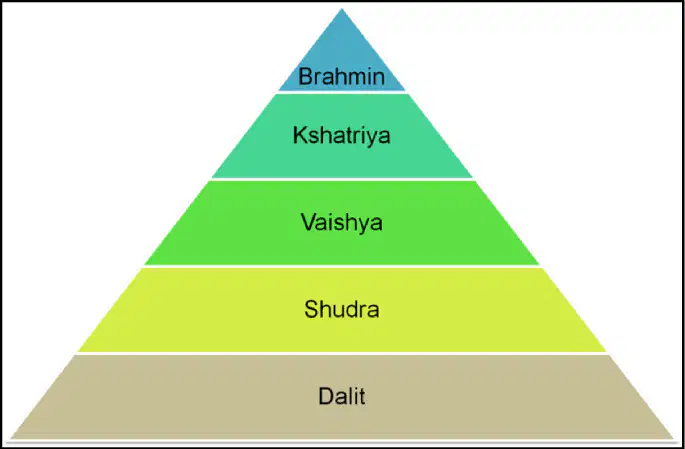
What jobs did Brahmans have? (Choose 2)
priests
rulers
merchants
scholars
servants
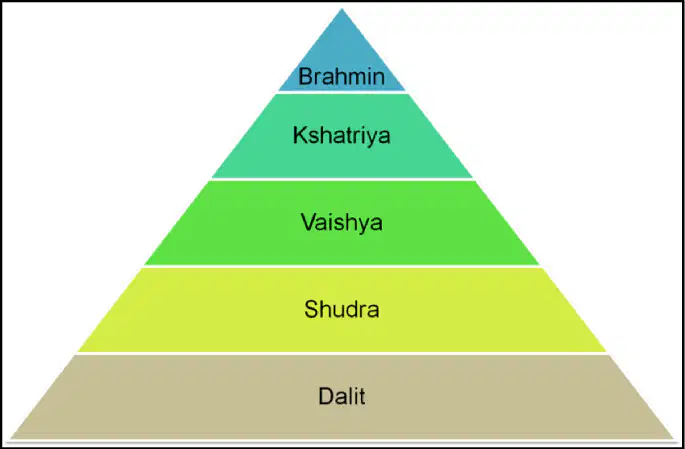
What jobs did Kshatriyas have? (Choose 2)
rulers
warriors
traders
peasants
farm owners
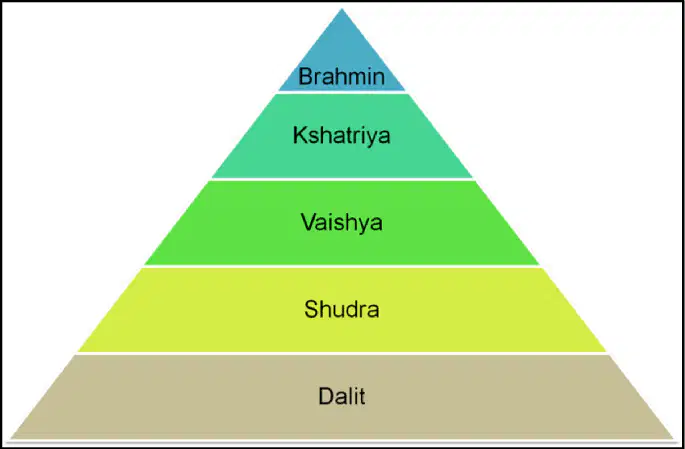
What jobs did Vaishyas have? (Choose 2)
priests
warriors
merchants
servants
farm owners
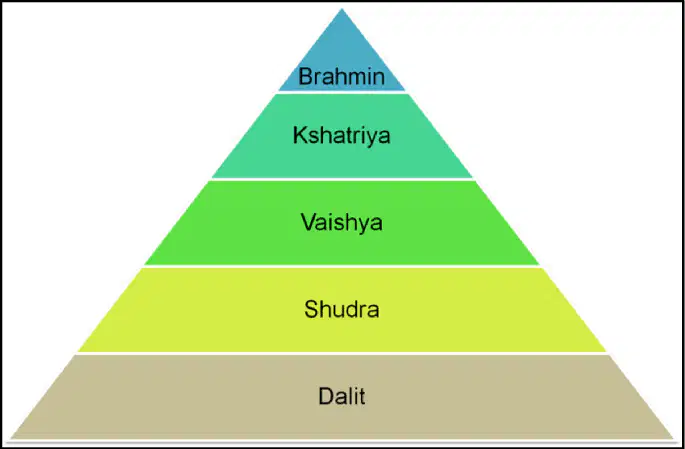
What jobs did Sudras have? (Choose 2)
scholars
warriors
farm owners
laborers
servants
Traditionally how could people reach a higher caste during their lifetime?
By getting a better education
By being trained in a better job
By becoming friends with someone in a higher caste
By marrying someone in a different caste
They could not reach a higher caste during their lifetime


1. One God
2. Justice & Righteousness
3. Observations of Religious & Moral Law
Sacraments : Christianity :: Five Pillars : ________
Islam
Judaism
Buddhism
Hinduism
One difference between Judaism and Christianity is...
Having a Sabbath day
Believing the first 5 books of the Bible
Belief in Jesus as the Messiah
Abraham as the father
Jesus rising from the dead is called the
Resurrection
Day of Atonement
Exodus
Christmas Story
Select the core beliefs of Judaism:
Monotheism
keeping the 10 commandments
weekly fasting
showing kindness to the poor and sick
Pray 5 times a day
What is the second Pillar of Islam
Shahada or the profession of faith, "There is no God but Allah and Muhammad is his prophet.
Prayer 5 x a day facing the Kaaba in Mecca
What is Zakat, the third Pillar of Islam?
Prayer 5 x a day
Giving a donation to the poor
What is Sawm, the fourth Pillar of Islam?
Prayer 5 x a day
Fasting (no eating or drinking) during the month of Ramadan
What is Hajj, the fifth Pillar of Islam?
Prayer 5 times a day
Pilgrimage or a special journey to Mecca at least once in a lifetime
The Pilgrimage of the Holy City of Mecca required in Islam
Hijab
Medina
Hajj
Ramadan
The 1st Pillar is Islam is Shahada. Shahada means:
Giving to the poor
Praying to many gods
Declaring the Faith "Allah is the only god and Muhammad was his prophet
Feeding the animal
The Second Pillar of Islam which means daily prayer
Hajj
Zakat
Salat
Shahada
The Third Pillar of Islam is charity what is the Arabic word
Shahada
Zakat
Siyam
Hajj
What is the Hajj
pilgrimage to Mecca
fasting
charity
prayer
What pillar is known as Shahadah?
Prayer
Giving alms (donations) to poor
Fasting
Declaration of faith
What pillar is known as Salat?
Fasting
Giving alms (donations) to poor
Prayer
Pilgrimage
What pillar is known as Zakat?
Pilgrimage
Giving alms (donations) to poor
Fasting
Declaration of faith
What pillar is known as Sawm?
Fasting
Declaration of faith
Giving alms (donations) to poor
Pilgrimage
What pillar is known as Hajj?
Fasting
Declaration of faith
Prayer
Pilgrimage
The _____ is the central mystery of our Catholic faith.
Great Commandment
liturgy
Blessed Trinity
Sign of the Cross
The Gospels reveal that God the Son became man and lived among us in the person of _____.
Father, Son, and Holy Spirit
God the Father
God the Holy Spirit
Jesus Christ

