
 Worksheets
Ancient Egypt Assessment
Total questions: 62
Worksheet time: 57mins

The city where the Great Pyramids are located:
Luxor
Alexandria
Giza
Cairo
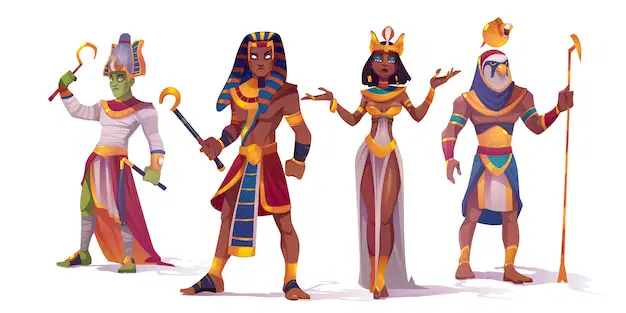
The belief in more than one god.
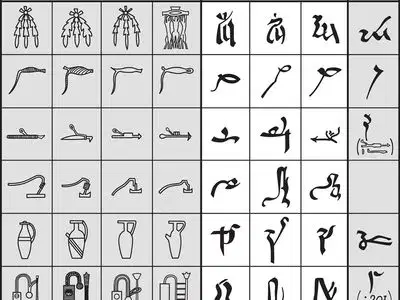
A simplified version of hieroglyphics that uses dashes and strokes to represent the pictures found in hieroglyphics.
English
Morse code
Braille
Hieratic Script

A mythical creature with the head of a human and the body of a lion.
Pyramid
Sphinx
Giza
Delta
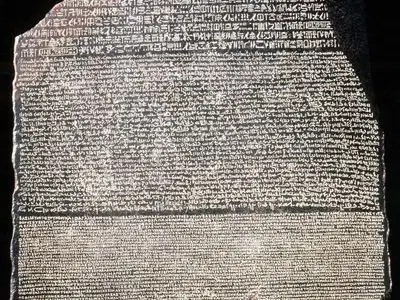
A stone inscribed in three languages that helped translate hieroglyphics.
Sphinx Stone
Rosetta Stone
Pyramid Stone
Nile Stone
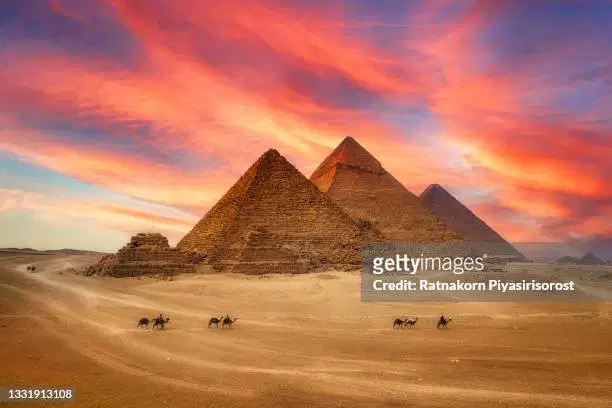
When the pyramids were originally built, they were covered with shiny white ______________________.
limestone
mud
granite
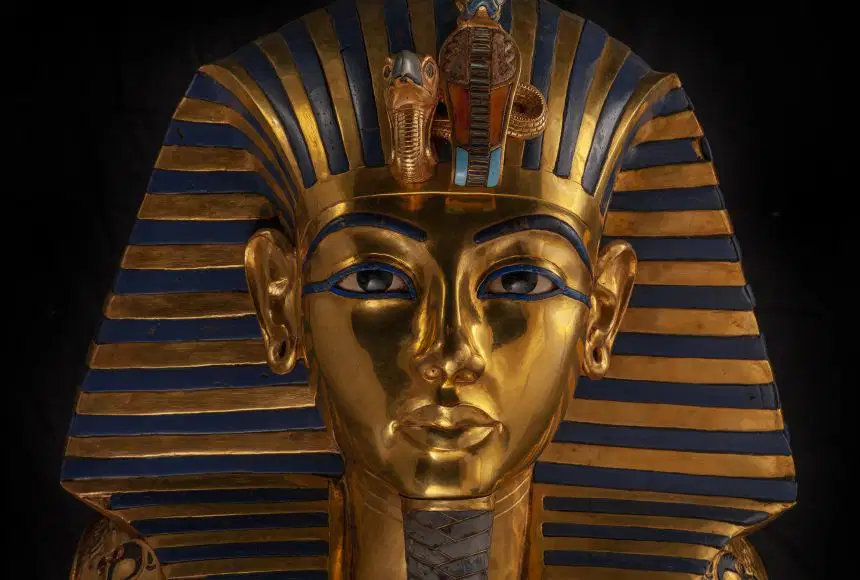
The ancient Egyptians believed in an afterlife.
True
False
What was the primary purpose of mummification in ancient Egypt?
To preserve the body for the afterlife
To display wealth and status
To create art
To prevent disease
Which river was crucial to the development of ancient Egyptian civilization?
Amazon
Tigris
Euphrates
Nile
What material was commonly used for writing in ancient Egypt?
Papyrus
Clay tablets
Wooden planks
Animal skins
Who were the rulers of ancient Egypt called?
pharaohs
sultans
kings
emperors
System of many government officials who carry out government rules and regulations.
Bureaucracy
Environmental
Tomb
Construct
Horse-drawn vehicle that Egyptians used in war.
chariot
shadoof
wagon
coach
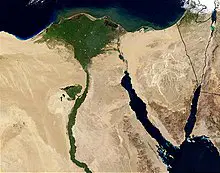
Triangle-shaped region formed when soil is deposited at the end of a river.
Cataract
Delta
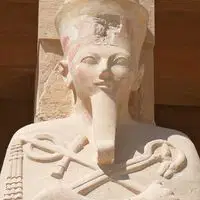
A female Pharaoh who ruled during the New Kingdom. It was a time of expansion and prosperity because she was an effective and powerful ruler.
Mrs. De Boer
Hatshepsut
Pharaoh
Cleopatra
A system of government ruled by religious leaders.
democracy
republic
theocracy
autocracy

Continent E is ________. Egypt is located on this continent.
North America
South America
Africa
Brazil
A family line that continuously rules.
civilization
dynasty
scribe

A large group of people who conquered and ruled southern Egypt for a century. They used war chariots and taught the Egyptians how to make bronze weapons and tools.
Hyksos
Fortnite default characters
Minions
Papyrus
What were the rulers of Ancient Egypt called?
Dictators
Pharaohs
Presidents
Barons
What is silt?
nutrient-rich soil found near rivers
desert sand
filtered drinking water
building material used to make Egyptian houses
What were the fertile lands on the banks of the Nile River? Villages developed along the banks of the river so they could farm.
red lands
green lands
black lands
The lands to the east and west of the Nile River were uninhabited, hot deserts.
black lands
red lands
green lands
The Egyptians believed each person had two bodies: a spiritual body and a physical one.
_____ is the spiritual body.
heart
spirit
Ka
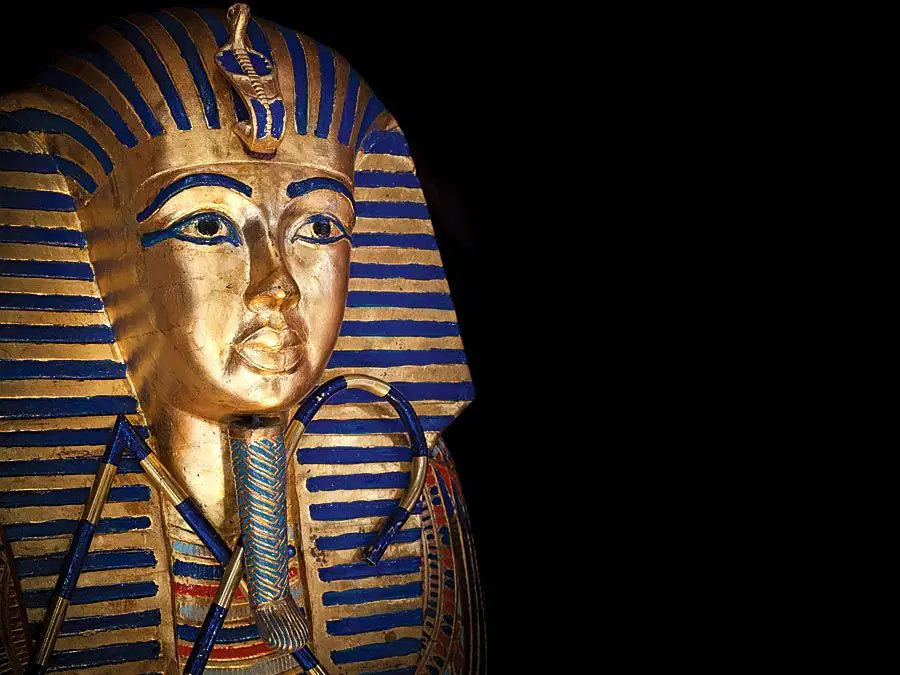
________ was the most famous pharaoh whose tomb was discovered in 1922.
Menes
King Tut/Tutankhamen
Pharaoh
Hatshepsut
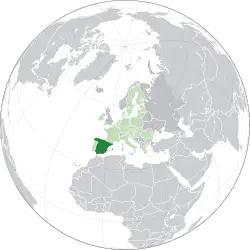
Which country is modern day Egypt?


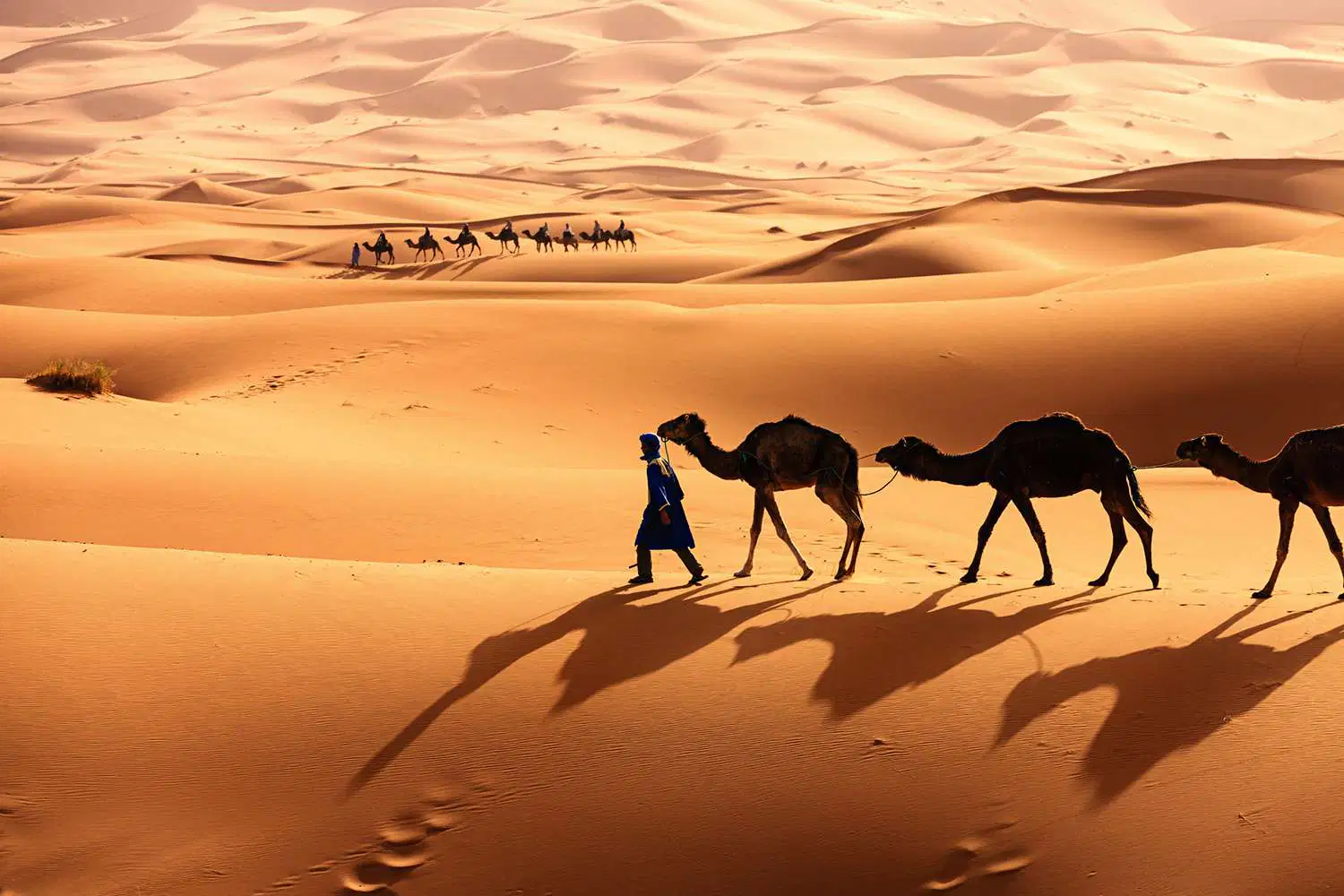
Which best describes the climate of ancient Egypt?
Cold and wet
Hot and dry
A rainy season followed by extreme cold
Which goods were commonly traded in ancient Egypt?
flax, papyrus, stone, and gold
silk, salt, and wool
diamonds and oil
What is a scribe?
A person in ancient times who was at the bottom of the social hierarchy.
A person in ancient times who could build ships.
A person in ancient times who could drive a chariot.
A person in ancient times who could read and write.
The organs of the mummified bodies were
buried.
put into canopic jars.
left in the body.
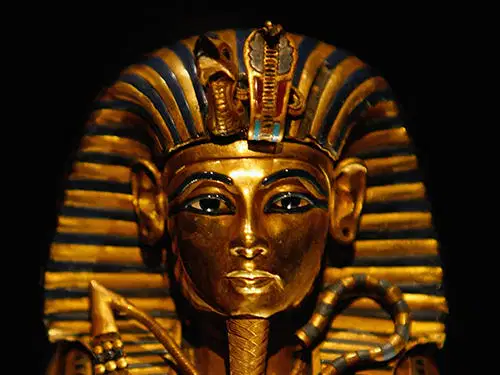
For what purpose were personal items placed in tombs?
To leave a gift to the gods.
To have the items in the afterlife.
To hide them from looters.
The root 'cracy' means:
government
father
society
home
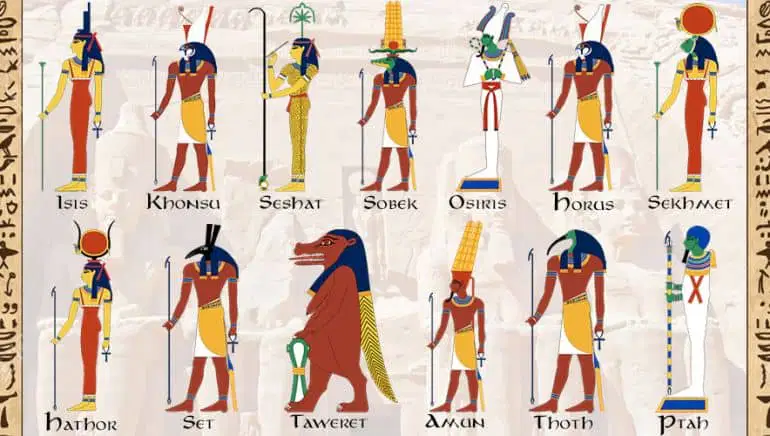
The root 'poly' means:
few
many
faith
hope
The root 'thea' means:
many
government
god or divine


Egyptians wrote in...
Cuneiform
Sanskrit
Hieroglyphs
Hieroglyphics
A person trained to write hieroglyphics who kept official records.
A. Rosetta Stone
B. Scribe
C. Pharaoh
D. Empire

The ancient Egyptians believed that their pharaohs were:
unfair and cruel
gods in human form
greedy and selfish
the best rulers in the whole wide world

A scientist who studies things left behind by people who lived long ago is called ______.
A planter
An Archaeologist
A scorpion

Which Egyptian boy pharaoh of the New Kingdom lived only to be 18 or 19 years old?
Ahmose I
Hatshepsut
Ramesses II
Tutankhamun (King Tut)

Name the civilization:
- Nile River
- Hieroglyphics
- Pyramids
Egypt
Mesopotamia/
Sumer
India
China

The important river in Egypt is called the _______.
Nile
Jordan
Tigris

What is the name of the river shown here?
(a)

The Nile River affected ancient Egyptian life by creating:
hot winds that blew across the land.
Lower and Upper Egypt.
rich farmland in the river valley.
a large desert.

This image is most closely associated with which civilization?
Mesopotamia
Egypt
India
China


A series of rulers from the same family is called a ________________.
Dojo
Monarchy
Tribe
Dynasty
Which early civilization had hereditary rulers known as pharaohs?
China
Mesopotamia
Egypt
Phoenicia
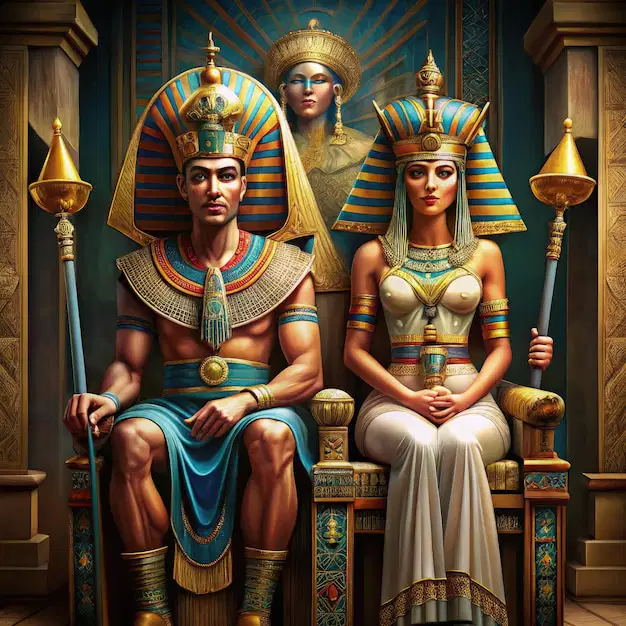
Instead of kings or queens, this ancient civilization was ruled by a pharaoh.
China
Mesopotamia
Mali
Egypt
Which Pharaoh was known as the Boy King?
Ramses II
Tutankhamun
Hatshepsut
Akhenaten
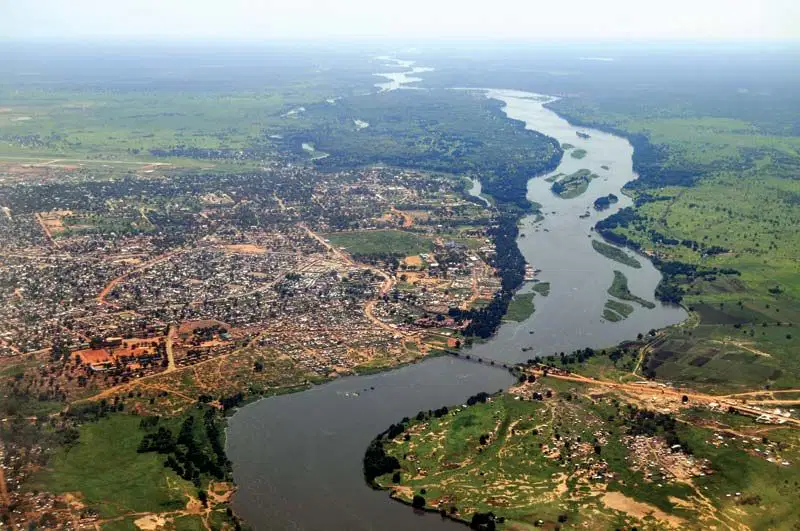
What was Egyptian Civilization called?
Land of Pyramids
Gift of Nile
King of Deserts
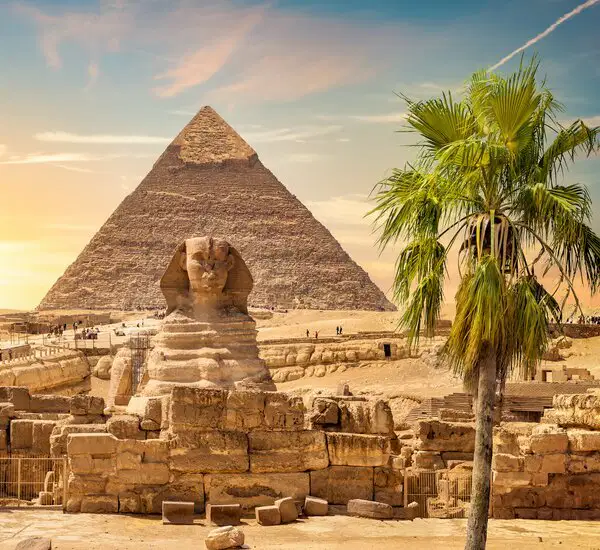

The first female pharaoh was
Egypt is on the continent of
(a)
The important river in Egypt is called the
(a)
Which pharaoh's tomb was found completely intact?
(a)
The first female pharaoh
(a)
Egyptians writing system
(a)
The root 'cracy' means
(a)
The Great Pyramids are located in the city
(a)
62-65.
Answer the questions below after watching the video
Approximately when was the Great Sphinx carved?
Around 1790 AD
Around 1400 BC
Around 2500 BC
Around 100 AD
What creature is the Great Sphinx depicted as?
A human head with a horse's body
A human head with a lion's body
A lion's head with a human body
A human head with wings
Who is the Great Sphinx believed to represent?
Pharaoh Khufu
A Roman Emperor
Pharaoh Khafre
Napoleon Bonaparte
What is the most likely explanation for the Great Sphinx's missing nose?
It fell off due to natural erosion over time.
Napoleon's troops shot it off with a cannon.
It was deliberately removed by chiseling.
Treasure hunters removed it while digging tunnels.

