
Font size
 Worksheets
Cell Organelles Quiz
Total questions: 20
Worksheet time: 17mins

Which of the following is NOT part of a cell membrane?
Cholesterol
Phospholipids
Proteins
Cytoplasm
What types of cells never have a cell wall?
Plant
Animal
Fungi
Prokaryotic cells
Plant cells contain (a) , which aid in photosynthesis.
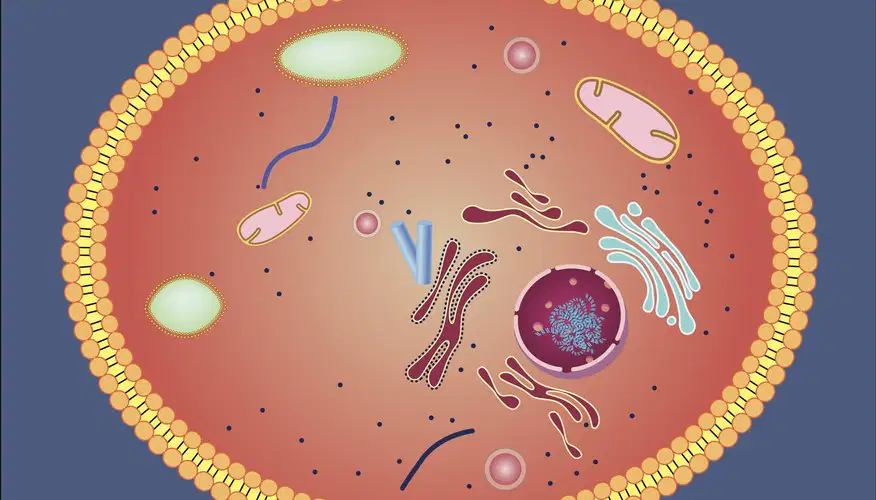
The semi-fluid material that suspends the organelles is known as the
Cytoskeleton
Cytoplasm
Nucleolus
Smooth ER
The (a) is made of microfilaments and microtubles.

What is the main function of the Golgi Apparatus?
Makes Proteins
Inspects and packages proteins
Makes Ribosomes
Site of Photosynthesis

What is produced by the mitochondria?
Glucose
Sucrose
ATP
DNA
The location of ribosome production.
Nucleolus
Rough ER
Smooth ER
Chloroplasts
What is the main function of the Nucleus?
Holds the DNA
Makes Ribosomes
Packages Proteins
Supports and Protects
Ribosomes are key to the production of (a) .
Nucleus
Golgi Apparatus
Rough ER
Ribosomes
Centrosomes
What organelle works with Ribosomes to transport proteins to the Golgi Apparatus?
Smooth ER
Rough ER
Chloroplasts
Cell Membrane
What is the main function of the Smooth ER?
Makes Ribosomes
The highway of the cell
Contains enzymes that perform cell functions
Powerhouse of the cell
What do plants normally store in their large central vacuole?
Lipids
Water
Oxygen Gas
Chloroplasts

Which of the following is an example of passive transport?
Diffusion
Facilitated Diffusion
Both are Passive
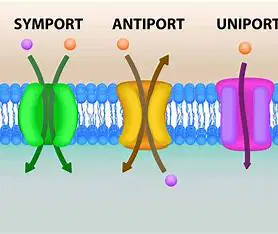
What is the difference between active and passive transport?
Passive transport requires energy.
Active transport requires energy.
Only active transport uses proteins.
Only passive transport uses proteins.
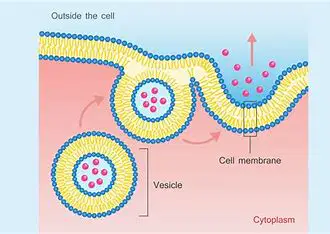
This picture is an example of
Exocytosis
Endocytosis
Passive Transport
Facilitated difussion
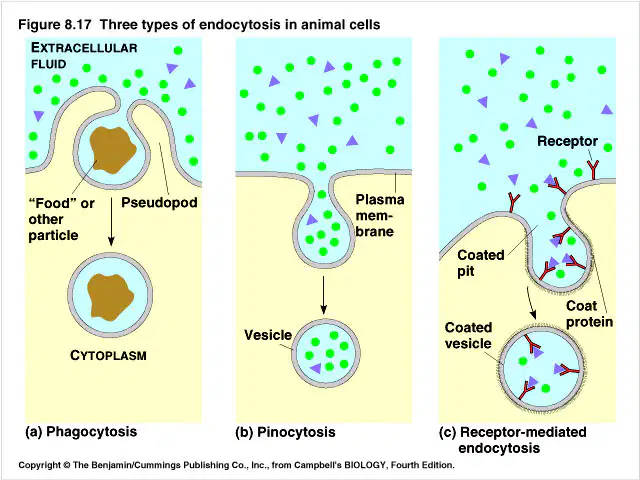
The 3 pictures are all examples of
Exocytosis
Endocytosis
Passive Transport
Photosynthesis
Match the following
PHOSPHOLIPIDS
CELL MEMBRANE
PROTEINS
RIBOSOMES
DNA
NUCLEUS
RIBOSOMES
NUCLEOLUS
CHLOROPLASTS
PHOTOSYNTHESIS

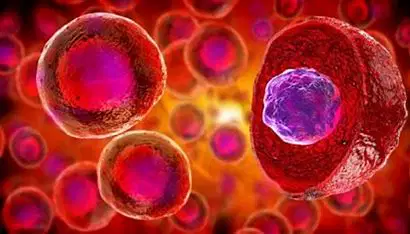
Which cell is eukaryotic?
Left
Right

