
 Worksheets
TEST: IONIC & COVALENT BONDING; POLARITY; SHAPES
Total questions: 35
Worksheet time: 29mins
Name
Class
Date
1.
Are the atoms more stable when they are bonded together or when they are apart?
a)
Bonded Together
b)
Apart
2.
Ionic Bonding involves...
a)
The transfer of protons
b)
The transfer of nuetrons
c)
The transfer of electrons
d)
None Of the above
3.
What usually forms the positive ion?
a)
Metal
b)
Non Metals
c)
None
4.
What usually forms the negative ion?
a)
nonmetals
b)
metal
c)
none
5.
Covalent compounds
a)
Share electrons
b)
transfer electrons
c)
contain a sea of electrons
d)
conduct electricity
6.
What two types of atoms make a covalent bond?
a)
2 Nonmetals
b)
1 Nonmetal and 1 Metal
c)
2 Metals
d)
2 Noble Gases
7.
What happens when an atom loses an electron?
a)
Neutral (no charge)
b)
Positive charge
c)
Negative charge
8.
What happens when an atom gain an electron?
a)
Neutral(no charge)
b)
Positive charge
c)
Negative charge
9.

What elements generally make an ionic bond?
a)
metal and nonmetal
b)
2 or more nonmetals
c)
metal
d)
none of the above
10.

What elements generally make a covalent bond?
a)
metal and nonmetal
b)
2 or more nonmetals
c)
metal
d)
none of the above
11.
Predict the bond that will form between Be and F.
a)
Ionic
b)
Covalent
12.
Predict the bond that will form between Se and Cl.
a)
Ionic
b)
Covalent
13.
Predict the bond that will form between Sr and S.
a)
Ionic
b)
Covalent
14.

Which of these is covalent?
a)
NaCl
b)
Pb(NO3)2
c)
CO2
d)
AlCl3
15.

What type of bond is this?
a)
ionic
b)
covalent
16.
H2O
a)
Ionic Bond
b)
Covalent Bond
c)
Both bonds
d)
Neither bond
17.
LiF
a)
Ionic Bond
b)
Covalent Bond
c)
Both bonds
d)
Neither bond
18.
MgBr2
a)
Ionic Bond
b)
Covalent Bond
c)
Both bonds
d)
Neither bond
19.
What is the VSEPR theory used to predict?
a)
Bond Strength
b)
Polarity
c)
Molecular Shape
d)
Electronegativity
20.
According to VSEPR, molecules adjust their shapes to keep which of the following as far away as possible?
a)
Pairs of valence electrons
b)
Inner shell electrons
c)
Mobile Electrons
d)
Electrons closest to the nucleus
21.
Which of the following molecular shapes would have a bond angle of 180 Degrees?
a)
Bent
b)
Trigonal Planar
c)
Tetrahedral
d)
Linear
22.

Which molecule would have this shape?
a)
BF3
b)
CH4
c)
PCl5
d)
CO2
23.
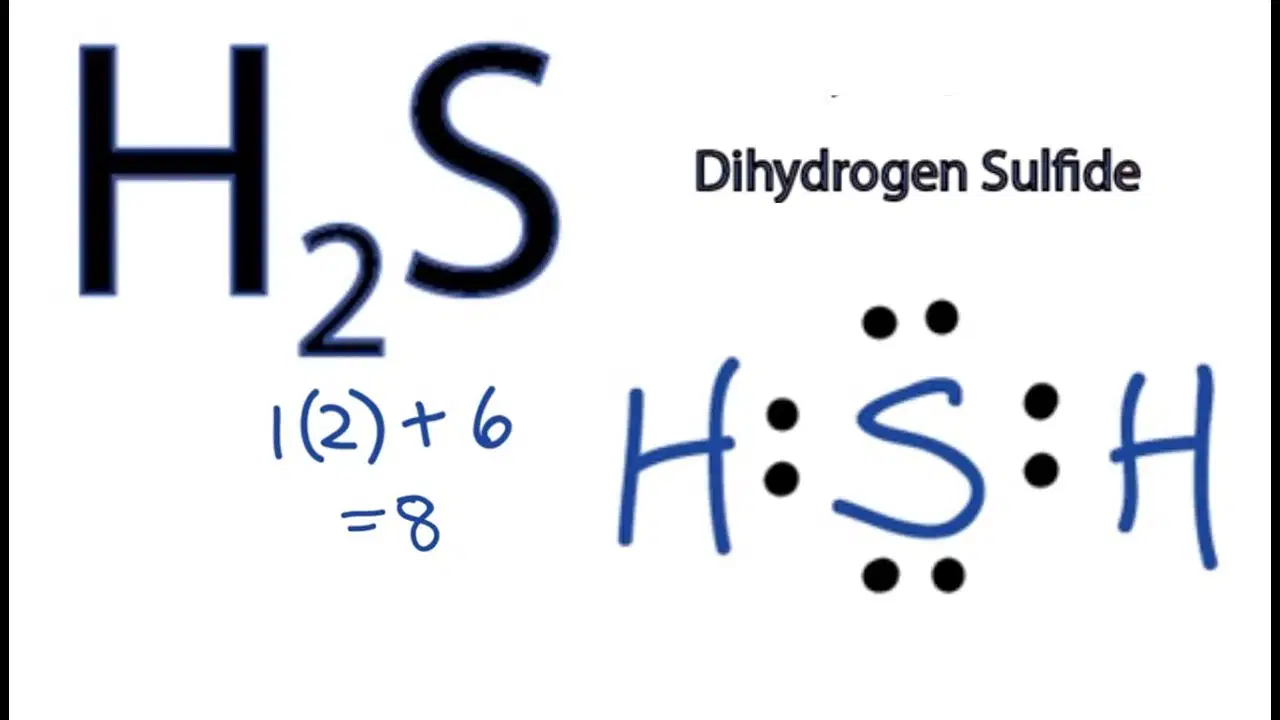
What geometry will this molecular structure have?: H2S
a)
bent
b)
tetrahedral
c)
linear
d)
trigonal pyramidal
24.

Which molecule could this be?
a)
H2O
b)
CO2
c)
NH3
d)
CH4
25.
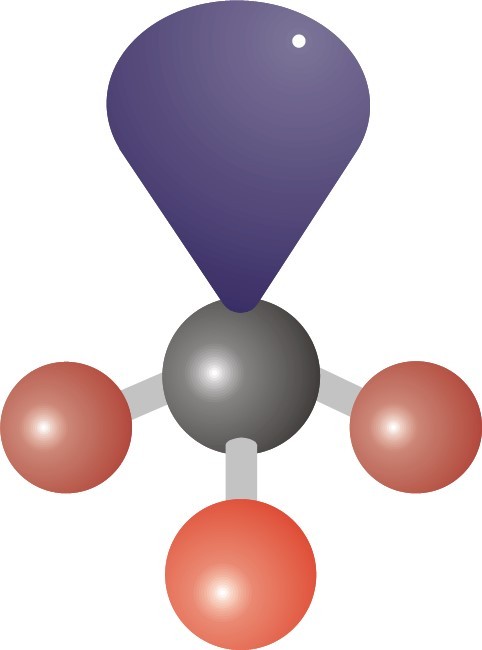
Who could this be?
a)
H2O
b)
NH3
c)
CO2
d)
CH4
26.
What do the dots in a Lewis dot structure represent?
a)
Molecules.
b)
Protons
c)
Valence electrons.
d)
Atoms
27.
How do atoms complete the octet rule?
a)
They lose or gain protons
b)
They lose or gain electrons in the outermost level
c)
They lose or gain neutrons
d)
They lose of gain electrons from the innermost level
28.

Is this molecule polar or non-polar?
a)
POLAR
b)
NONPOLAR
29.

Is this molecule polar or non-polar?
a)
POLAR
b)
NONPOLAR
30.

Is this molecule polar or non-polar?
a)
POLAR
b)
NONPOLAR
31.
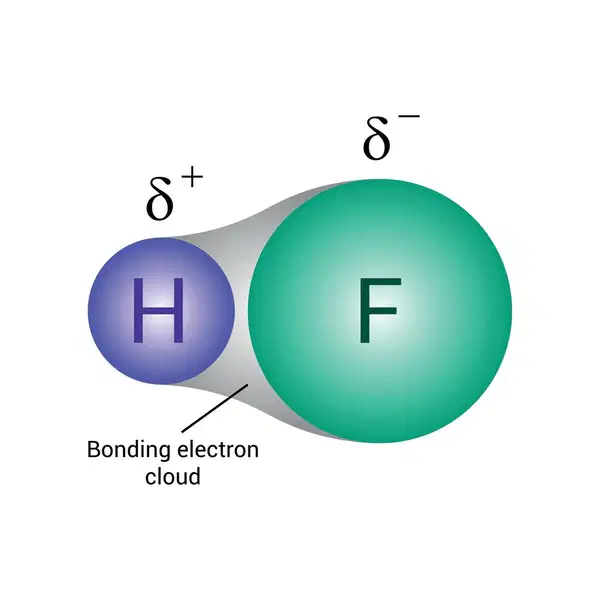
In this Lewis structure, the symbol above F means...
a)
electrons are being transferred to Fluorine
b)
electrons are less attracted to F than H
c)
electrons are more attracted to F than H
d)
Fluorine has formed a cation
32.

This is an example of a __________ bond.
a)
non-polar covalent
b)
polar covalent
c)
ionic
d)
metallic
33.

What geometry will this molecular structure have?: CCl4
a)
bent
b)
tetrahedral
c)
linear
d)
trigonal pyramidal
34.
A POSITIVELY CHARGED ION IS CALLED...
a)
ANION
b)
CATION
c)
ION
d)
NONE OF THE ABOVE
35.
A NEGATIVELY CHARGED ION IS CALLED...
a)
ANION
b)
CATION
c)
ION
d)
NONE OF THE ABOVE
100 %

