
 Worksheets
Principles of Design in Arts
Total questions: 15
Worksheet time: 5mins
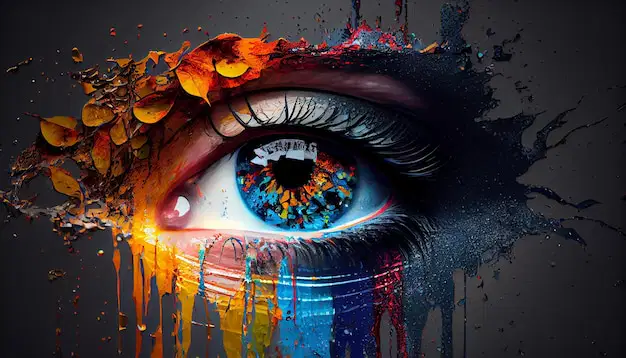
What is balance in art and how is it achieved?
Balance in art refers to the distribution of visual weight in a composition. It can be achieved through symmetrical, asymmetrical, or radial balance.
Balance in art is achieved by placing all the elements on one side of the composition
Balance in art is achieved by making the composition very busy and cluttered
Balance in art is achieved by using only warm colors
Give an example of a painting that demonstrates RHYTHM in art.
The Last Supper by Leonardo da Vinci
Mona Lisa by Leonardo da Vinci
The Scream by Edvard Munch
Starry Night by Vincent van Gogh
Explain the concept of unity in art and its importance in creating a cohesive artwork.
Unity in art refers to the harmonious arrangement of elements in a work of art, creating a sense of oneness and coherence. It is important in creating cohesive artwork as it helps to bring together different elements and create a sense of balance and completeness in the composition.
Unity in art refers to the separation and isolation of elements in a work of art
Unity in art has no importance and does not affect the overall artwork
Unity in art is about creating chaos and disorder in a work of art
What role does pattern play in art and how does it contribute to the overall composition?
Pattern has no impact on art composition
Pattern in art can create rhythm, movement, and visual interest. It contributes to the overall composition by adding structure, unity, and balance to the artwork.
Pattern is irrelevant in art
Pattern only creates chaos in art
Describe the difference between symmetrical and asymmetrical balance in art.
Symmetrical balance is when the elements are arranged equally but not on either side of a central axis
Symmetrical balance is when the elements are arranged randomly with no central axis
Symmetrical balance is when the elements of a composition are arranged equally on either side of a central axis, while asymmetrical balance is when the elements are not arranged equally but still achieve a sense of balance through other means such as contrast, color, or texture.
Asymmetrical balance is when the elements are arranged equally on either side of a central axis
How can an artist create emphasis in a drawing or painting?
An artist can create emphasis by using contrast, color, size, and placement of objects in the composition.
By placing objects randomly with no consideration for composition
By making all objects the same size and shape
By using only one color throughout the entire composition
Discuss the use of repetition in creating unity in an artwork.
Repetition in art creates unity by reinforcing visual elements and creating a sense of rhythm and harmony.
Repetition in art has no impact on unity and only serves to confuse the viewer.
Repetition in art creates chaos and disunity by overwhelming the viewer with too much information.
Repetition in art creates a sense of randomness and lack of cohesion, leading to a disjointed artwork.
Explain how an artist can convey movement in a sculpture.
By using only rigid and static poses in the sculpture
An artist can convey movement in a sculpture by using dynamic poses, flowing lines, and creating a sense of energy and motion within the artwork.
By incorporating straight and rigid lines in the artwork
By making the sculpture appear heavy and immobile
What are the different types of patterns commonly used in art?
The different types of patterns commonly used in art include geometric patterns, organic patterns, and abstract patterns.
Striped patterns
Emotional patterns
Musical patterns
Why is emphasis important in creating a focal point in a piece of art?
it directs the viewer's attention and creates visual interest.
Focal points are not necessary in art
Creating visual interest is not a goal in art
Emphasis is not important in creating a focal point in a piece of art
Give an example of a painting that effectively uses BALANCE in an art.
Starry Night by Vincent van Gogh
Mona Lisa by Leonardo da Vinci
The Scream by Edvard Munch
The Last Supper by Leonardo da Vinci
Discuss the use of lines and shapes in creating movement in art.
Lines and shapes in art have no impact on creating movement
Movement in art is only achieved through color and texture
Lines and shapes in art are only used for creating stillness
Lines and shapes can create movement in art by directing the viewer's eye and creating a sense of flow and energy within the composition.
How can an artist create a sense of rhythm through pattern in their artwork?
By creating a chaotic and disorganized pattern in the artwork
By using only random and unrelated elements in the artwork
By repeating certain elements or motifs in a consistent manner throughout the artwork.
By avoiding any repetition of elements in the artwork
What principle of art creates visual diversity?
Pattern
Rhythm
Variety
Unity

Guess the Color
Blue
Green
Red

