
 Worksheets
Computer Architecture Quiz
Total questions: 10
Worksheet time: 5mins

What does the architecture of a 32 or 64-bit system refer to?
The size of the hard drive
The type of processor
The speed of the internet connection
The way the operating system manages memory
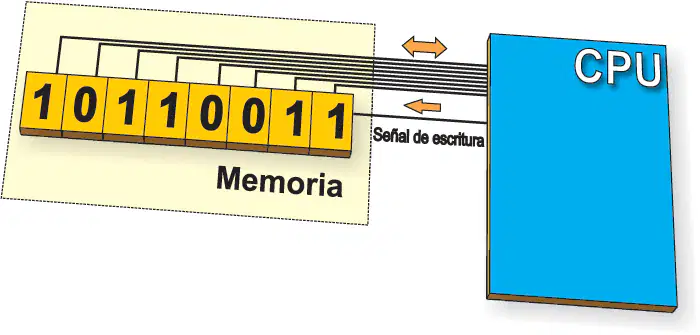
What is a memory address?
A number that identifies a specific location in the computer's memory
A code used to access the BIOS
A software for managing files
A type of computer virus
What is the main difference between 32 bits and 64 bits?
The color depth of the display
The size of the memory addresses they can use
The number of USB ports supported
The type of keyboard required

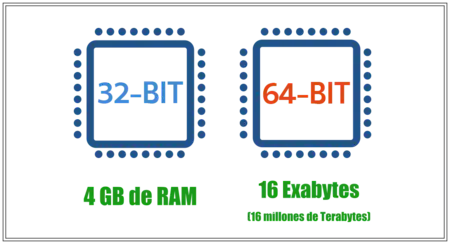
What is the need for a 64-bit architecture?
To limit the number of applications that can be installed
To make the computer run slower
To access more memory
To reduce the security of the system
Examples of 32-bit operating systems include:
Ubuntu, Fedora, CentOS
iOS, Android, Windows Phone
Windows XP, Windows Vista, Windows 7, macOS Mojave
Windows 10, macOS Catalina, Linux Mint 20.0

What are the advantages of a 64-bit architecture?
Inability to run modern applications
Access to more memory, better performance, and increased security
Slower performance
Limited memory access

Disadvantages of a 32-bit architecture include:
Slower performance, limited memory access, and reduced security
Inability to run modern applications
Access to more memory, better performance, and increased security
Limited memory access, reduced performance, and decreased security

What is the advantage of using a 64-bit architecture?
Access to more memory, better performance, and increased security
Slower performance
Limited memory access
Inability to run modern applications
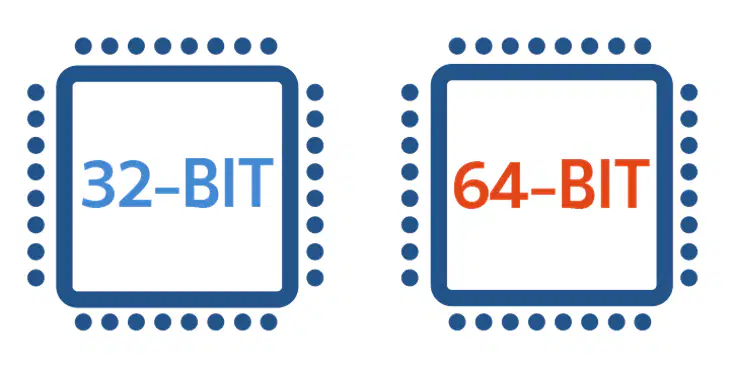
What is the primary difference between 32-bit and 64-bit systems?
The size of the hard drive
The type of processor
The speed of the internet connection
The way the operating system manages memory
What are the drawbacks of a 32-bit architecture?
Slower performance, limited memory access, and reduced security
Inability to run modern applications
Access to more memory, better performance, and increased security
Limited memory access, reduced performance, and decreased security

