
 Worksheets
Heartland A&P The Brain
Total questions: 25
Worksheet time: 13mins
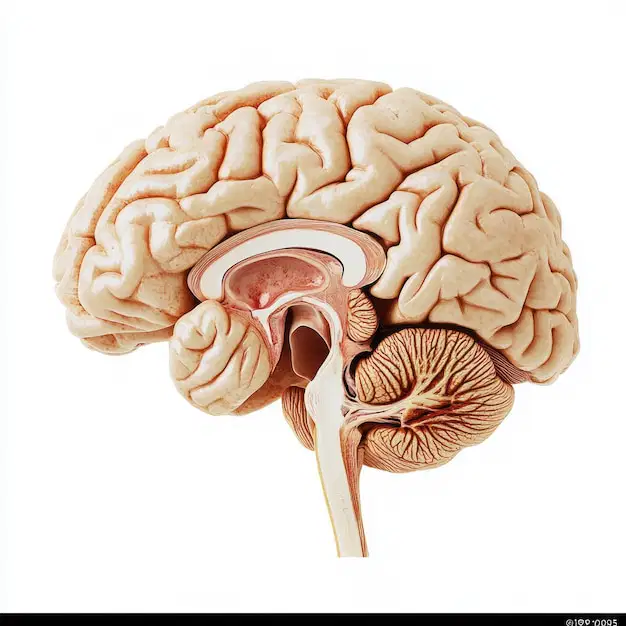
What is the largest part of the brain?
cerebellum
thalamus
medulla oblongata
cerebrum
Diencephalon
Which lobe of the cerebrum is responsible for processing visual information?
Frontal lobe
Parietal lobe
Temporal lobe
Occipital lobe
Insula
What is the function of the cerebellum?
to coordinate voluntary movements, maintain posture, and balance.
helps in the production of red blood cells.
controls the sense of taste.
responsible for regulating body temperature.
Which part of the brain is responsible for regulating basic bodily functions such as breathing and heart rate?
The occipital lobe
The frontal lobe
The cerebellum
The medulla oblongata.
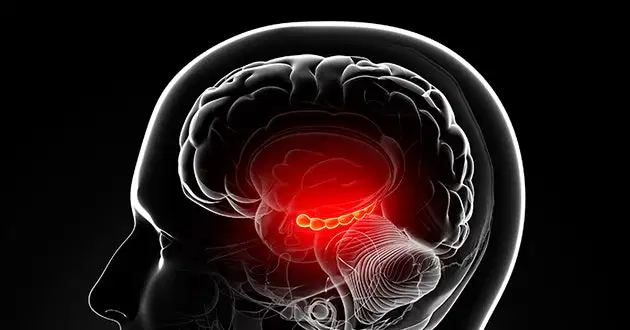
What is the function of this area highlighted?
to aid in the formation of new memories and spatial navigation.
to regulate heart rate and blood pressure.
to produce insulin.
to control muscle movement.
to have executive reasoning
Which part of the brain is responsible for decision-making and problem-solving?
cerebellum
occipital lobe
medulla oblongata
prefrontal cortex
What is the function of the amygdala?
to process emotions, particularly fear and aggression.
involved in memory formation.
controls motor functions.
responsible for regulating body temperature.
Which part of the brain is responsible for processing auditory information?
cerebellum
occipital lobe
temporal lobe
prefrontal cortex
What is the function of the hypothalamus?
responsible for producing insulin.
relays sensory information
regulates central endocrine and autonomic functions
regulates the body's sleep-wake cycle.
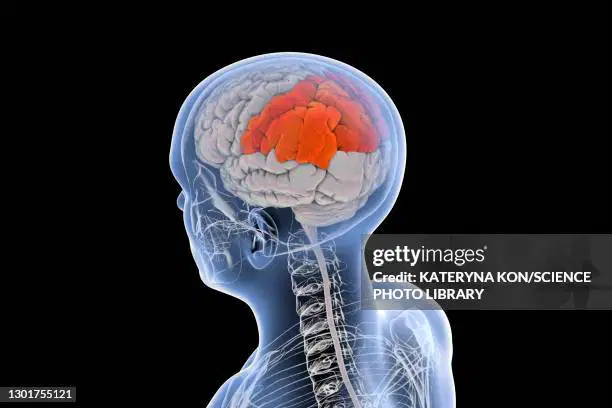
Which part of the brain is responsible for
processing somato-sensory information?
Parietal lobe
medulla oblongata
cerebellum
thalamus
Temporal lobe
The motor center is located at the (a) lobe of cerebrum.
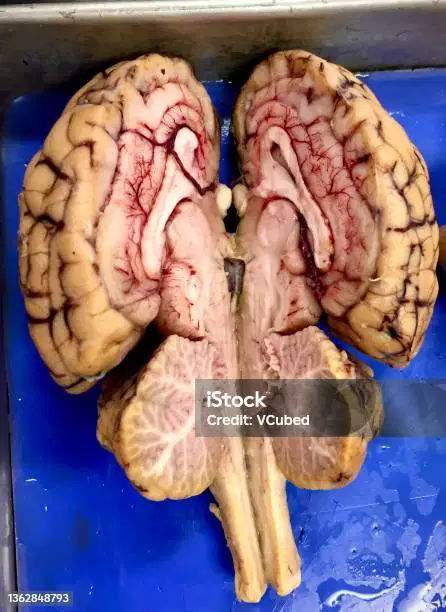
This cut is
Frontal
Midsagittal
Transverse
Oblique
The location of gray and white matter in the brain and the spinal cord is the same.
True
Gray matter is only found in the brain
White matter is denser than gray matter
False
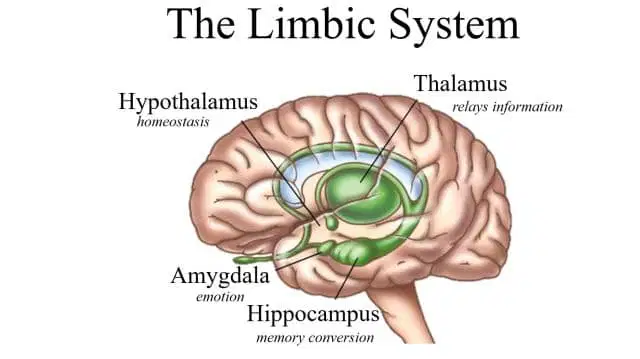
Which of the following doesn’t belong
to the Limbic system?
Select all that apply.
Hypothalamus
Medulla Oblongata
Cerebrum
Thalamus
Hippocampus
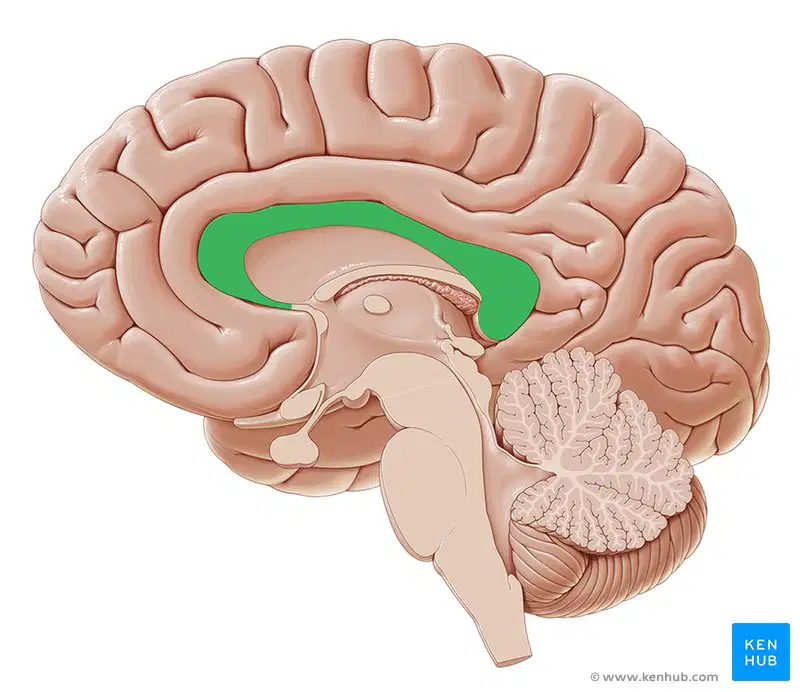
What is the function of this area?
The function of this area is primarily for visual processing.
This area is responsible for motor coordination.
The function of this area is related to language comprehension.
The function of this area is to connect both hemispheres

If a head injury results in someone no longer being able to hear, which part of the brain may have been damaged?
temporal lobe
occipital lobe
parietal lobe
frontal lobe

Controls motivational behaviors, including: feeding, fight-flight response
Hippocampus
Amygdala
Reticular Formation
Hypothalamus


What is the gap, or space, between two neurons called?
Axon
Dendrite
Synapse
Myelin Sheath

Which of the following allows messages to go between hemispheres of the brain?
diencephalon
corpus collosum
cerebrospinal fluid
meninges

Name the lobe that appears yellow in this image.
Frontal
Parietal
Temporal
Occipital
Which structure in the brainstem is primarily responsible for relaying messages between the brain and the spinal cord?
Medulla oblongata
Hippocampus
Thalamus
Corpus callosum
What is the main function of the parietal lobe?
Integrating sensory information from various parts of the body
Processing auditory information
Regulating balance and coordination
Controlling voluntary muscle movements
Which part of a neuron receives incoming signals from other neurons?
Myelin sheath
Dendrite
Axon
Node of Ranvier

This portion of the brain helps you coordinate your body movements.
Cerebellum
Frontal lobe
brain stem
Amygdala

