
 Worksheets
C5: ALTERNATIVES TO CONVENTIONAL CONCRETE
Total questions: 15
Worksheet time: 10mins
Reinforced cement concrete is extensively used in the construction industry ranging from small structural elements such as beams and columns to massive structures like dams and bridges.
What is reinforced cement concrete?
A form of non ferrous steel composite
The bond between steel and the surrounding concrete ensures strain compatibility.
Explain other benefits of RCC (choose 2 answers).
potential of resisting significant tensile stress
To impart ductility to the composite material
RCC is a composite material made up of cement concrete and reinforcement in which both are resist to varies stress, such as .................. (choose 3 answer)
compression
bending
shear
tension
torsional
RCC is a type of concrete that uses reinforcing fibers to improve the strength and stability of the concrete. Explain how the fibers are applied in RCC
Fibers is place on the first layer concrete before the final concrete is pour upon the first layer
Big size fibers increase the gravity of the concrete. Thus resulting to heavier concrete structural.
Varies size of fibers are placed only at the column to tie the vertical structure so that loads are distributed to footings
Fibers are woven in to the concrete, and they help to distribute pressure and stress throughout the material
Cement concrete are commonly used for structure in normal environmental condition.
However, alternative to the conventional concrete is highly demand.
Choose 3 correct reason to comply the alternative concrete application.
Reducing carbon emissions
better mechanical properties
increase durability
light weight
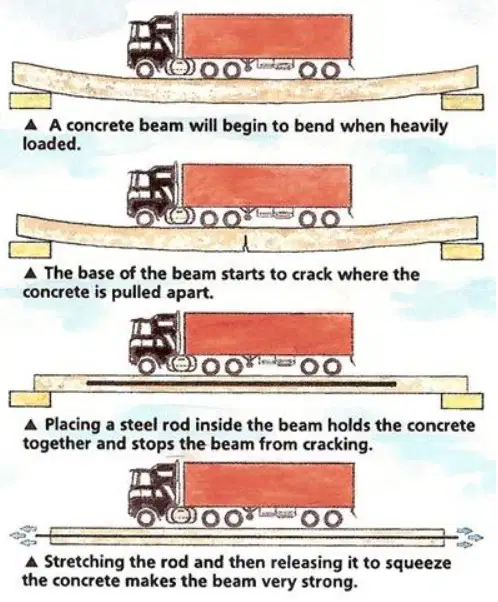
Chose the correct definition of pre-stressed concrete.
no-slump concrete that is compacted with heavy equipment
a composite material, having the potential of resisting significant tensile stresses.
a highly flow-able concrete that can spread into place or fill in the form-work,
concrete with stresses of suitable magnitude that distribute to counteract in a desired degree
Choose 3 types of reinforcement bar used in pre-stress concrete.


The pre-stress concrete are basically form to resist stresses from external loads.
Gives two (2) result from the application of pre-stress concrete.
allow for flexible bending
enable for thin concrete floor
advantage for tensile stress
reduce shrinkage cracks

What is stage no.3 in the pre-tensioning process?
tension the cables
cast and cure concrete with duct
tension wire cut to force concrete in compression
anchor off the cables
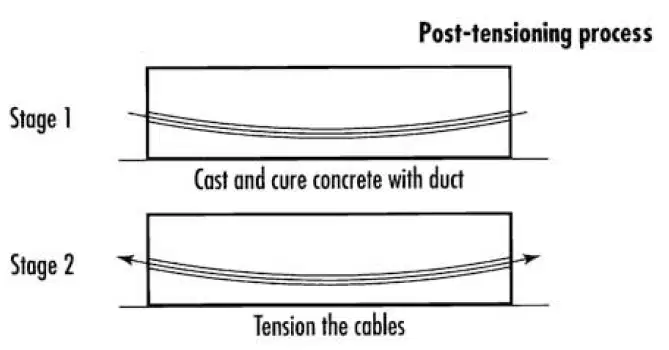
what is stage no.3 of this post-tensioning process?
put out the cable
anchor off cable & grout up
tighten cable and pour concrete
release cables and transport to site
Choose two (2) correct facts about Light Weight Concrete
produce with concrete retarder
produced by replacing coarse aggregate with porous or cellular aggregate.
reduce the building loads
Compressive strength of 17Mpa
Choose the correct answer for LWC properties (select 2 answers)
offers economies of construction
enhanced thermal insulation
smooth surface for plastering
uses coarse aggregates
Which one is the aerated concrete of LWC?
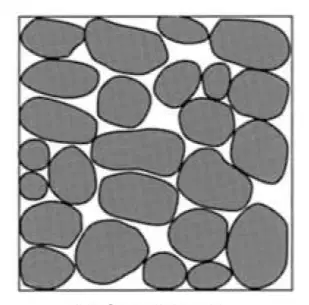
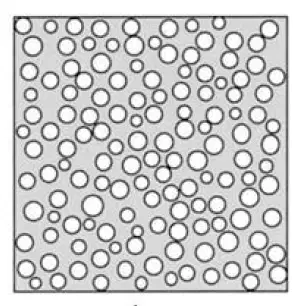
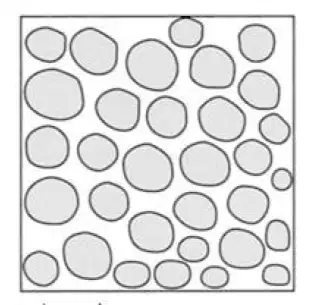
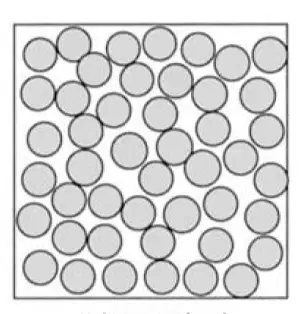
Choose 2 characteristics of LWC.
high strength/unit weight ratio with the lowest cost of concrete.
Fire resistance is excellent.
density of LWC varies from 300–1000 kg/m2
effective for sound insulation
Select two (2) advantages of LWC.
resist to bending stress
superior resistance of shear elements to earthquake loading
lower handling transportation
reusable

