wayground logo

Free Printable Worksheets

Font size

S
M
L
XL
Worksheets

Slavery, Colonies and Rebellion

Total questions: 16

Worksheet time: 5mins

Name
Class
Date
1.

What was the Middle Passage?

a)
The Middle Passage was the stage of the triangular trade in which millions of Africans were forcibly transported across the Atlantic Ocean to the Americas as part of the Atlantic slave trade.
b)
The Middle Passage was a trade route between Europe and Asia.
c)
The Middle Passage was a military conflict between African tribes during the colonial era.
d)
The Middle Passage was a term used to describe the journey of European explorers to the New World.
2.

What part of Africa did most people get kidnapped from?

a)
West Africa
b)
East Africa
c)
South Africa
d)
North Africa
3.

How many American colonies were there?

a)
20
b)
13
c)
10
d)
15
4.

What was the New England Colonies' primary source of money?

a)
Agriculture
b)
Fishing
c)
Trade
d)
Mining
5.

What was the southern colonies' main source of income?

a)
Fishing
b)
Manufacturing
c)
Mining
d)
Agriculture
6.

During the Enlightenment Movement _______ &_______ challenged ideas based on

tradition & Faith

a)
reason and science
b)
logic and philosophy
c)
rationality and skepticism
d)
knowledge and evidence
7.

What new idea was brought up during the Enlightenment movement?

a)
Isolationism and the power of emotion
b)

all people are equal and deserve rights

c)
Conformity and the power of tradition
d)
Collectivism and the power of faith
8.

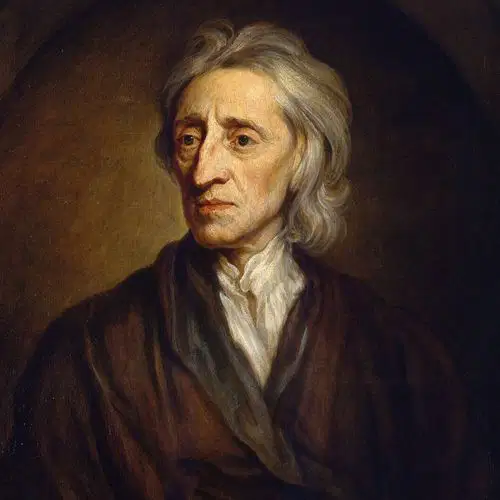
According the John Locke, what is the purpose of the government?

a)
To control and manipulate its citizens
b)
To enforce strict laws and regulations
c)
To promote economic growth and prosperity
d)
To protect the natural rights of its citizens
9.

What are the 3 Natural Rights?

a)
life, liberty, and property
b)
money, power, and fame
c)
happiness, health, and education
d)
freedom, justice, and equality
10.

According to John Locke, what do people have the moral obligation to do?

(a)  
11.

What did the Townshend Acts require the colonist to do?

a)
Boycott British goods
b)
Declare independence from Britain
c)
Join the British army
d)
Pay taxes on imported goods
12.

The Proclamation of 1763 prevented the colonist from moving (a)  

13.

According to the Quartering Act, what did the colonist have to provide the British Soldiers with?
a)
Food and clothing
b)
Weapons and ammunition
c)
Transportation and supplies
d)
Housing and basic necessities
14.

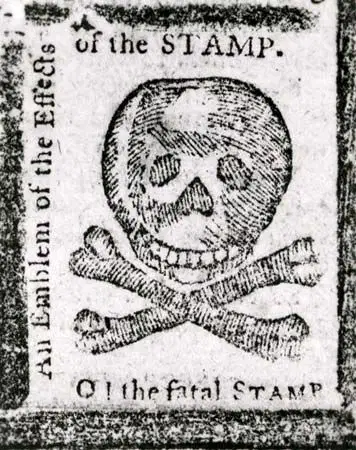
What did the colonists do to protest the Stamp Act?

a)
Signed petitions, wrote letters to the British government, and held town meetings
b)
Boycotted British goods, organized protests and demonstrations, and formed secret societies
c)
Engaged in armed rebellion, attacked British officials, and declared independence
d)
Paid the taxes without protest, accepted the Stamp Act, and supported British rule
15.

What does boycott mean?

a)
To actively participate in something
b)
To ignore or overlook something
c)
To refuse to buy, use, or participate in something as a way of protesting or expressing disapproval.
d)
To support and promote something
16.

Why did the Boston Massacre happen?

a)
Tensions between British soldiers and colonists in Boston
b)
To protest against high taxes on tea
c)
To celebrate the arrival of spring
d)
To welcome a new governor appointed by the British Crown