
 Worksheets
Earth structure, earthquakes and volcanoes MSM
Total questions: 50
Worksheet time: 30mins

What are the four major layers of the Earth in order from top to bottom?
Inner core, outer core, mantle, and crust
Inner core, outer core, mantle, and lithosphere
Lithosphere, asthenosphere, mantle, and crust
Crust, mantle, outer core, and inner core
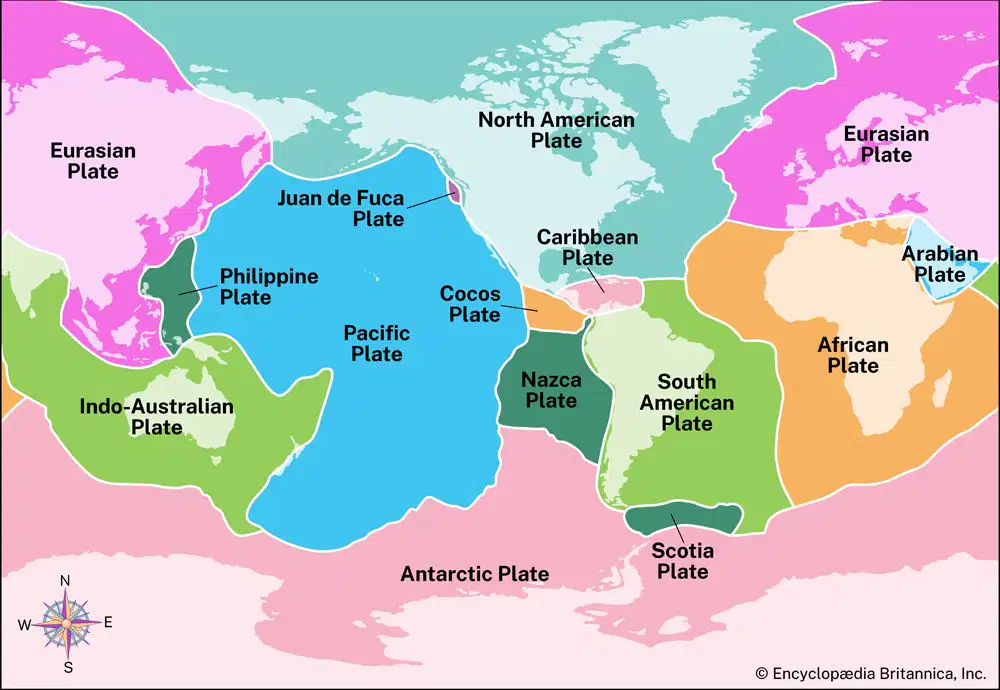
How many tectonic plates are there?
5
10
15
20
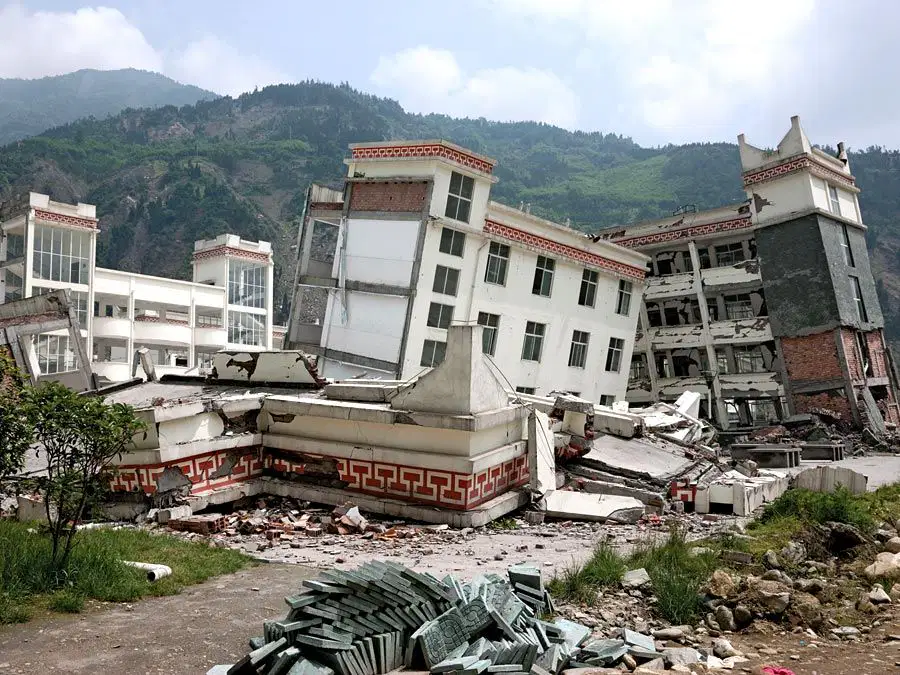
What causes an earthquake?
Movement of tectonic plates
Volcanic eruptions
Avalanches
Tsunamis
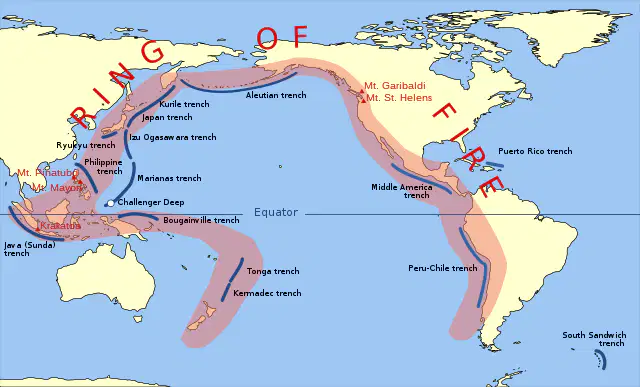
Where do nearly 90% of all earthquakes begin?
Atlantic Ocean
Indian Ocean
Pacific Ocean
Arctic Ocean
What is the location of an earthquake on the Earth's surface called?
Hypocenter
Epicenter
Seismograph
Faultline
What is the name of the instrument that scientists use to measure the intensity of an earthquake?
Richter scale
Seismometer
Magnitude
Epicenter
What is the name of the scale used to measure the magnitude of an earthquake?
Richter scale
Beaufort scale
Fujita scale
Saffir-Simpson scale
What is the term for the study of earthquakes?
Seismology
Volcanology
Meteorology
Oceanography
What is the thinnest part of the Earth's crust?
A. Oceanic crust
B. Continental crust
C. Mantle
D. Inner core
What are the two melted metals that make up the outer core?
Granite and basalt
Magma and asphalt
Lithosphere and Asthenosphere
Nickel and iron
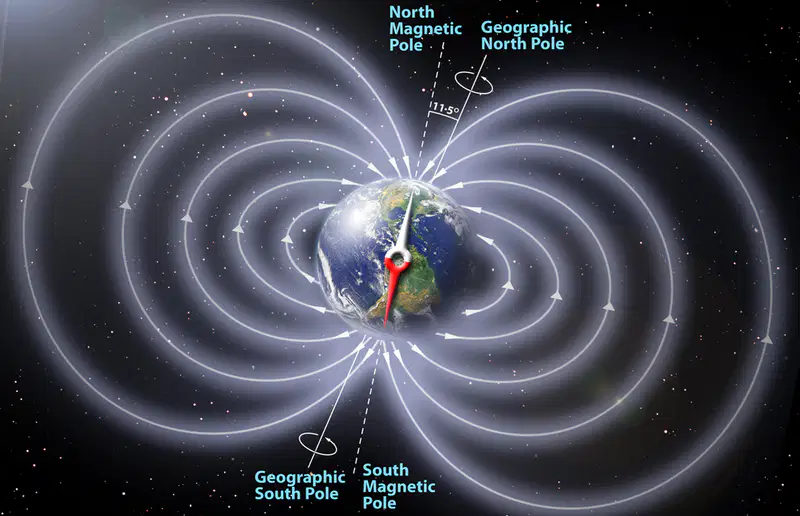
Which layer of the Earth is responsible for generating a magnetic field?
crust
mantle
outer core
inner core
The thinnest layer of the Earth is the:
crust
mantle
outer core
inner core
8. What is the thickest layer of the Earth?
crust
mantle
inner core
outer core
How do the Earth's layers contribute to the overall stability and support of life on planet Earth?
What is the name of the semi-molten part of the upper mantle?
A) Lithosphere
B) Asthenosphere
C) Magma
D) Crust
What is the melted rock that escapes to the Earth's surface called?
A) Lava
B) Magma
C) Basalt
D) Granite
What causes the high pressure in the Earth's inner core?
A) The movement of tectonic plates
B) The rotation of the Earth
C) The layers of the Earth pressing down
D) The heat from the sun
What is the process called where the Earth's plates move on the mantle?
A) Earthquake tectonics
B) Plate tectonics
C) Magma tectonics
D) Crust tectonics
Which layer of the Earth is liquid?
A) Crust
B) Mantle
C) Outer core
D) Inner core
True or False: The inner core is solid because of the extreme heat.
TRUE
FALSE
What might you observe if the Earth's plates shift significantly?
A) A volcano
B) An earthquake
C) A mountain formation
D) All of the above
What is the coolest layer of the Earth?
inner core
lithosphere
crust
mantle
Which layer of the Earth has plasticity and can be represented in a model with toothpaste?
Crust
Mantle
Asthenosphere
Lithosphere
What is the hottest layer of the Earth?
inner core
lithosphere
crust
mantle
Which is less dense?
Oceanic Crust
Continental crust
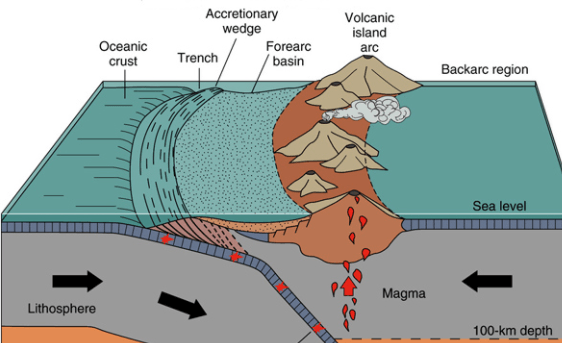
What happens to a plate that is subducted (goes under)?
it melts
it freezes
Once magma reaches the earth's surface, it is called:
a vent
minerals
igneous rocks
lava
Which type of plate boundary occurs when two plates move away from each other?
Transform plate boundary
Divergent plate boundary
Convergent plate boundary
Subduction plate boundary
Which type of plate boundary occurs when two plates collide and one is forced beneath the other?
Subduction plate boundary
Convergent plate boundary
Transform plate boundary
Divergent plate boundary
Which type of plate boundary occurs when two plates slide past each other horizontally?
convergent plate boundary
divergent plate boundary
subduction plate boundary
conservative plate boundary

Why does oceanic crust subduct below continental crust?
Continental crust is denser than oceanic crust
Oceanic crust is more drawn to earth's iron core
Oceanic crust is denser than continental crust
Oceanic crust is further below continental crust so it's the first to subduct
What is the name of the layer of the Earth that is semi-molten and lies beneath the lithosphere?
A) Asthenosphere
B) Magma
C) Crust
D) Inner core
Which layer of the Earth is responsible for the movement of tectonic plates?
Crust
Mantle
Outer core
Inner core
True or False: The outer core is liquid because of the extreme pressure.
TRUE
FALSE
What is the process called where the Earth's plates move apart from each other?
A) Earthquake tectonics
B) Plate tectonics
C) Magma tectonics
D) Crust tectonics
Most tectonic plates have both oceanic and continental crust. How are they different?
Oceanic is thinner and less dense than continental.
Continental is thinner than more dense than oceanic.
Continental is thicker and less dense than oceanic.
Oceanic is thicker and more dense than continental.

What type of plate boundary is represented in the picture?
Athensphere
Divergent
Transform
Convergent

Which crust subducts because it is denser than other crust?
pizza crust
oceanic crust
continental crust
new crust
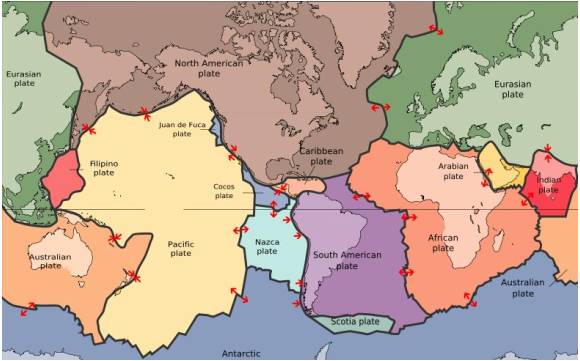
The map in the picture shows tectonic plate boundaries. This map would be useful in predicting the location of future
droughts
hurricanes
earthquakes
tornadoes
This type of crust is thick, less dense, and made mostly of granite.
continental crust
oceanic crust
convergent boundary
divergent boundary
This type of crust is dense, thin, and made of basalt.
continental crust
oceanic crust
convergent boundary
divergent boundary
Located in the upper mantle and crust.It is a strong rigid layer composed of cool rocks.
lithosphere
asthenosphere
magma
core
Located within the upper mantle. Made up of hot, rocky material and has slow movement.
lithosphere
asthenosphere
core
continental crust

