wayground logo

Free Printable Worksheets

Font size

S
M
L
XL
Worksheets

SC9 U3-Chemical vs. Physical Changes Ver. 2

Total questions: 24

Worksheet time: 19mins

Name
Class
Date
1.
Which type of water is a pure substance?
a)
tap water
b)
distilled
c)
neither
d)
both
2.
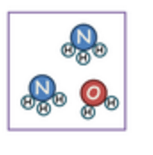
What type of a substance is this?
a)
homogeneous mixture
b)
heterogeneous mixture
c)
element
d)
compound
3.
A substance's ABILITY to change into a new substance is a
a)
physical property of matter
b)
chemical property of matter
c)
physical change in matter
d)
chemical change in matter
4.
Ice melting and glass breaking are examples of a
a)
physical property
b)
chemical property
c)
physical change
d)
chemical change
5.
The formation of a precipitate is evidence that a _________________ has taken place.
a)
physical property
b)
chemical property
c)
physical change
d)
chemical change
6.
Water vaporizing is evidence that a ______________ has taken place.
a)
physical property
b)
chemical property
c)
physical change
d)
chemical change
7.
The formation of gas bubbles is evidence that a _________________ has taken place.
a)
physical property
b)
chemical property
c)
physical change
d)
chemical change
8.
In which state of matter do particles move freely because they have enough energy to overcome attractive forces of particles (but NOT the forces that hold the atoms together)?
a)
solids
b)
liquids
c)
gases
d)
plasma
9.
In which state of matter do particles vibrate in place because they do not have enough energy to overcome attractive forces?
a)
solid
b)
liquid
c)
gas
d)
plasma
10.
Which shows the movement of particles when a substance vaporizes?
a)
a to b
b)
b to c
c)
b to a
d)
c to b
11.
Which of the following is a chemical property of water?
a)
Reacts with pure sodium.
b)
Boils at 100 oC.
c)
Dissolves sugar easily. 
d)
Has a density of 1 gm/mL
12.
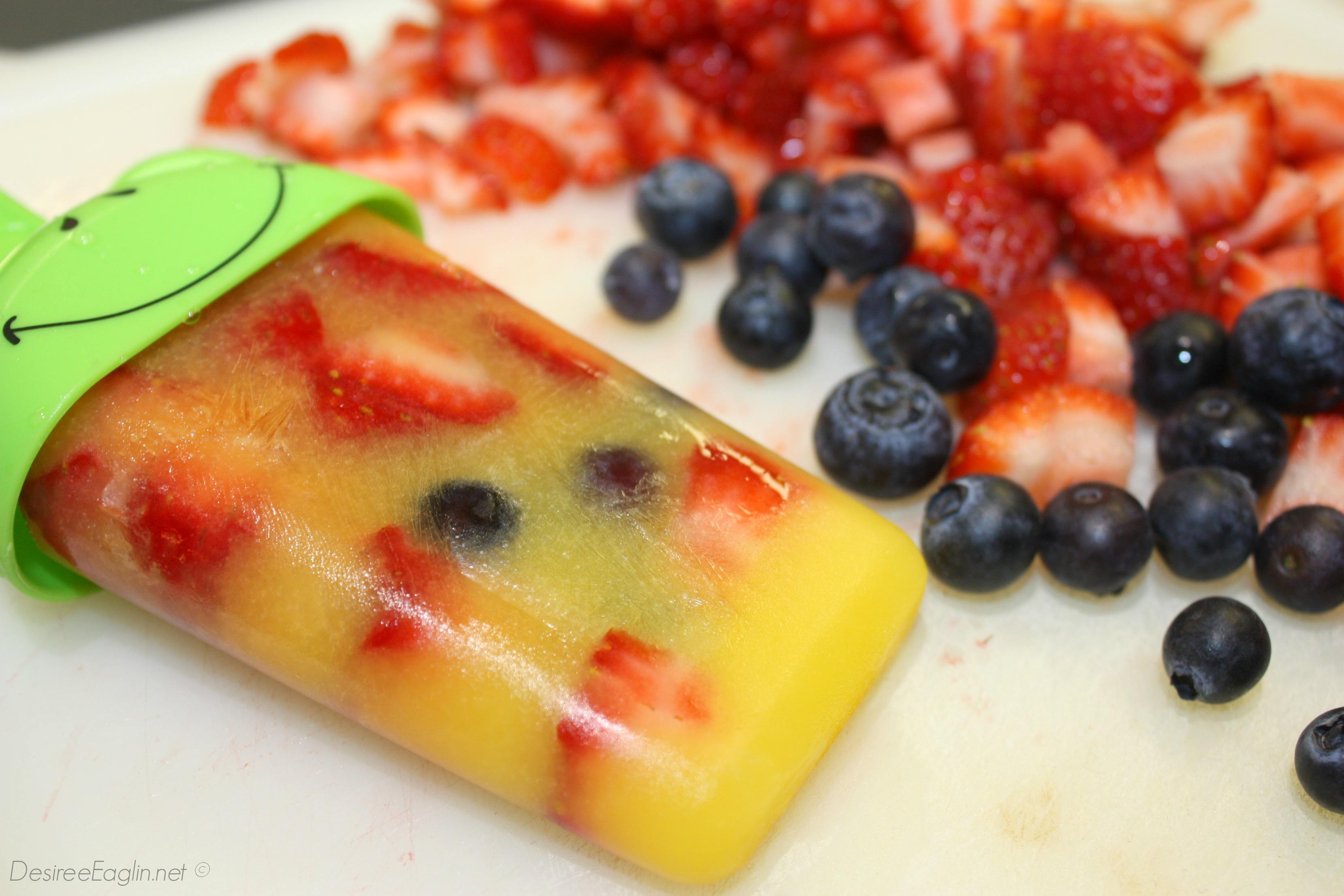
Freezing Juice?
a)
Physical Change
b)
Chemical Change
13.
A mixture is the result of a physical change because...
a)
The parts can be separated
b)
A new substance is made
c)
There is a chemical reaction
d)
One part of the mixture disappears
14.
Example for physical property
a)
odor
b)
burns in air
c)
reacts with water to create hydrogen gas
d)
rust
15.
Example for chemical property
a)
malleability
b)
texture
c)
combustion
d)
sour taste
16.

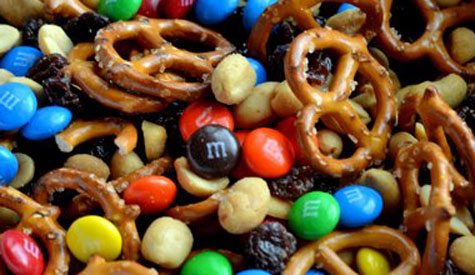
What type of mixture is this?

a)

homogenous mixture

b)

chemical

c)

heterogeneous mixture

d)

solid mixture

17.
This picture represents: 
a)
Element
b)
Compound
c)
Mixture of Elements
d)
Mixture of Compounds
18.

Carbon is an example of:

a)

Element

b)

Compound

c)

Homogeneous Mixture

d)

Heterogeneous Mixture

19.

Color, shape, size

a)

Chemical

b)

Physical

20.

Density

a)

Physical

b)

Chemical

21.

Luster

a)

Chemical

b)

Physical

22.
What is matter?
a)
a pure substance
b)
anything that occupies space and possesses mass
c)
an element
d)
a compound
23.

A white tablet is dropped into water. The water becomes cloudy and bubbles are produced. What type of change has occurred?

a)

Physical change

b)

Chemical change

c)

No change

24.

Jack leaves solid butter near a warm surface. When Jack returns, the butter has turned into a liquid. Jack's friend Elijah insists this is a chemical change. Is Elijah right?

a)

no, because no new matter was formed

b)

yes, because the matter changed states

c)

no, because the butter didn’t have enough time to go through a chemical change

d)

yes, because melted butter is a new type of matter