
 Worksheets
Unit 4 Properties and Changes of Matter
Total questions: 35
Worksheet time: 18mins
Anything that has mass and takes up space.
density
mass
matter
volume
A change of matter from one form to another that DOES NOT result in a new substance.
chemical change
physical change
A change in matter that DOES result in a new substance.
chemical change
physical change
The forms in which matter exists, primarily solids, liquids, and gasses.
physical state
(or states of matter)
physical change
physical property
physical reaction
A measure in the amount of heat energy in something.
volume
mass
density
The state of matter that DOES have a definite shape and DOES have a definite volume.
gas
liquid
plasma
solid
The amount of space that matter takes up.
density
mass
matter
volume
A physical property that measures the amount of mass per unit of volume.
density
mass
matter
volume
The changing of water from liquid to a gas (water vapor).
evaporation
freezing
condensation
sublimation
A physical change in matter from a gas (water vapor) to a liquid.
evaporation
freezing
sublimation
condensation
The state of matter that DOES NOT have a definite shape but DOES have a definite volume.
gas
liquid
plasma
solid
The state of matter that DOES NOT have a definite shape and DOES NOT have a definite volume.
gas
liquid
solid
water
Measurable characteristics that describe the physical state such as mass, hardness, size, etc.
chemical l properties
chemical reaction
physical properties
physical reaction
A physical property that describes how easily the smooth surface of a mineral can be scratched.
hardness
luster
magnetism or magnetic
texture
A physical property that describes the appearance of the surface of a mineral dependent upon its reflecting qualities.
hardness
luster
magnetism or magnetic
texture
A process in which one or more substances are converted to one or more different substances.
chemical reaction
phase transition
biological process
physical change
A physical property that describes how rough or smooth something feels.
hardness
luster
magnetism or magnetic
The process of enlarging the size of something, as an optical image.
reduction
diminution
compression
magnification
A physical property that describes when something is attracted to a magnet.
hardness
luster
magnetic
texture
A combination of two or more substances where each keeps its own properties and both can be easily separated.
mixture
solution
A liquid substance composed of the same type of atom throughout.
mixture
solution
A scientific theory of the nature of matter which states that matter is composed of discrete units called atoms.
The smallest unit of matter. The basic building block for all matter in the universe.
atom
compound
element
molecule
A pure substance composed of the same type of atom throughout.
atom
compound
element
molecule
A group of two or more atoms held together by chemical bonds.
atom
compound
element
molecule
A pure substance formed by two or more different types of elements. All molecules are not compounds but all compounds are molecules.
atom
compound
element
molecule
The positively-charged region in the center of an atom.
electron
neutron
nucleus
proton
A positively-charged subatomic particle of the nucleus of an atom.
electron
neutron
nucleus
protron
A subatomic particle of the nucleus of an atom that is without charge.
electron
neutron
nucleus
proton
A negatively-charged subatomic particle that orbits the atomic nucleus.
electron
neutron
nucleus
proton
Interactions between substances can produce chemical or physical changes.
Which of the following describes a chemical change? Select all.
painting a picture on the sidewalk
shaking a soda can and opening the can
toasting a piece of bread in a toaster oven
stirring iced tea so that the sugar will dissolve
rust is produced when iron is exposed to oxygen and water
A student wants to remove the salt from a mixture of sand and salt in order to get only pure sand.
He adds water to the mixture. Why is this step helpful?
The salt floats on top of the water.
The water freezes to the salt.
Salt dissolves in water.
Sand dissolves in water.
The ripening of an apple is an example of a chemical change.
Which will ripen faster after ten days: an apple at room temperature or an apple in a refrigerator?
Both apples will ripen at the same rate because temperature does not affect the rate of chemical reactions.
An apple in a refrigerator will ripen faster because lower temperatures increase the rate of chemical reactions.
An apple at room temperature will ripen faster because higher temperatures increase the rate of chemical reactions.
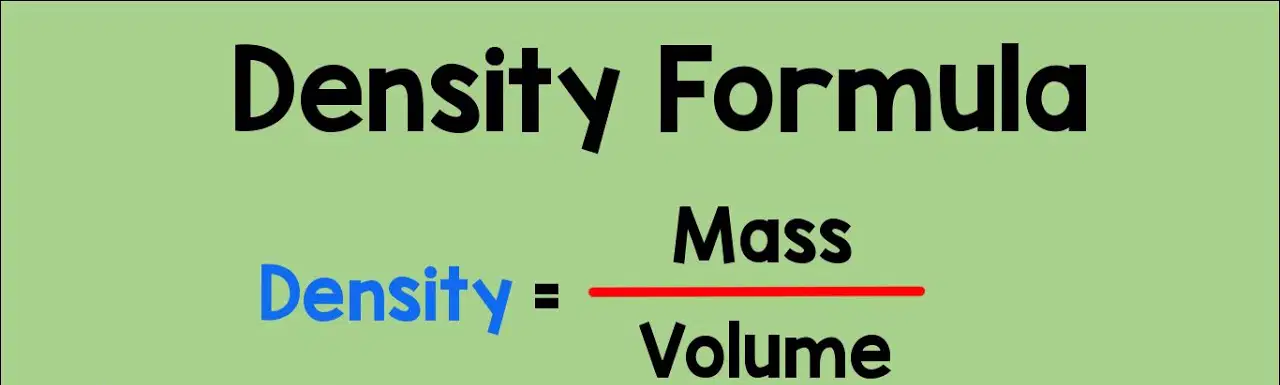
The amount of space an object takes up.
volume
How much matter (mass) occupies a given amount of space (volume).
density
How much matter is in something; measured in grams
mass
James is making lemonade. He adds sugar to some lemon juice in water. The sugar starts to dissolve. What can James do to speed up the dissolving process?
Stir the lemonade with a spoon.

