
 Worksheets
G7 Geography - Unit 1 and 2 Review
Total questions: 23
Worksheet time: 12mins
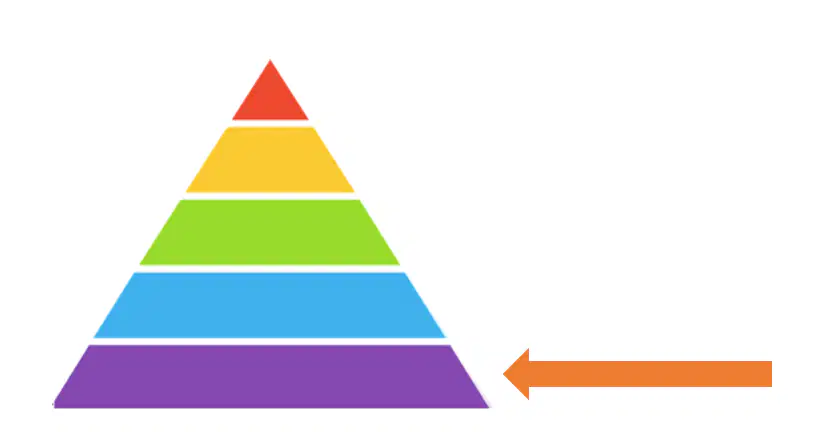
Which part of Maslow's Hierarchy of Needs is this?
Self-Esteem
Physiological needs
Safety
Love and belonging
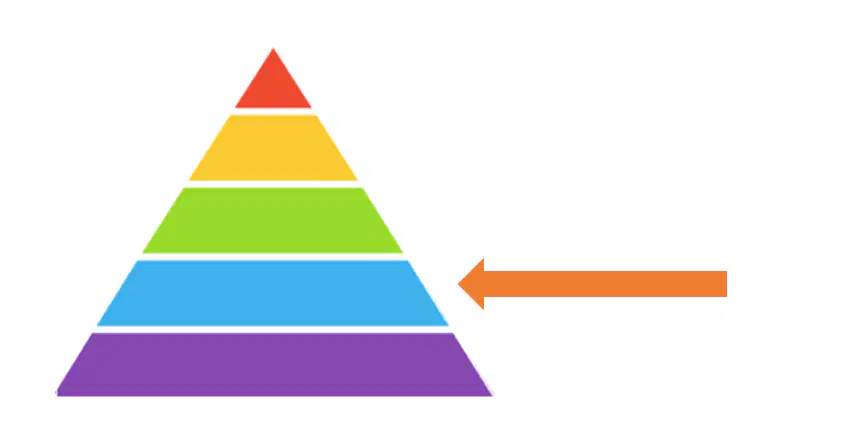
Which part of Maslow's Hierarchy of Needs is this?
Self-Esteem
Self-actualization
Safety
Love and belonging
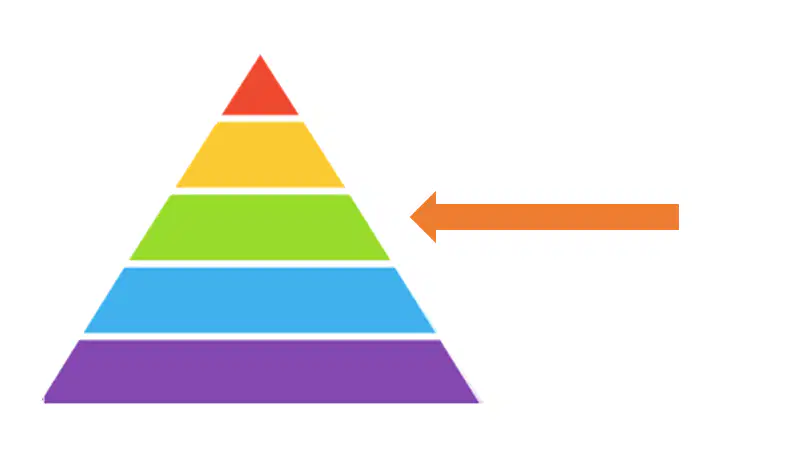
Which part of Maslow's Hierarchy of Needs is this?
Self-Esteem
Self-actualization
Safety
Love and belonging
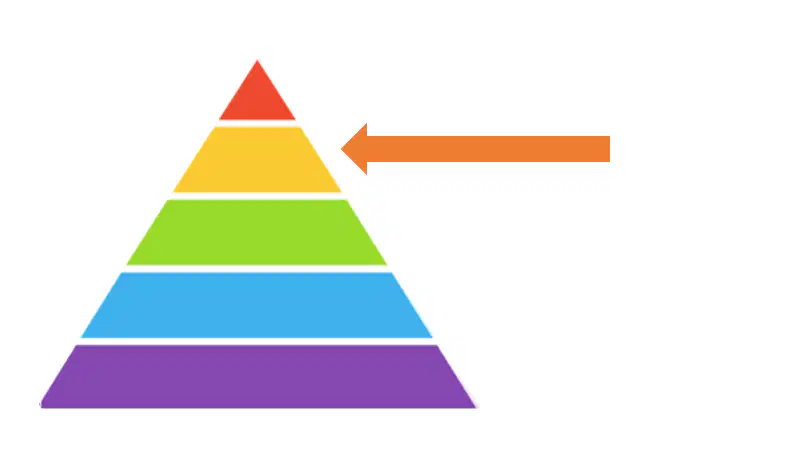
Which part of Maslow's Hierarchy of Needs is this?
Self-Esteem
Self-actualization
Safety
Love and belonging
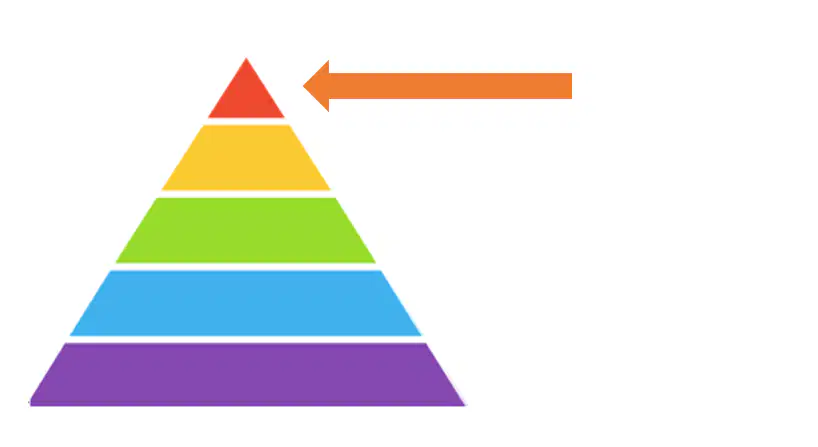
Which part of Maslow's Hierarchy of Needs is this?
Self-Esteem
Self-actualization
Safety
Love and belonging

Choose the correct definition of NGO.
A non-governmental organization that helps to solve issues in the world
A government group that gives money to poor people
A large international business
Fairness or equality? Everyone in the town pays $10 tax every month.
Fairness
Equality
Fairness or equality? Everyone in the town pays tax according to what they earn. Mr. Jenkins earns $1,000,000, so he pays much more tax than Mr. White because he earns $4.
Fairness
Equality
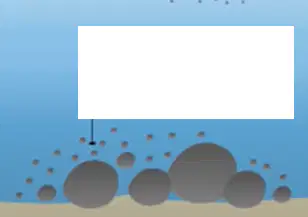
When larger rocks are pushed along the riverbed, this is called...
Suspension
Saltation
Traction

When medium-sized rocks are pushed along the riverbed and bounce, this is called...
Suspension
Saltation
Traction
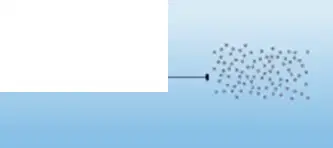
When smaller rocks float through the river and don't touch the ground, it's called...
Suspension
Saltation
Traction
Fill in the blank: _______ is when pebbles grind along a rock platform, the ocean floor, or the rocks beneath a glacier, much like sandpaper.
Transportation
Abrasion
Freeze-thaw weathering
Plucking
Fill in the blank: _______ is the process where a glacier picks up and carries away rock fragments as it moves, typically pulling them from the underlying bedrock.
Transportation
Abrasion
Freeze-thaw weathering
Plucking
Fill in the blank: _______ when water enters cracks in rocks, freezes, expands, and then thaws, causing the rock to fragment (break or split) over time.
Transportation
Abrasion
Freeze-thaw weathering
Plucking
Which word cannot be used to describe the upper course of a river?
Steep
Narrow (狭窄)
Fast
Deep (深水)
Which word cannot be used to describe the lower course of a river?
Flat
Wide
Fast
Deep (深水)
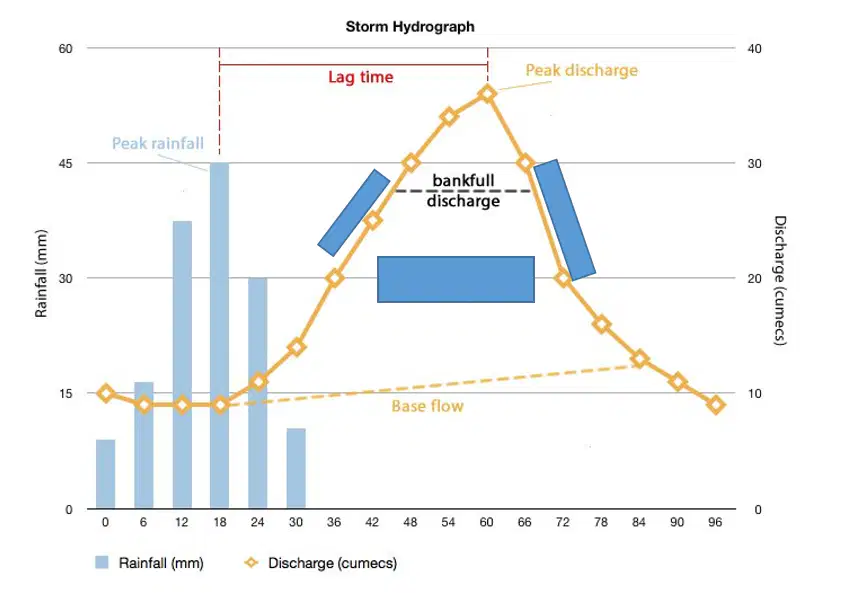
In a hydrograph, what is bankfull discharge?
The maximum amount of water it can hold before overflowing
The minimum amount of water a river can carry
The point when a river has no water flow.
The maximum water level reached during a drought.
In a hydrograph, what is lag time?
Time it takes for a river to completely dry up after rainfall.
Time it takes for a river to reach its lowest water level after a storm.
Delay between peak rainfall and peak of increased water flow. Shows the amount of time before the river will flood.
Measure of sediment carried by a river during a flood.
In a hydrograph, what is the peak discharge?
Duration (time) between two rainfall events.
Lowest point in a hydrograph, indicating minimal water flow.
Time it takes for a river to dry up completely after rainfall.
Highest discharge or flow of water in the river during a specific period.
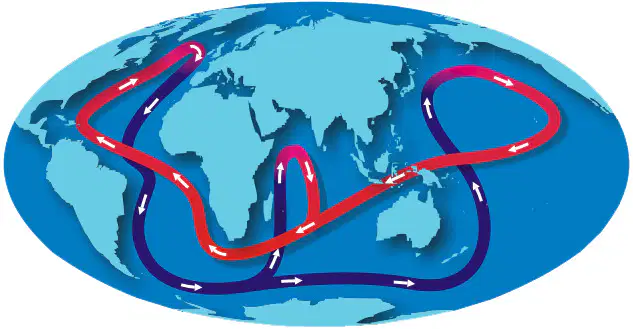
Which is not a reason that the global conveyor belt is important?
It transports nutrients around the ocean
It makes the ocean look more blue
It regulates the ocean temperature
It impacts the weather
Another word for saltiness is ...
(a)
How do warm ocean currents impact areas that they are near?
They lead to colder temperatures and more rainfall.
They lead to warmer temperatures and more rainfall.
They lead to warmer temperatures and less rainfall.
They lead to colder temperatures and less rainfall.
How do cold ocean currents impact areas that they are near?
They lead to colder temperatures and more rainfall.
They lead to warmer temperatures and more rainfall.
They lead to warmer temperatures and less rainfall.
They lead to colder temperatures and less rainfall.

