
 Worksheets
Chapters 1-4 key terms
Total questions: 79
Worksheet time: 40mins
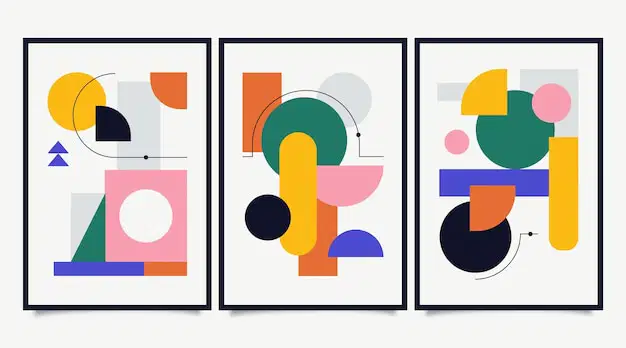
Art that depicts natural objects in simplified or exaggerated ways which may not be recognizable at first.
abstract art
kinetic art
neutrals
achromatic
The meaning or message communicated by a work of art, including its emotional, intellectual, symbolic, thematic, and narrative connotations.
value
hue
implied line
content
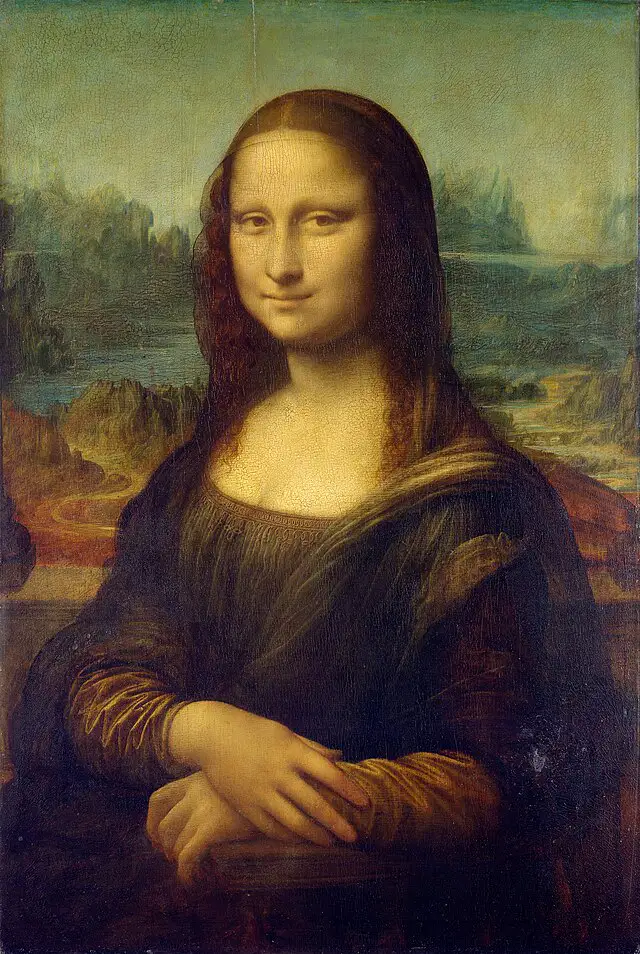
Representational art in which the human form (rather than the natural world) plays a principal role.
calligraphy
one-point perspective
figurative art
picturesque

Art of people who have had no formal, academic training, but whose works are part of an established tradition of style and craftsmanship.
work of art
form
folk art
format
The total effect of the combined visual qualities within a work, including such components as materials, color, shape, line, and design.
scale
form
edition
emphasis
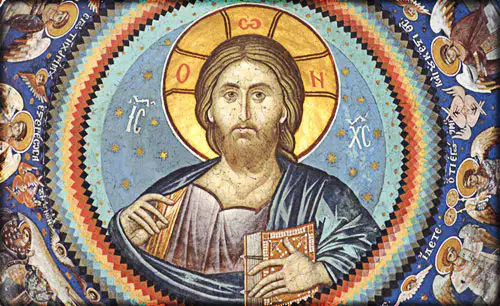
the symbolic meanings of subjects and signs used to convey ideas important to particular cultures or religions
iconography
pattern
encaustic
picture plane

a particular material along with its accompanying technique
color schemes
chiaroscuro
repetition
medium (plural: media)

art without reference to anything outside itself (also called nonobjective)
nonrepresentational art
closed form
organic shape
proportion
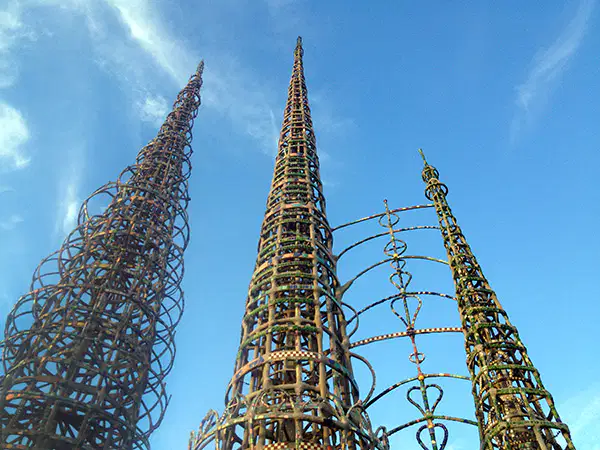
art produced by those with no formal training, outside the established channels of art exhibition
rhythym
biomorphic shape
outsider art
composition
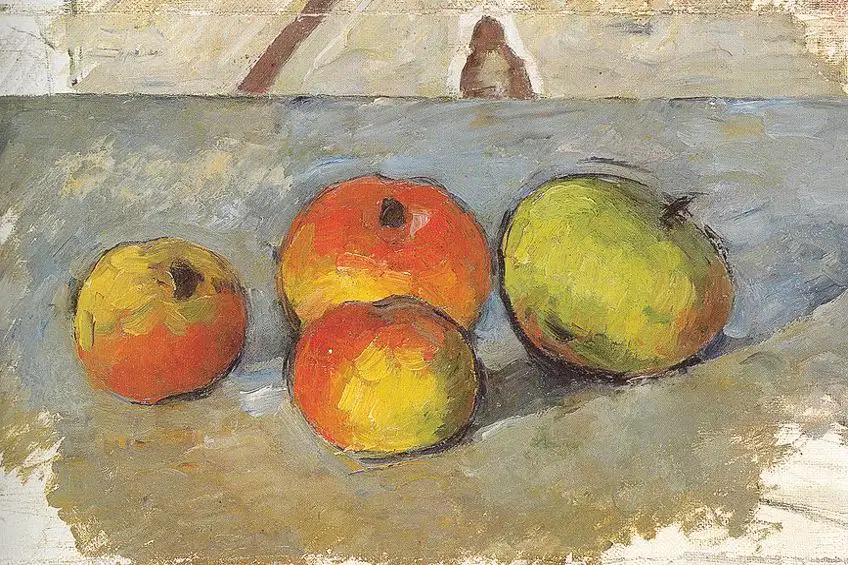
art that recognizably represents or depicts a particular subject
representational art
impasto
stencil
formal theory
In representational art, what the artist chooses to depict.
unity
subject
fixative
perspective
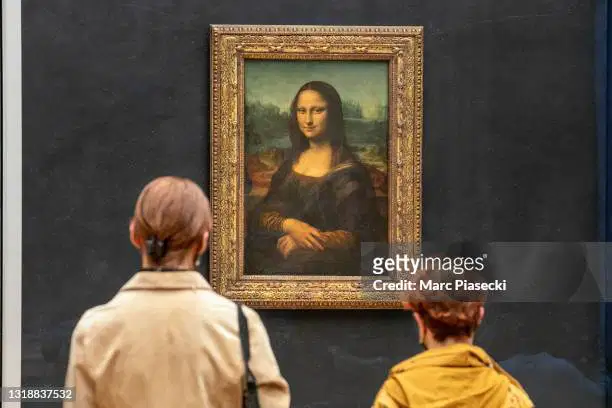
the visual expression of a of an idea or experience, formed with skill, through the use of a medium.
work of art
binder
open form
organic shape
The philosophy of art focusing on questions regarding what art is, how it is evaluated, the concept of beauty, and the relationship between the idea of beauty and the concept of art.
aesthetics
proportion
pattern
tooth

The art of beautiful writing; broadly, a flowing use of line, often varying from thick to thin.
open form
achromatic
composition
calligraphy
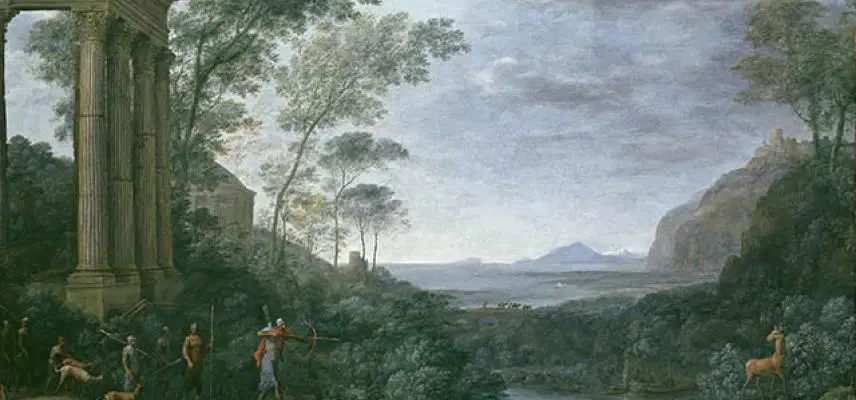
Used to describe natural landscapes that are attractively poetic, rather than dramatic; original meaning is traced to the paintings of Claude Lorrain and other landscape painters.
picturesque
monochromatic
burin
kinetic art

Having no color (or hue).
achromatic
subject
warm colors
volume
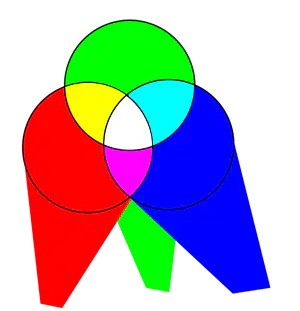
The mixture of colored light.
line
neutrals
hue
additive color mixtures
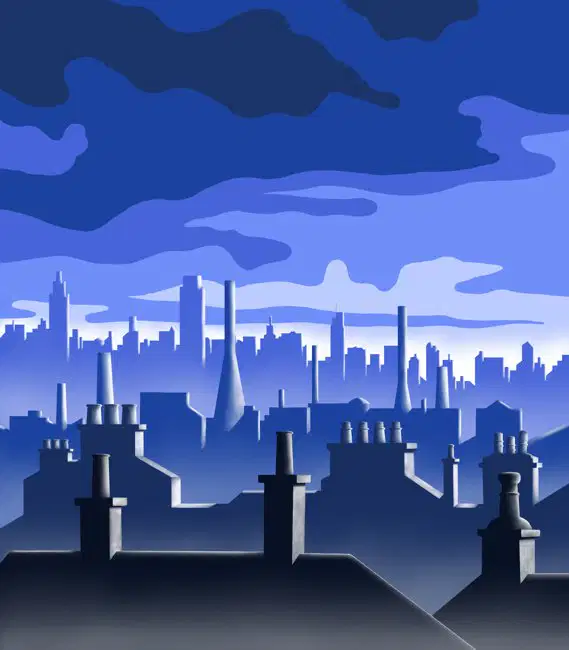
A type of perspective in which the illusion of depth is created by changing color, value, and detail.
representational art
balance
atmospheric perspective(aerial)
negative shape
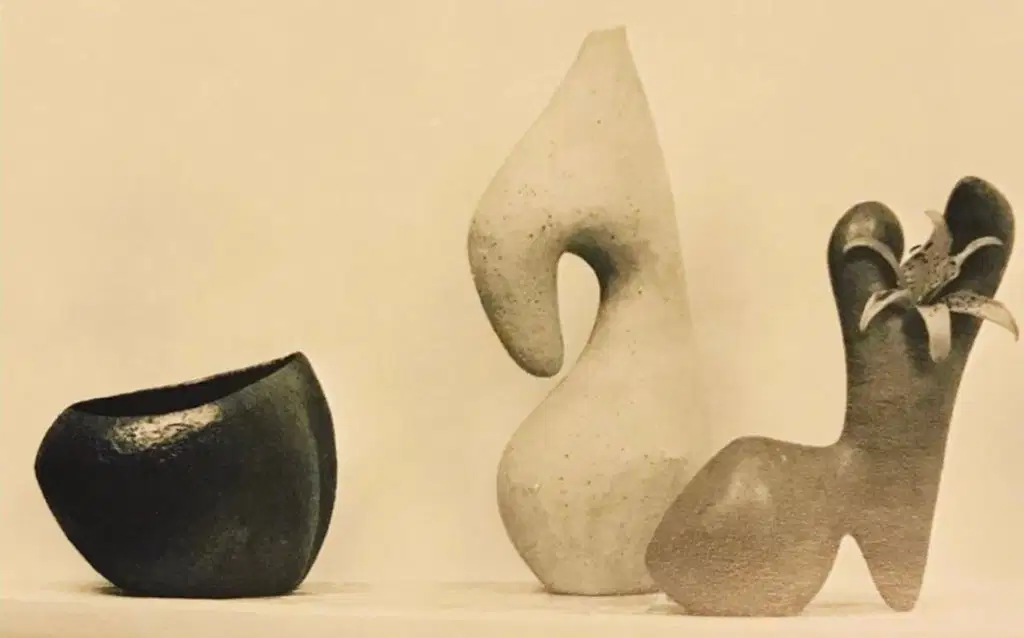
A shape in a work of art that resembles a living organism or an organic shape.
texture
biomorphic shape
content
pattern
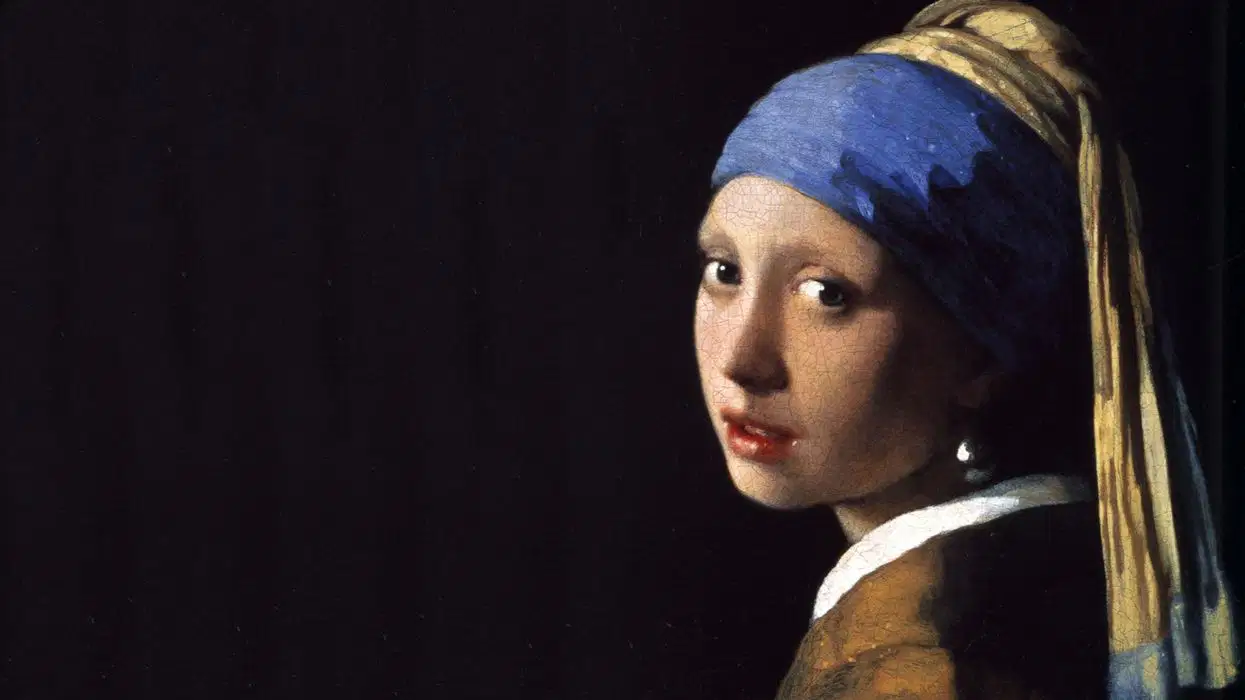
Italian word meaning "light dark;" the gradations of light and dark values in two-dimensional imagery, especially the illusion of rounded, three-dimensional form created through gradations of light and shade rather than line.
chiaroscuro
wash
edition
tempera

A self-contained or explicitly limited form that has a resolved balance of tensions.
acrylic
design
closed form
engraving
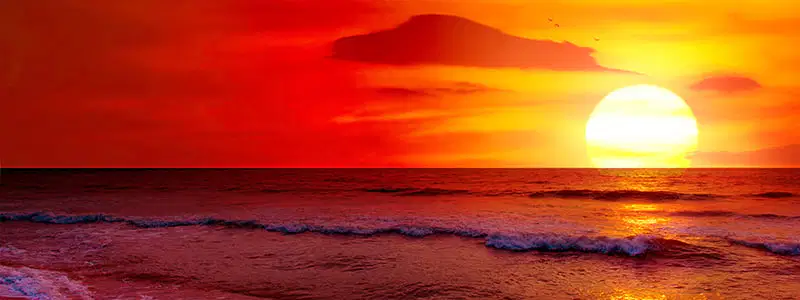
Colors whose relative visual temperature makes them seem warm.
positive shape
primary hues
complementary colors
warm colors

A set of colors chosen for a work of art in order to promote a specific mood or effect.
color schemes
secondary hues
cool colors
aesthetics

Two hues directly opposite one another on a color wheel, such as red and green, that, when mixed together in proper proportions, produce a neutral gray.
complementary colors
subtractive color mixing
secondary hues
achromatic
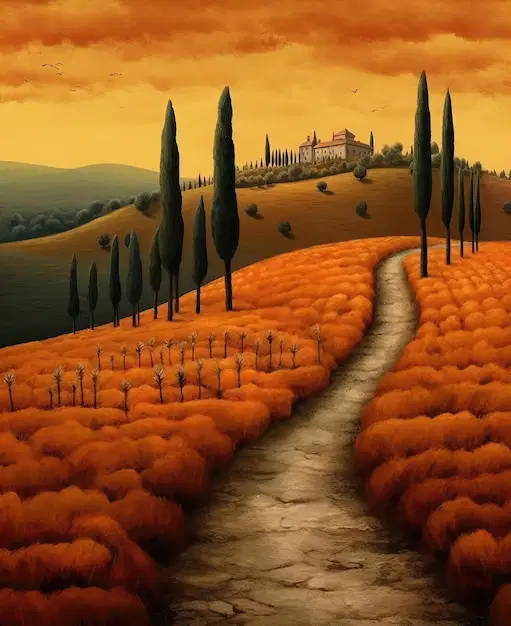
A method for suggesting the third dimension of depth in a two-dimensional work by placing an object above another in the composition.
subject
vertical placement
mass
repetition
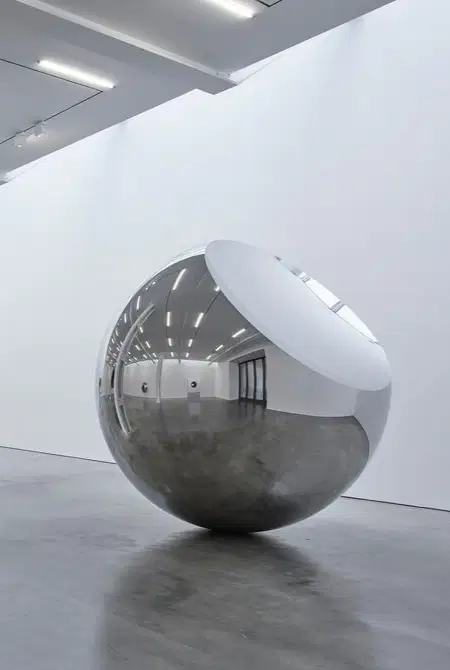
The space enclosed or filled by a three-dimensional object or figure.
volume
contrast
balance
work of art
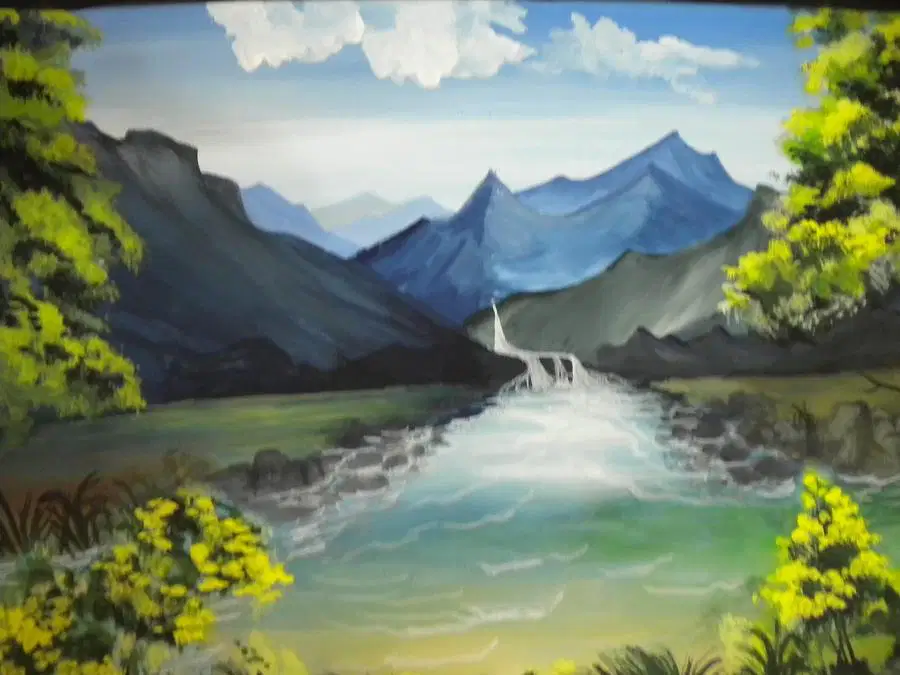
Colors whose relative visual temperatures make them seem cool.
warm colors
cool colors
monochromatic
complementary colors
The position from which the viewer looks at an object or visual field
positive shape
vantage point
subject
value

In linear perspective, the presumed height of the artist's eyes; this becomes the presumed height of the viewer standing in front of the finished work.
eye level
aerial perspective
line
chiaroscuro
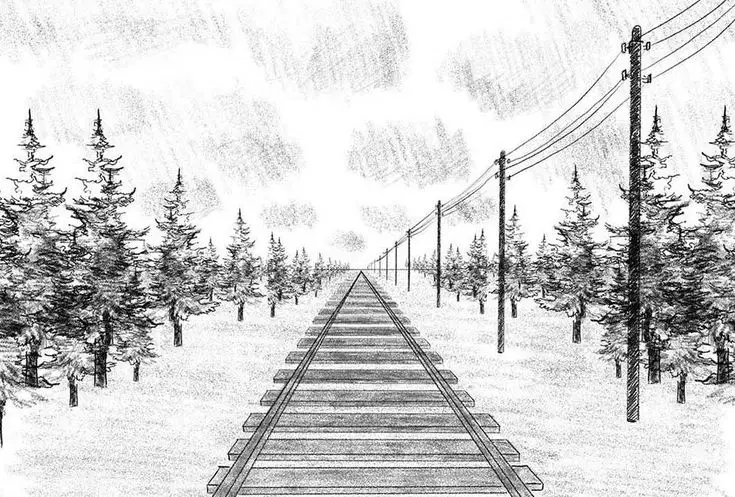
In linear perspective, the point on the horizon line at which lines or edges that are parallel appear to converge.
drypoint
vanishing point
art criticism
pointillism

Separate shape(s) that seem to lie above a background or ground. Often referred to as positive space.
charcoal
figure
one-point perspective
work of art
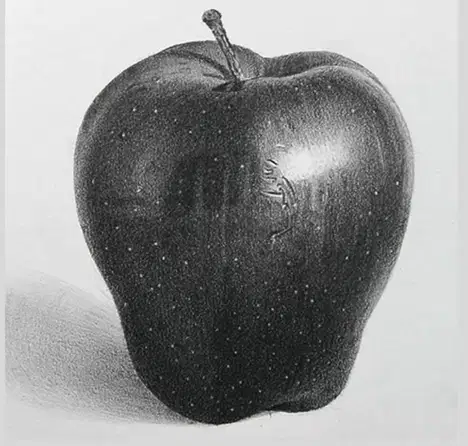
The relative lightness and darkness of surfaces.
volume
value
tint
focal point
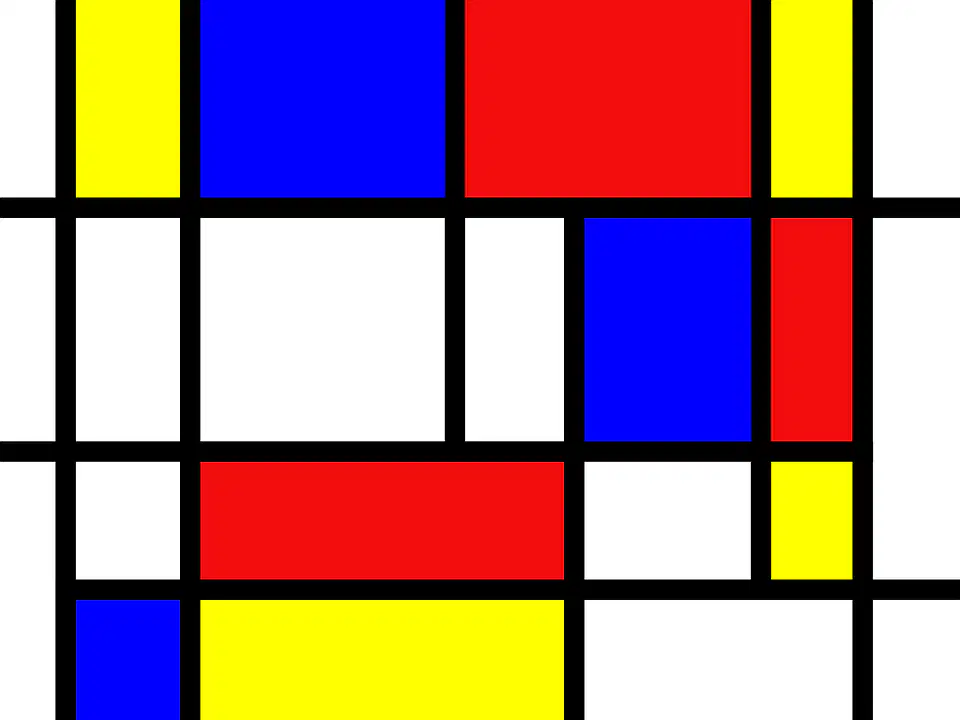
Any shape enclosed by square or straight or perfectly circular lines.
positive shape
negative shape
geometric shape
shape
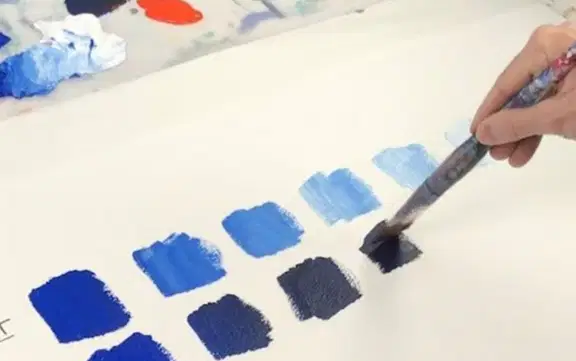
A hue with white added.
shade
tint
value
volume

The background in a two-dimensional work; the area around and between figure(s). Often referred to as negative space.
ground
shape
volume
perspective
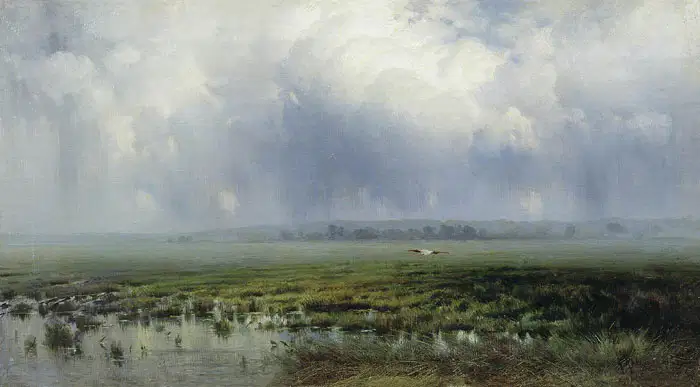
In linear perspective, the implied or actual line or edge placed on a two-dimensional surface to represent the place in nature where the sky meets the horizontal land or water plane.
vanishing point
eye level
figure
horizon line
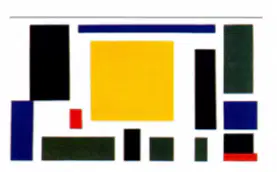
Having the dimensions of height and width only.
form
two-dimensional
three-dimensional
line
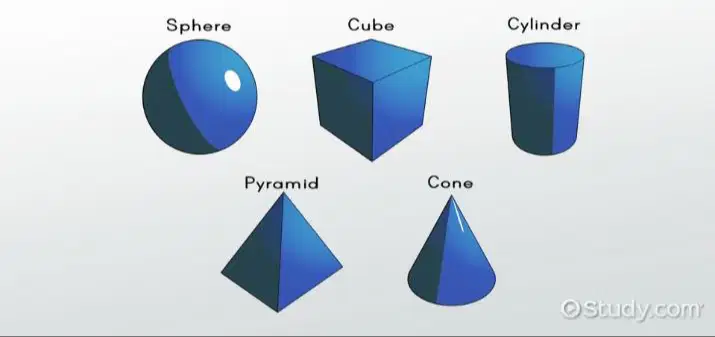
Having height, width, and depth.
two-dimensional
three-dimensional
shape
one-point perspective

That property of a color identifying a specific, named wavelength of light such as green, red, blue, and so on.
hue
value
neutrals
form

The tactile qualities of surfaces, or the visual representation of those qualities. Can be both ACTUAL and IMPLIED.
value
achromatic
texture
folk art
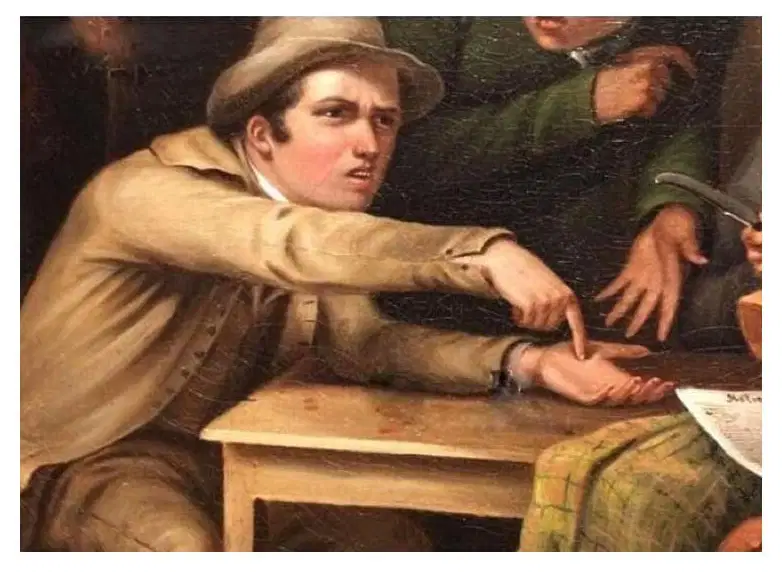
A line in a composition that is not actually drawn; it may be a sight line of a figure in a composition, or a line along which two shapes align with each other.
vertical line
implied line
horizon line
line
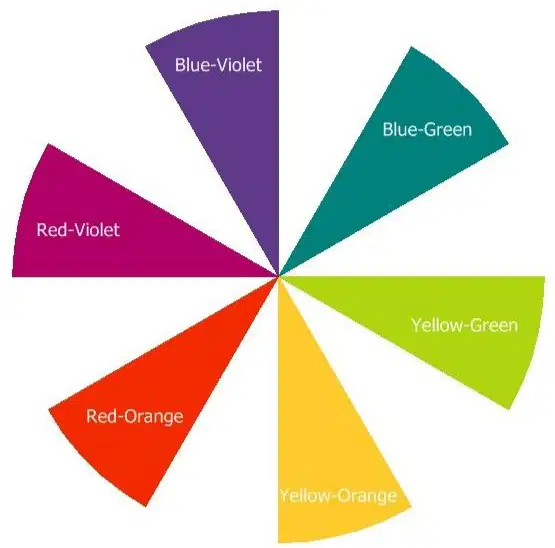
Red-orange, yellow-orange, yellow-green, blue-green, blue-violet, and red-violet; each hue is located between the primary and the secondary hue of which it is composed.
tertiary hues
achromatic
color scheme
shade
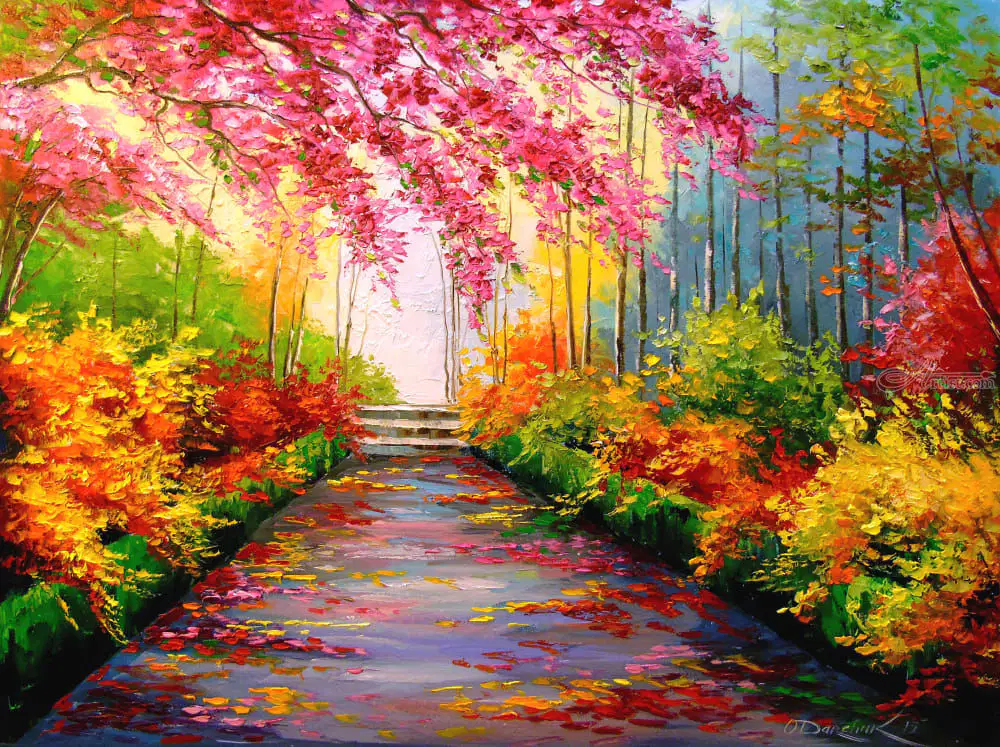
The relative purity or saturation of a hue (color), on a scale from bright (pure) to dull.
intensity
value
shade
tint
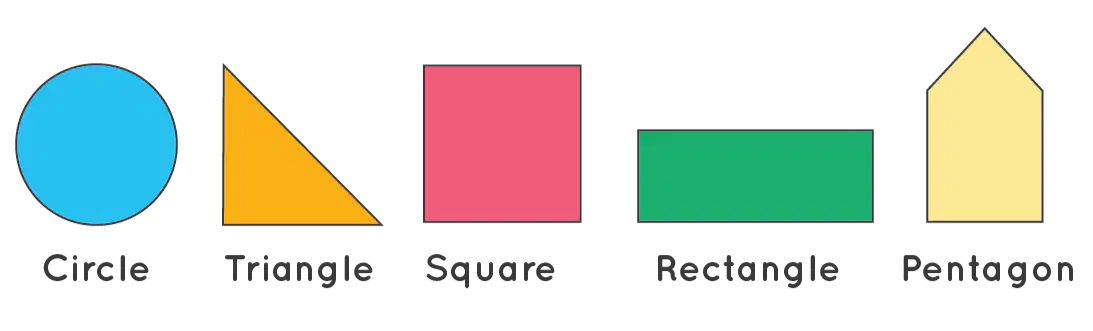
A two-dimensional or implied two-dimensional area defined by line or changes in color.
form
shape
volume
warm colors

Art that incorporates actual movement as part of the design.
iconography
kinetic art
two-dimensional
one-point perspective

Mixture of colored pigments in the forms of paints, inks, pastels, and so on.
subtractive color mixture
complementary colors
additive color mixture
value

A long, narrow mark; usually made by drawing with a tool or a brush, but may be created by placing two forms next to each other.
line
3-dimensonal
work of art
asymmetry
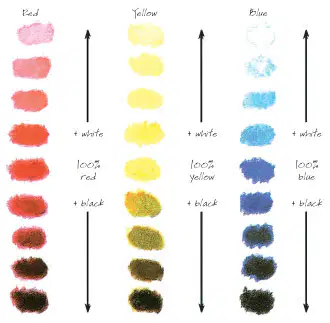
A hue with black added.
shade
tint
work of art
mass
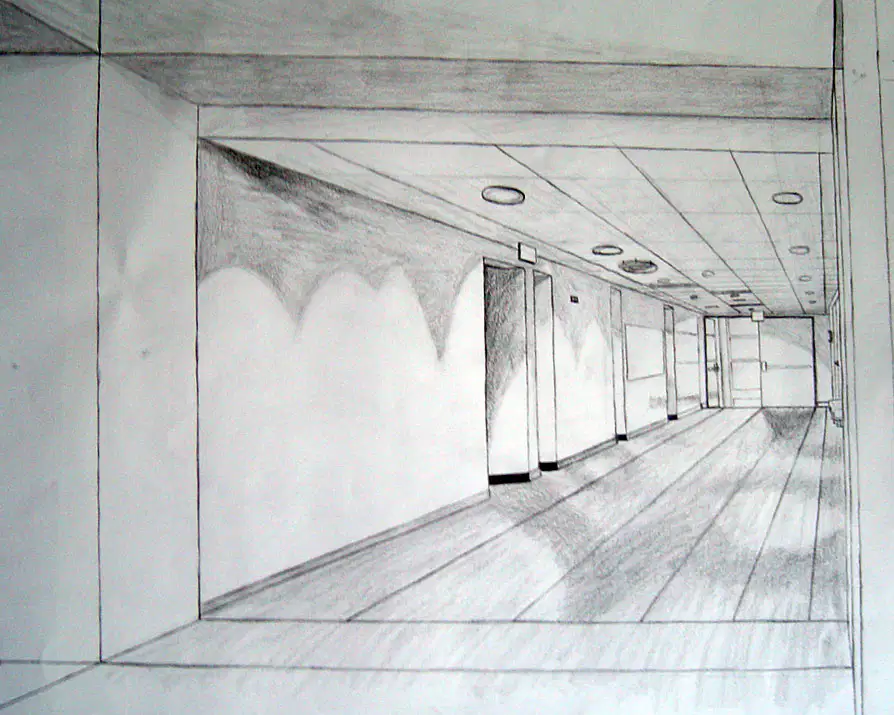
Used to create an illusion of depth or three-dimensional space on a two-dimensional surface, it is based on the fact that parallel lines or edges appear to converge and objects appear smaller as the distance between them and the viewer increases.
atmospheric perspective
linear perspective
warm colors
line
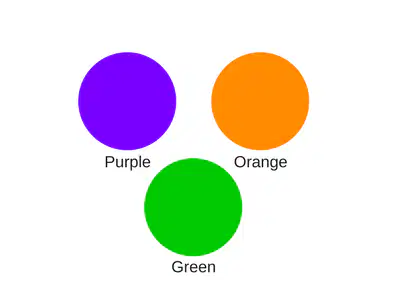
Orange, green, and violet; the mixture of two primaries produces a secondary hue.
primary hues
secondary hues
tertiary hues
complementary colors

the color of an object as we experience it, without shadows or reflections.
tint
local color
shade
monochromatic
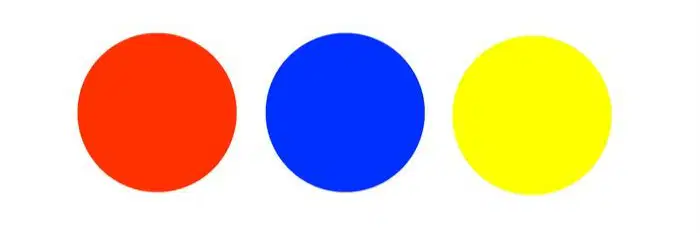
(also referred to as primary colors) red, yellow, and blue; these pigment hues cannot be produced by an intermixing of other hues.
secondary hues
achromatic
value
primary hues

The physical bulk of a solid body of material.
shape
mass
monochromatic
scale
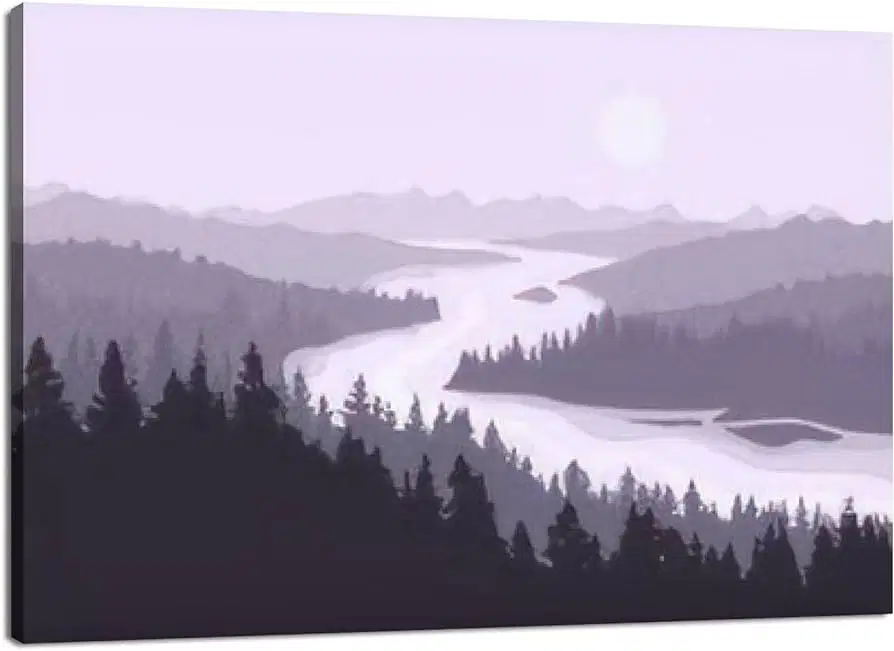
A color scheme limited to variations of one hue.
hue
rhythm
monochromatic
repetition

A figure or foreground shape, as opposed to a negative ground or background shape.
positive shape
negative space
ground
mass
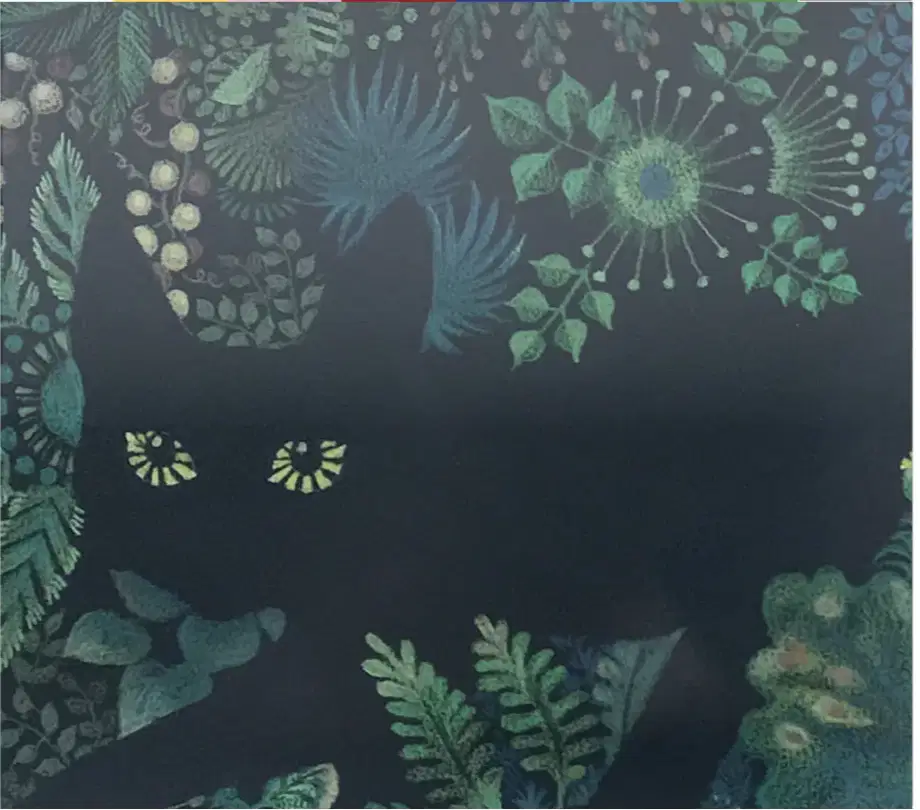
A background or ground shape seen in relation to foreground or figure shapes.
negative shape
positive shape
figure
volume

A system for creating an illusion of depth or three-dimensional space on a two-dimensional surface.
perspective
calligraphy
volume
primary hues
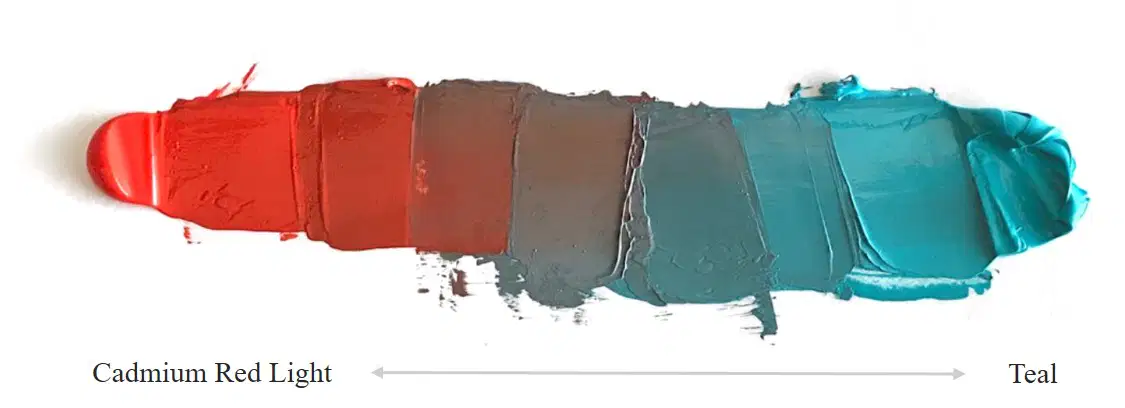
Not associated with any single hue; can be made by mixing complementary hues.
neutrals
primary hues
secondary hues
tertiary hues
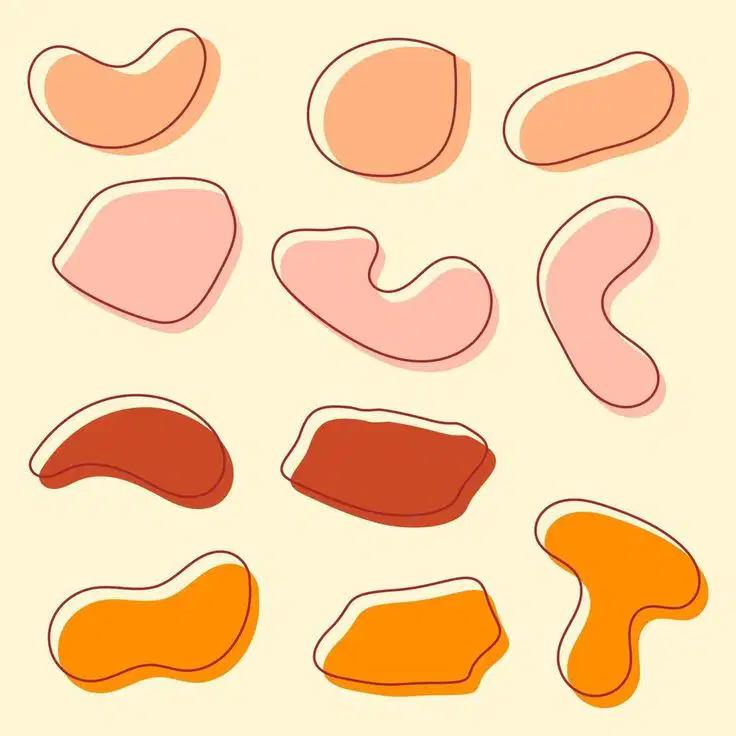
An irregular, non-geometric shape.
organic shape
geometric shape
form
volume
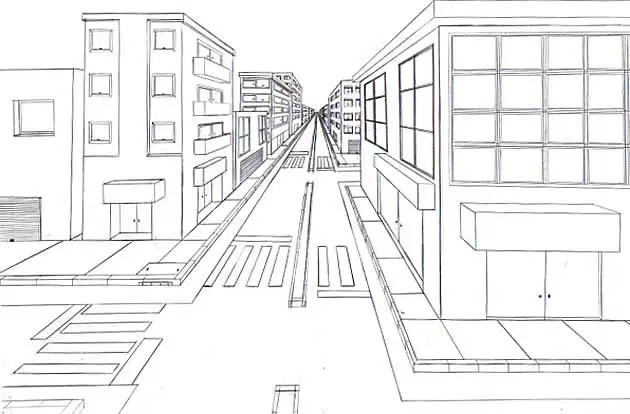
A perspective system in which all parallel lines converge at a single vanishing point.
one-point perspective
aerial perspective
achromatic
complementary colors
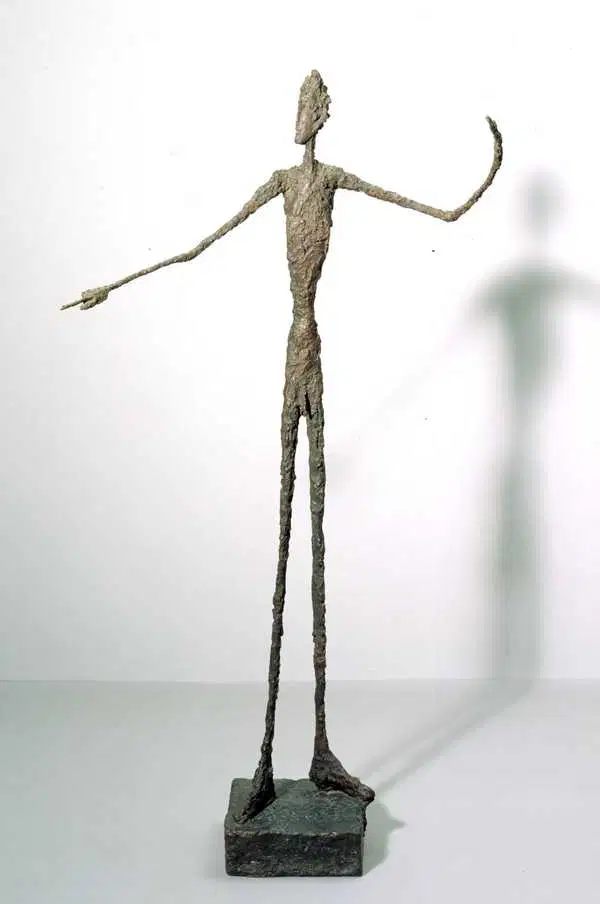
A form whose exterior is irregular and which has a sense of growth, change, or unresolved tension.
open form
shape
value
vanishing point

The various elements of a work are balanced but not symmetrical.
chiaroscuro
Asymmetrical Balance
positive shape
composition
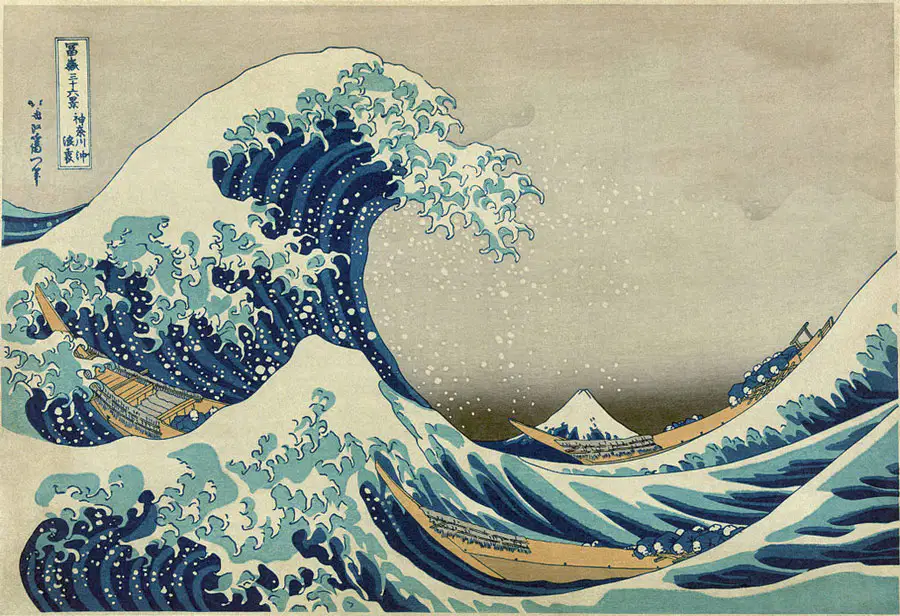
Lack of symmetry.
negative shape
asymmetry
volume
form

A design (or composition) with nearly identical form on opposite sides of a dividing line or central axis.
one-point perspective
volume
form
symmetry
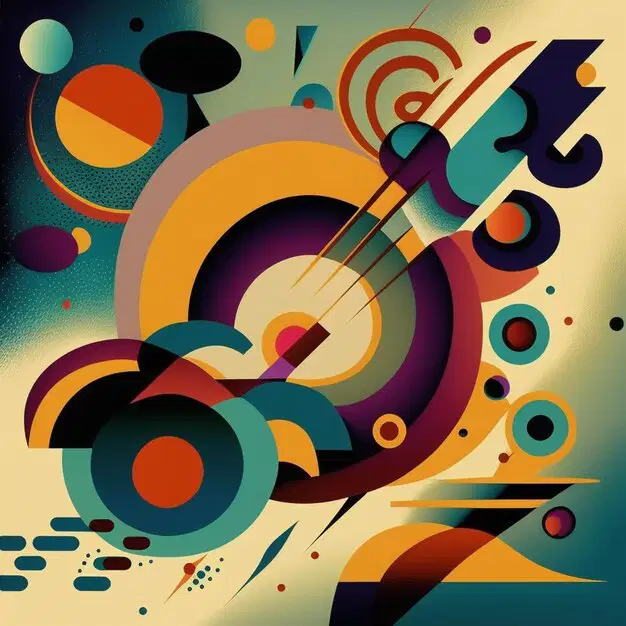
The opposite of unity; diverse elements in the composition of a work of art.
variety
directional forces
symmetry
pattern

The appearance of similarity, consistency, or oneness.
variety
unity
rhythm
closed form
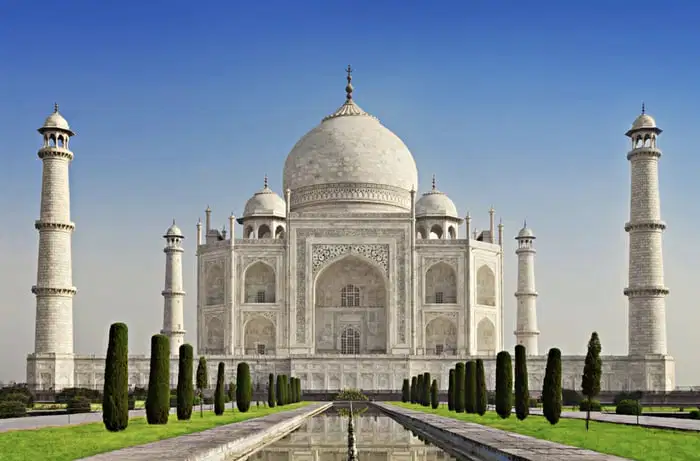
The near or exact matching of left and right sides of a three-dimensional form or a two-dimensional composition.
symmetrical balance
form
shape
subordination
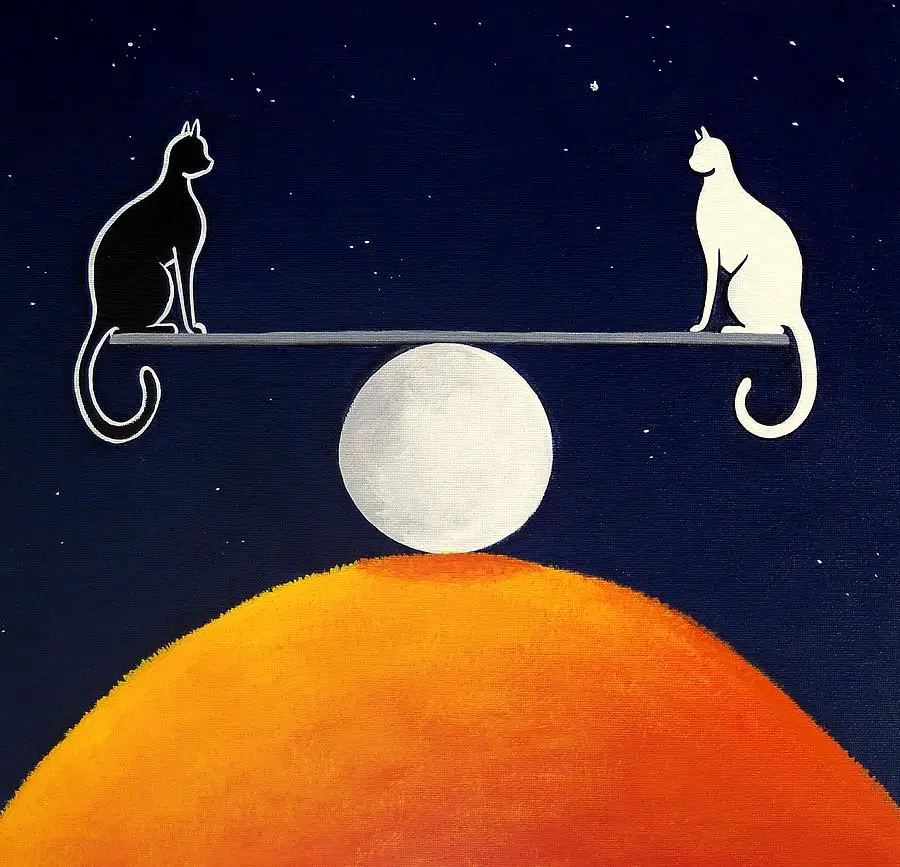
An arrangement of parts achieving a state of equilibrium between opposing forces or influences.
balance
scale
proportion
unity
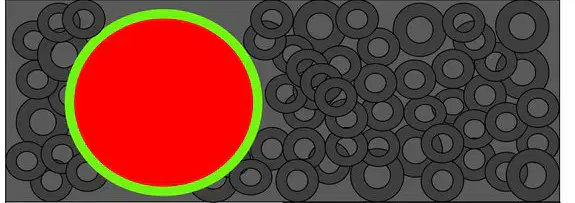
Technique by which an artist ranks certain areas of a work as of lesser importance; areas are generally subordinated through placement, color, or size.
subordination
form
space
shape
The organization of visual elements in an artwork.
composition
volume
repetition
rhythm
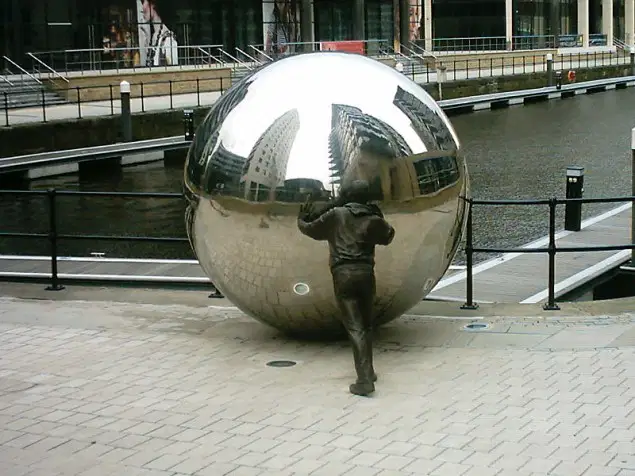
The size relation of one thing to another.
shape
picture plane
scale
tooth
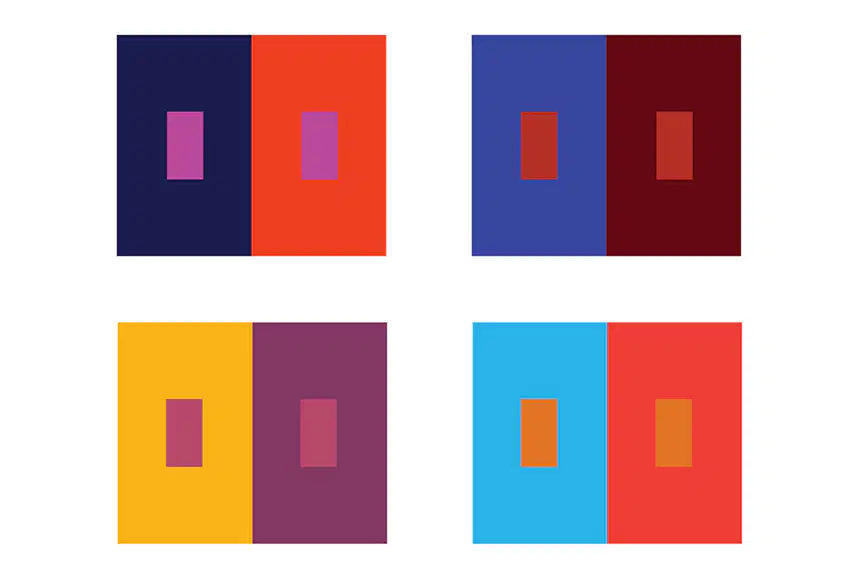
The juxtaposition of strongly dissimilar elements; dramatic effects can be produced when dark is set against light, large against small, bright colors against dull.
value
contrast
achromatic
repetition
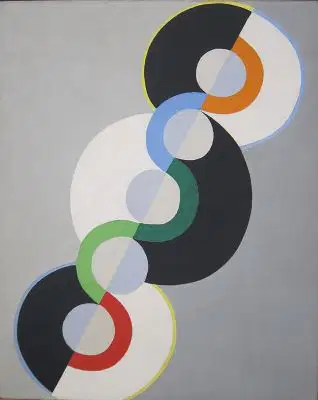
The regular or ordered repetition of dominant and subordinate elements or units within a design with related variations.
rhythm
vantage point
format
composition

The recurrence of visual elements.
directional forces
repetition
closed form
intensity

pathways that the artist embeds in a work for the viewer's eye to follow
directional forces
rhythm
subject
vanishing point
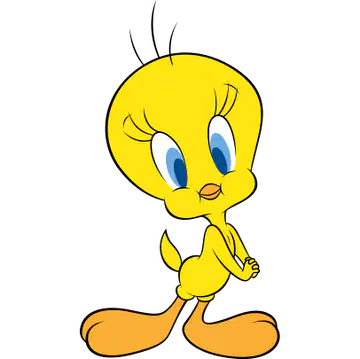
The size relationship of parts to a whole and to one another.
proportion
repetition
contrast
composition
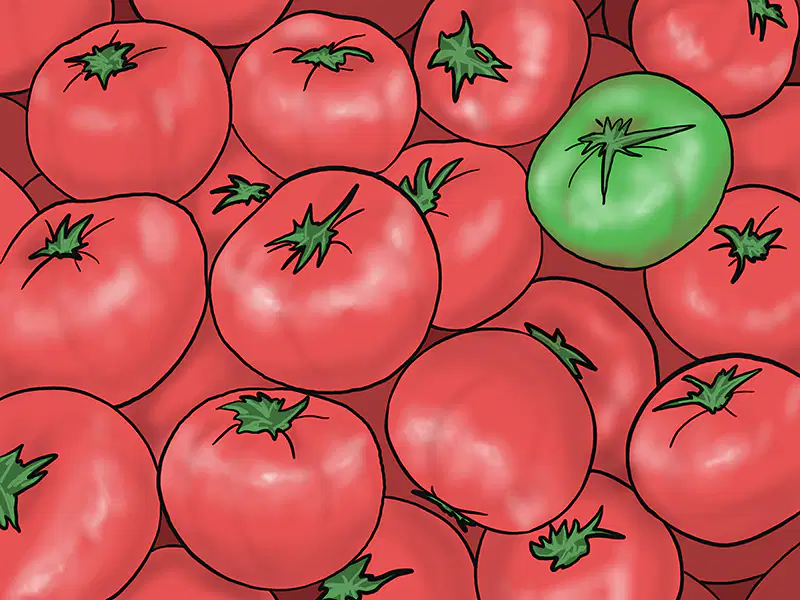
A method an artist uses to draw attention to an area; may be done with central placement, large size, bright color, or high contrast.
complementary color
emphasis
monochromatic
one-point perspective

All-over design created by the repetitive ordering of design elements.
directional forces
focal point
pattern
complementary color

The principal area of emphasis in a work of art; the place to which the artist directs the most attention through composition.
focal point
one-point perspective
line
monochromatic

