
NEW
Font size
S
M
L
XL
 Worksheets
CHEMICAL BONDING
Total questions: 14
Worksheet time: 9mins
Name
Class
Date
1.
Atomic number of sodium
a)
12
b)
13
c)
11
d)
14
2.
Number of electrons in the outer most orbit of an atom is called
a)
Valency
b)
Valence electrons
c)
Atomic number
d)
None of the above
3.
What charge would an aluminum ion have?
a)
5+
b)
3+
c)
3-
d)
5-
4.
What is an ion with a positive (+) charge called?
a)
anion
b)
cation
c)
molecule
d)
salt
5.
When an atom loses an electron, it becomes a:
a)
positive ion
b)
negative ion
c)
neutral ion
d)
neutral atom
6.
Ionic bonds form between:
a)
two metals
b)
two nonmetals
c)
metals and nonmetals
d)
metalloids
7.
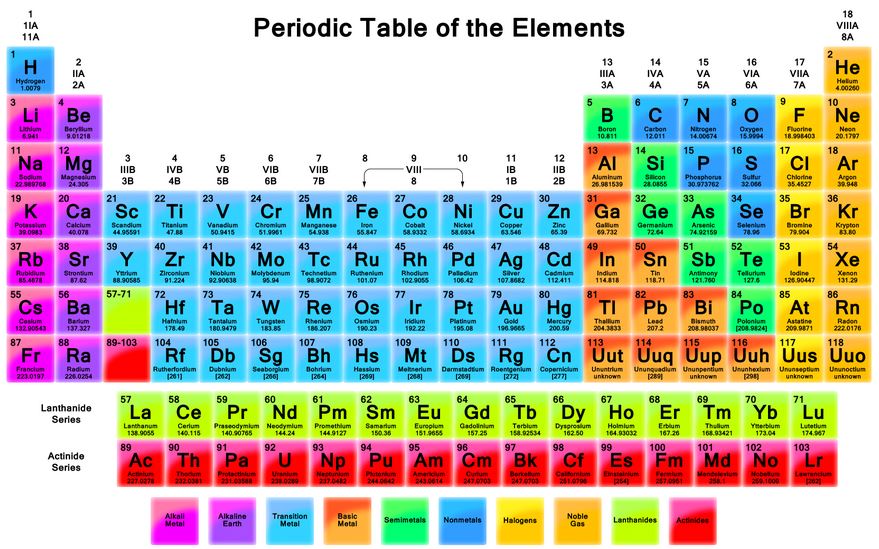
Elements on the LEFT side of the periodic table will most likely form:
a)
Positive ions
b)
Negative ions
c)
Neutral Ions
d)
None of these
8.

Which element does this structure represent?
a)
Lithium
b)
Helium
c)
Scandium
d)
Fluorine
9.

What group does this element belong to?
a)
Group 1: Alkali metals
b)
Group 18: Noble Gases
c)
Group 2: Alkaline-Earth Metals
d)
Group 17: Halogens
10.

What is the Name of this element?
a)
Lithium
b)
Silicon
c)
Aluminum
d)
Magnesium
11.

Describe this element.
a)
Highly reactive metal
b)
Highly reactive nonmetal
c)
Stable
d)
Less stable non metal
12.
Electronic configuration of Mg is
a)
2,8,2
b)
2,8,8,2
c)
2,8,3
d)
2,8,8
13.
What is the number of valence electrons for Oxygen?
a)
8
b)
6
c)
2
d)
1
14.
When two atoms share electrons, a chemical bond is formed. This type of bond is called:
a)
covalent bond
b)
ionic bond
c)
metallic bond
d)
hydrogen bond
Reset

