
 Worksheets
Avancemos 2 MIDTERM
Total questions: 58
Worksheet time: 28mins

What is the direct object PRONOUN you would use in the sentence?
Yo quiero los pantalones nuevos .
lo
la
los
las
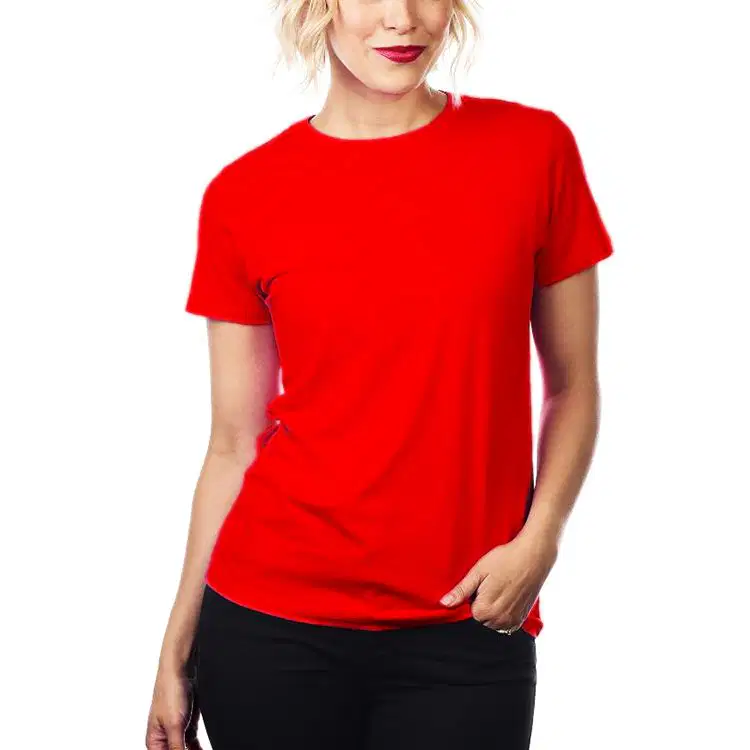
What is the direct object in the sentence?
Laura compra la camiseta roja.
Laura
rojo
camiseta
compra

What is the object PRONOUN you would use in the sentence ?
Ariana compra el vestido amarillo.
lo
la
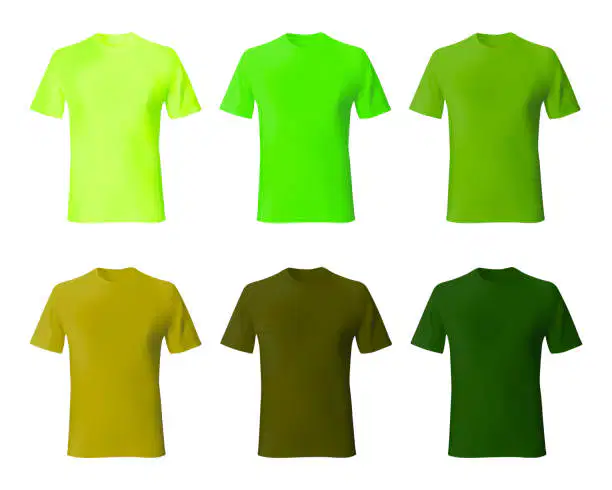
What is the direct object PRONOUN would you use in the sentence?
Prefiero las camisetas verdes.
lo
la
las
los

What is the direct object in this sentence?
Luisa quiere comprar la blusa .
quiere
comprar
blusa

What is the direct object PRONOUN in this sentence?
Luisa la compra.
las
lo
la
A direct object pronoun receives the action of the verb directly. In Spanish a pronoun that is a direct object of a verb is usually placed in front of the verb.
cierto
falso
What is the direct object PRONOUN in this sentence ?
Y los quiero comprar hoy .
las
los
What direct object PRONOUN would you use in this sentence?
Lo tengo.
los
lo
la
What is the direct object PRONOUN in this sentence?
Esteban los tiene.
las
lo
los
What is the direct object PRONOUN in this sentence ?
Y los quiero comprar hoy .
las
los
el boleto
the travel agency
the passport
the ticket
your ID
arrival
la salida
la llegada
la puerta
el aereopuerto
baggage claim
el auxiliar de vuelo
la tarjeta de embarque
el reclamo de equipaje
facturar el equipaje
monitor (big screen)
el vuelo
la pantalla
la llegada
la salida
viajar
to travel
to take a vacation
to call someone
to wait in line

Mi abuela me (mandar) __________ tarjetas postales el año pasado.
My grandma sent me postcards last year
mando
mandó
mandaste
mandaron

Yo (visitar) _____________ Machu Picchu el verano pasado.
I visited Machu Picchu last summer.
visitó
visito
visitaste
visité

El padre y el hijo (pescar) _________ ayer.
The father and son fished yesterday.
pescamos
pescaron
pescan
pescó

Las turistas (montar) __________ a caballo en la playa la semana pasada.
The tourists rode horses on the beach last week.
monté
montamos
montaron
montó

Mis padres (pagar) ____________ con dinero en efectivo anoche.
My parents paid with cash last night.
pagaron
pagaste
pagó
pagué

Yo (hacer) ________ una reservación para el hotel.
I made a reservation for the hotel.
hicieron
hacemos
hizo
hice

La familia (dar) _______ una caminata el mes pasado.
The family hiked last month.
di
dimos
dio
di

Las turistas (tomar) ________ selfies en frente del Torre Eiffel.
The tourists took selfies in front of the Eiffel Tower.
tomé
tomó
tomaron
tomamos

Yo (comprar) ________ fruta en el mercado al aire libre.
I bought fruit in the open air market.
compraste
compraron
compró
compré
Irregular verbs in the Spanish preterite tense?
caminar
comer
vivir
ser, ir, hacer, tener, decir
An example of -CAR verbs in the Spanish preterite tense?
toqué, tocaste, tocó, tocamos, tocasteis, tocaron
viví, viviste, vivió, vivimos, vivisteis, vivieron
comí, comiste, comió, comimos, comisteis, comieron
canté, cantaste, cantó, cantamos, cantasteis, cantaron
Which verbs fall under the -ZAR category in the Spanish preterite tense?
hablar, correr, escribir
comer, beber, dormir
almorzar, comenzar, empezar
ir, venir, hacer
What is the irregular conjugation of the verb 'ser' in the Spanish preterite tense?
era, eras, era, éramos, erais, eran
soy, eres, es, somos, sois, son
estuve, estuviste, estuvo, estuvimos, estuvisteis, estuvieron
fui, fuiste, fue, fuimos, fuisteis, fueron
Conjugate the verb 'tocar' in the Spanish preterite tense for the pronoun 'yo'.
tocó
toqué
tocé
tocaste
Provide an example of a gar verb in the Spanish preterite tense that ends in 'gué'.
pagué
regué
llegué
All conjugations are examples
What is the written difference between demonstrative adjectives and demonstrative pronouns?
adjectives have an accent
pronouns have an accent
neither have accents; just have to know the context of the sentence
Where are the accents on demonstrative pronouns?
the last E in the word
the first A in the word
the first E in the word
there are no accents in demonstrative pronouns
Choose the correct demonstrative adjective:
THIS (fem)
ESA
ESTA
ESE
AQUELLA
Choose the correct demonstrative adjective:
THAT (masc)
ESE
ESTE
ESO
AQUELLO
Choose the correct demonstrative adjective:
THAT OVER THERE (masc)
AQUELLO
ESE
ESTE
AQUEL
Choose the correct demonstrative adjective:
THESE (masc)
AQUELLOS
ESTOS
ESOS
ESTES
Choose the correct demonstrative adjective:
THOSE (fem)
ESAS
ESES
ESTAS
ESOS
Choose the correct demonstrative adjective:
THOSE OVER THERE (fem)
AQELAS
ESAS
AQUELLAS
ESTAS
¿Qué significa éste en inglés?
this
that one
this one
that
¿Qué significa ésa en inglés?
this one
that one over there
that
that one
¿Qué significa aquéllos en inglés?
those ones over there
that one over there
this one over here


Los Juegos Olímpicos (JJ. OO.)

Los campeones reciben _____ después de ganar.
una red
una pelota
un uniforme
un premio
Spanish is the only language with ___.
upside-down (inverted) question marks and exclamation points
periods at the end of sentences
grammar rules
special letters not found in other languages
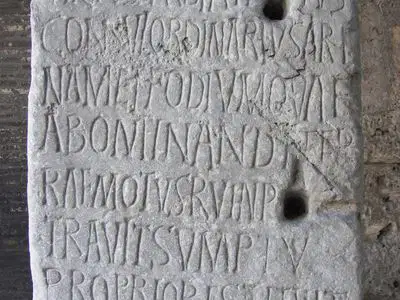
Spanish is mostly derived from _____, making up about 75% of its origin. About 8% of the words in Spanish come from _____.
Latin, French
Anglo-Saxon, English
Latin, Arabic
Sanskrit, Chinese

There are ___ Spanish-speaking countries.
2
12
21
32

In Spanish, the language is called _____ and _____.
español
inglés
castellano
alemán

Some Spanish words are very similar to words in French, Italian or Portuguese because they are all ______.
Germanic languages
Romance languages
Midieval languages
Icelandic languages

In Spanish, each letter has its own sound (which makes it easy to learn how to pronounce and spell!) This makes Spanish a ______.
phonetic language
communciative language
dead language
alphabetic language
The country with the most Spanish speakers is _____. (114 million of them!)
Mexico
United States
Spain
Brazil
It is the only country in Africa with Spanish as an official language.
Senegal
Equatorial Guinea
Uganda
Libya
This country shares an island with Haiti.
Dominican Republic
Cuba
Honduras
Panama
This nation is actually an official territory of the United States.
Puerto Rico
Cuba
Mexico
Chile
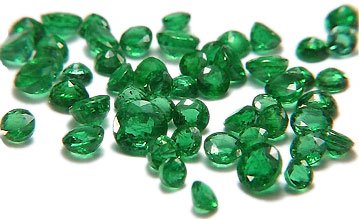
This country is responsible for 50–95% of the world production of emeralds, with the number depending on the year, source and grade.

Venezuela

Colombia

Mexico

Spain
Spanish is originally from this country.

Mexico

Argentina

Cuba

Spain
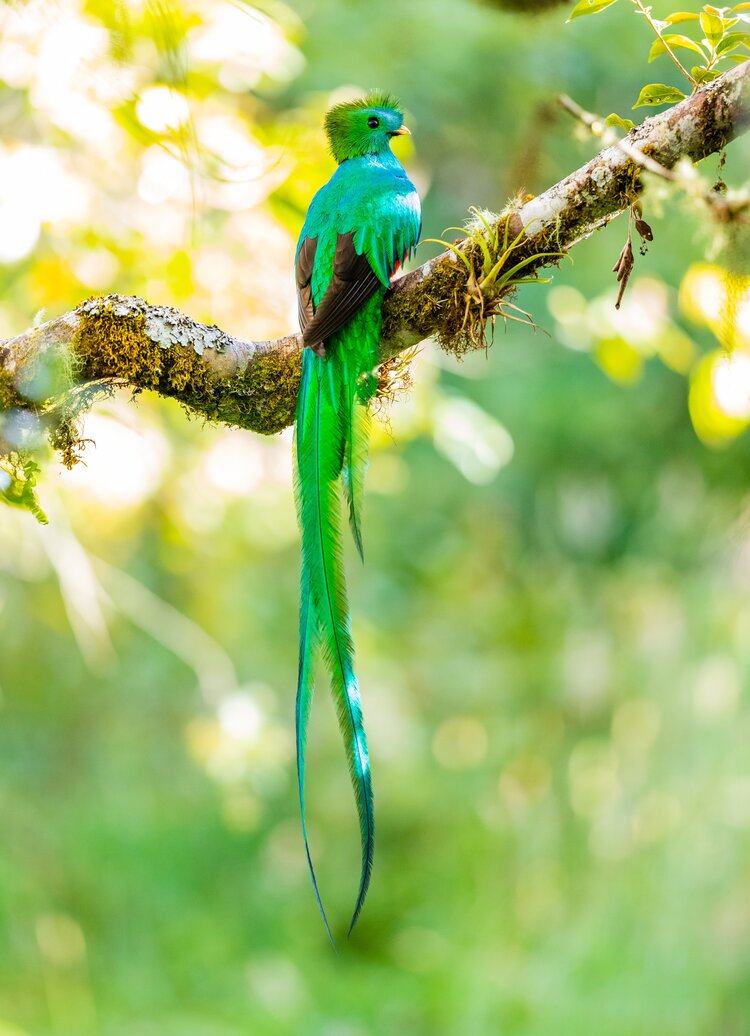
One Hispanic country has currency (type of money) named after the national bird-the Quetzal. Which country is it?
Mexico
Guatemala
Peru
Colombia

