
 Worksheets
12/8 Sci Starter Review
Total questions: 30
Worksheet time: 55mins

Describe the substance at letter A.
Solid
Liquid
Melting
Evaporating
Condensation is the change of state of a (a) to a liquid
Particles are always moving.
True
False
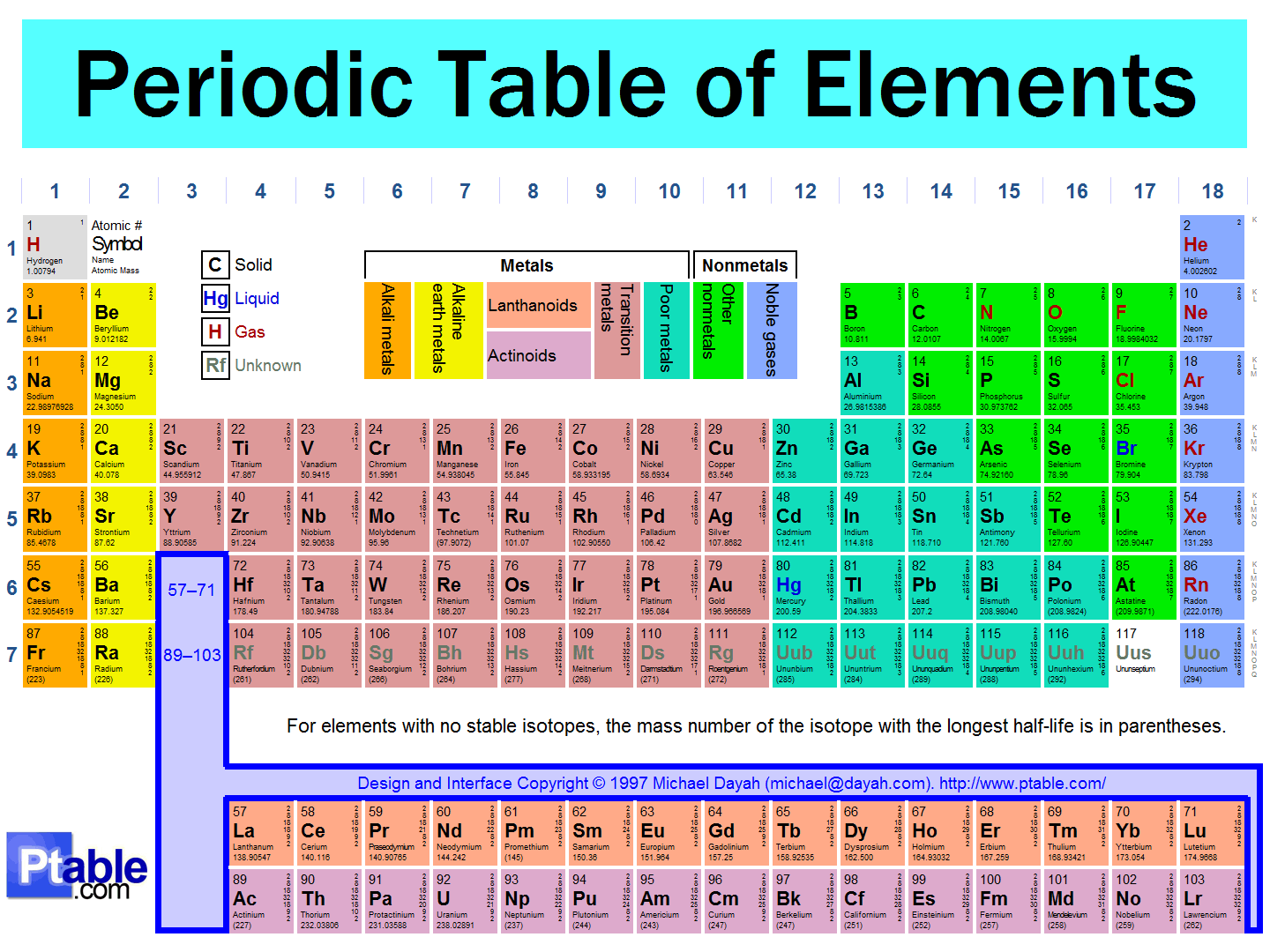
The vertical (up and down) columns in the Periodic Table are called
groups
towers
periods
atomic numbers
The letter, C, is a ... of carbon.
Name
Nickname
Chemical Symbol
Pseudonym

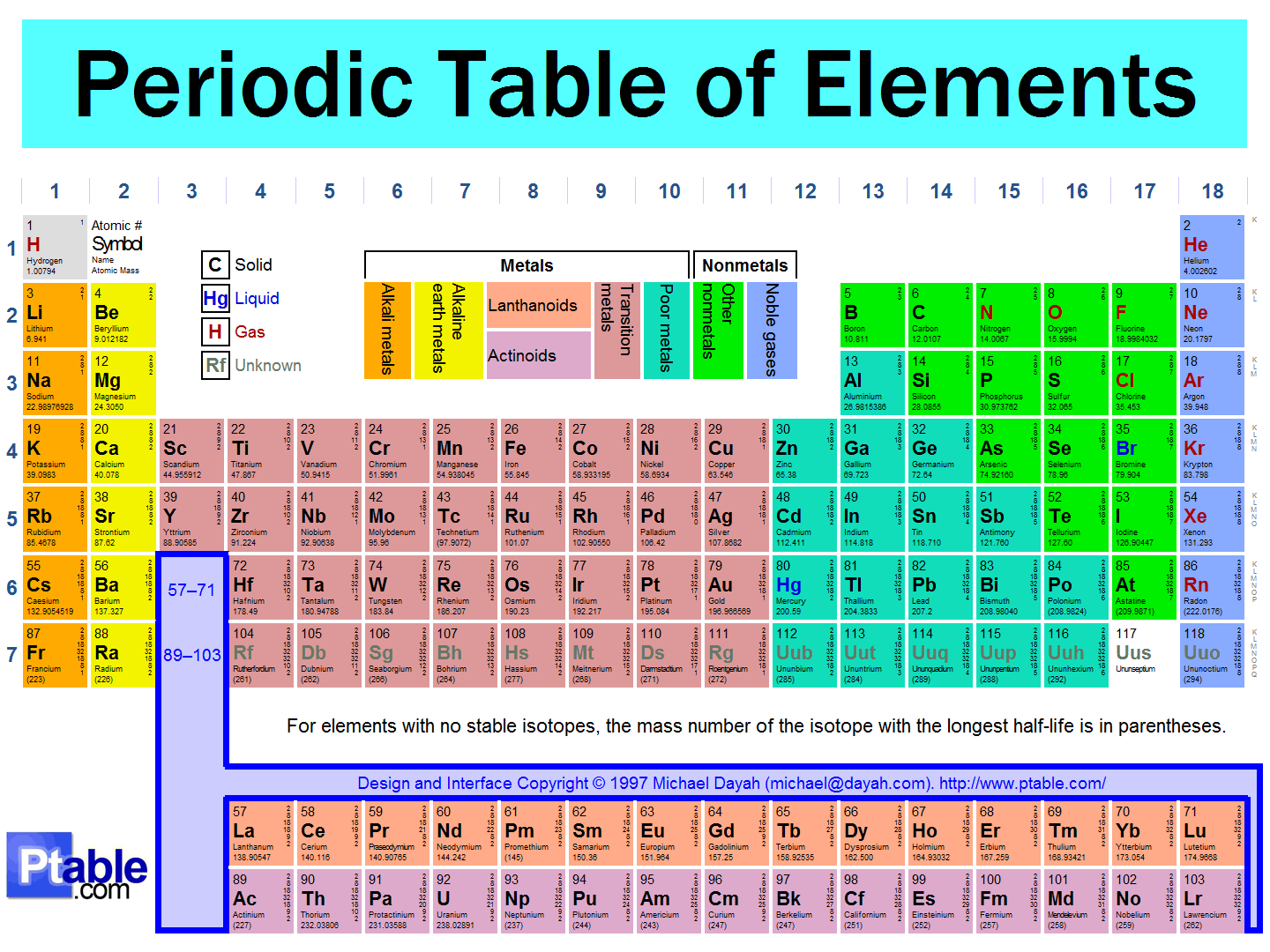
A unique number for each element that equals the number of protons in an atom of that element
element name
element symbol
atomic number
atomic mass
Most of the elements on the periodic table are in which category?
Metals
Metalloids
Non-Metals
Unclassifieds
How many neutrons are found in Gallium (Ga)
70
39
31
64
Why is knowing the number of valence electrons important?
Tells us how reactive the element is and how many bonds it will form
It lets us know how heavy the element is
Tells us if it is a metal or nonmetal
Indicates who first identified the element as an element

These elements show properties of both metals and non-metals. They also separate the metals from the non-metals on the Periodic Table.
Noble Gases
Earth Metals
Halogens
Metalloids
none of these is correct
What is an electron dot diagram (also known as a Lewis Dot Diagram)?
Diagram that shows all of the particles in the atom.
Contains protons and neutrons
Diagram that uses the element symbol to show the number of valence electrons
Contains protons and electrons
What determines how many bonds an atom can form?
The number of unpaired electrons in the Lewis Dot Diagram
The number of paired electrons in the Lewis Dot Diagram
The number of protons in the nucleus
The atomic mass
Identify the correct electron dot diagram for Fluorine (F).


liter measures______?
length
mass
volume
distance
Al + O2 --> 2Al2O3
In a heating curve, diagonal lines indicate temperature is __________, while flat lines indicate temperature is __________.
Constant, changing
Changing, constant

At which letter is the substance changing its state of matter?
A only
A, C, and E
D and E
B and D
Which of the following is true?
A physical property can only be seen.
A physical property describes how matter can change when exposed to air.
A physical property is something that can be observed about the substance by itself.
A physical property can only be observed when two types of matter interact.

Jack leaves solid butter near a warm surface. When Jack returns, the butter has turned into a liquid. Jack's friend Elijah insists this is a chemical change. Is Elijah right?
no, because no new matter was formed
yes, because the matter changed states
no, because the butter didn’t have enough time to go through a chemical change
yes, because melted butter is a new type of matter
Salt water, a mixture, is made by dissolving salt in water. Mixtures like this can be separated by using the physical properties of the mixture. Which would be the best way to separate a mixture made of salt and water?
evaporation
chromotography
magnetism
filtering

