
 Worksheets
Periodic Table Trends
Total questions: 15
Worksheet time: 9mins


True or False: The reactivity of metals tends to decrease as you move from left to right across the periodic table.
True
False
The metals in this group are the most reactive.


The metals in this group are the second most reactive.


Which element is in group 2 , period 6 ?
Mo
Re
S
Ba

Which element is found in period 2, group 16?
Ba
Si
Ba
O
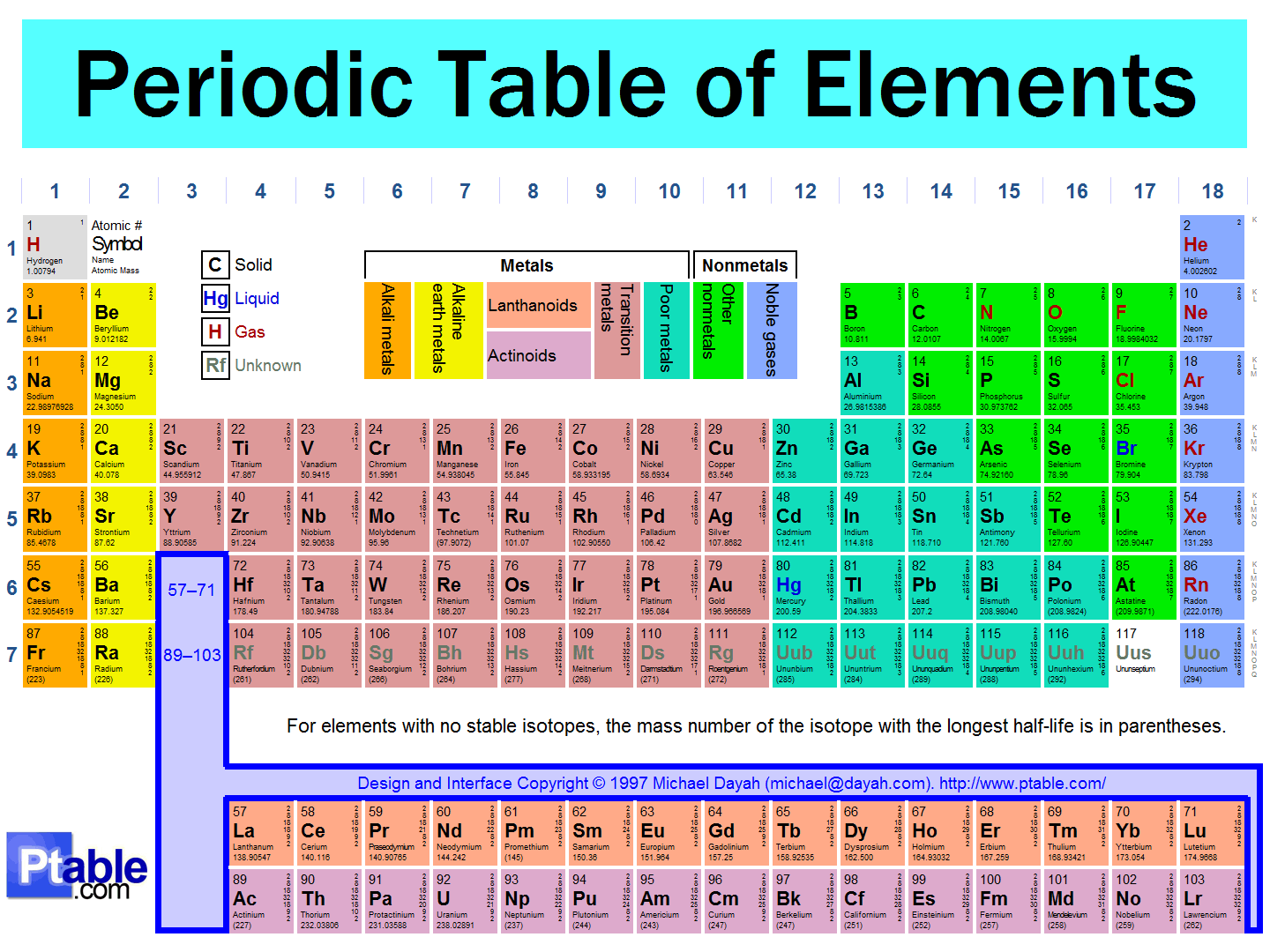
The vertical (up and down) columns in the Periodic Table are called
groups
towers
periods
atomic numbers
The atomic number tells you the number of __________ .
Ions
Protons
Neutrons
Electrons
Which two groups are extremely reactive together?
Noble gases & Alkaline Earth Metals
These elements have properties of both metals and nonmetals.
Metals
Nonmetals
Metalloids
Lanthanides
Atomic mass increases as you move:
To the right in a period
To the left in a period
Up a group
Down a group
True or False: Hydrogen is a metal.
True
False
Atomic number identifies the element and is equal to its number of:
Electrons
Protons
Neutrons
Atoms

