
 Worksheets
Semester Exam review day 1 23-24
Total questions: 21
Worksheet time: 15mins
Thomas Jeffererson favored an economic policy that involved
minimal government regulation
Protective tariffs
Limited competition
Taxes to fund roads
Match the following court cases to their impact
Courts can strike down unconstitutional laws (judicial review)
Marbury v. Madison
Congress can regulate interstate commerce
Gibbons v. Ogden
The state cannot tax the federal government
McCulloch v. Maryland
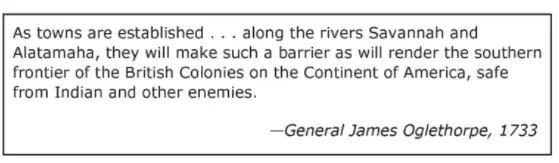
What human geographic factor most likely prompted this observation
The number of Quakers living in British colonies
The Carribean slave trade with British colonies
The number of religious sects in the British colonies
The Spanish land claims clsoe to the British colonies
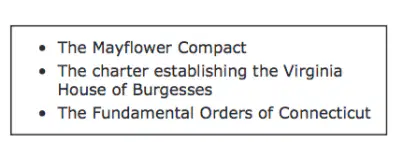
Which factor contributed to the creation of the documents on this list?
The opportunity for trade with American Indians
The distance of the colonies from Great Britain
The doctrine of the Church of England
The economic system of mercantilism
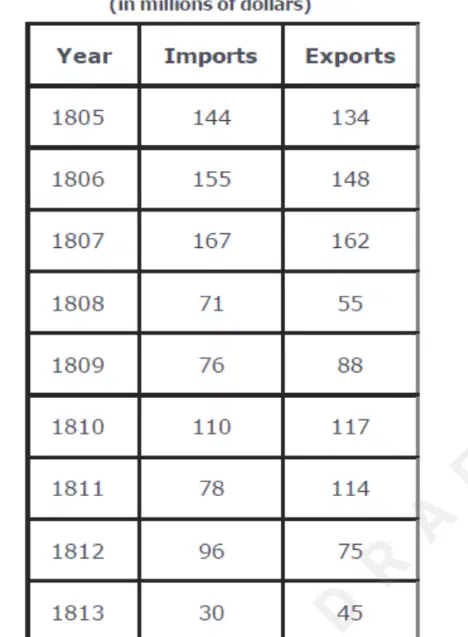
How did the Embargo Act impact American trade?
Imports grew while exports fell
Imports fell while exports grew
Both imports and exports grew
Both imports and exports fell
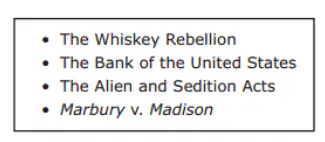
This list provides examples of-
domestic issues faced by leaders of the new republic
topics discussed during the second Constitutional Convention
weaknesses of the Articles of Confederation
issues leading to the ratification of the Bill of Rights
Which of the following had the greatest impcat on the outcome of the Great Compromise and Three-Fifths Compromise?
Economic differences between large and small states
The alignment of delegates with foreign allies
Religious differences between large and small states
The demand for manufactured goods
During the colonial period, what was one difference between slave labor in the North and slave labor in the South?
More slaves in the North worked in gold mines
More slaves in the North worked in cash-crop production
More slaves in the North worked in trade-related jobs
More slaves in the North worked as craftsmen on plantations
Why did many farmers, artisans, and former Anti-Federalists support the Democratic Republican party?
The Democratic- Republicans favored the expansion of a strong national government
The Democratic-Republicans supported strict restrictions on immigration
The Democratic-Republicans suported the use of tariffs
The Democratic-Republicans favored states' rights and the rights of the common man
How did the provisions of the Northwest Ordinance affect U.S. expansion?
By funding a transportation network in uninhabited regions
By establishing a process for territories to govern themselves
By promoting the growth of southern plantation economies
By creating a national bank to loan money to investors
Which statement describes one result of the War of 1812?
Great Britain lost control of Canada
The United States gained control of the Oregon Territory
The United States stopped trading with Britain and France
Great Britain stopped the practice of impressment
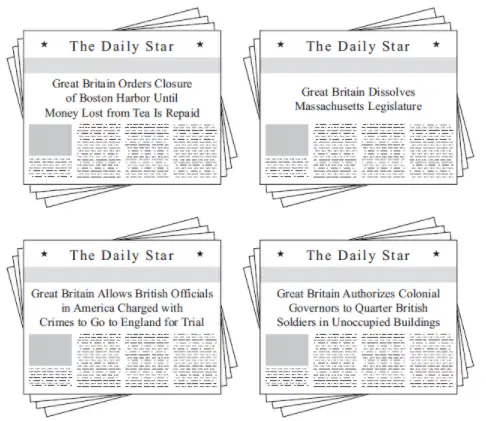
How did the American colonists IMMEDIATELY respond to the 1774 laws described in these headlines?
The First Continental Congress declared war on Britain
The colonists adopted the Articles of Confederation
The first Continental Congress sent a list of grievances to King George III
The colonists adopted a bill of rights
Which phrase shows that the 4th Amendment protects people from excessive surveillance by the government?
The right of the people
against unreasonable searches and seizure
shall not be violated
no Warrants shall issue
What is the main reason English Puritans settled in North America during the 17th century
to flee from warfare
to discover precious metals
to establish new businesses
to escape religious persecution
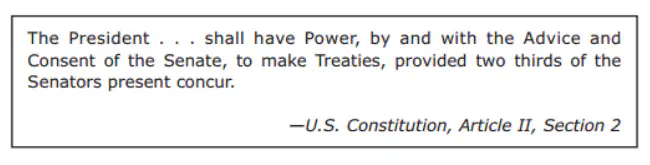
The excerpt provides one example of which constitutional principle
Republicanism
Checks and balances
Popular sovereignty
Individual Rights
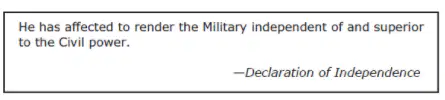
How was this grievance addressed by the Founding Fathers?
By making the president the commander in chief of the armed forces
By requiring the president and members of Congress to take the oath of office
By giving the president and Congress the power to make treaties.
By giving Congress the power to draft civilians into the armed forces
In the early 1800s, Great Britain was in a conflict with France. Both countries tried to prevent the United States from trading with the other country. As a result of British impressment of U.S. Sailors, Congress passed the Embargo Act of 1807. This act closed U.S. ports to exports and placed restrictions on British imports. In 1809 Congress repealed this act and replaced it with a law that specifically prohibited trade with Britain and France.
What was one effect of these actions on the United States?
The signing of the Treaty of Guadalupe Hidalgo
International critcism of the Monroe Doctrine
The expansion of manufacturing
Increased profits from international commerce
A central issue contributing to the development of political parties was -
the power of the federal government
the signing of the Treaty of Ghent
violations of Washington's proclamation of neutrality
debate over whether to change the Articles of Confederation
The grievance is listed in a historic document presented to the British King
"For imposing taxes without our Consent."
How did the Founders address this grievance in the U.S. Constitution?
Only Congress can pass taxes
Only states can tax people
Only the courts can decide if a tax is legal
Only the President can tax citizens
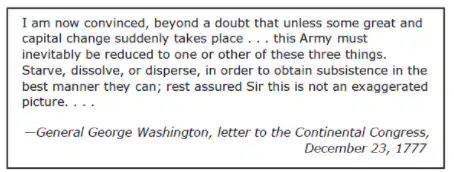
Which of the following prompted General Washington to write this letter?
A shortage of Continental soldiers to maintain siege of Yorktown
The high number of casualties suffered at the Battle of Bunker HIll
Low morale for the army after the British captured New York City
Concern for the Continetnal troops during the winter at Valley Forge
Washington's foreign policy emphasized (a) . He atempted to (b) U.S. involvement in the military affairs of other nations.

